
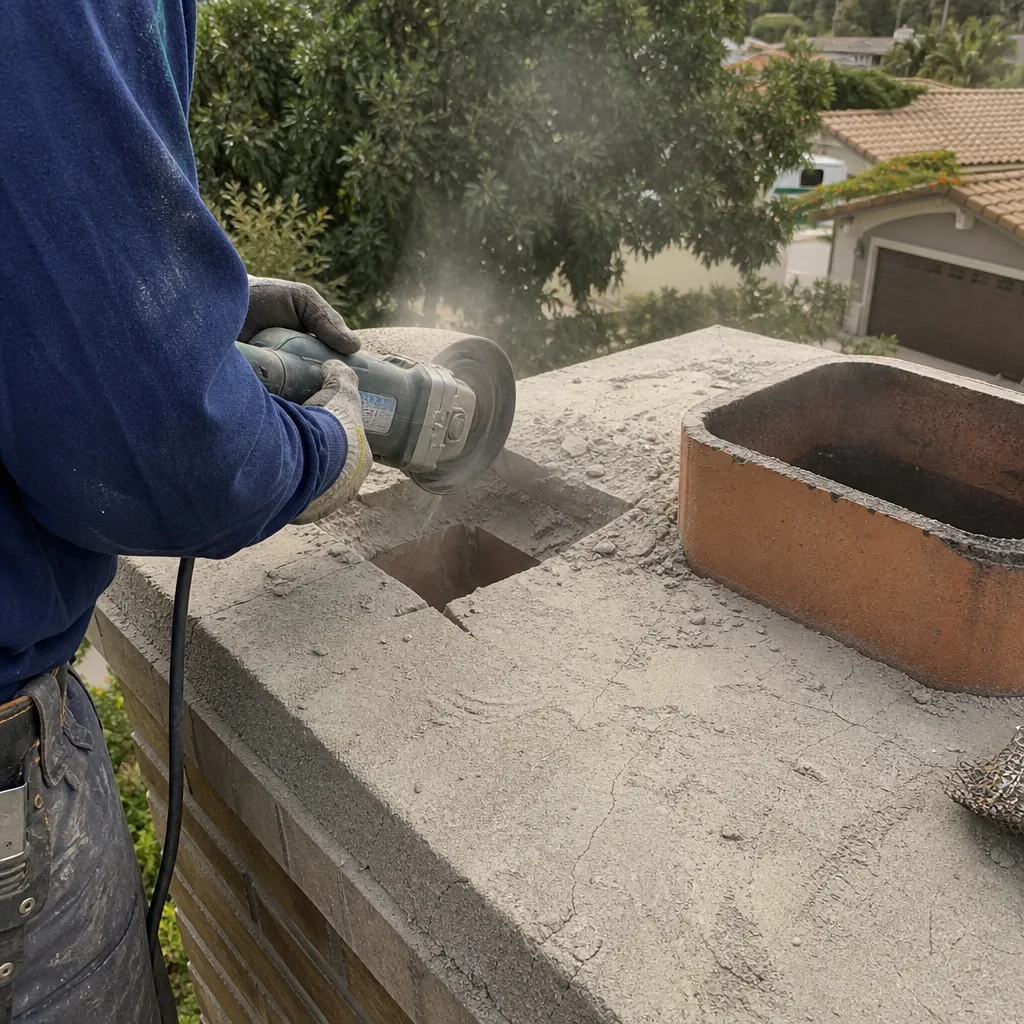
Last updated November 4, 2026
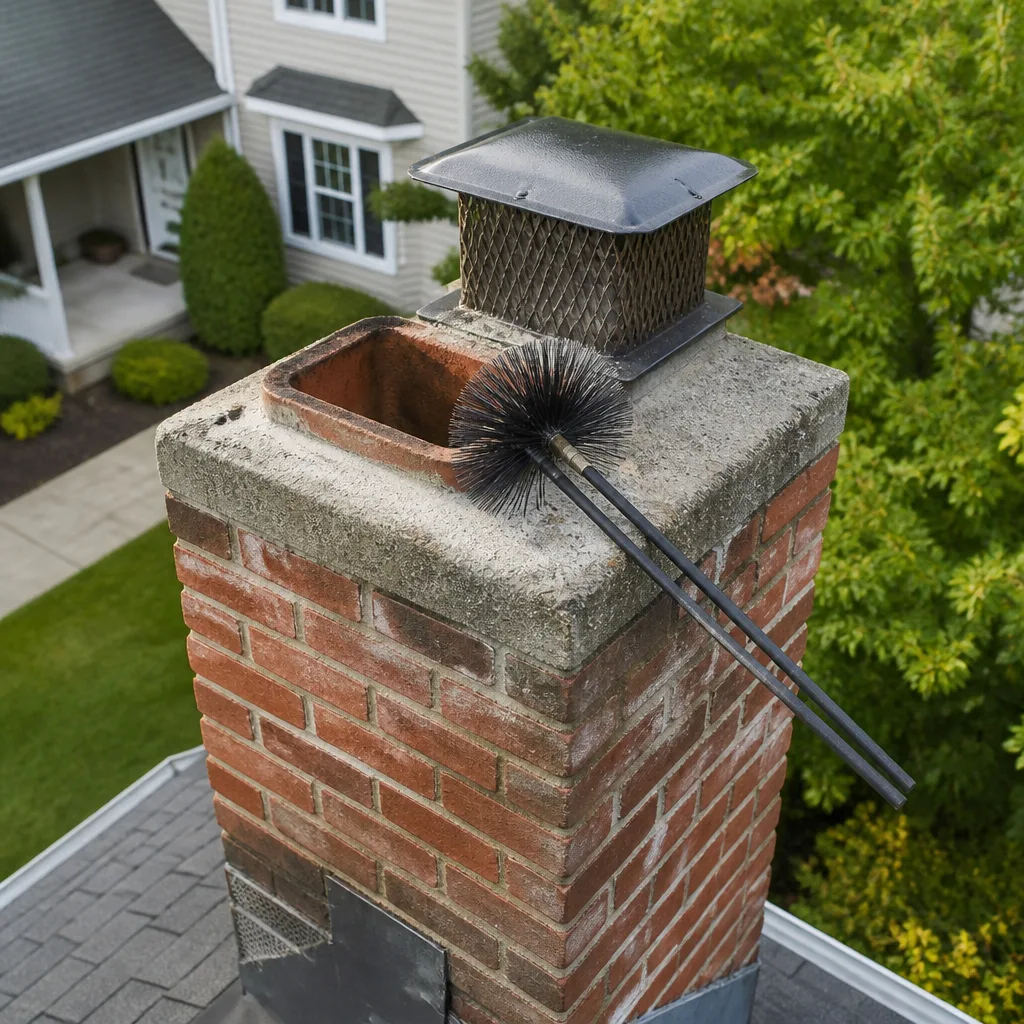 Sweep & inspection
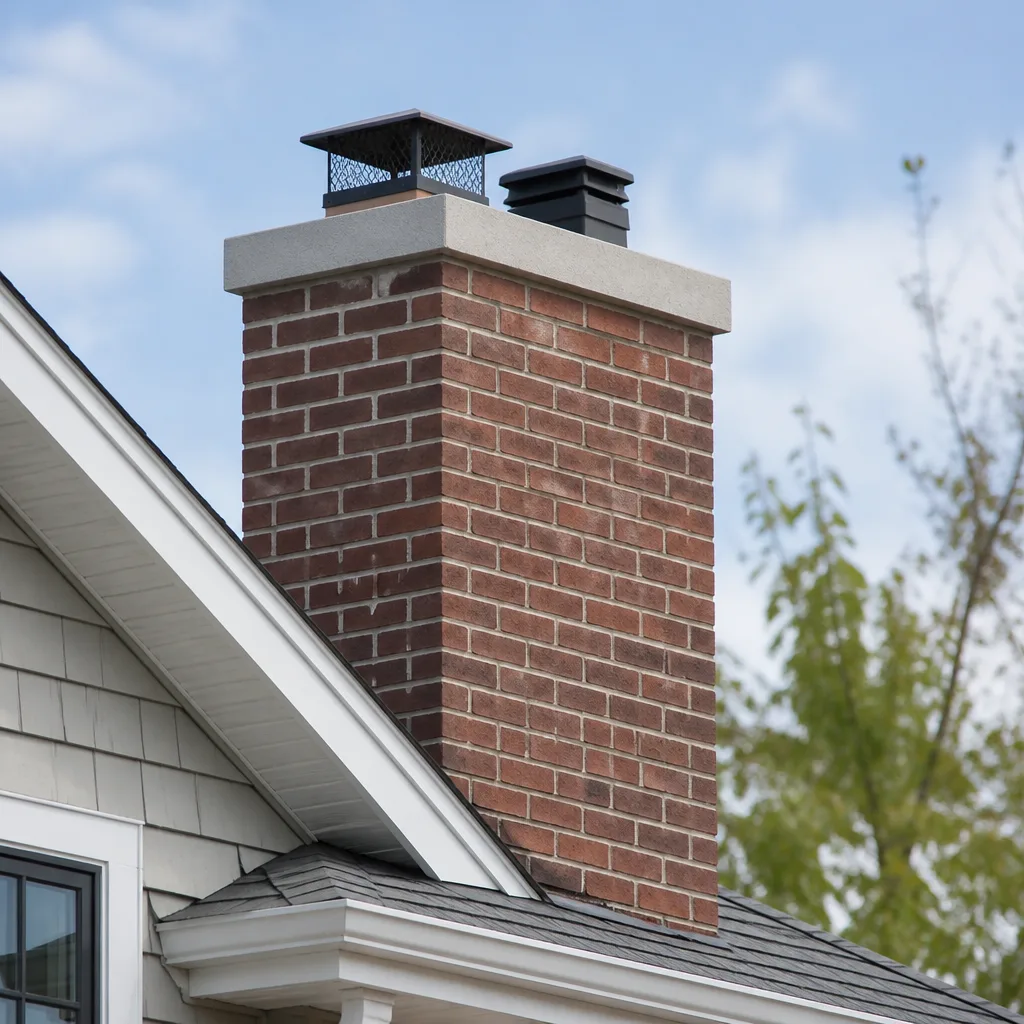 Caps & crowns
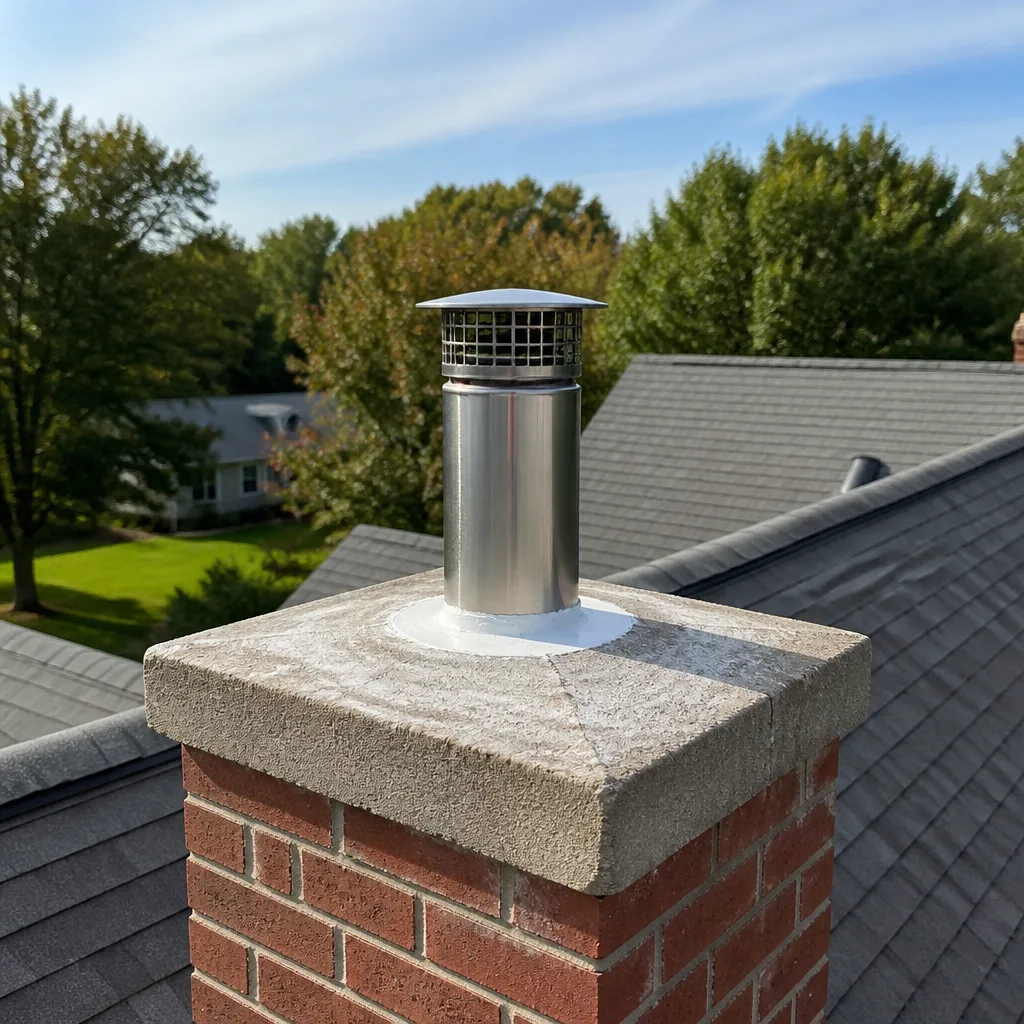 Flue relining
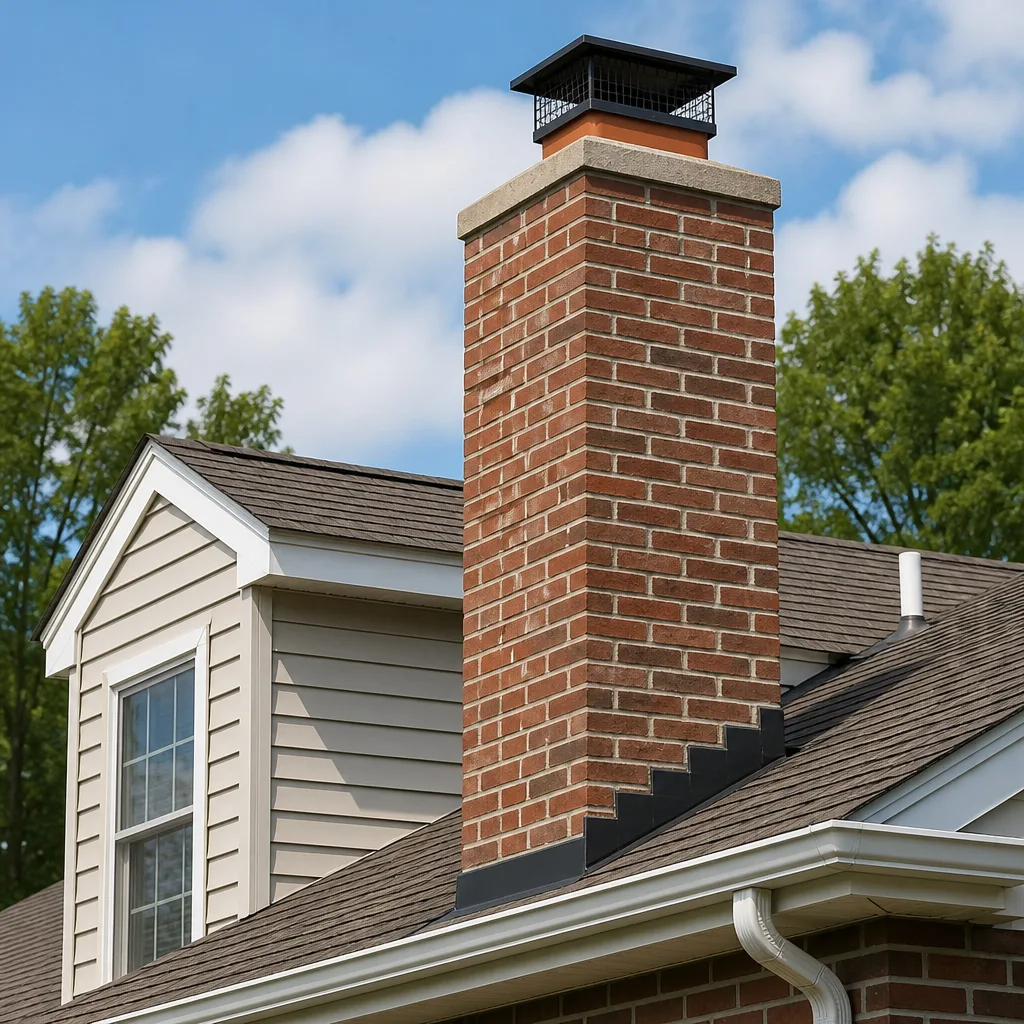 Masonry repair
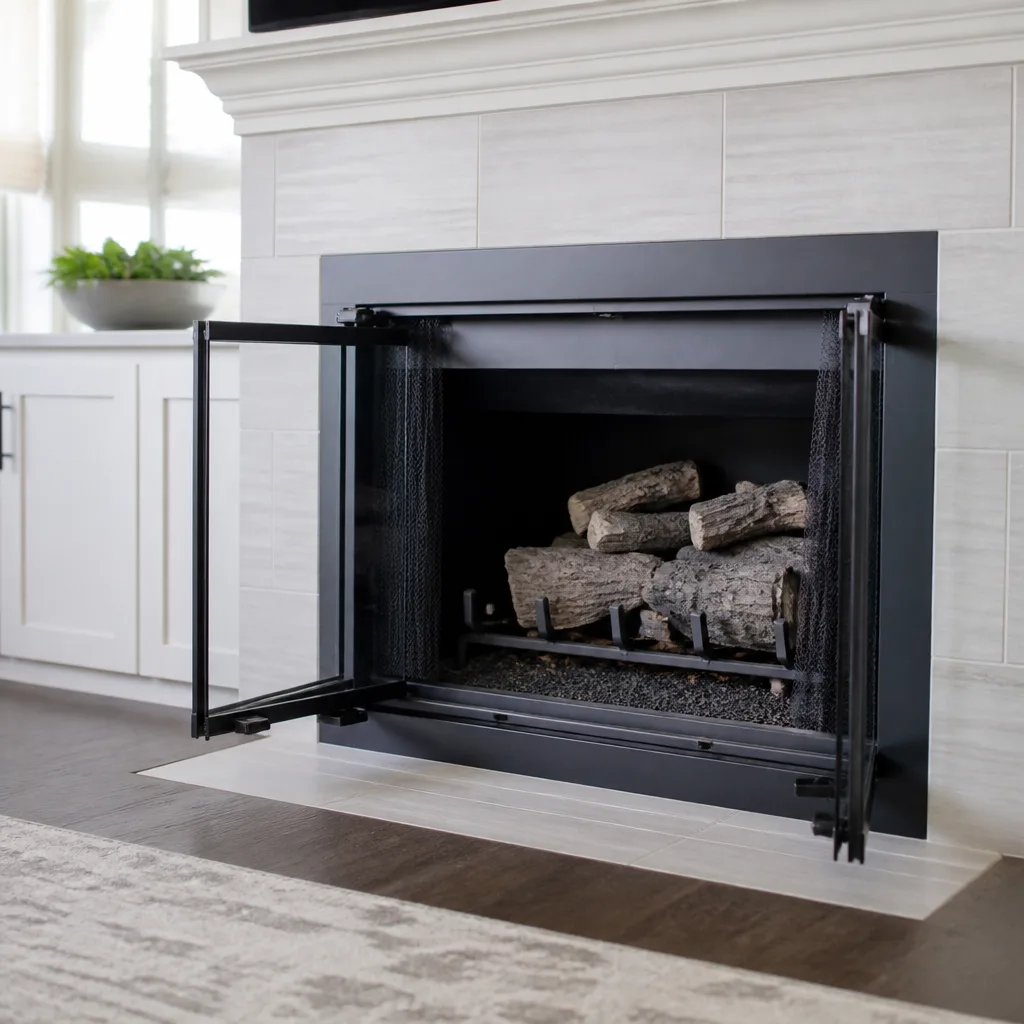 Gas fireplace service
Level 1 sweep and inspection to the NFPA 211 annual standard - flue, crown, cap, and flashing checked and photographed
Chimney sweep logs do not sweep chimneys. They loosen some creosote - which then falls where a brush and vacuum still have to collect it.
The Complete Guide to Chimney Cleaning in San Clemente
Most San Clemente homeowners burn fewer than fifteen fires a year, and here’s what nobody tells you: that infrequent use is not protecting your chimney. It’s creating conditions where certain problems form faster than they would in a house that burns every winter night. A fireplace that cools completely between fires lets creosote harden into a glaze that a standard brush cannot remove, and the specific moisture patterns of our coastal air work on flue liners and mortar joints in ways generic chimney guides never address. This guide explains what actually happens inside a low-use San Clemente chimney, what a proper cleaning should include, and how to know when a sweep is enough versus when the flue itself needs repair.
Styles & brands we work with
- Sweep & inspection
- Caps & crowns
- Flue relining
- Masonry repair
- Gas fireplace service
Quick Answer
Chimney cleaning in San Clemente means removing creosote, soot, and debris from the flue, smoke chamber, and firebox so the system drafts correctly and does not become a fire or carbon monoxide risk. A professional sweep includes a Level 1 or Level 2 inspection, and in coastal San Clemente, most homes benefit from the Level 2 because salt-laden air and low-use burn patterns obscure problems a visual glance misses. The typical cost runs from about $180 to $400 for a standard sweep, with repairs quoted separately after camera inspection. Call Chimney Sweep San Clemente at (877) 798-8489 for a free estimate.
Table of Contents
- Why San Clemente Chimneys Need a Different Approach
- What Actually Happens During a Professional Chimney Cleaning
- How Low-Use Fireplaces Still Build Dangerous Creosote
- Coastal Air, Flue Liners, and Mortar Joints: What to Check Before Cleaning
- Level 1 vs. Level 2 Inspections: What San Clemente Homes Usually Need
- Rotary Cleaning vs. Standard Brush Kits in Prefab Fireplaces
- How California Energy-Efficient Home Design Affects Chimney Draft
- What Does Chimney Cleaning Cost in San Clemente?
- Common Mistakes to Avoid
- When to Call a Professional
- Frequently Asked Questions
- The Bottom Line
Why San Clemente Chimneys Need a Different Approach
We approach every chimney sweep in San Clemente with two questions. First, how often does this fireplace actually get used? Second, what has the coastal moisture done to the liner since the last service? Those two factors change the job more than anything else, and they’re why a guide written for a cold-climate city does not transfer here.
San Clemente sits in a mild coastal zone where fireplaces are decorative features as often as they are heat sources. A family might light fires three weekends in December, skip January entirely, then start again for a few evenings in February. The deposits left behind from those short burns cool completely between uses. The compounds in wood smoke that would stay soft and brushable in a frequently-used chimney instead harden and bond to the flue wall. By the time a homeowner calls for a cleaning, the standard wire brush many companies use cannot pull the residue off. It needs rotary tools and, in some cases, chemical treatment before the flue is actually clean. That is not a sales line. It is what the material does here.
The coastal air factor is separate. The verified local climate facts do not include freeze-thaw cycles, so we do not deal with ice damage the way a mountain-town sweep would. What we do deal with is a persistent humidity pattern and its effect on masonry. Mortar absorbs moisture. In a mild, damp environment, that moisture hangs around. Over years, it weakens the joints between flue tiles and allows tiny gaps to open. Those gaps matter because they are how heat and combustion gases escape into places they should never reach. A proper San Clemente chimney service starts with understanding that the outside environment is working on the inside of your chimney between every visit.
What Actually Happens During a Professional Chimney Cleaning
A legitimate chimney cleaning is not one person with a brush on a pole. It is a sequence of steps designed to remove combustion deposits and to put eyes on every part of the system the deposits were hiding behind. Here is the order a complete visit follows.
- Interior protection setup. Drop cloths go down around the hearth, and the firebox is sealed so soot and creosote cannot drift into the home. A high-volume vacuum with a HEPA filter runs during the entire cleaning.
- Visual pre-inspection. Before tools enter the flue, we look at the accessible areas from above and below. We are checking for obvious damage, blockages, water entry, or evidence of an animal. This first look determines whether cleaning should proceed or whether a repair question comes first.
- Flue cleaning from top or bottom. Whether we work from the roof or use a bottom-up system depends on the chimney design and roof access. The cleaning method is matched to the deposit type and flue shape.
- Smoke chamber and damper cleaning. The smoke chamber sits above the firebox and below the flue. It collects more creosote than most homeowners realize, and it is frequently skipped by low-cost sweeps who only brush the flue itself.
- Firebox cleanup and ash removal. The final stage removes the debris that fell during flue cleaning, leaves the firebox clean, and removes the ash.
- Post-cleaning inspection and documentation. After the flue is clean, we inspect the surfaces that were previously hidden. Clean walls reveal cracks, gaps, and liner damage that creosote covered. We photograph what we find and show it to you.
That last step is the one that separates a real service from a checkbox visit. In our experience, a meaningful percentage of San Clemente chimneys look fine before cleaning and reveal problems once the deposits are gone. If a company does not inspect after cleaning, they are leaving the most important information on the table.
How Low-Use Fireplaces Still Build Dangerous Creosote
The common belief is that creosote buildup is a problem for people who burn constantly. The opposite is often true in San Clemente. Here is why.
Creosote forms when wood smoke cools and condenses inside the flue. In a hot, well-drafted fire, most of that smoke exits the chimney before it can condense. In a short fire in a mild climate, the opposite happens. The homeowner lights a fire on a cool evening. The flue is cold when the fire starts, which means the smoke cools almost immediately. The fire is not driven hard because the home does not need much heat. The surface temperature inside the flue stays low. Those conditions are ideal for creosote to form and settle on the flue wall.
Then the fireplace goes cold again for weeks. The creosote deposit hardens. The next fire adds another layer, which also cools and hardens. After a season or two, the flue carries what the industry calls stage-two creosote: a flaky, tar-like accumulation that is drier than the sticky stage-one variety and considerably harder to remove. Left long enough, it compresses into stage-three glazed creosote, which is a fire hazard and requires more aggressive treatment than a standard sweep provides.
The practical point is this: a San Clemente home that only burns ten fires a year can develop a creosote problem that a home burning fifty fires in a colder climate never sees. The frequency of use is not the deciding factor. The burn temperature and the cooling pattern between fires are.
Coastal Air, Flue Liners, and Mortar Joints: What to Check Before Cleaning
Moisture is the quiet enemy of a masonry chimney, and San Clemente’s mild, damp air supplies it year-round. The damage pattern is different from what freeze-thaw climates experience, but it is just as serious when ignored.
Clay flue tile is the most common liner in older San Clemente homes. The tiles themselves are durable. The mortar joints between them are the weak point. Coastal humidity keeps those joints damp for long stretches. Over years, the mortar softens. The repeated heating and cooling of even infrequent fires stresses the joints further. Eventually, small openings appear between tiles. Those gaps allow heat and combustion gases to reach the chimney structure and, in the worst cases, building materials around the chimney chase.
Stainless steel liners have a different vulnerability. The consistent moisture exposure contributes to surface corrosion, particularly at connection points and where the liner exits the crown. This is why a pre-cleaning inspection in San Clemente should always include a look at the liner surface and the mortar joints, not just the creosote layer.
We also check the chimney crown and the cap assembly before sweeping. A cracked crown admits water, and water shortens the life of every material below it. If we’re installing a replacement cap, we prefer products from trade brands like Gelco or Olympia Chimney, which are built for this kind of environment and sourced through professional supply channels, not the hardware aisle. The right cap does more than keep rain out. It changes how wind moves across the flue opening, which affects draft and keeps embers from exiting onto the roof.
Level 1 vs. Level 2 Inspections: What San Clemente Homes Usually Need
The National Fire Protection Association defines three levels of chimney inspection. Most homeowners only ever hear the words “inspection” and assume it happened automatically during the sweep. It did not, and the difference matters.
A Level 1 inspection covers the readily accessible portions of the chimney: the exterior, the firebox, the damper, and the accessible flue interior. It is appropriate when the system is being serviced on its regular schedule and nothing has changed since the last visit.
A Level 2 inspection adds internal examination with camera equipment. The NFPA requires a Level 2 when there has been a change: a new appliance, a change in fuel, a property transfer, or an operational malfunction, such as a chimney fire or an event that caused water or structural damage. Real estate transactions commonly trigger Level 2 requirements.
Here is the San Clemente reality. Most homes in this city are not brand new. Many have chimneys that have gone years between services, with no paper trail of past work. The damp coastal air has been working on the mortar that whole time. A Level 1 glance at a sooty flue tells us almost nothing about what is happening behind the deposits. We routinely recommend a Level 2 for homeowners who cannot document their chimney’s service history, who just bought the home, or who have not used the fireplace in several years. The camera footage answers the question that matters: is this chimney safe to burn tonight, or does it need a liner repair first?
We carry camera equipment on every visit because we believe showing you the inside of your chimney is more honest than describing it. From sweep to full repair, the diagnosis drives the recommendation.
Rotary Cleaning vs. Standard Brush Kits in Prefab Fireplaces
Much of San Clemente’s housing stock was built in tract developments during the 1970s, 80s, and 90s. Those homes often have prefabricated, factory-built fireplaces rather than traditional masonry chimneys. That distinction changes what a cleaning should involve.
Factory-built fireplaces use a double or triple-wall metal chimney system. The flue interior is smaller in diameter than a masonry flue and typically round. Standard wire brushes sized for masonry flues do a poor job here. They catch on the seams, cannot scrub the full circumference evenly, and often leave deposit strips along the weld lines.
Rotary cleaning systems work differently. A head with flexible nylon or polymer lines spins at speed against the flue wall, scouring the entire surface without the hard scraping of a steel brush. That matters in prefab systems because the metal liner is thinner than masonite clay tile. A stiff steel brush can scratch or deform it. The rotary approach removes creosote more completely and more gently, which is the combination a factory-built chimney needs.
We also see prefab systems in San Clemente with older termination caps that no longer seat correctly. Rain enters, mixes with creosote, and creates an acidic slurry that accelerates corrosion at the flue seams. When we replace those caps, we use products built for factory-built chimneys from manufacturers like Famco and Copperfield. Professional-grade parts, not hardware-store substitutes. The cap has to match the system, or the chimney never drafts the way the manufacturer intended.
How California Energy-Efficient Home Design Affects Chimney Draft
Newer San Clemente homes are built tight. California’s energy code pushes builders to minimize air leakage in the thermal envelope, which is good for cooling bills and bad for open fireplaces. A fire needs replacement air to draft. In an older, leaky house, that air comes through gaps around windows and doors without anyone noticing. In a tight modern home, there is nowhere for that air to come from.
The result is a weak draft. Smoke lingers in the firebox. The flue stays cooler because less air moves through it. Cooler flue means more creosote, even in a brand-new chimney. Homeowners sometimes mistake this for a blocked chimney or a bad fireplace design. The real issue is that the home’s air sealing is doing exactly what it was built to do, and the fireplace was not given a dedicated source of combustion air.
The fix is not always simple. Sometimes the answer is a properly sized chimney cap that reduces wind-induced downdraft. Sometimes the firebox needs a glass door to reduce the air volume the chimney has to pull. And sometimes the correct recommendation is that the fireplace should not be used as a primary heat source without adding a direct-air intake. What we do not recommend is ignoring the draft problem and burning anyway. A chimney that cannot draft correctly is a carbon monoxide risk, and that risk does not go away because the fire looks pretty behind glass.
What Does Chimney Cleaning Cost in San Clemente?
Chimney cleaning prices in San Clemente should be transparent, and they should be tied to what the job actually involves. Here are the ranges we see for the core services.
- Standard chimney sweep with Level 1 inspection: $180 to $350, depending on the flue type, roof access, and deposit level.
- Chimney sweep with Level 2 camera inspection: $300 to $500 for the combined service, with the camera inspection adding roughly $150 to $250 to the base sweep.
- Heavy creosote or glazed creosote removal: $350 to $700, because this requires rotary tools, possibly chemical treatment, and significantly more time.
- Prefab fireplace cleaning: generally $200 to $400 due to the specialized rotary equipment and the care required for metal flues.
- Chimney cap inspection and replacement: caps themselves run from $80 to $400 depending on the system type, with installation quoted separately.
- Flue liner repair or resurfacing: quoted per job after camera inspection; this is repair work, not maintenance, and the estimate is always written and itemized.
These are typical San Clemente market ranges. The estimate you receive before any work begins is the number that matters. We do not work from vague verbal quotes, and we do not surprise anyone with a repair recommendation after the fact. If the camera shows a problem, we show it to you on the screen and explain what the fix involves before any work is approved.
Common Mistakes to Avoid
- Skipping the post-cleaning inspection. A sweep that ends with a brush pulled out and a truck pulling away is a missed opportunity. The clean flue is when problems become visible. Insist on a look with camera equipment before signing off.
- Treating all creosote as the same. Stage-one dust is not stage-three glaze. If someone quotes a flat price without asking about your burn habits or looking at the flue, keep looking.
- Replacing a prefab cap with whatever fits. Factory-built chimneys are listed systems. A hardware-store cap that does not match the system can wreck the draft and void the manufacturer’s installation requirements. We work with professional-grade brands for a reason.
- Ignoring a weak draft because the fire still lights. A fire that burns but smokes into the room is a carbon monoxide concern, not a quirk. The fix may be simpler than expected, but the hazard is real until it is diagnosed.
- Waiting until the fire feels “dirty” to call. By the time a homeowner notices odd smells or poor burning, the deposits have been accumulating for a while. Regular service on a schedule prevents the expensive version of the cleaning.
- Assuming a rarely-used chimney needs nothing. This is the exact mistake we opened this guide with. Low use does not mean no deposits. It means hardened deposits that are harder to remove.
- Hiring a sweep who cannot make repairs. There is nothing wrong with a company that only sweeps, but be clear about what that means. If they find a cracked liner, you are paying someone else to come fix it. We repair what others only inspect, which keeps the diagnosis and the fix under one roof.
When to Call a Professional
Call a professional chimney company when the fireplace has not been inspected in more than a year and you plan to burn; when you smell smoke or a campfire odor in the house after a fire has ended; when you see soot or creosote falling into the firebox; when a home inspector or insurance agent has flagged the chimney; or when you just bought a San Clemente home with a fireplace and have no service records for it. A dryer vent cleaning follow-up is also worth scheduling if you are already addressing fire hazards around the house, since both systems collect flammable deposits over time. Chimney Sweep San Clemente offers free estimates in San Clemente. Call (877) 798-8489. We answer 24/7. Fast dispatch from 7am to 7pm, Sunday through Friday.
Frequently Asked Questions
The NFPA recommends an annual inspection and cleaning at the frequency the inspection indicates. For most San Clemente homes, a sweep every one to two years is appropriate, but homes with low-use, cool-burn patterns may accumulate hardened creosote faster than that and should be checked before each burn season. Call (877) 798-8489 to schedule a visit and we will inspect what is actually in the flue.
A standard chimney sweep in San Clemente typically runs from $180 to $350, with camera inspection adding $150 to $250 and heavy creosote removal pushing the total to $350 to $700. The written estimate before work begins is the final word on price. Estimates are free, so call (877) 798-8489 for an exact quote.
If a camera inspection shows cracks, gaps, or corrosion in the liner, yes, the liner needs repair or replacement before the chimney is safe to burn. We do not recommend liner work without camera evidence, and we show you the footage before any recommendation is made. HeatShield resurfacing is one option for repairing damaged flues without a full rebuild, and it is a specialized service most sweep-only companies cannot offer.
Creosote continues to accumulate and harden. The flue narrows, draft worsens, and the risk of a chimney fire rises. In coastal San Clemente, skipped years also allow moisture and salt-laden air to work on mortar joints without anyone noticing. The cleaning and repair bill grows the longer the system goes unserviced. Call (877) 798-8489 to find out what your chimney looks like now.
Yes, but it requires rotary cleaning tools and a technician who understands factory-built systems. Standard masonry brushes can damage the thin metal liner. We use rotary equipment matched to the flue diameter and inspect the entire system while we are in there, including the cap and chase. The estimate is free.
A professional service should contain the debris with drop cloths and a HEPA vacuum system running throughout the cleaning. We take interior protection seriously, and the goal is to leave the room cleaner than we found it, not dust it with soot. If a company does not talk about containment before starting, ask how they plan to handle it.
The Bottom Line
San Clemente chimneys fail in predictable ways, and almost none of them look like the warning photos in a generic chimney guide. The coastal air works on the mortar and liner between visits. The light burn schedule creates the kind of hardened creosote that most sweeping companies cannot remove with standard tools. The tight construction of newer homes changes how the fireplace drafts in the first place. All of it is manageable when it is caught early and expensive when it is ignored. A professional chimney cleaning that includes a real inspection is the cheapest maintenance available for one of the most expensive systems in your home. Call (877) 798-8489. We answer 24/7. Fast dispatch from 7am to 7pm, Sunday through Friday. Estimates are free.
Written by the team at Chimney Sweep San Clemente, serving San Clemente since 2017.
See the difference
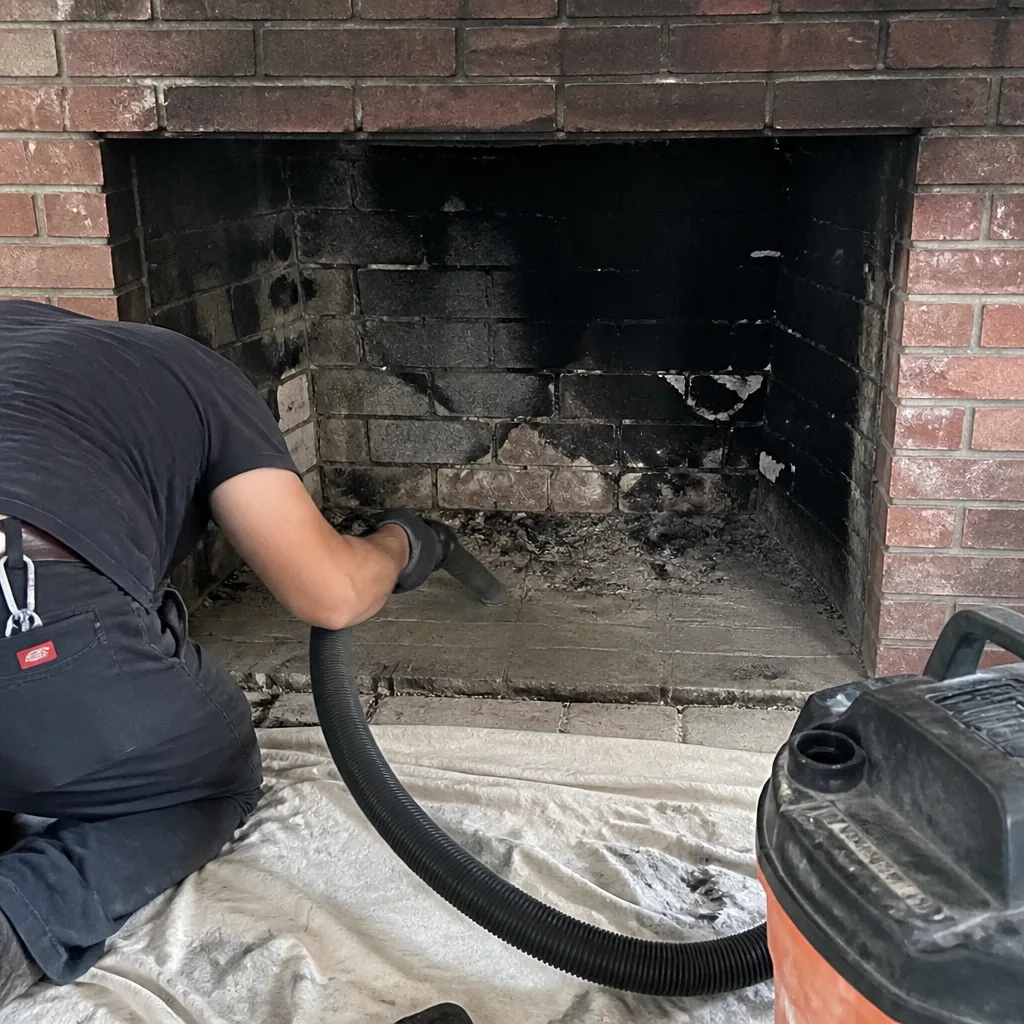 Before
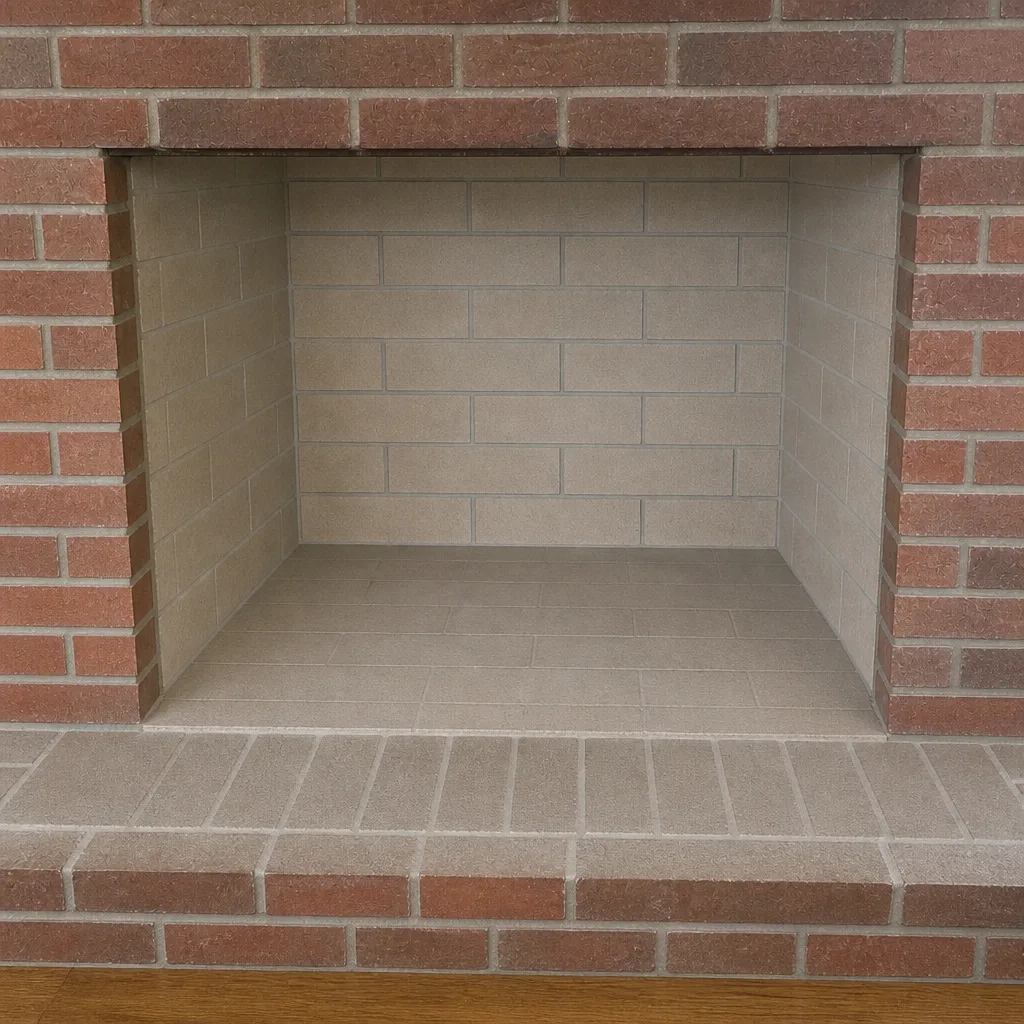 After
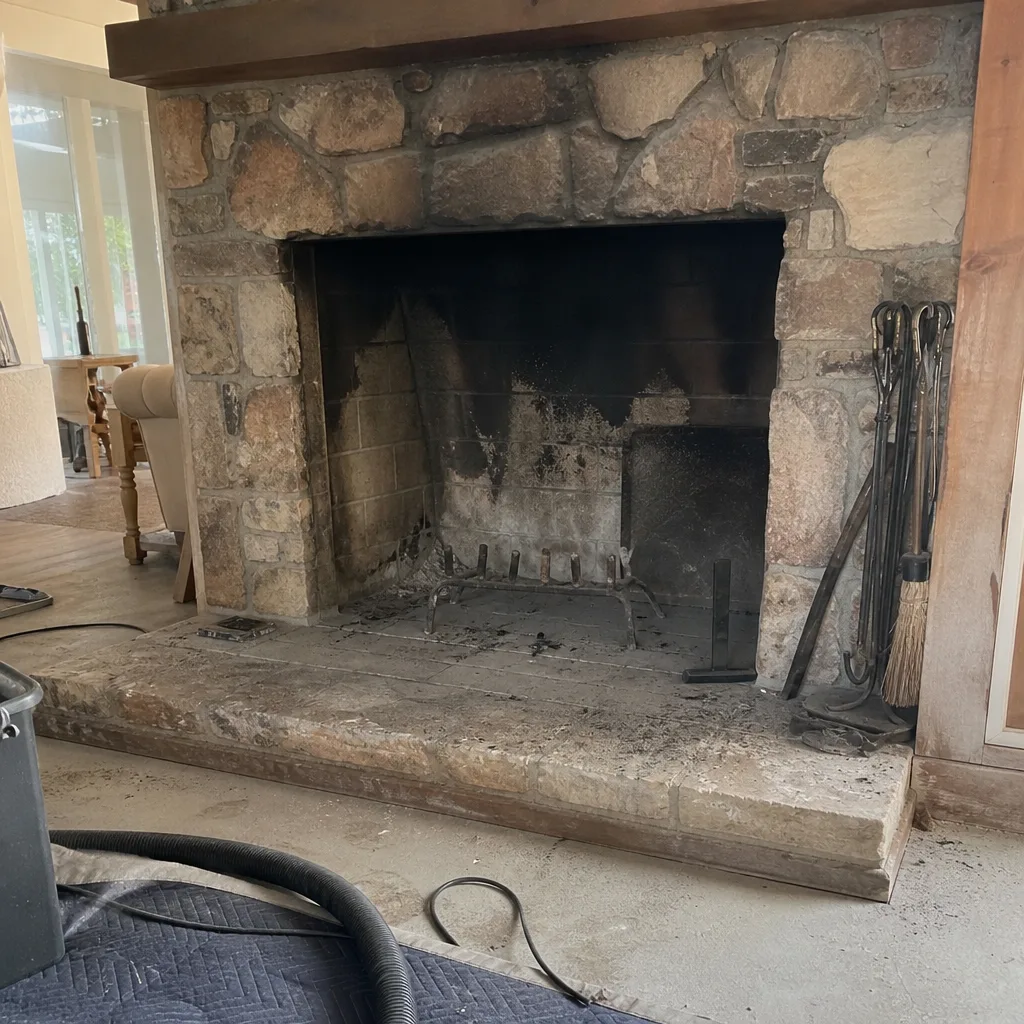 Before
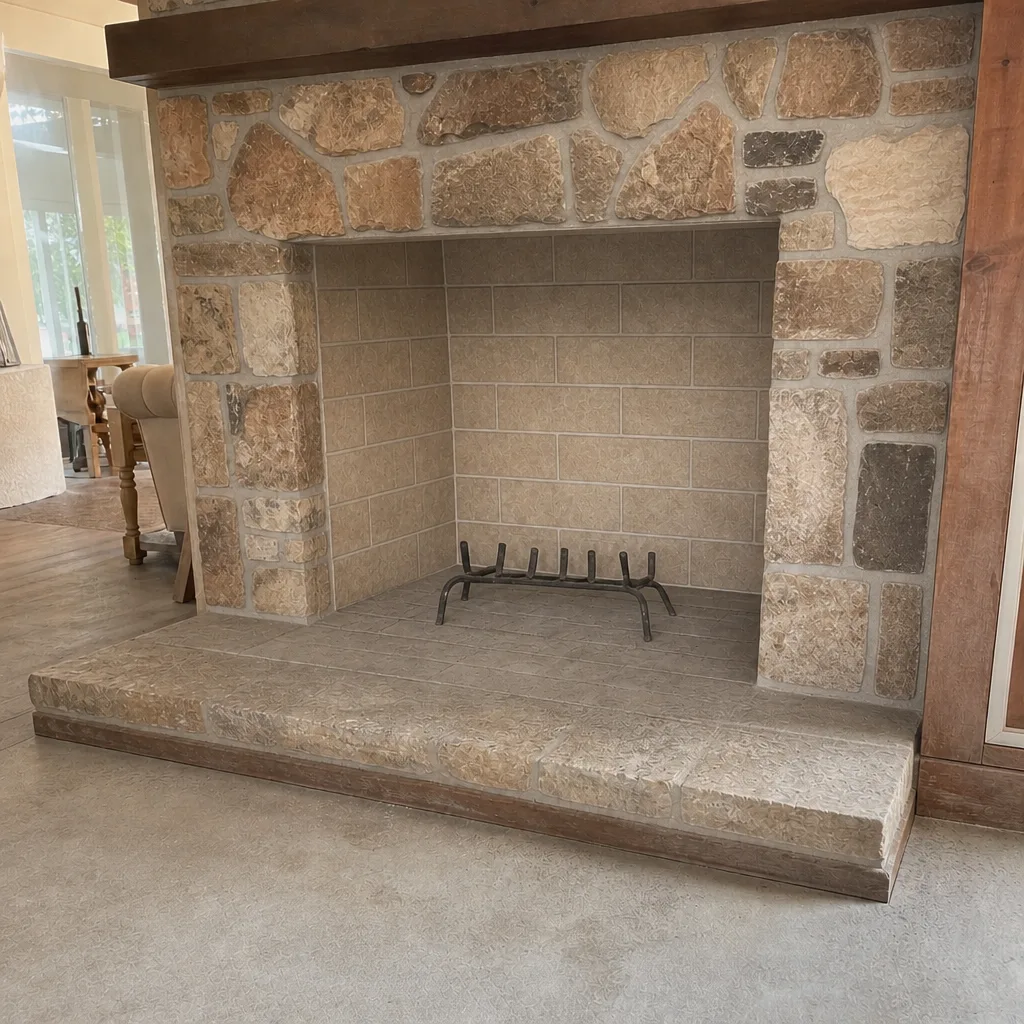 After
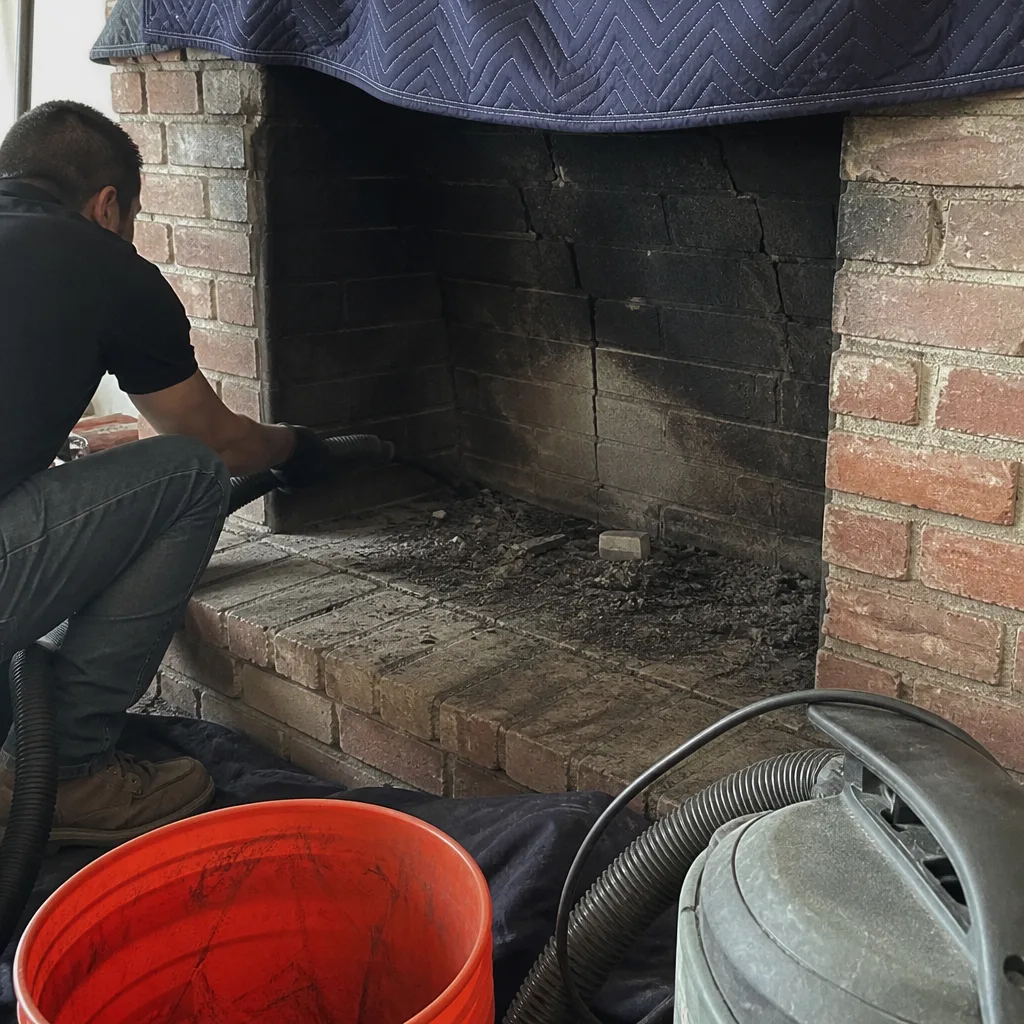 Before
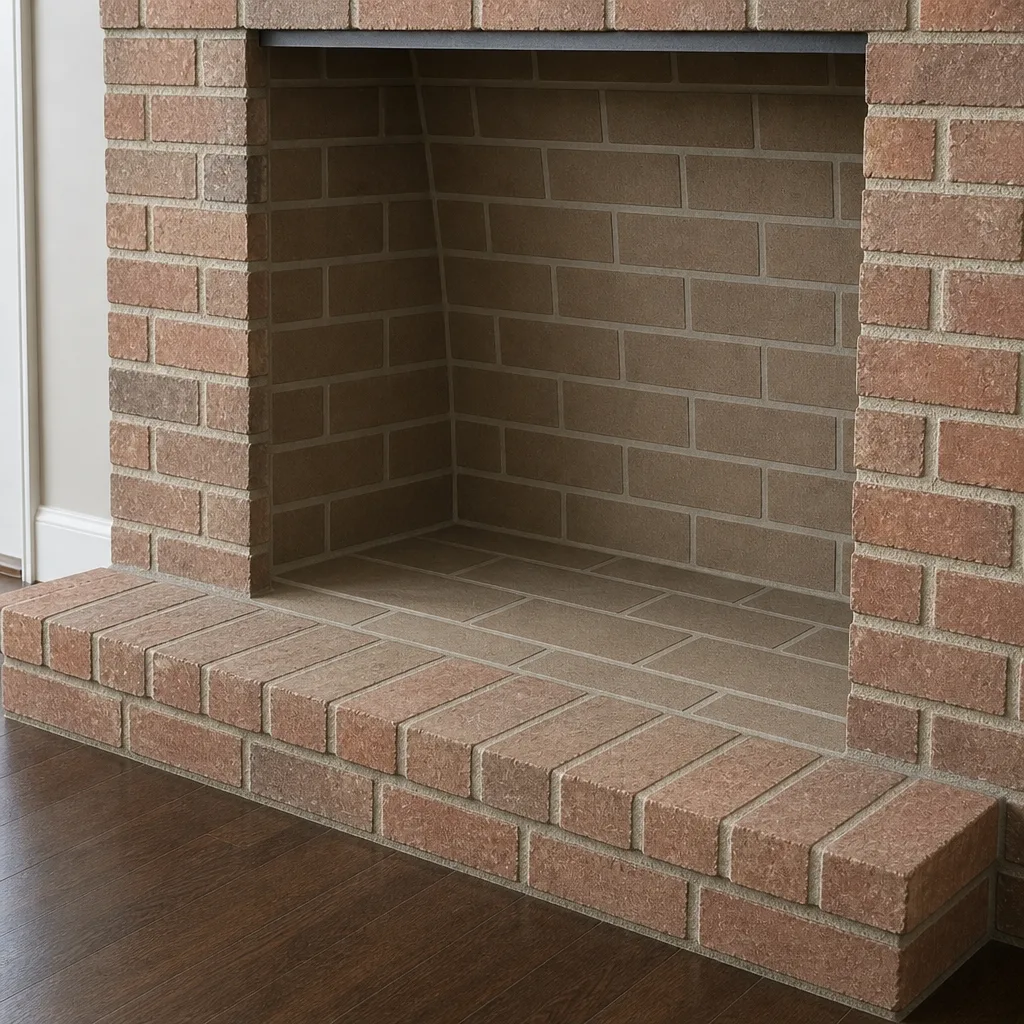 After