
Last updated November 4, 2026
 Sweep & inspection
 Caps & crowns
 Flue relining
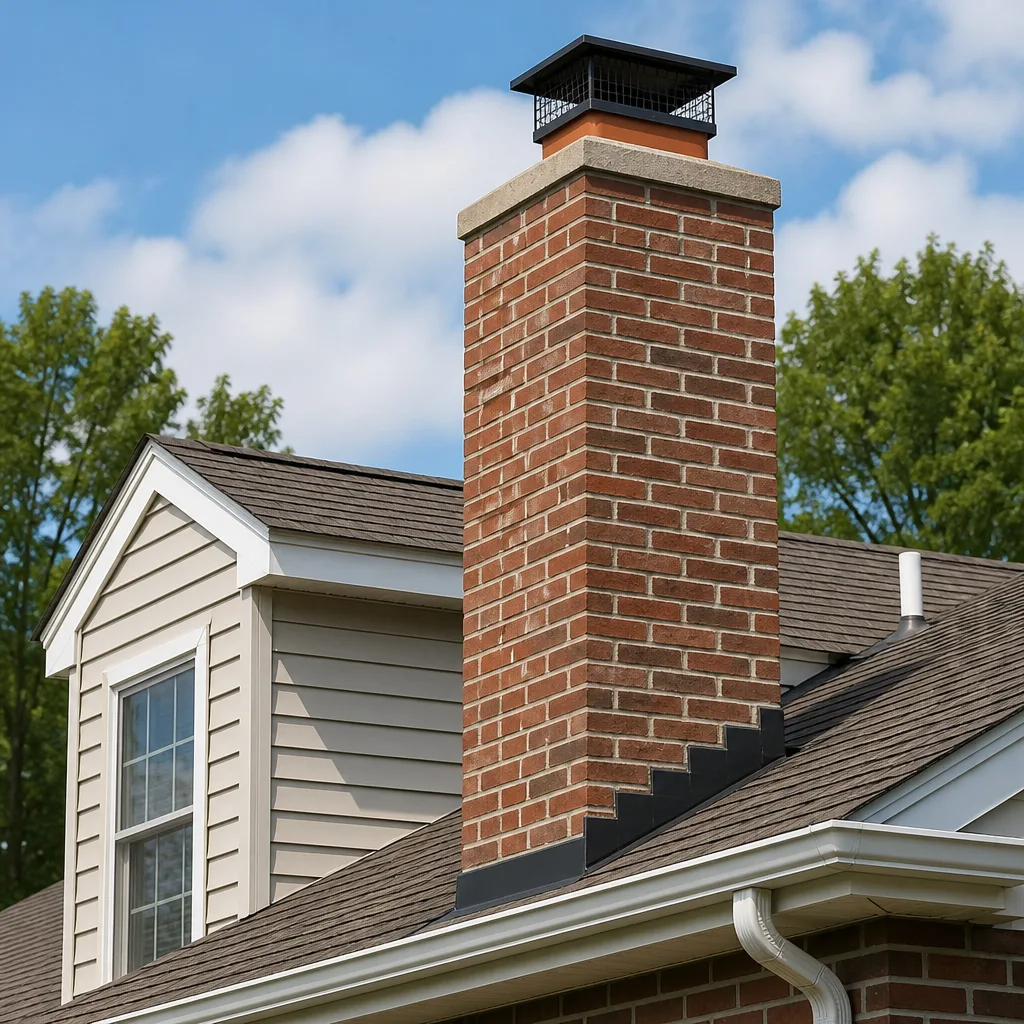 Masonry repair
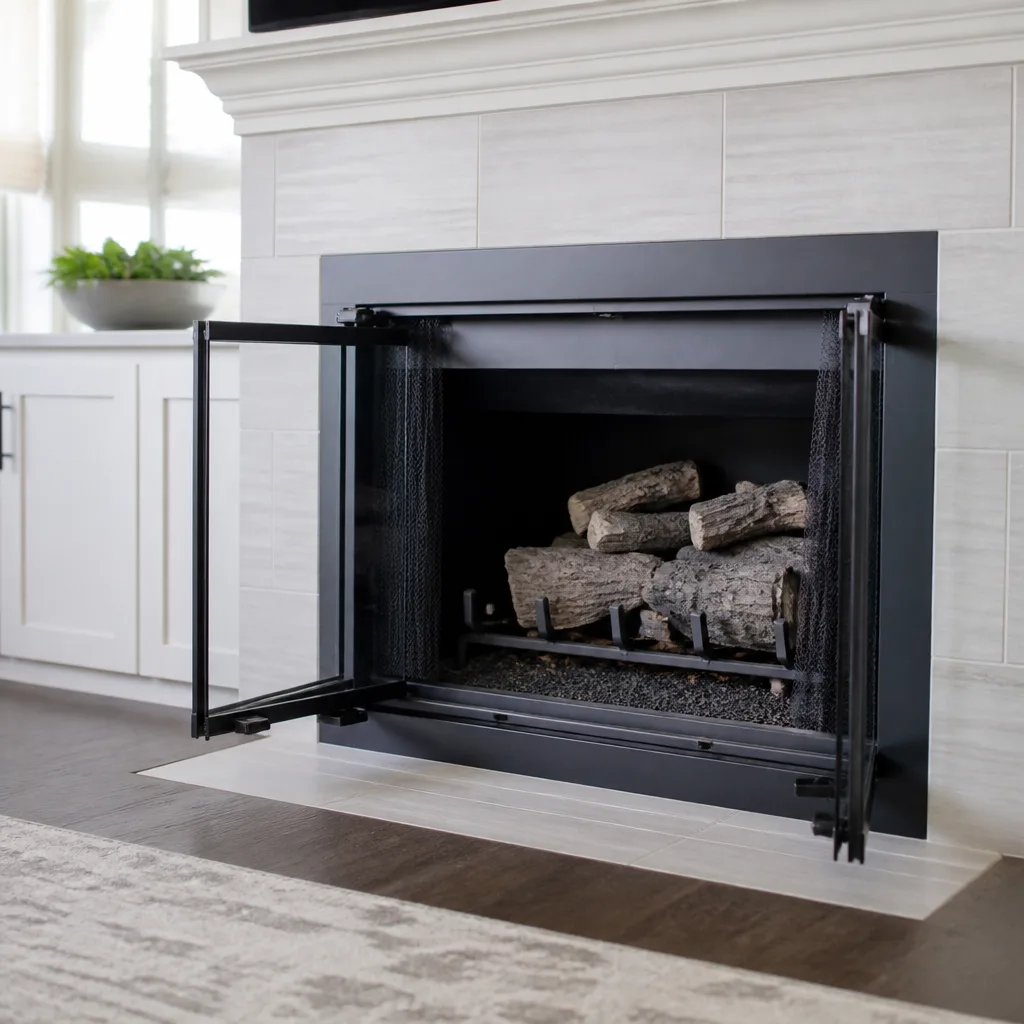 Gas fireplace service
Level 1 sweep and inspection to the NFPA 211 annual standard - flue, crown, cap, and flashing checked and photographed
Chimney sweep logs do not sweep chimneys. They loosen some creosote - which then falls where a brush and vacuum still have to collect it.
Seasonal Chimney Cleaning Care for San Clemente: Year-Round Homeowner’s Guide
Most San Clemente homeowners schedule their chimney sweep in October, right as the first Santa Ana winds arrive. That timing feels responsible, but it’s actually backwards. The highest-risk period for chimney-related fire spread in coastal Orange County runs from October through March, which means the work should already be done before those winds start. This guide explains why the calendar seasons don’t match San Clemente’s actual fire-use patterns, when you should really schedule cleaning and inspection, and how marine layer moisture creates problems most generic chimney advice never mentions.
Styles & brands we work with
- Sweep & inspection
- Caps & crowns
- Flue relining
- Masonry repair
- Gas fireplace service
Quick Answer
For San Clemente homes, the optimal chimney sweep window is August through September, before Santa Ana wind season begins in October. A professional sweep removes creosote buildup that becomes a fire hazard during high-wind events, and the same visit should include a moisture inspection for marine layer damage. Homes with wood-burning fireplaces should be swept annually; homes that use the fireplace only occasionally still need an annual inspection because San Clemente’s damp air affects mortar, crowns, and caps even when the flue stays cold.
Table of Contents
- Why October Is Too Late for San Clemente Chimney Cleaning
- How Santa Ana Winds Change Chimney Risk
- Marine Layer Moisture and Chimney Deterioration
- Dryer Vent Care Follows the Same Weather Pattern
- A 12-Month Chimney Care Calendar for San Clemente
- What a Professional Chimney Sweep Actually Includes
- Signs Your Chimney Needs Attention Before the Next Burn
- Common Mistakes to Avoid
- When to Call a Professional
- Frequently Asked Questions
- The Bottom Line
Why October Is Too Late for San Clemente Chimney Cleaning
The national chimney industry runs on an East Coast calendar. Sweep in September, burn from October through March, close up in spring. That model assumes cold winters with heavy fireplace use, which is not how San Clemente works. Our winters are mild, so most local fireplaces get used sporadically: a few evenings in November, more around the holidays, a handful of nights in January, and that’s often the whole season.
The problem is that creosote doesn’t care how often you burn. Every fire deposits creosote inside the flue, and creosote is flammable at relatively low temperatures. A chimney that hosted twelve fires last winter has enough buildup to sustain a chimney fire if conditions align. And conditions align most dangerously during Santa Ana wind events, which typically begin in October. If you wait until October to sweep, you’re scheduling the fix for the exact moment the risk peaks.
August and September are the correct pre-season window for San Clemente homes. The weather is dry, the fireplace hasn’t been used in months, and the flue is cool and stable. A sweep in late summer removes last winter’s creosote before the winds arrive. It also gives us time to identify and repair any moisture damage from the marine layer before you need the fireplace again. Homeowners who book in August get first-choice scheduling and a chimney that’s ready the first cool evening in late October.
One more thing about timing: chimney sweeps in California get booked solid in October and November. Every homeowner in the region has the same instinct to prepare for winter at the same moment. By booking in August, you avoid the rush and get a more flexible appointment window.
How Santa Ana Winds Change Chimney Risk
Santa Ana winds hit coastal Orange County from the northeast, descending through the passes and accelerating as they reach lower elevations. For a chimney, these winds create two distinct hazards: ember transport and updraft fluctuation.
First, embers. A fire burning in an open fireplace produces embers that rise with the hot gases. Under normal conditions, those embers cool before they travel far. During a Santa Ana event, sustained winds can carry live embers much farther from the chimney top. If your spark arrestor cap is missing, damaged, or clogged, embers can escape and land on roofing, dry landscaping, or neighboring properties. This is one reason building codes in wildfire-prone areas require spark arrestors on all active chimneys. In San Clemente, where homes sit close together on hillside lots, a missing cap is not a small problem.
Second, updraft. A chimney works because hot air rises and pulls combustion gases up and out. High winds at the chimney top disrupt that flow. A strong Santa Ana gust can push down the flue, forcing smoke and carbon monoxide back into the living space. A well-maintained chimney with a properly sized flue, a clean cap, and no significant creosote restriction handles this pressure better than a neglected one. But a flue that’s partially clogged already struggles with draft; add wind pressure and you get backdrafts, smoke-filled rooms, and in worst cases, carbon monoxide exposure.
Creosote levels matter more during wind season precisely because draft is less reliable. A chimney with heavy creosote burns hotter and drafts worse, which compounds the effects of wind. If you’ve noticed smoke in the house on windy nights, there’s a good chance the flue needs cleaning or the cap needs repair. In our experience, wind-related backdraft complaints in San Clemente almost always trace back to either a restricted flue or a damaged termination cap.
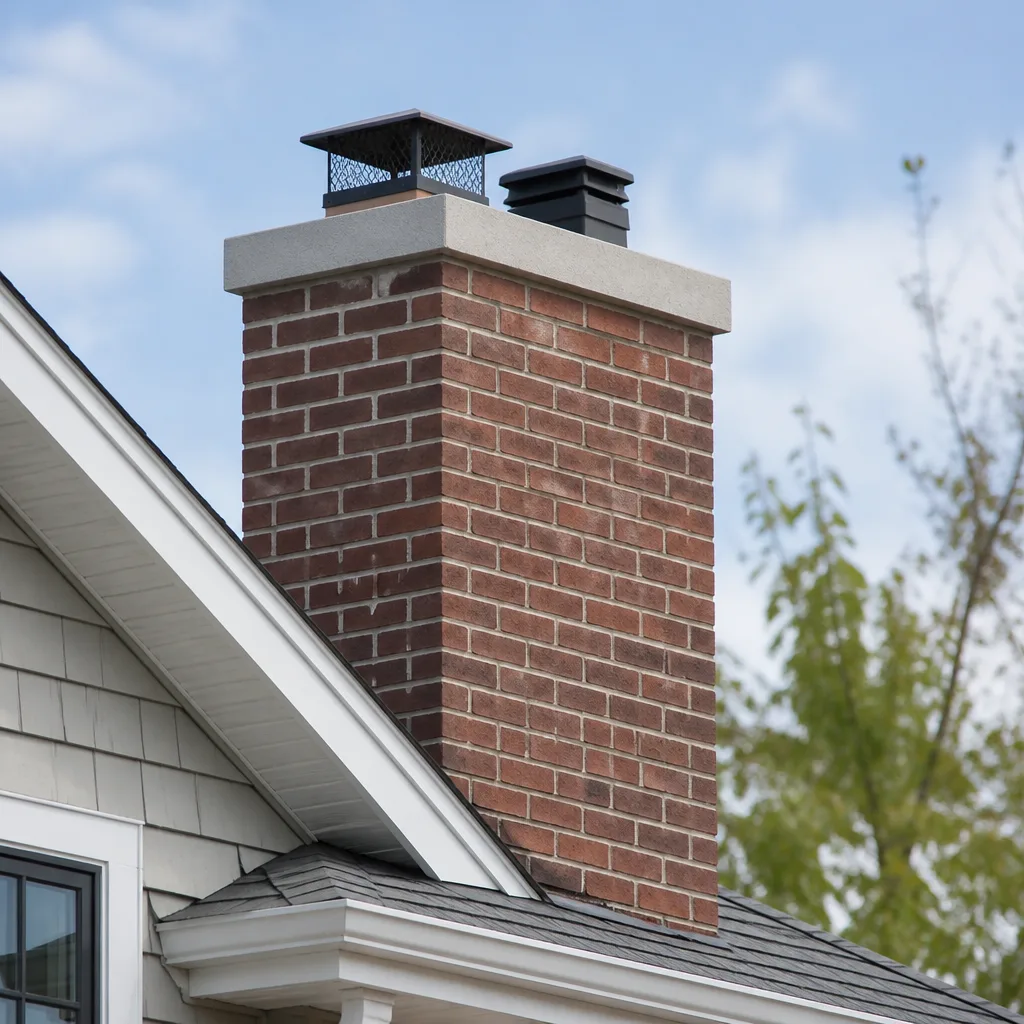
We install Gelco chimney caps for exactly this reason. Gelco caps are built with wind-resistant designs and spark arrestor mesh that holds up to sustained coastal breezes. The difference between a hardware-store cap and a professional-grade one shows up on the first windy night.
Marine Layer Moisture and Chimney Deterioration
San Clemente sits close enough to the coast that marine layer moisture is a year-round factor. Evenings and mornings bring damp air, fog, and condensation, especially from May through August. That moisture finds its way into porous chimney materials: brick, mortar, crown concrete, and cap seams. Over time, it does more damage than most homeowners realize.
The mechanism is simple. Water vapor condenses inside the chimney structure, gets absorbed by masonry, and then the midday sun dries it out. This repeated wet-dry cycle weakens mortar joints and causes micro-cracking in the crown. Once cracks form, the next round of moisture goes deeper, reaching the flue liner and the brickwork behind it. In a climate with frequent damp mornings, this cycle repeats hundreds of times per year.
The best post-winter inspection timing for San Clemente is actually late spring, around April or May. Here’s why: the winter burn season has just ended, so creosote and soot levels are at their highest, and the marine layer is about to enter its most consistent period. An inspection in April catches both problems at once – the creosote from winter burning and the early signs of moisture damage from the previous damp season. It also gives you the full summer to plan and complete any repairs before the next burn season begins.
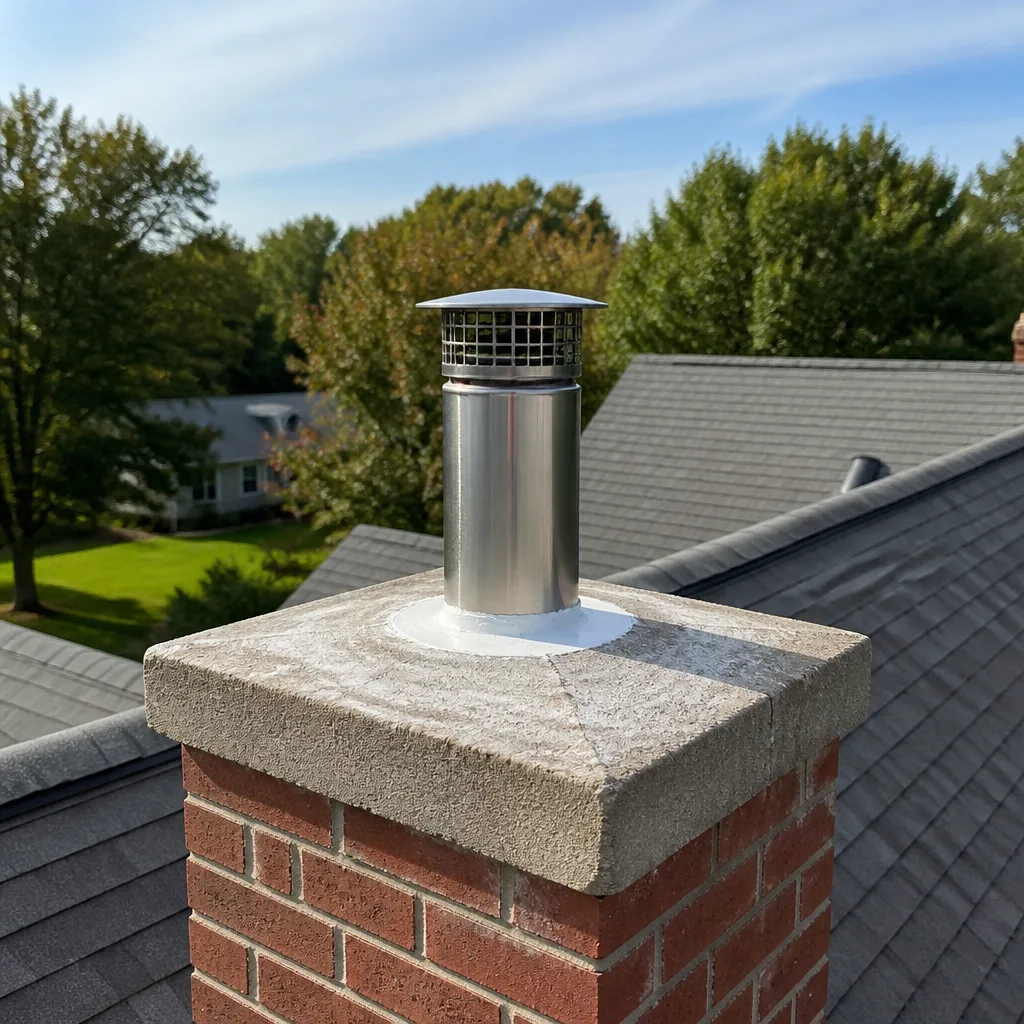
Common moisture-related problems we find in San Clemente chimneys include cracked crowns, spalling brick faces, rusted dampers, and deteriorating mortar in the top courses. A chimney cap is the first line of defense. We often recommend Gelco or Olympia Chimney caps because they’re built for exactly this kind of environment: tight seams, durable finishes, and proper sizing for local chimney dimensions. A well-fitted cap keeps rain and marine moisture out while still allowing the flue to vent properly.
For flue liners compromised by moisture or age, HeatShield resurfacing is a repair option that most sweep-only companies in the area can’t offer. Instead of a full liner replacement, which can be invasive and expensive, HeatShield restores the interior surface of the existing flue with a specialized coating. It’s a repair-first approach that saves money and downtime while restoring the flue to safe operating condition.
Dryer Vent Care Follows the Same Weather Pattern
Most people think of chimney and dryer vent cleaning as separate services, and honestly, most companies treat them that way. But in San Clemente, both systems respond to the same seasonal pressures.
Dryer vents accumulate lint year-round, but the highest-risk window is the cooler months when households dry heavier fabrics: blankets, sweaters, bedding, and winter layers. Longer drying cycles produce more lint per load, and that lint builds up faster in the vent line. During Santa Ana wind season, dry air and low humidity make lint more flammable than it would be in a humid summer. The combination of heavy lint buildup and dry, windy conditions is what makes winter dryer fires more common.
The National Fire Protection Association identifies dryer vent obstruction as one of the leading causes of residential fires, and it recommends cleaning at least annually for most households. Homes with long vent runs, multiple bends, or rooftop terminations often need more frequent attention. If your dryer takes longer than 45 minutes to dry a normal load, or if the outside vent flap doesn’t open fully during operation, the vent is likely restricted and needs cleaning.
The smart approach is to bundle dryer vent cleaning with your chimney service. Many San Clemente homeowners schedule both in late summer, before the burn and laundry seasons overlap. It’s efficient, and it addresses both major fire-hazard systems in the home at the same time. Our company offers chimney sweep and dryer vent cleaning as separate services, but we almost always end up doing both for customers who burn regularly and have an active household.
A 12-Month Chimney Care Calendar for San Clemente
This calendar reflects San Clemente’s actual climate patterns, not a generic four-season model. Use it to plan your chimney and vent maintenance throughout the year.
- January (peak burn, active Santa Ana): Burn normally. Watch for smoke backdrafts on windy nights, which signal draft problems. Check the outside vent flap on the dryer monthly.
- February (burn season continues): Monitor creosote buildup. If you burn more than twice weekly, consider a mid-season inspection. Heavy use homes sometimes need two sweeps per season.
- March (last Santa Ana events): Watch for late-season wind events. This is a good month to note any moisture staining on interior walls near the chimney, which suggests a leak that needs attention.
- April (post-winter inspection window): Schedule your post-burn inspection. Creosote levels are at their peak, and marine layer moisture is picking up. This inspection tells you what the chimney actually needs.
- May (marine layer strengthening): If the April inspection found cracks or cap damage, complete repairs now. The damp months will only worsen any existing moisture problem.
- June (marine layer at its peak): Check the chimney cap and crown from the ground with binoculars. Look for visible cracks, rust stains, or missing mortar. Don’t climb onto the roof without proper equipment and training.
- July (driest window, good repair conditions): Complete any masonry or crown repairs. Dry conditions mean repair materials cure properly and last longer.
- August (pre-season sweep window opens): Book your annual sweep. This is the single most important scheduling decision of the year. Sweeping now means you’re ready before the winds.
- September (last call for pre-season sweeps): If you haven’t swept yet, this is your last comfortable window. The flue is still cool, and scheduling is still flexible.
- October (Santa Ana season begins): Burn with confidence if you swept in August or September. If you didn’t, book now – but expect a wait. High winds plus unswept flues are a bad combination.
- November (holiday burn season): Heavy fireplace use starts. Inspect the firebox for debris before each fire. Keep the area around the fireplace clear of anything flammable.
- December (peak burn, check dryer vent): With extra laundry running, check the dryer vent flap and dry times. Consider a dryer vent cleaning if you haven’t had one in the past year.
What a Professional Chimney Sweep Actually Includes
A proper Chimney Sweep San Clemente service is more than running a brush up the flue. Here’s what a professional sweep covers, step by step:
- Interior protection: Drop cloths and barriers around the fireplace opening keep soot and dust contained. A professional sweep leaves your home as clean as they found it.
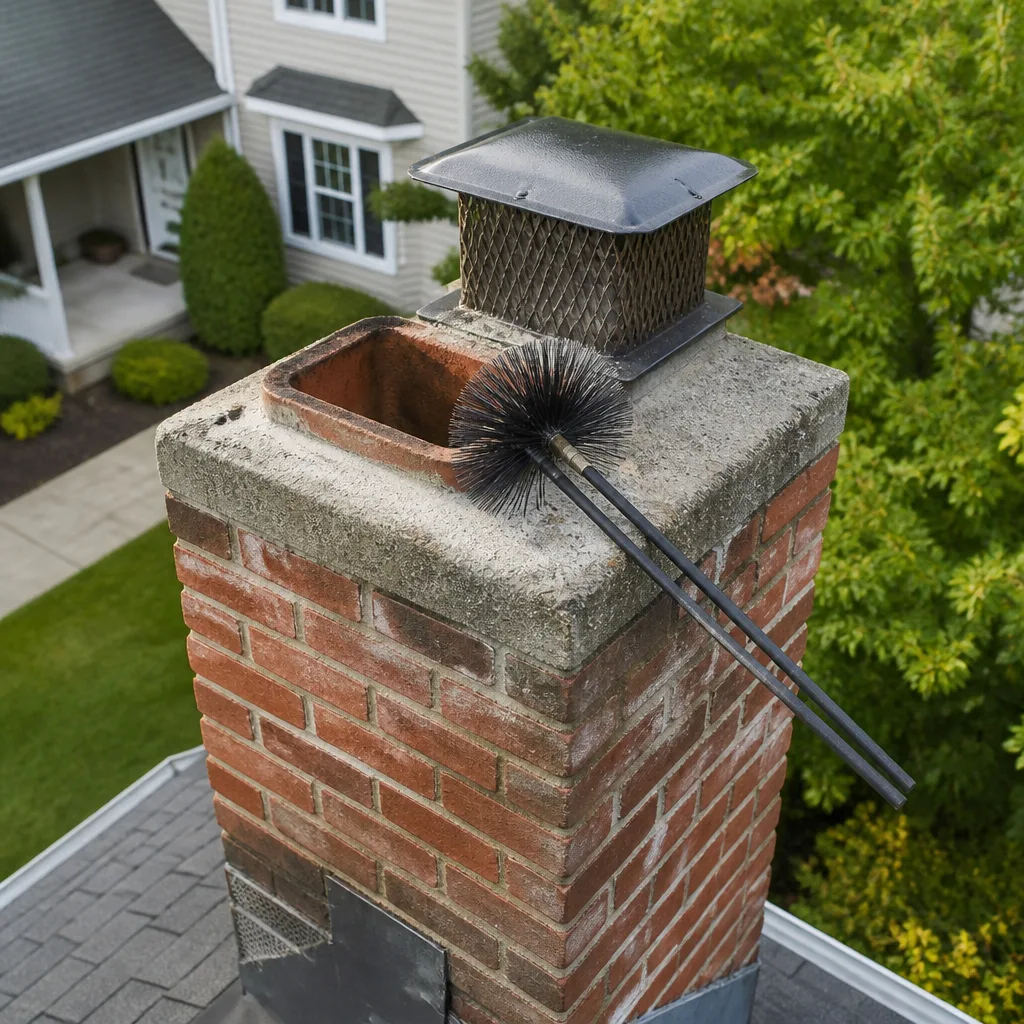
- Flue scraping and brushing: Mechanical brushes sized to your flue remove creosote from the walls. For heavier glaze deposits, specialized tools may be needed. This is the core of the service, and it’s what removes the fire hazard.
- Firebox cleaning: Ash, soot, and debris are removed from the firebox. This also gives us a clear view of the firebrick for any cracking or deterioration.
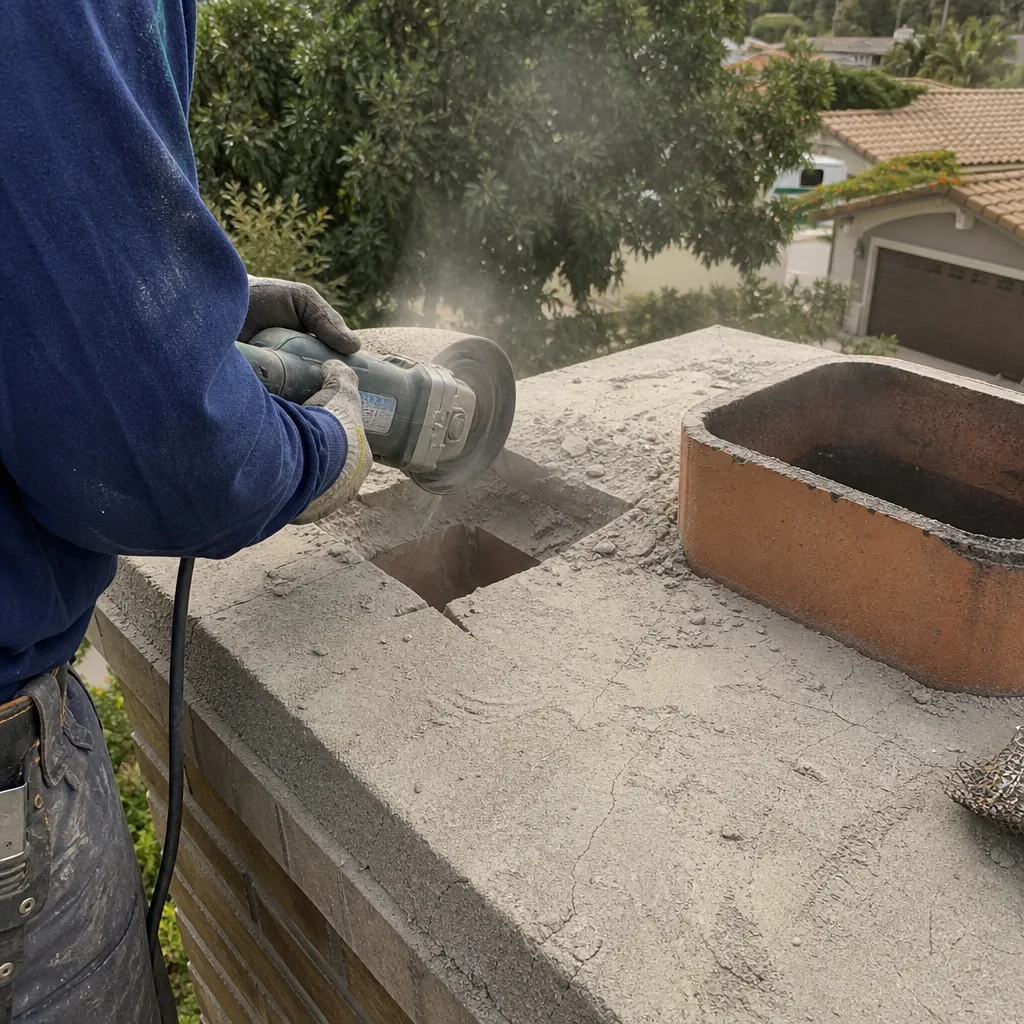
- Cap and crown inspection: The top of the chimney takes the most weather exposure. We check the cap for rust or damage, the crown for cracks, and the spark arrestor mesh for clogging.
- Flue condition assessment: Using visual inspection and, where needed, camera equipment, we evaluate the flue liner for cracks, gaps, or deterioration. This is where we identify whether a HeatShield treatment or a DuraFlex liner replacement is warranted.
- Draft testing: A simple smoke or pressure test confirms that the chimney draws properly. Poor draft can mean a blockage, a sizing problem, or a cap issue.
- Written report: You get a clear summary of what we found and what, if anything, needs repair. No vague warnings. Either the chimney is safe to burn, or we tell you specifically what needs to change.
The brands we work with matter here. DuraFlex flexible liner systems are what we install when a flue is too far gone for resurfacing. These liners are code-compliant, built for high-temperature use, and designed to last for decades. HeatShield is the intermediate option: a specialized coating that restores the interior surface of a damaged flue without a full replacement. Most sweep-only companies in San Clemente don’t offer either option. They sweep and refer out. We sweep, diagnose, and repair under one roof.
Signs Your Chimney Needs Attention Before the Next Burn
Some problems announce themselves. Here are the specific signs to watch for in a San Clemente home:
- Smoke backing into the room: This is never normal. It means the flue is restricted, the damper is malfunctioning, or wind pressure is overwhelming a weak draft. All three conditions get worse with continued burning.
- A strong campfire smell when the fireplace is cold: Creosote has a distinct, pungent odor that intensifies on humid days. If you smell the fireplace from across the room in August, the flue needs cleaning.
- Dark, tar-like residue on the damper or firebox walls: This is creosote condensation, and it means buildup is moving from the flue into the firebox. At this point, cleaning is overdue.
- White or brown staining on the exterior chimney brick: This is efflorescence, a sign that moisture is moving through the masonry. It’s a warning that cracks exist somewhere and water is getting in.
- Visible cracks in the crown from the ground: You may need binoculars. Any crack wider than a hairline will grow with each wet-dry cycle. Crown repair is far cheaper than flue replacement later.
- Rust on the cap or damper: Rust means moisture has been present for a while. The component may still function, but it’s failing and will need replacement eventually.
- Dryer takes multiple cycles to dry clothes: This is a vent problem, not a dryer problem. Restricted airflow makes the dryer work harder, wastes energy, and creates a fire hazard in the vent line.
If any of these signs are present, don’t wait for the next burn season. The problem will be worse by then, and the repair will be bigger.
Common Mistakes to Avoid
- Scheduling the first sweep in October. You’re scheduling the service for the exact moment risk peaks, and you’ll wait longer for an appointment. August or September is the right window in San Clemente.
- Assuming mild winters mean less creosote. Creosote buildup is about how you burn, not how often. A few fires per year in a mild climate still leave enough creosote to sustain a chimney fire, especially during dry Santa Ana conditions.
- Ignoring the cap because it’s “just a cover.” The cap is your defense against ember escape, marine moisture, and animal entry. A damaged or missing cap turns a small problem into a structural one.
- Skipping the post-winter inspection. Many San Clemente homeowners sweep in fall and then forget about the chimney until next fall. A spring inspection catches moisture damage while it’s still repairable.
- Treating dryer vent cleaning as optional. It’s not. Lint fires are fast, and dryer vents are the most overlooked fire hazard in most homes. Annual cleaning is the minimum for active households.
- Choosing the cheapest quote without asking what’s included. A low-price sweep that skips cap inspection, draft testing, or flue assessment leaves you with a clean flue and unknown problems. Ask what the service includes before booking.
- Burning unseasoned wood. Wet wood produces thick smoke, which condenses into creosote faster than dry wood. In a marine-layer climate, wood needs proper storage and longer seasoning time. Kiln-dried or well-seasoned wood burns cleaner and wastes less energy.
When to Call a Professional
Chimney work involves heights, confined flue spaces, and fire safety systems. If you notice any of the warning signs above, or if it’s been more than a year since your last sweep, it’s time to schedule service. Creosote removal is not a DIY job – the tools are specialized, the work is dirty, and missing a section of flue means leaving a fire hazard in place. Inspection requires experience reading the signs of moisture damage and draft problems. And any repair involving the flue liner or crown should be done by someone who works with professional-grade materials, not whatever’s on the shelf at the hardware store.
Chimney Sweep San Clemente offers free estimates in San Clemente and the surrounding area. We sweep, inspect, and repair under one provider, and we report what we find in plain terms. Call (877) 798-8489. We answer 24/7. Fast dispatch from 7am to 7pm, Sunday through Friday.
Frequently Asked Questions
Once per year is the right schedule for most San Clemente homes, even if you only burn occasionally. A yearly sweep removes creosote from the previous burn season and gives us a chance to inspect for marine layer moisture damage. Homes that burn more than twice per week during winter may need a second sweep mid-season. Call (877) 798-8489 to schedule an annual sweep – estimates are free.
August through September is the optimal window. Sweeping in late summer removes last winter’s creosote before Santa Ana wind season starts in October, and it gives you time to complete repairs before you need the fireplace again. A secondary inspection in April or May catches marine layer moisture damage from the damp season.
Yes. Every fire deposits creosote, and even a dozen fires per season can leave enough buildup to sustain a chimney fire. The bigger issue in San Clemente is moisture: the marine layer affects chimneys even when the flue is never used. Annual sweeping plus inspection is the minimum for any home with a functional fireplace.
Marine layer moisture condenses on and inside chimney materials, then dries out when the sun breaks through. This repeated wet-dry cycle weakens mortar, cracks the crown, and rusts caps and dampers over time. A properly fitted cap and regular inspection are the best defenses. If you see white staining on the chimney brick, book an inspection – that’s moisture moving through the masonry.
Pricing is set per job based on flue size, accessibility, and condition, and it’s confirmed in a written estimate before any work begins. The estimate is free. For an exact quote on your chimney, call (877) 798-8489 and we’ll schedule a visit.
We handle both. Chimney Sweep San Clemente offers sweeping, full repair capability, and dryer vent cleaning under one provider. That includes HeatShield flue resurfacing for damaged liners and DuraFlex liner installation for flues that need full replacement. If your chimney needs work, we tell you exactly what it needs and we can usually do the repair ourselves.
Yes. The lint trap catches what it can, but a significant amount of lint passes through and accumulates in the vent line. Over time, that buildup restricts airflow, overheats the dryer, and creates a fire hazard. The National Fire Protection Association recommends annual dryer vent cleaning for most households. If your dryer takes longer than 45 minutes to dry a normal load, your vent is likely already restricted.
The Bottom Line
Chimney care in San Clemente isn’t about the four seasons – it’s about Santa Ana winds and the marine layer. Sweep before October, inspect after winter, and repair moisture damage as soon as it shows up. Bundle dryer vent cleaning into your annual maintenance, because the same weather patterns that affect your chimney also affect your dryer vent. And choose a provider that can actually fix what they find, not just sweep and refer out. A chimney that’s clean but cracked is still a chimney that needs work. Get it done before the winds pick up, and you’ll burn with confidence all winter.
Written by the team at Chimney Sweep San Clemente, serving San Clemente since 2017.
See the difference
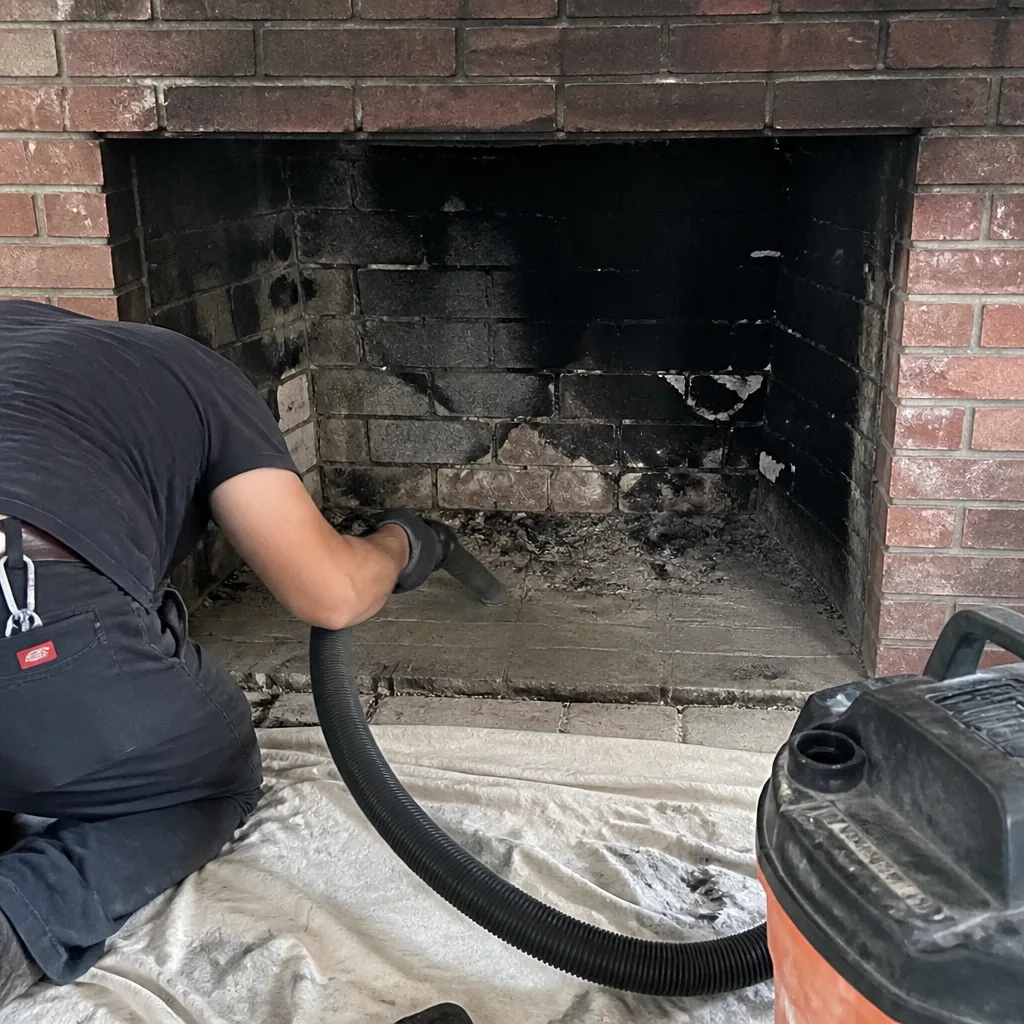 Before
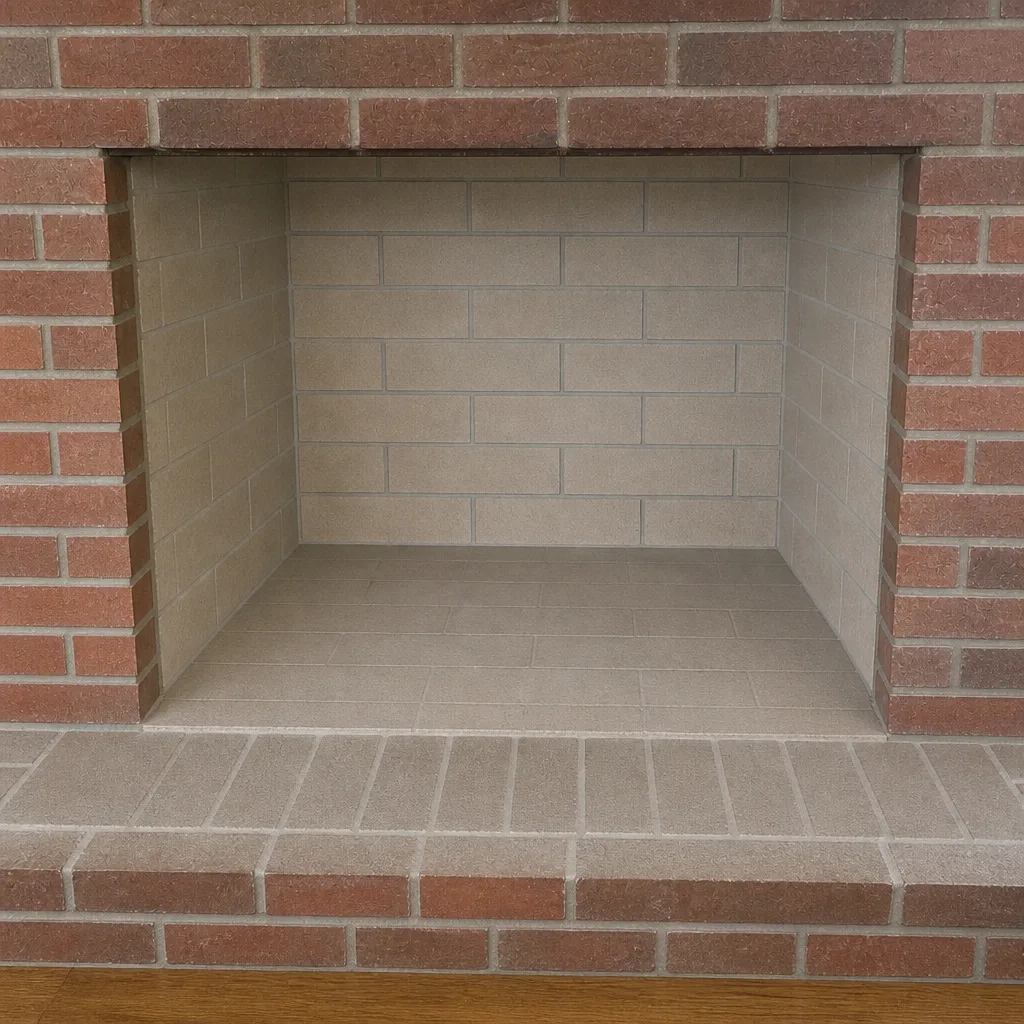 After
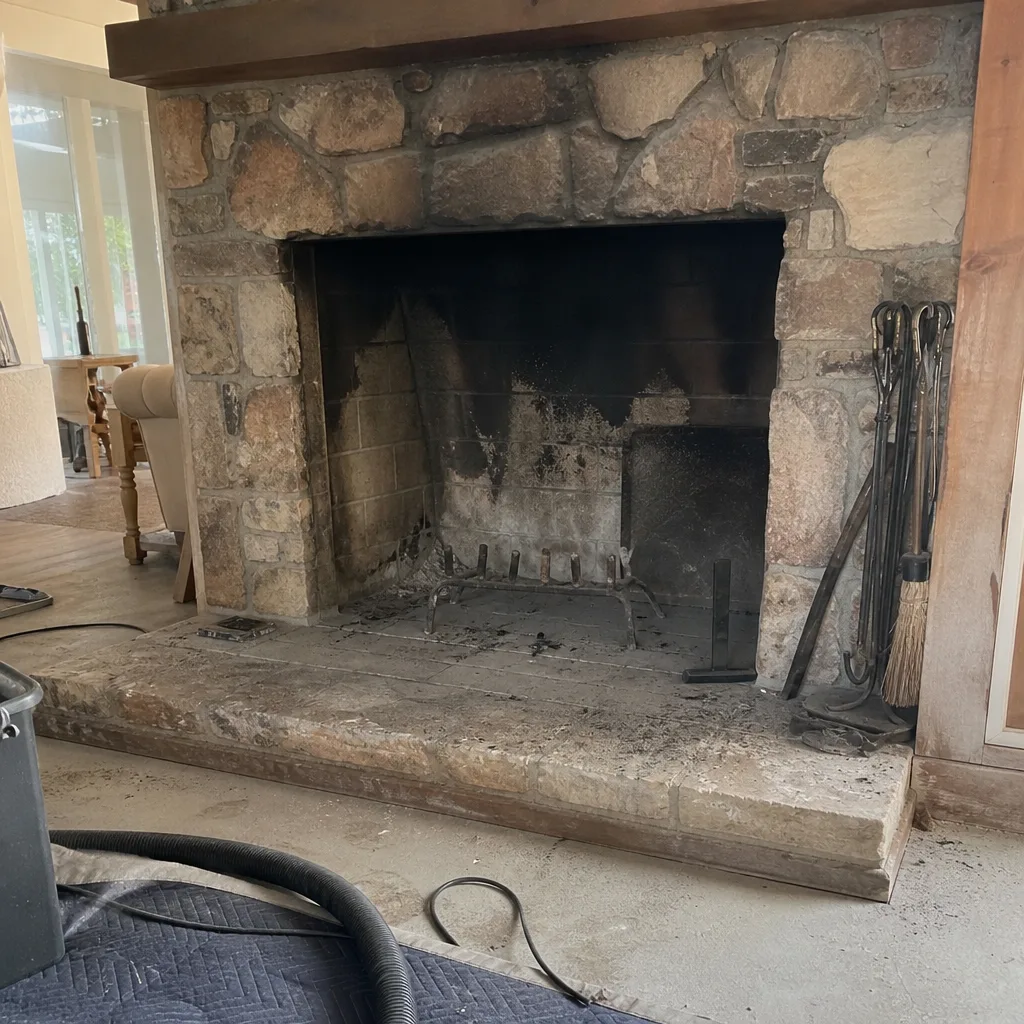 Before
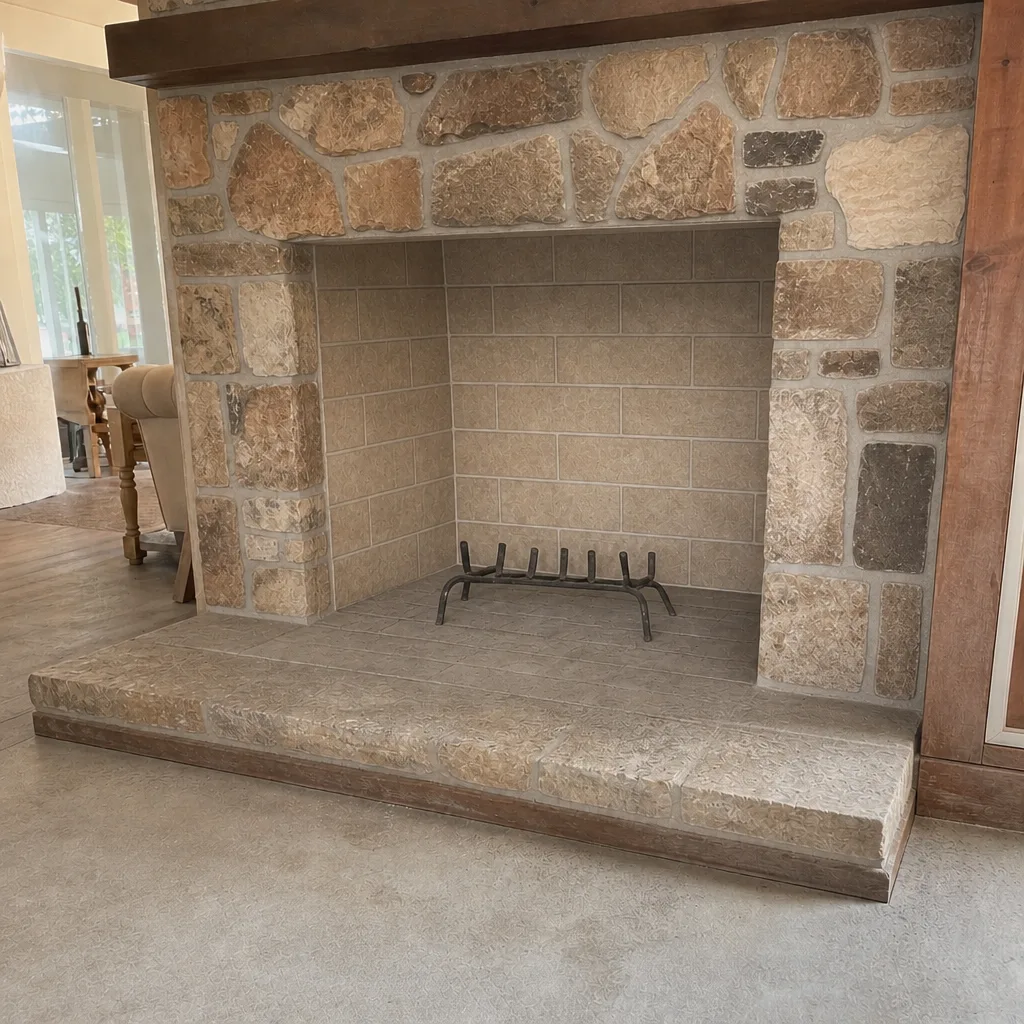 After
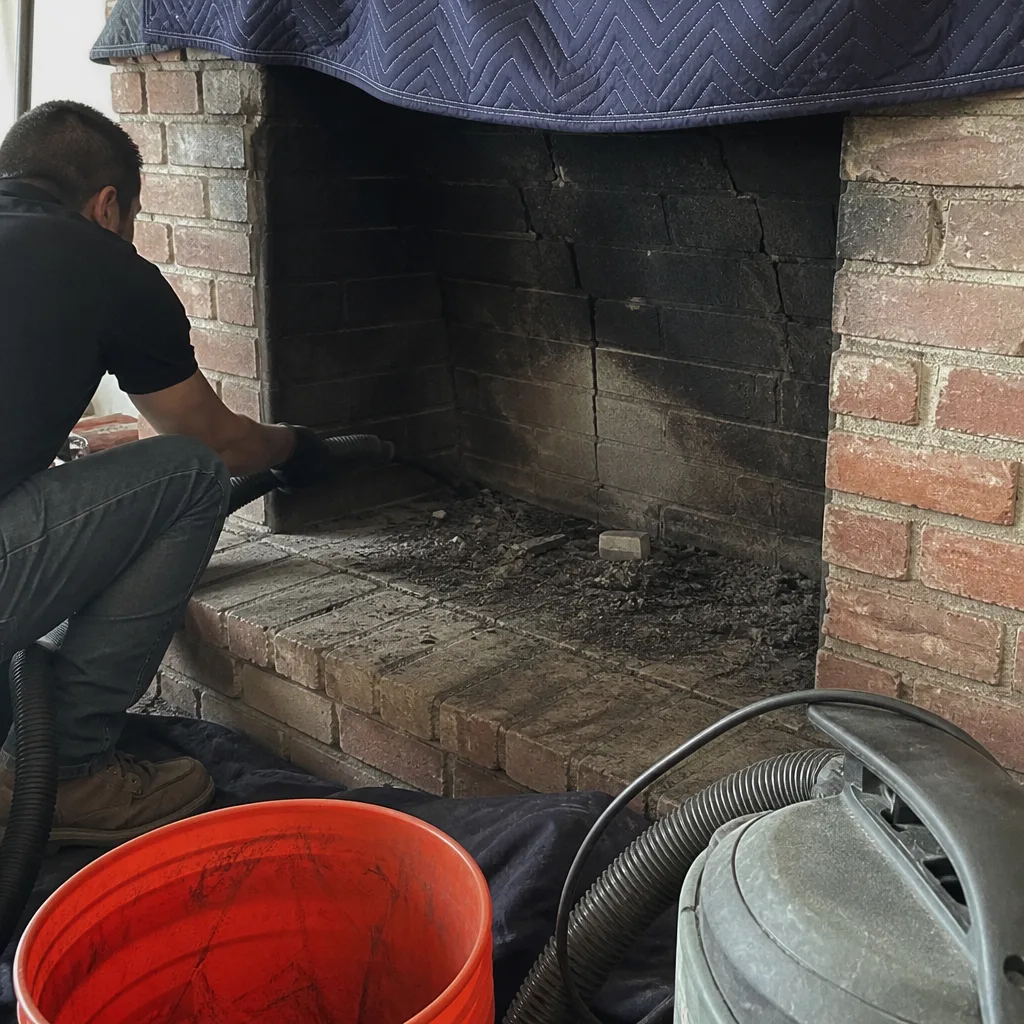 Before
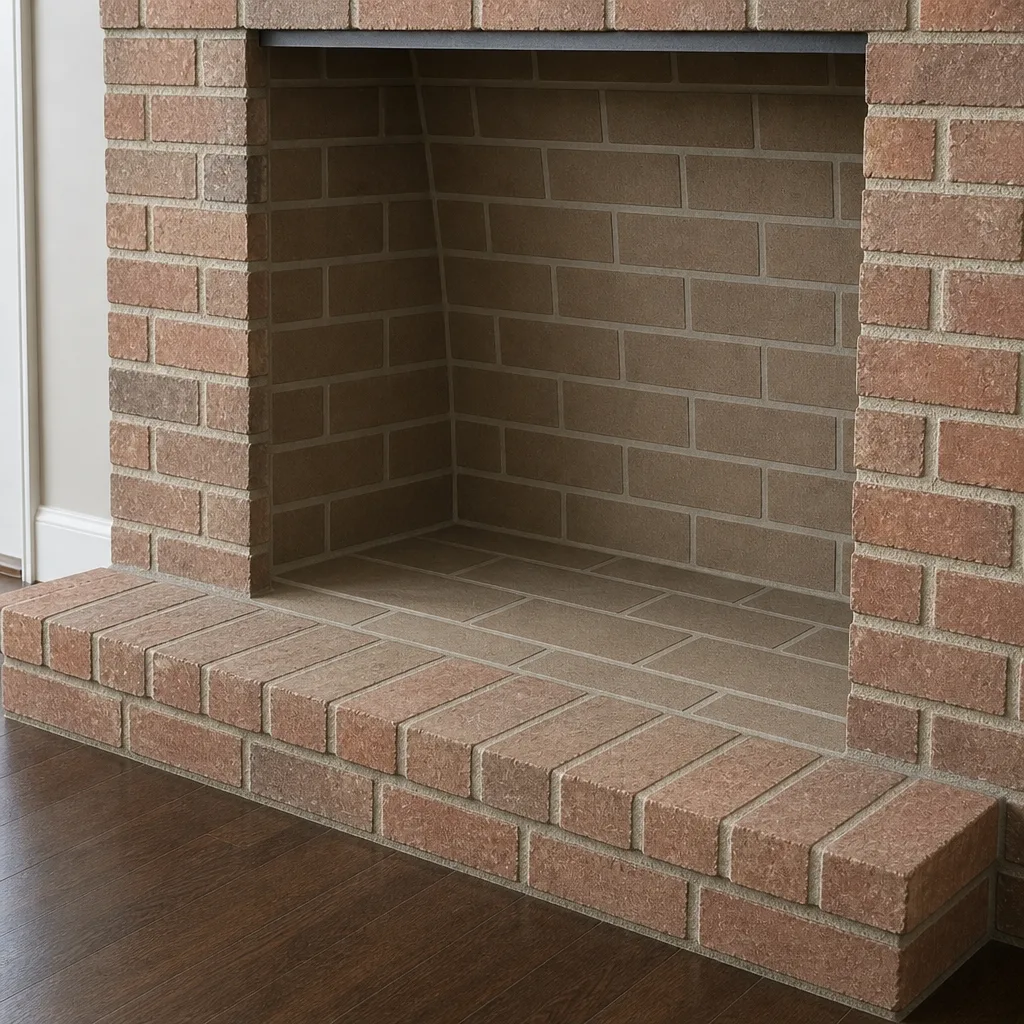 After