
Last updated November 4, 2026
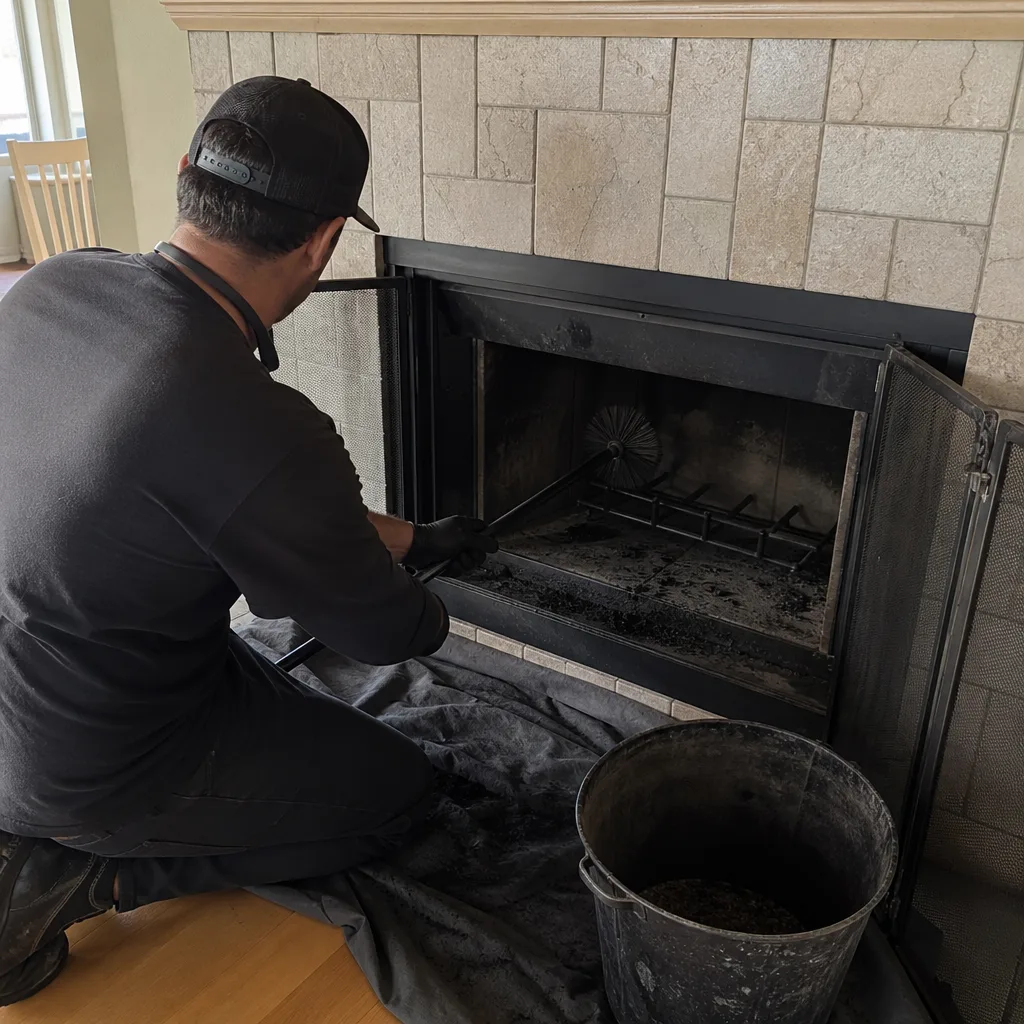
 Sweep & inspection
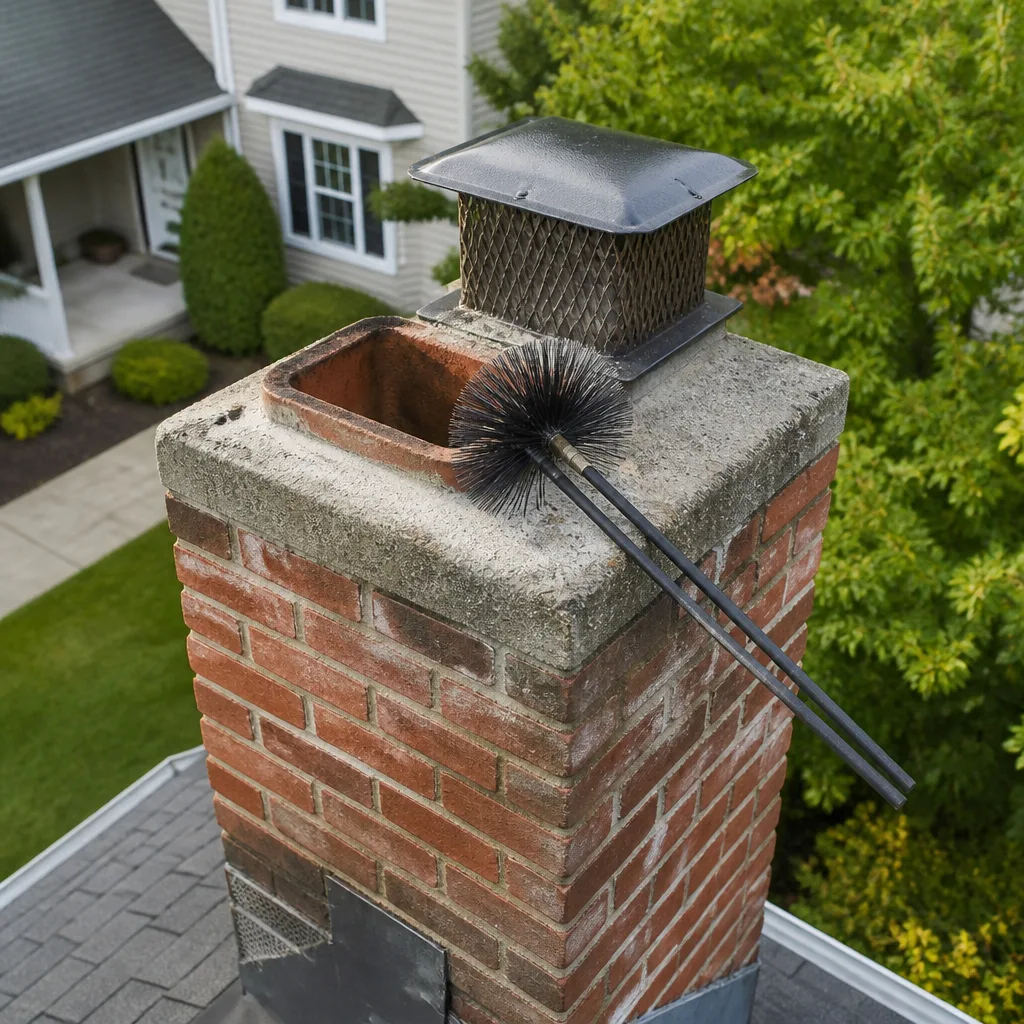
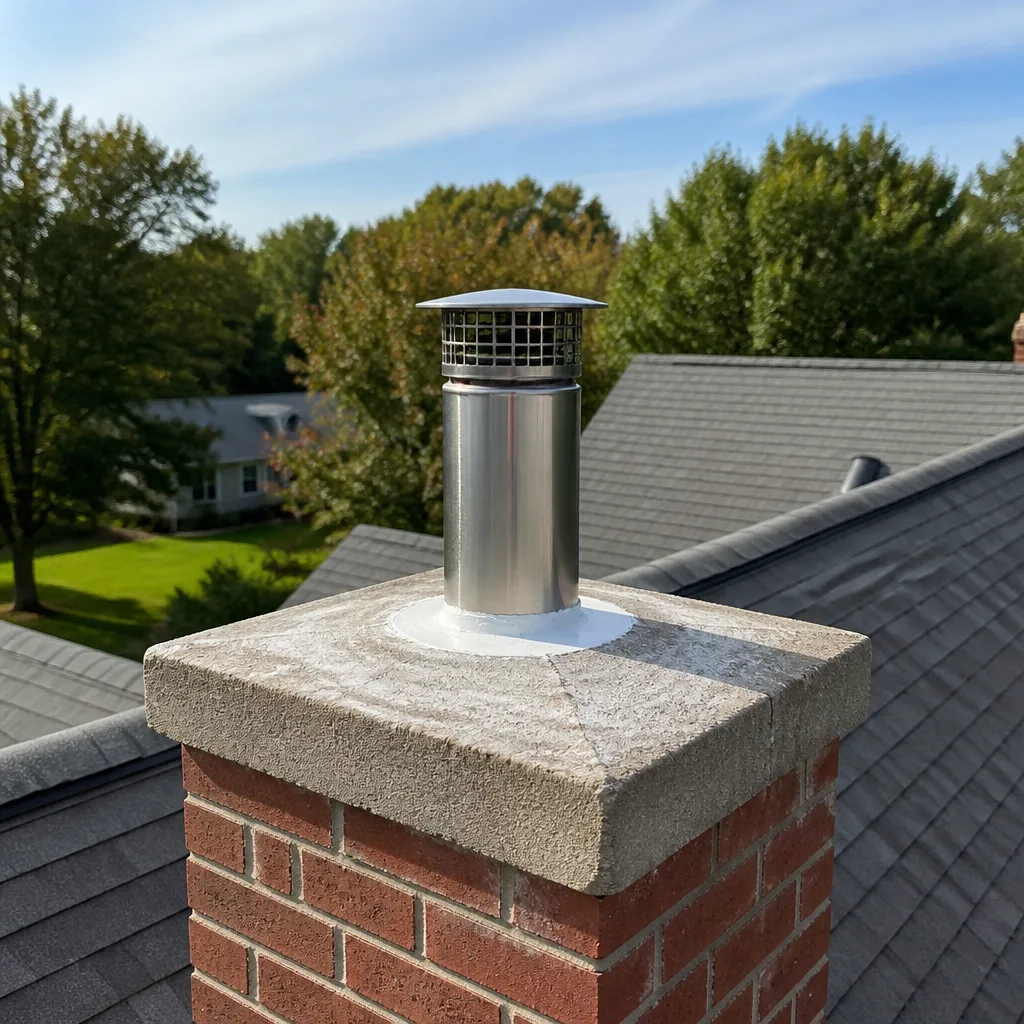
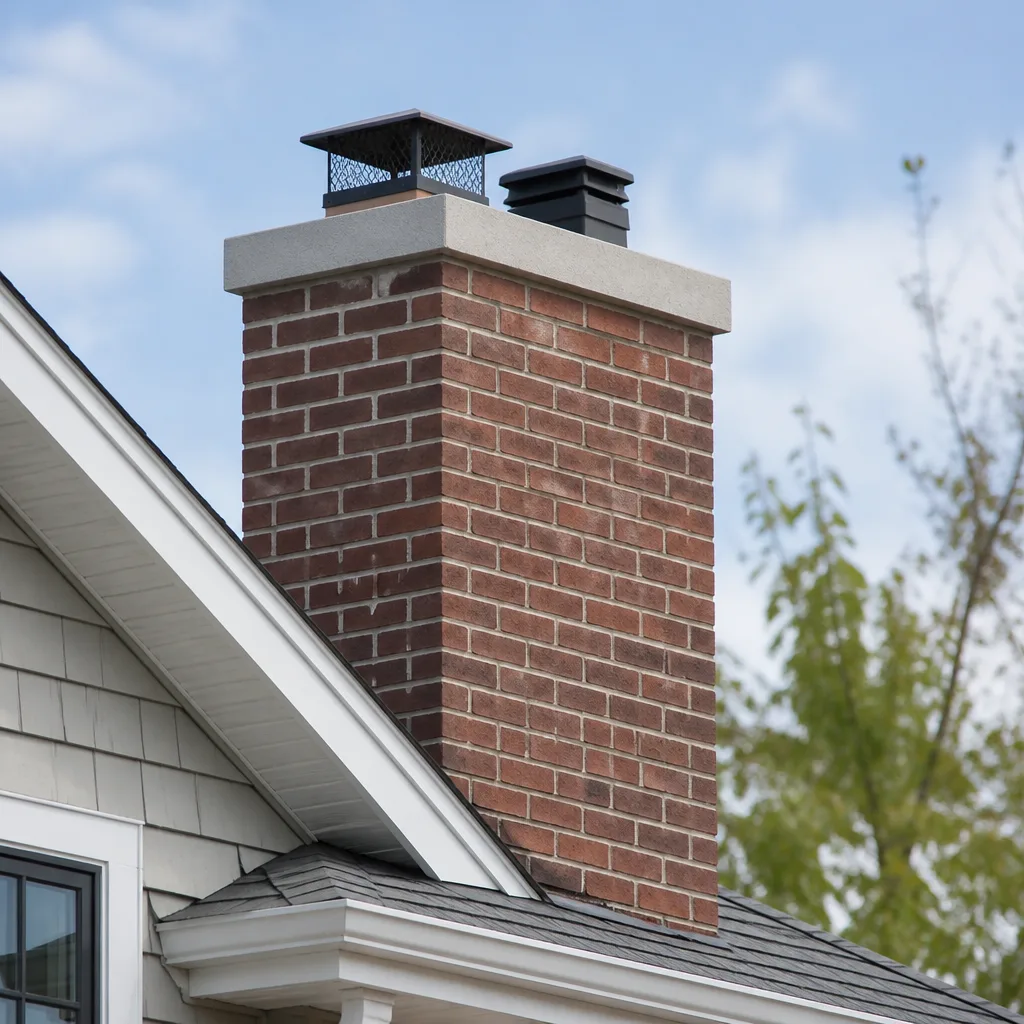 Caps & crowns
 Flue relining
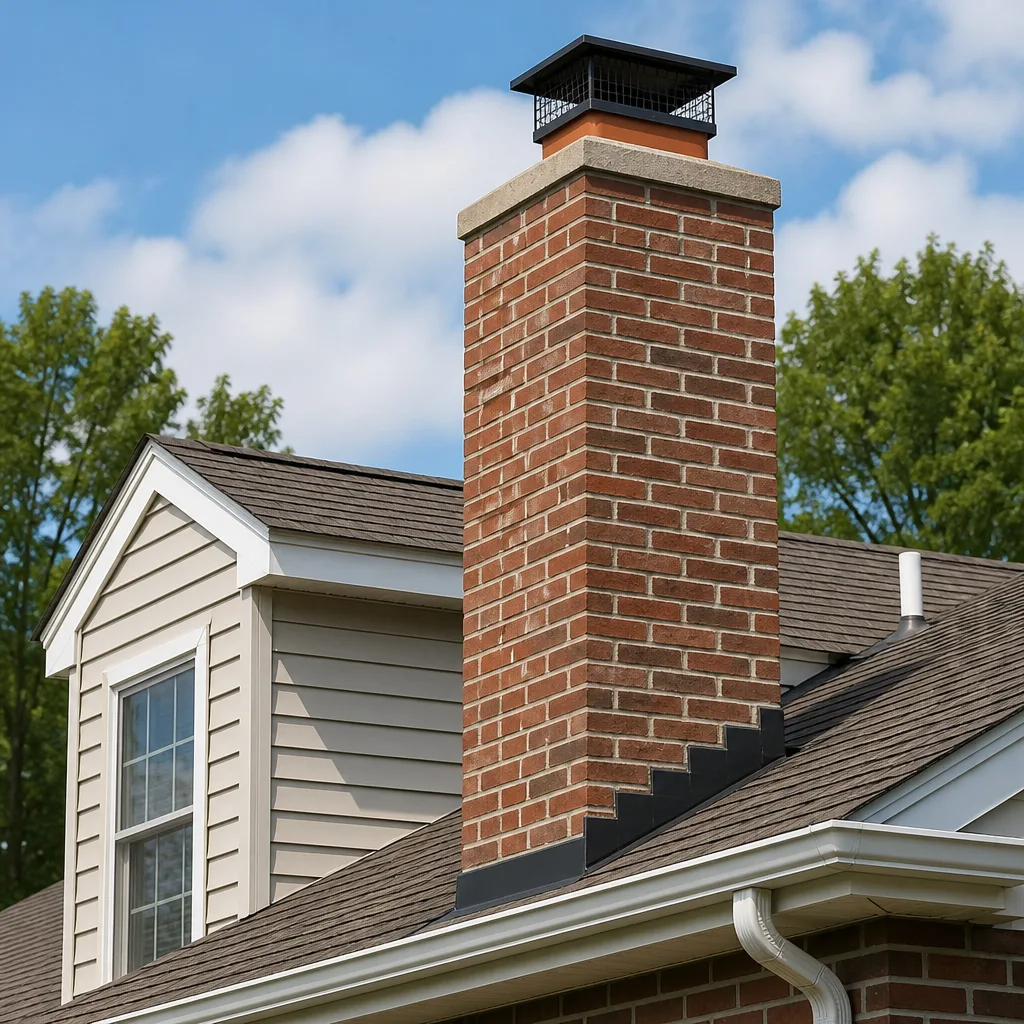 Masonry repair
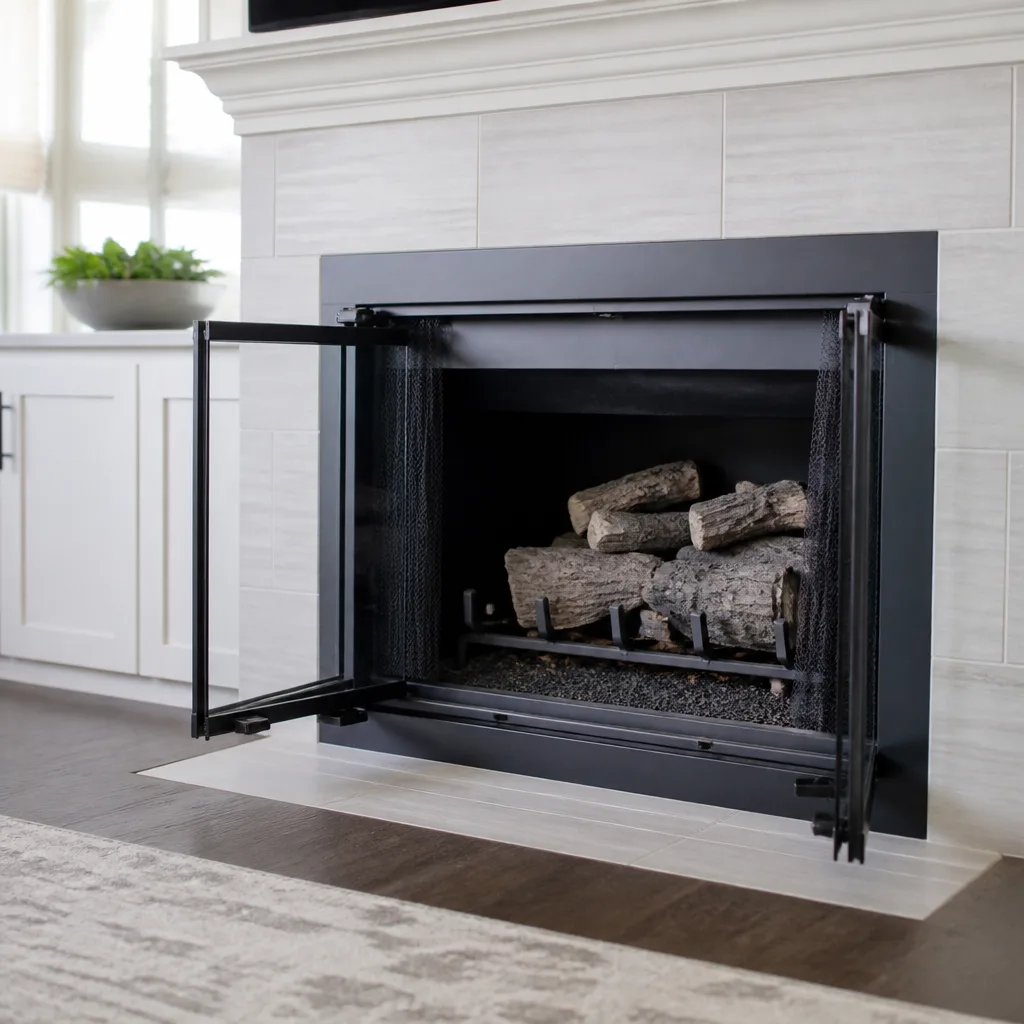 Gas fireplace service
Level 1 sweep and inspection to the NFPA 211 annual standard - flue, crown, cap, and flashing checked and photographed
Chimney sweep logs do not sweep chimneys. They loosen some creosote - which then falls where a brush and vacuum still have to collect it.
Chimney Cleaning Emergency Preparedness Guide for San Clemente Homes
Most San Clemente homeowners think of a chimney fire as something that happens in cold climates where fires burn all winter. But the risk profile here is different: you live in a coastal fire-interface zone, and during a Santa Ana event, your chimney cap and flue are part of your home’s ember defense. A compromised cap with gaps or missing mesh can let wind-driven embers enter from the top, and those same embers that ignite dry brush can find unswept creosote inside your flue. This guide explains how to inspect, prepare, and respond, so your chimney never becomes the weak point in your wildfire defense.
Quick Answer
Chimney emergency preparedness in San Clemente means three things: keeping your flue clean enough that creosote cannot sustain combustion, keeping a properly specified cap on top so wind-driven embers cannot enter, and knowing the first-10-minutes protocol if a chimney fire ever starts. You should also document your chimney’s condition in your home emergency binder, because post-fire insurance claims move faster when you can show a recent professional inspection. If you suspect a chimney fire, call 911 first, then evacuate. Do not pour water into a hot fireplace.
Styles & brands we work with
- Sweep & inspection
- Caps & crowns
- Flue relining
- Masonry repair
- Gas fireplace service
Table of Contents
- The Ember Pathway: How Santa Ana Winds Turn Your Chimney Into an Ignition Source
- First 10 Minutes: What to Do If You Suspect a Chimney Fire
- The Post-Fire Chimney Protocol: NFPA 211 Inspection Scope Before You Burn Again
- Building the Chimney Section of Your Home Emergency Binder
- Dryer Vent Emergency Context: The Other Fire Pathway in Your San Clemente Home
- Cap Specifications That Actually Stop Embers: What to Look For
- Condos, Townhomes, and Multifamily Chimney Coordination in San Clemente
- Off-Season Risks: Why a Chimney Ignored From March to October Is a Bigger Hazard
The Ember Pathway: How Santa Ana Winds Turn Your Chimney Into an Ignition Source
Santa Ana winds are a regular seasonal event in San Clemente, with sustained gusts that can carry lit embers a mile or more ahead of a fire front. Most homeowners picture embers landing on roofs or in gutters. Fewer think about what happens at the top of the chimney. A standard chimney cap with quarter-inch mesh keeps birds and large debris out, but if that mesh is rusted, warped, or missing, the flue becomes an open pipe into your home. Embers small enough to pass through damaged screen can settle onto creosote deposits inside the flue. Creosote is combustible at relatively low temperatures, and once it ignites, the confined flue acts as a chimney within a chimney, with temperatures that can exceed 2,000°F in minutes.
This is not a theoretical concern for San Clemente. The wildland-urban interface in Orange County includes neighborhoods from Talega to Forster Ranch to the hills above Shorecliffs, where homes sit against canyons and open space. The California Department of Forestry and Fire Protection publishes guidance on ember intrusion and structure hardening, and chimney opening protection is part of that framework. The fix is simple in concept: a properly fitted cap with intact spark-arrestor mesh, sized to your flue, secured so wind cannot lift it. We install Gelco caps for exactly this reason. Gelco’s product line is built for retention and spark arrest, not the flimsy sheet-metal caps you find at a hardware store. A cap that fits tightly and stays put is the difference between a chimney that sheds embers and a chimney that catches them.
What Happens Inside the Flue During a High-Wind Event
Wind does not just push embers in from the top. It changes air pressure around the home. A strong gust can push air down the flue, into the fireplace, and through the living space. If you have a thin creosote layer, you get a puff of smoke and a smell. If you have a heavy creosote accumulation, you get an ember landing on fuel. The same pressure dynamics can pull sparks from a smoldering fire back up into the flue during normal use, which is why a clean flue is not just about draft efficiency, it is about removing the fuel that embers need. Chimney sweep work in San Clemente homes routinely turns up creosote that the homeowner could not see, especially on the upper third of the flue where it builds fastest.
There is a second pathway most guides skip: the chase cover on prefabricated chimneys. If wind lifts or loosens a chase cover, or if it was never sealed correctly, embers can enter the chase and reach the exterior of the vent pipe. This is different from a masonry flue and requires a different inspection check. We look at both pathways on every visit because a San Clemente home with a prefab fireplace has a different ignition profile than one with a traditional masonry chimney.
First 10 Minutes: What to Do If You Suspect a Chimney Fire
The signs of a chimney fire are loud and specific. You may hear a roar that sounds like a freight train or a jet engine, rumbling behind the wall. You may see flames or sparks shooting from the chimney top. You may see thick, dark smoke pouring from the flue or from gaps around the fireplace surround. The fire is inside the chimney, not in the firebox, and that distinction changes everything you do next. Your goal is life safety first, structure protection second, and chimney salvage third.
- Call 911 immediately. Do not wait to see if it settles down. A chimney fire can spread into the structure through cracks in the flue liner, into the attic, and into wall cavities. Firefighters in Orange County respond to chimney fire calls regularly, and they would rather arrive while the fire is contained in the flue than after it has moved into the framing.
- Evacuate everyone from the home. Close the fireplace damper if you can reach it safely and it is not hot, but do not spend more than a few seconds on this. Close doors behind you as you leave to slow air flow.
- Do not pour water into the fireplace. Water on a hot flue liner, especially a clay tile liner, can cause thermal shock and crack the liner instantly. That crack becomes a path for fire and gases to enter the home’s structure. This is the single most common mistake we hear about after the fact.
- Do not use a chimney fire extinguisher stick unless you have been trained on it and can deploy it without delaying evacuation. A homeowner fumbling with an unfamiliar device in a smoke-filled room is a bigger risk than the benefit the device provides.
- If you can safely close the air intake and damper, do so. Cutting off oxygen reduces the fire’s intensity, but only attempt this before flames are visible at the top of the chimney and before smoke fills the room. Smoke inhalation is a faster killer than the fire itself.
- Meet firefighters outside and tell them exactly what you observed. Let them know if you have a masonry or prefabricated chimney, whether you had a fire burning, and when you last had the chimney swept. That information helps them target their suppression and check the right areas for extension.
After the fire is out, do not use the fireplace again until a full inspection has been completed. The fire may have damaged the liner, the mortar joints, the smoke chamber, or the chimney cap. Burning again on a damaged system is how second, larger fires happen. We work with San Clemente homeowners in the aftermath of chimney fires, and the inspection scope we follow is the same one the code requires: a full NFPA 211 Level 2-style assessment. Do not accept a verbal “looks fine” without documentation.
The Post-Fire Chimney Protocol: NFPA 211 Inspection Scope Before You Burn Again
NFPA 211 is the standard on chimneys, fireplaces, vents, and solid-fuel-burning appliances, and it sets the framework for inspecting a chimney after a fire event. A post-fire inspection is not the same as an annual maintenance sweep. The annual sweep is about creosote removal and basic condition checks. The post-fire inspection is about structural integrity, hidden damage, and code compliance. The difference matters because a chimney fire can compromise the flue in ways that are invisible from the firebox opening. You cannot see the upper flue from the living room, and you cannot see hairline cracks in a clay liner without the right equipment.
A proper post-fire inspection in a San Clemente home includes these steps:
- Full exterior assessment of the chimney structure. We check the cap, the crown, the flashing at the roofline, and the mortar joints. High heat can crack the crown or separate the flashing, creating water intrusion paths that get worse over time. This means getting on the roof or using a drone with a visual inspection camera, not just looking up from the yard.
- Interior flue inspection with a video scan. We run a camera through the flue from bottom to top, documenting cracks, spalling, missing mortar, and creosote deposits that survived the fire. The video record matters for insurance claims: it shows the condition of the flue with a timestamp, which is evidence an adjuster cannot dismiss as opinion.
- Smoke chamber and damper check. The smoke chamber is the transition zone above the firebox, and it is a common place for fire to push through if the parging is degraded. The damper needs to open and close fully and seat correctly.
- Combustible clearance verification. We check the distance between the chimney and any framing, insulation, or roofing material. Older San Clemente homes may not meet current clearances, and a fire event often reveals where heat was already migrating.
- Liner integrity assessment. If the flue liner is cracked or compromised, the chimney cannot be used safely. This is where a repair path matters. Many chimney companies can sweep, but if they find a damaged liner, they refer you to a mason and you start over with another company. We handle liner repair in-house, including HeatShield resurfacing. HeatShield is a professional chimney restoration system applied inside the flue to restore structural integrity and fire resistance. If the damage is beyond resurfacing, we install DuraFlex liner systems, which are code-compliant stainless steel liners built for longevity, not a patch job.
The inspection scope is the same regardless of how severe the fire seemed. A short chimney fire with no visible flame may have done real damage. A loud, roaring fire may have been louder than it was hot. You cannot tell from sound alone, and guessing wrong means your next fire could ignite framing that is already heat-damaged. If you have already had a fire event, San Clemente homes should not wait until the next burn season to schedule the post-fire inspection. The flue condition is now an open question, and every week of delay is a week where hidden damage can worsen from moisture movement or normal thermal cycling.
Building the Chimney Section of Your Home Emergency Binder
Emergency preparedness in Southern California often focuses on go-bags, evacuation routes, and defensible space. Chimney documentation rarely makes the binder, and that is a mistake. If a wildfire, chimney fire, or home fire involves your chimney, your insurance claim moves faster when you can produce documentation that shows the system was maintained and inspected. An adjuster who sees a history of professional sweeps and a recent inspection report is looking at a homeowner who did everything right. That changes the tenor of a claim.
Here is what goes in the chimney section of your binder:
- The most recent chimney sweep report. This should show the date, the creosote level found, what was removed, and any condition notes. Keep the original, not a photograph of a photograph. We provide a written report after every sweep, and homeowners who keep them make our job easier when they call with questions months later.
- Any inspection report with photos or video references. If you have had a Level 2 inspection, keep the full report. The photo documentation is especially valuable because it shows what the flue looked like at a specific point in time.
- A dated list of any repairs or component replacements. Liner relining, cap replacement, damper repair, crown sealing, chase cover replacement. Include the brand and product where you know it. “DuraFlex liner installed” tells an adjuster more than “chimney fixed.”
- The manufacturer documentation for your fireplace or stove. If you have a prefabricated fireplace, the manufacturer tags and installation manual matter more than you think. They define the required inspection intervals and clearance specifications for that specific unit.
- Photographs of the chimney system. Take current photos of the cap, the crown, the exterior masonry or chase, and the firebox. Dated digital photos create a baseline. If a fire event occurs, you can show what condition the system was in before it.
- Defensible space and ember-resistance measures. While this is not chimney-specific, it belongs in the same section because it establishes the context. A chimney inspection report that notes a properly installed ember-resistant cap sits alongside documentation that you cleared brush and maintained vents. Together they tell a complete story of wildfire preparedness.
One thing many San Clemente homeowners miss: take the binder with you when you evacuate. The documentation does no good in a desk drawer if the fire reaches the home. A cloud backup or a photo of each document on your phone is a reasonable supplement, but keep physical copies in a fire-safe box near your go-bag. We have talked to homeowners after fire events who had to reconstruct months of records from memory, and it adds stress to an already hard process.
Dryer Vent Emergency Context: The Other Fire Pathway in Your San Clemente Home
Your chimney is not the only exhaust system that can catch fire. Dryer vents are classified alongside chimneys in California fire safety guidance for a reason: lint is finely divided, highly combustible, and builds up inside a vent run the same way creosote builds inside a flue. The National Fire Protection Association estimates that clothes dryers are involved in thousands of structure fires annually, and the leading factor is failure to clean the vent. In a wildfire context, a dryer vent that terminates outside the home is also an ember entry point, though it is a smaller one than an open chimney flue. The vent flap should close fully when the dryer is not running, and the duct should be metal, not flexible foil or vinyl.
Dryer vent cleaning is a core service for us, not an add-on we mention after the chimney job. The connection to emergency preparedness is direct: a clogged dryer vent forces the dryer to run hotter, the lint inside the duct reaches its ignition point, and the fire travels along the duct inside the wall cavity. This is a fire that starts inside the home, not outside, and it can happen any month of the year. In our experience with San Clemente homes, the worst lint blockages are often in longer vent runs, like those that travel through a slab or up through a second-floor wall to the roof. Those runs trap lint at the elbows and at the termination point, the places a visual check from the laundry room cannot see.
Include the dryer vent in your emergency binder documentation. A dated dryer vent cleaning report shows that the entire ventilation system, not just the chimney, was maintained. That matters in a fire claim because an adjuster investigating a dryer fire will ask when the vent was last cleaned. Homeowners who cannot answer that question start the claim from a weaker position.
Cap Specifications That Actually Stop Embers: What to Look For
Not all chimney caps are built to do the same job. The standard cap you buy at a hardware store is typically galvanized steel with a mesh screen and a basic hood. It will keep out birds and rain for a season or two, then the mesh rots, the hood warps, and the cap becomes a liability. In a wildfire-prone area like San Clemente, the cap is a safety component. You want a cap chosen for the specific threat profile: wind-driven embers, high gusts, and long dry seasons.
Here is what to look for:
- Corrosion-resistant material. Stainless steel or copper lasts longer and holds its shape in wind. Galvanized steel is the economy option, and it wears out. We stock and install caps from Gelco and Olympia Chimney. Gelco caps are built for retention and spark arrest, with design features that help keep the screen intact under wind load. Olympia Chimney produces a range of caps and termination systems that we use when a homeowner wants a specific aesthetic or needs a custom fit for an unusual flue.
- Proper mesh size. The spark-arrestor mesh should be sized to stop embers without clogging. Standard mesh is typically fine enough to stop embers from a wildfire while allowing adequate draft. If the mesh is too fine, it clogs with creosote and reduces draft. If it is too coarse, it lets embers through. A professional can verify that your cap mesh meets current standards for spark arrest.
- A secure fit. The cap should be attached so that wind cannot lift it or shift it off-center. A cap that sits loosely on the flue tile is a cap that becomes a missile in a Santa Ana event. We secure caps mechanically, not with a bead of caulk and a prayer.
- Condition of the cap base and flue tile beneath it. A great cap on a crumbling flue tile is a partial fix. The flue tile needs a solid top surface for the cap to clamp onto, and if it is spalling, the cap will eventually work loose.
If your current cap is older than a few years, have it checked during your next Chimney Sweep San Clemente visit. The inspection takes minutes on the roof, and the cost of replacing a worn cap is small compared to the damage an ember intrusion can cause. Most homeowners never think about their cap until something goes wrong, and by then the fire may have already started.
Condos, Townhomes, and Multifamily Chimney Coordination in San Clemente
San Clemente has a substantial share of attached housing, from newer condos to older townhomes with shared chimney structures. If you live in a multifamily building, your chimney preparedness is only as good as the building’s collective maintenance agreement. A single homeowner can have a clean flue and a proper cap, but if the unit next door shares a chimney chase and that neighbor has never cleaned their flue, the fire risk is shared. That is not a reason to give up, it is a reason to coordinate.
The first step is to understand what your HOA’s maintenance responsibility covers. In many Orange County condo associations, the chimney chase and exterior structure are common elements, while the flue liner and firebox are the unit owner’s responsibility. The line between those areas is where fires cross from one to the other. If you do not know your HOA’s chimney maintenance policy, request it in writing. Ask specifically about inspection intervals, cap replacement responsibility, and what happens when one unit owner refuses to maintain their fireplace. Many associations have not thought about this until a homeowner raises it, and that conversation is easier to have in February than during a Santa Ana wind event.
For townhome owners with individual chimneys that share a party wall, the concern is clearance and liner condition. A fire in one flue can transmit heat through the shared masonry, and if the liner in that flue is cracked, the fire has a path into the wall. We recommend that attached-unit owners keep their own documentation and share general inspection findings with their neighbors, not to assign blame but to make sure everyone understands the shared risk. A building that coordinates chimney maintenance is a building that does not lose multiple units to a preventable fire.
Off-Season Risks: Why a Chimney Ignored From March to October Is a Bigger Hazard
San Clemente’s mild climate means most fireplaces sit unused from spring through early fall. Homeowners assume that an unused chimney is a safe chimney. The opposite can be true. The same months when you are not burning are the months when animals find their way into the flue, birds nest at the top, leaves and debris accumulate, and moisture works on the masonry. By the time the first cool evening arrives and you want a fire, the chimney may have become a tinderbox.
Creosote does not disappear when the fire goes out. It stays in the flue, and in some cases it absorbs moisture from the air and becomes more corrosive to the liner. A chimney that was borderline-safe at the end of last season may be harder to clean after seven months of humidity and animal activity. San Clemente’s marine layer keeps moisture levels high, and that moisture interacts with creosote and soot to create acids that eat away at mortar joints. An annual sweep before the burn season catches this before the first fire, not after.
The other off-season risk is the chimney cap. High winds and nesting birds can damage a cap during months when you are not looking at it. A cap that was secure in January may be dented, dislodged, or partially blocked by October. If you light a fire under a blocked cap, smoke backs up into the living space and carbon monoxide risk rises. The solution is simple: schedule your chimney sweep in late summer or early fall, before the first fire of the season. That timing gives you a clean flue, a verified cap, and documentation for the year’s burn season, all before the Santa Ana winds arrive.
Common Mistakes to Avoid
- Assuming the chimney is fine because you only burn a few fires a year. Infrequent use still produces creosote, and a chimney that sits cold for months at a time is more likely to have animal nests, debris, and moisture damage. Fewer fires means less creosote, but it does not mean zero risk.
- Using the fireplace without a cap inspection after a wind event. Santa Ana winds in San Clemente can damage caps and flashing. A quick visual check from the yard is not sufficient. Damage to the cap or flue tile is only visible from the roof.
- Pouring water on a chimney fire. Thermal shock cracks clay liners and makes the fire worse by creating new paths for flame and gas. Call 911 and evacuate instead.
- Skipping the post-fire inspection because the fire “seemed small.” Chimney fires burn hot and fast inside the flue. The damage may not be visible from the firebox, and the next fire can find the crack and move into the framing.
- Letting a handyman or general contractor assess the chimney. Chimney systems require specialized knowledge of clearances, liner standards, and combustion dynamics. The person who fixed your drywall is not the person to evaluate a flue after a fire.
- Forgetting the dryer vent in your fire preparation. Lint fires are a year-round threat in San Clemente, and a clogged vent can burn even when the dryer is off if a pilot light or adjacent heat source ignites the lint. Schedule dryer vent cleaning alongside your chimney sweep.
- Not keeping records of sweeps and inspections. Insurance claims move faster when you can document maintenance, and an adjuster who sees a homeowner with organized records is more likely to approve a claim without a fight.
See the difference
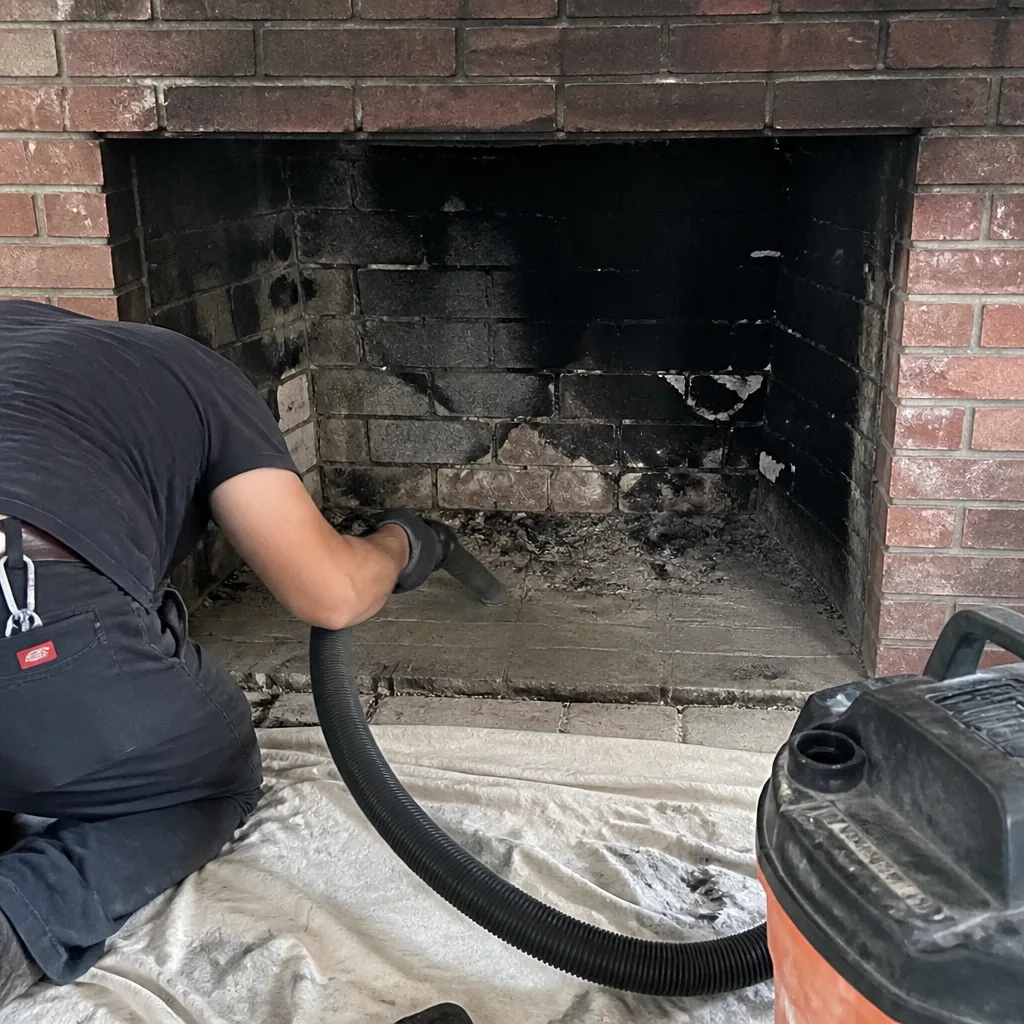 Before
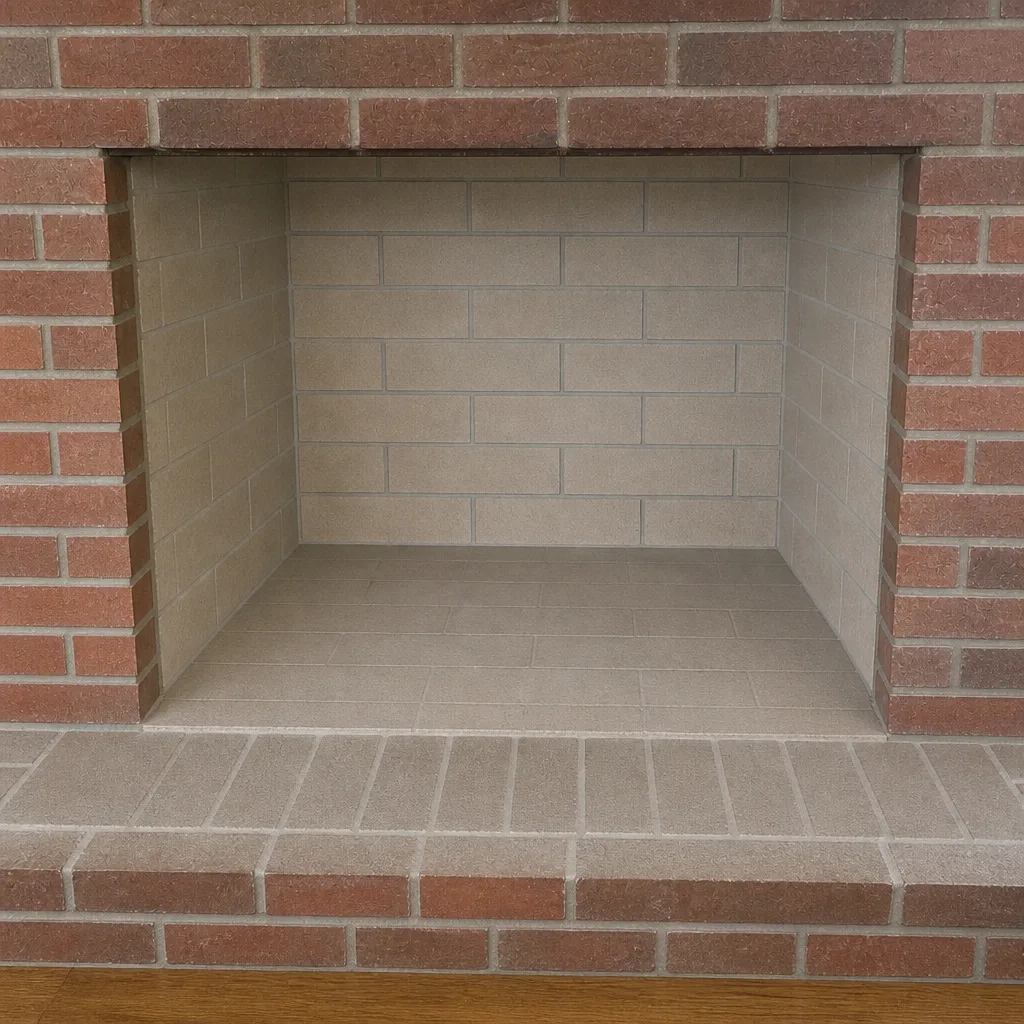 After
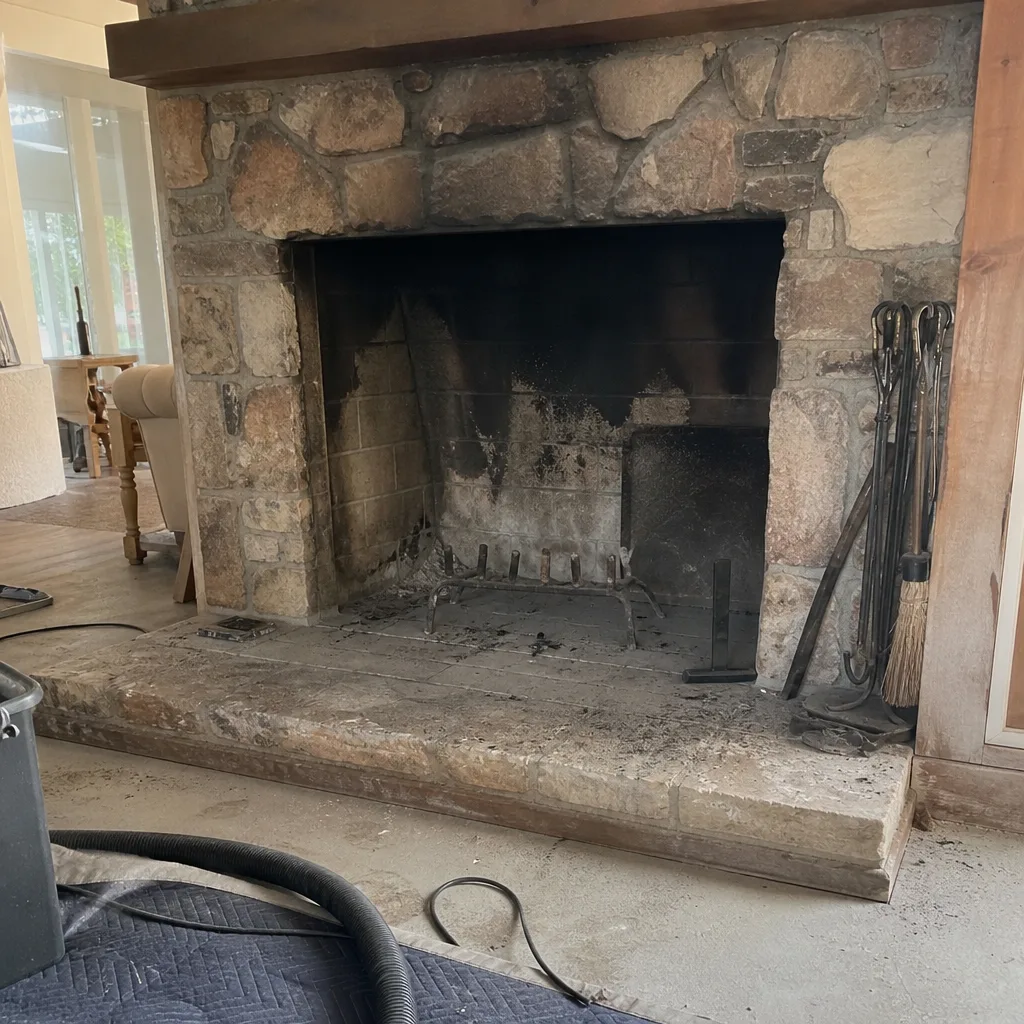 Before
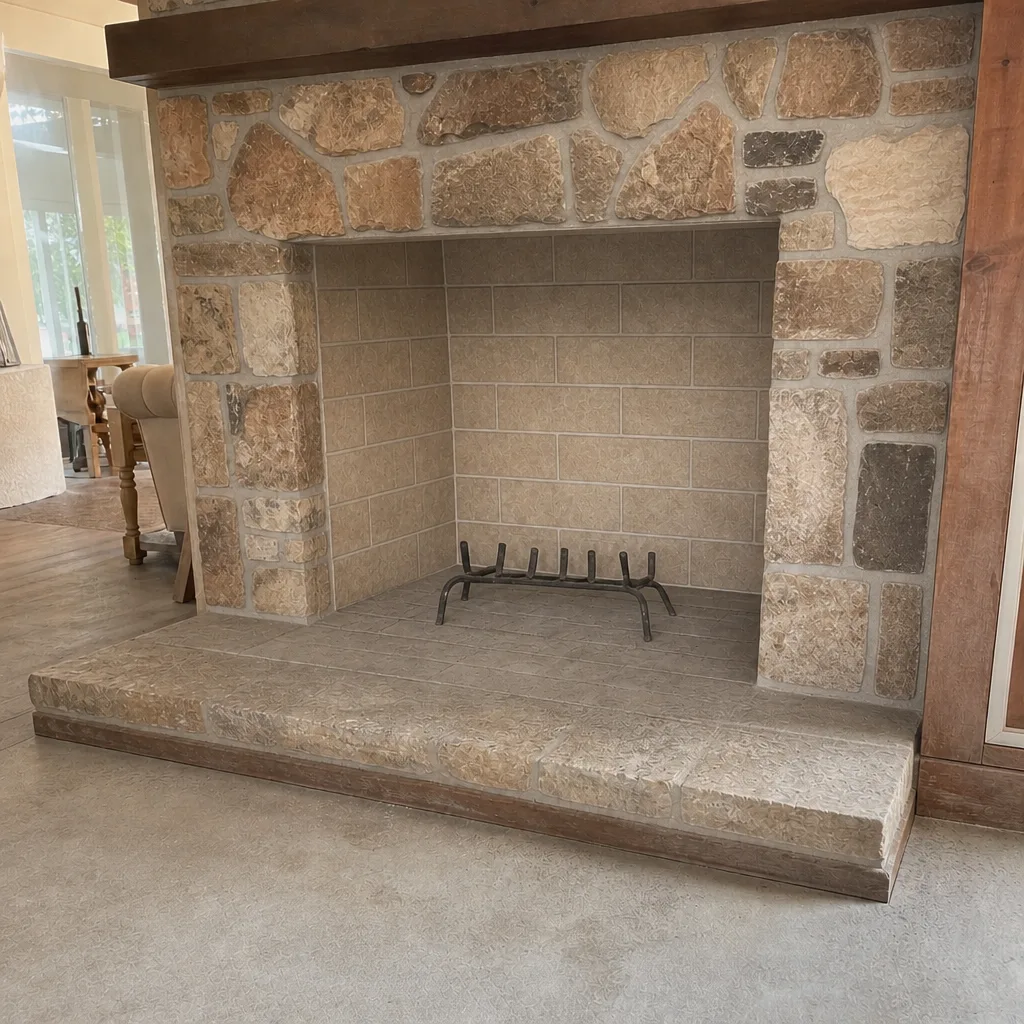 After
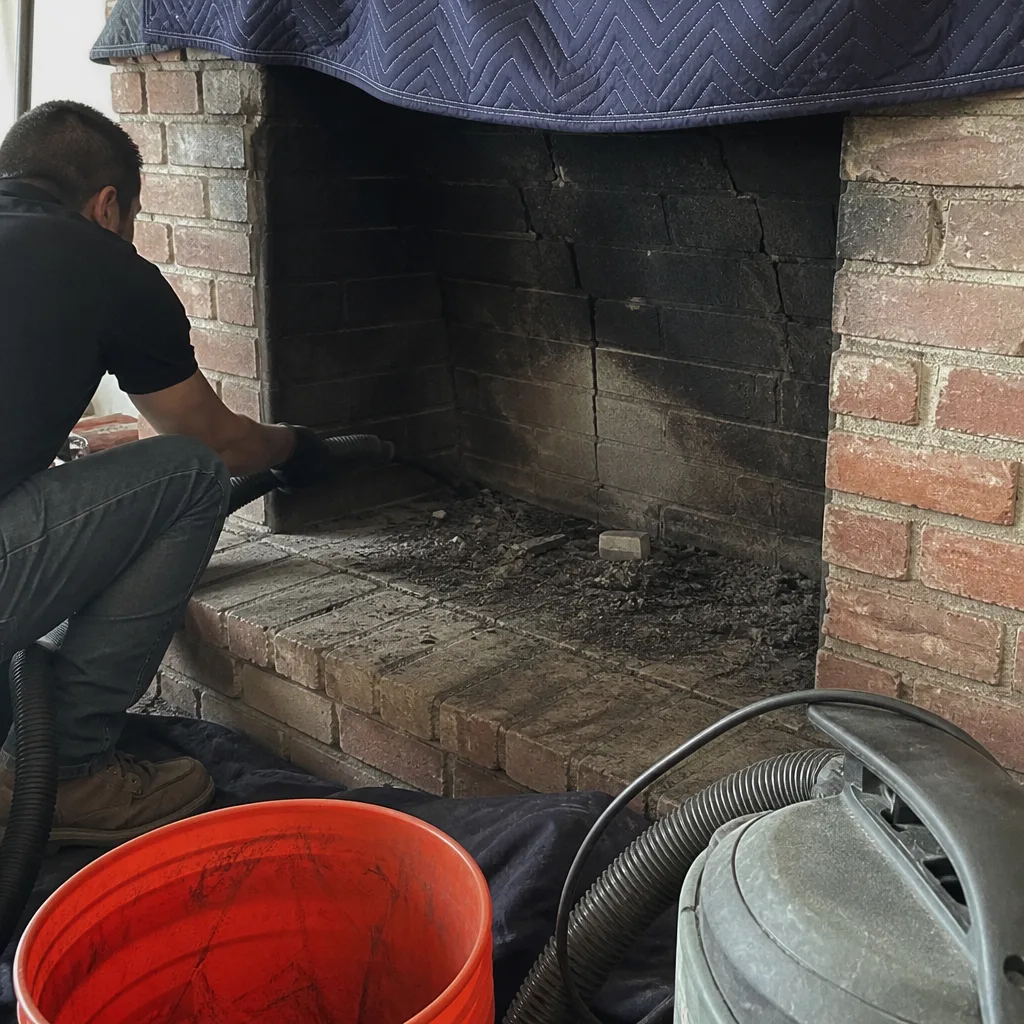 Before
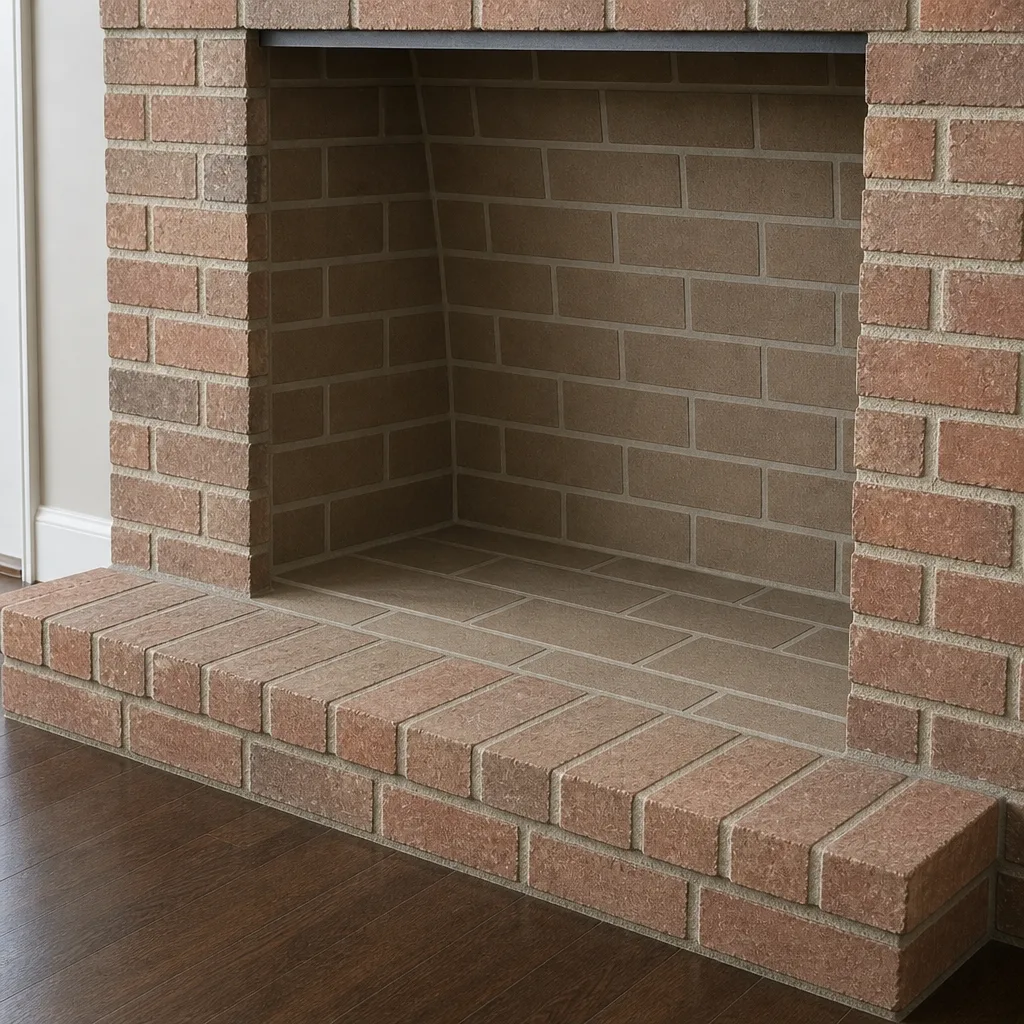 After
When to Call a Professional
If you have never had your chimney swept since moving into your San Clemente home, do not wait for a specific warning sign. The first fire of the season is the worst time to discover the flue is blocked or the cap is damaged. If you hear a roar, see flames at the chimney top, or smell smoke in rooms far from the fireplace, call 911 first, then evacuate, then call us after the fire is out to schedule the post-fire inspection. If you have been told by an inspector or insurance provider that your chimney needs work, get a documented assessment from a specialist who can both diagnose and repair. We repair what others only inspect, including HeatShield liner resurfacing and DuraFlex liner installation, which means you are not bouncing between a sweep company and a mason. Chimney Sweep San Clemente offers free estimates in San Clemente, and all pricing is set per job by the written estimate. Call (877) 798-8489. We answer 24/7. Fast dispatch from 7am to 7pm, Sunday through Friday.
Frequently Asked Questions
A chimney is an ember-intrusion risk when the cap is missing, damaged, or has mesh openings large enough to let embers through, or when the flue contains enough creosote to ignite. The only way to know is to have the cap inspected at the roof level and the flue checked for creosote buildup. Call (877) 798-8489 for a free estimate; we answer 24/7, and fast dispatch runs from 7am to 7pm, Sunday through Friday.
The National Fire Protection Association recommends an annual inspection and sweep as needed, regardless of how often you burn. In San Clemente, the mild climate means many fireplaces sit unused for months, which invites animal activity and moisture issues, so an annual pre-season sweep is the right interval for most homes. Call (877) 798-8489 to schedule yours; estimates are free.
Yes, if you live anywhere near the wildland-urban interface in Orange County. A cap with intact spark-arrestor mesh is the primary defense against wind-driven embers entering your flue from above. We install Gelco caps and Olympia Chimney termination systems, which are professional-grade components, not the hardware-store versions that fail after a season or two.
Creosote accumulates in layers, and each burning season adds more. The risk climbs with every fire because the creosote layer becomes thick enough to sustain its own combustion if an ember reaches it. The flue also narrows, which reduces draft and pushes smoke and carbon monoxide back into the living space. A few years of skipped cleaning can turn a minor expense into a liner replacement or a fire. Call (877) 798-8489 for a free estimate before you light another fire.
You can and should do a visual check from the ground, but a post-fire inspection requires a video scan of the interior flue and a close look at the cap, crown, and flashing. Hairline cracks in a clay liner are not visible from the firebox, and missing mortar in the upper flue is easy to miss without a camera. Use a professional for this one; the risk of guessing wrong is a structure fire.
The price is set per job by a written estimate and depends on the chimney type, creosote level, and whether repairs are needed. Estimates are free, so you can get exact pricing for your home before deciding. Call (877) 798-8489; we answer 24/7, with fast dispatch from 7am to 7pm, Sunday through Friday.
The Bottom Line
Chimney preparedness in San Clemente is about recognizing that your flue and cap are part of your wildfire defense, not just a fireplace accessory. A clean chimney with a properly specified cap withstands wind-driven embers. A dirty chimney with a damaged cap invites them in. Know the first-10-minutes protocol for a chimney fire: call 911, evacuate, and never pour water into the firebox. Document every sweep and inspection in your emergency binder. Keep the dryer vent on the same maintenance schedule, because lint fires are the same class of preventable hazard. And if you have been putting off a chimney inspection, do not wait for a Santa Ana wind event to remind you why it matters.
Written by the team at Chimney Sweep San Clemente, serving San Clemente since 2017.