
Last updated November 4, 2026
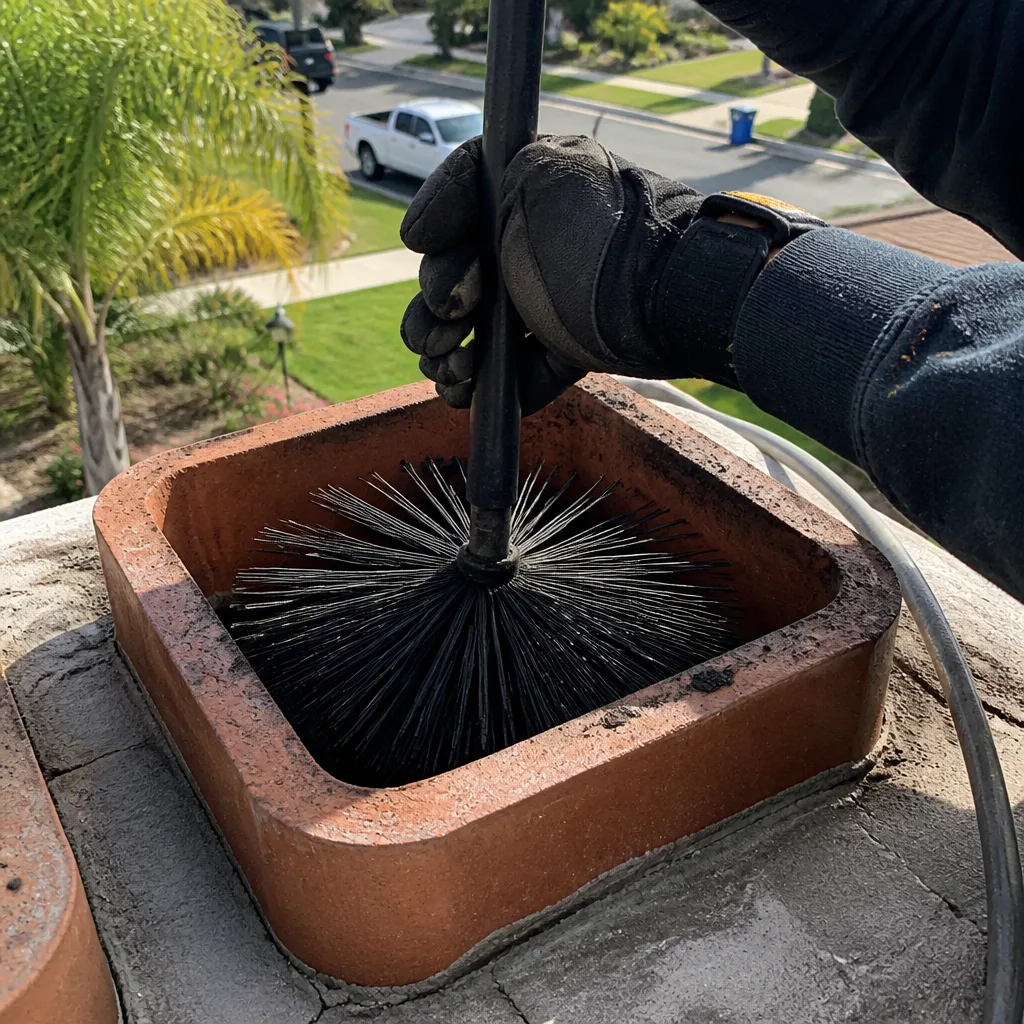
 Sweep & inspection
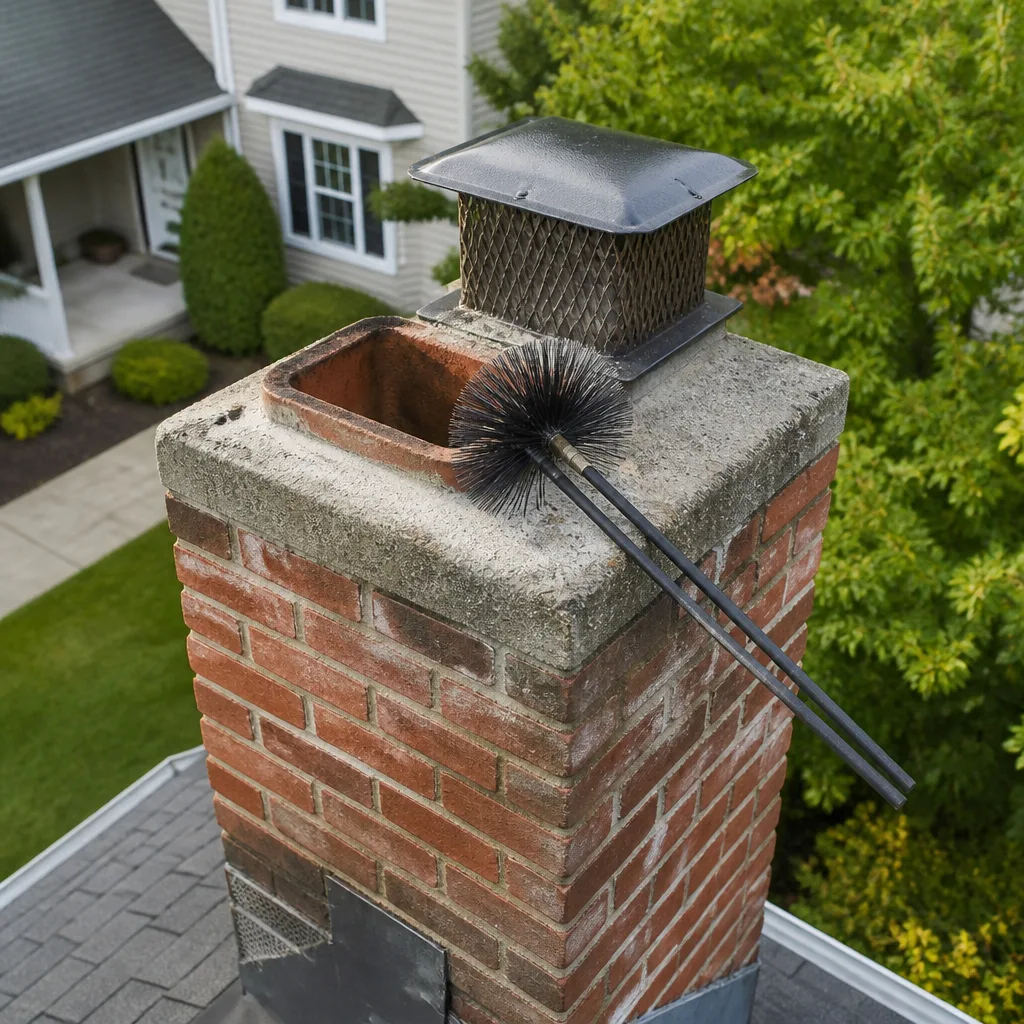
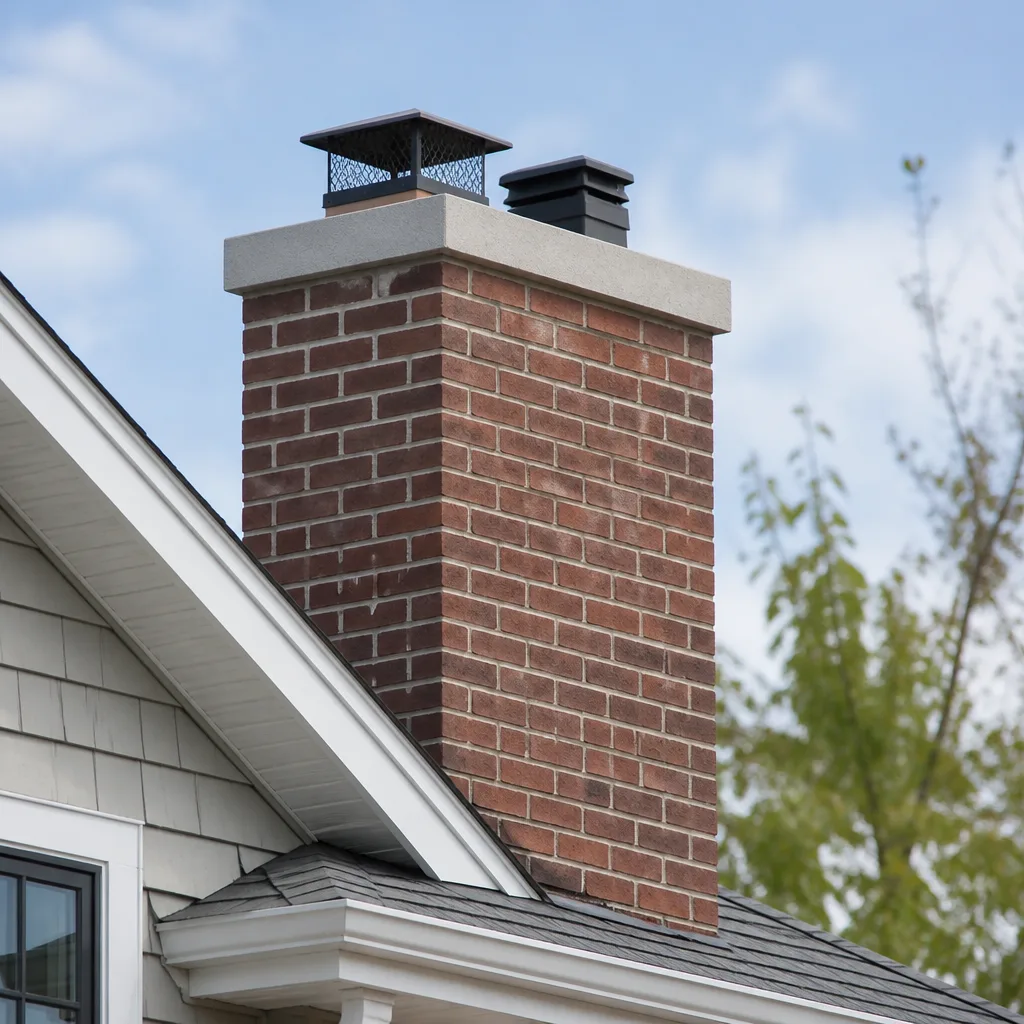 Caps & crowns
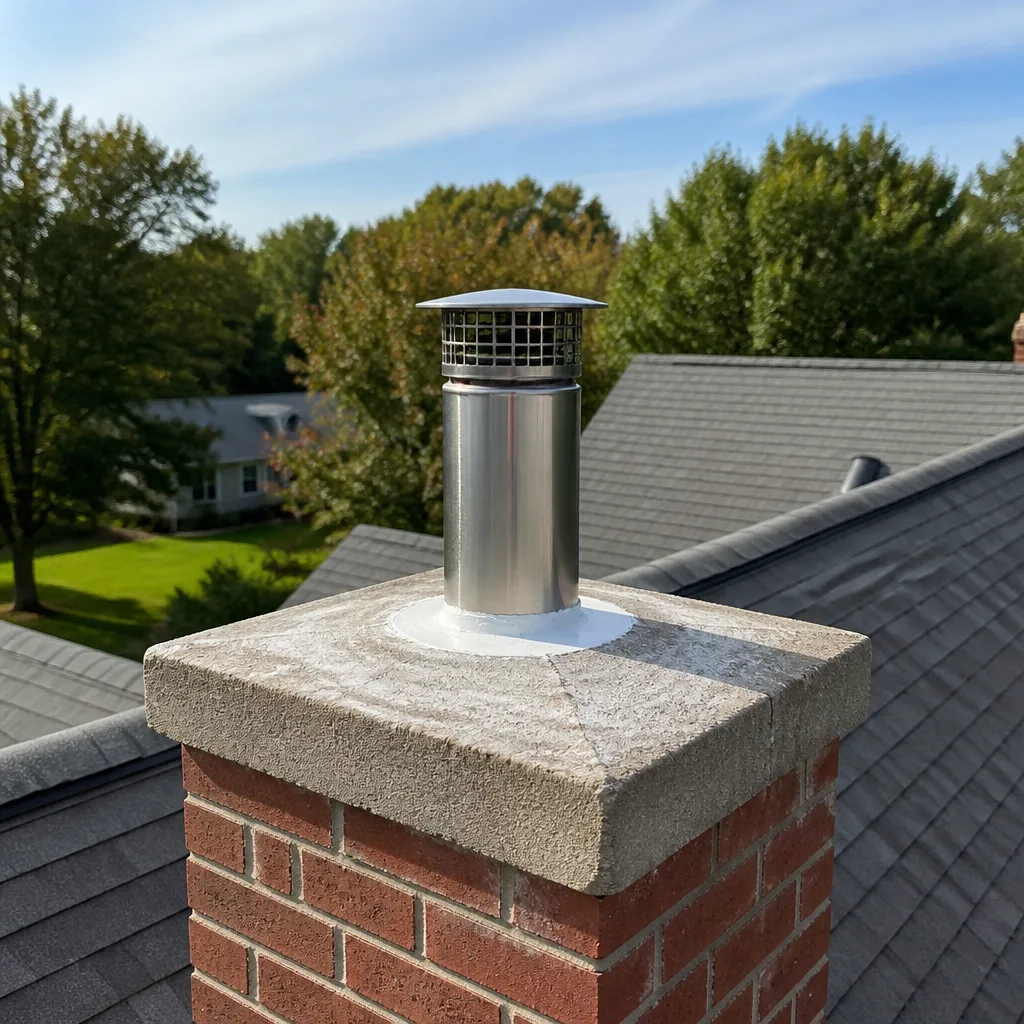 Flue relining
 Masonry repair
 Gas fireplace service
Level 1 sweep and inspection to the NFPA 211 annual standard - flue, crown, cap, and flashing checked and photographed
Chimney sweep logs do not sweep chimneys. They loosen some creosote - which then falls where a brush and vacuum still have to collect it.
Chimney Sweep Maintenance Checklist for San Clemente Homeowners
Chimney caps corrode twice as fast in coastal zip codes like San Clemente’s 92672 and 92673, but you won’t find that on any checklist downloaded from a national website. The standard advice about freeze-thaw cycles and ice dams means nothing here. What actually degrades a chimney in San Clemente is a mix of ocean moisture, irregular burn seasons, and long stretches of disuse that let small problems compound quietly. This guide is a maintenance checklist built around those local realities: when to inspect, what to check, and which findings mean stop using the fireplace versus which ones can ride to the next scheduled visit.
Styles & brands we work with
- Sweep & inspection
- Caps & crowns
- Flue relining
- Masonry repair
- Gas fireplace service
Quick Answer
A San Clemente chimney maintenance checklist runs on three triggers: before the first fall fire, once mid-season if you burn weekly, and once after the last spring fire. You’re checking the cap and crown for coastal corrosion, the flue for creosote buildup and obstruction, the firebox for cracks, and the damper for a clean seal. Anything involving the dryer vent belongs on the same list because lint and creosote share the same failure mode: slow accumulation until the day it ignites. Most San Clemente homes need a professional chimney sweep once a year if the fireplace sees regular use, then a quick visual check between visits.
Table of Contents
- Before-Season Checklist: What to Do Before the First Fall Fire
- Mid-Season Checkpoints for Weekly Burners
- Post-Season Checklist: Shutting Down for the Warm Months
- Cap and Crown Inspection: The Coastal Corrosion Factor
- How to Self-Assess Draft Pull Before Calling a Technician
- Why the Dryer Vent Belongs on Your Chimney Checklist
- Red-Line Items: Stop Using the Fireplace Immediately
- Common Mistakes to Avoid
- When to Call a Professional
- Frequently Asked Questions
- The Bottom Line
Before-Season Checklist: What to Do Before the First Fall Fire
Most San Clemente homeowners light their first fire in late October or early November, when evening temperatures dip enough to justify it. The problem is that the chimney has been sitting unused since March or April, and a lot can happen in seven months. Birds build nests. Spiders and wasps set up camp in the flue. Moisture from the marine layer works on exposed metal. Rust doesn’t need a freeze to form; it needs damp air and time, both of which San Clemente supplies generously.
- Look up into the flue with a flashlight. You’re checking for obvious obstructions: nesting material, debris, or a damper that won’t open fully. If you can’t see daylight at the top, something is blocking the path.
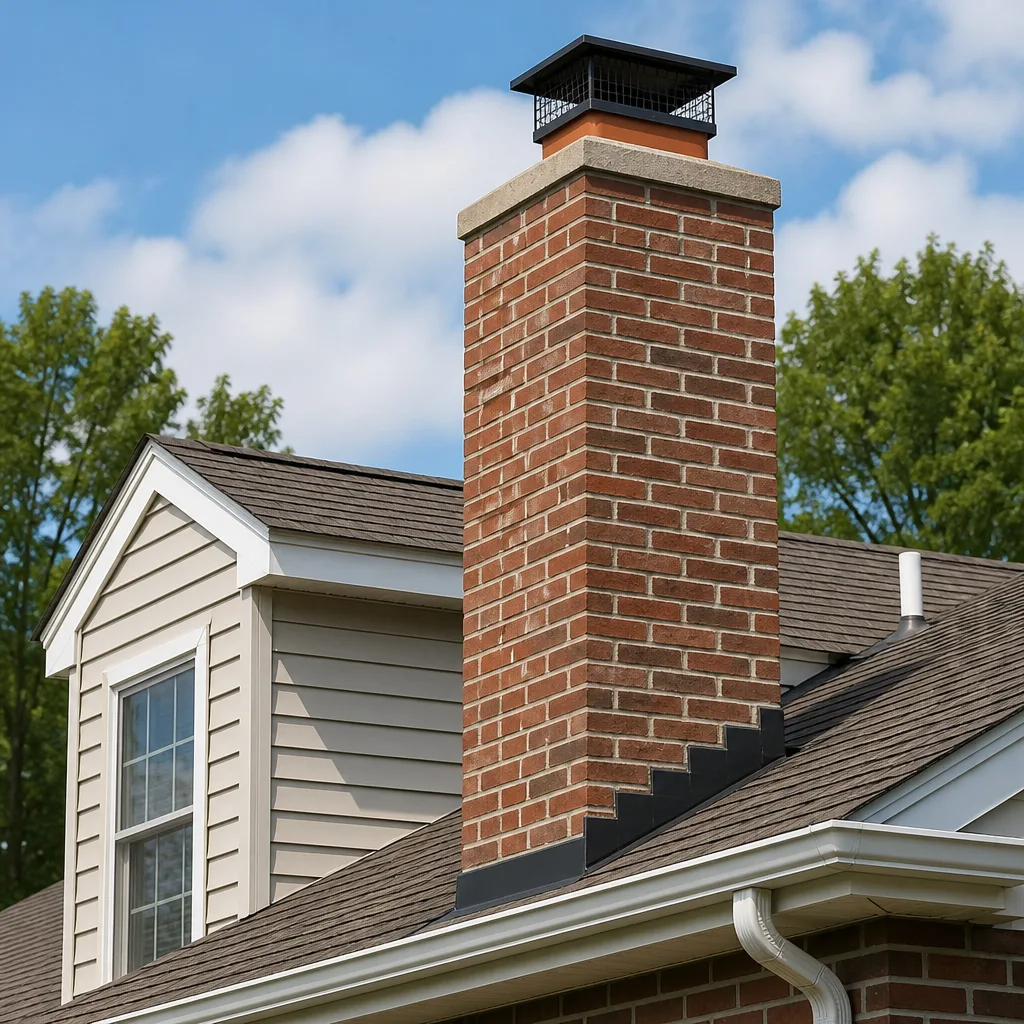
- Inspect the cap and crown from the ground. Walk to the street or the far edge of your yard where you can see the top of the chimney. Look for rust streaks, missing cap sections, or crown cracks. Salt-heavy air means caps on San Clemente chimneys degrade faster than inland, and a rusted-through cap is an open invitation to birds and rain.
- Test the damper. Open and close it several times. It should move freely and seat fully. A sticky damper is often just creosote buildup, but it can also mean rusted hardware, which is more common near the coast.
- Check the firebox and hearth for cracks. Hairline cracks in firebrick are usually cosmetic. Gaps wider than a nickel, or cracks that run through multiple bricks, mean heat is reaching places it shouldn’t.
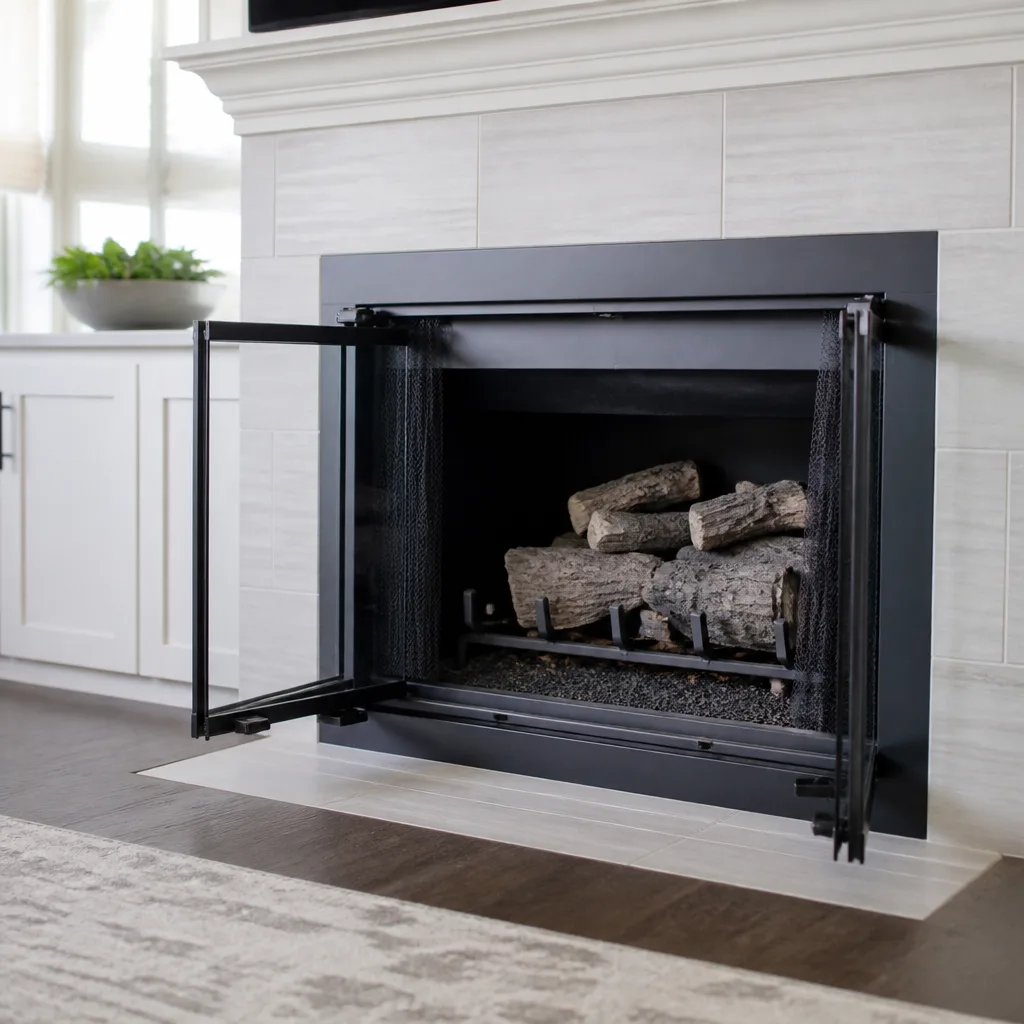
- If you have a gas log set, verify the pilot and burner condition before the first use. A dirty burner produces soot that accelerates flue buildup.
If you find nesting material or can’t see the top of the flue clearly, that’s a signal to call for a sweep before you light anything. A blocked flue doesn’t just smoke up the living room; it pushes carbon monoxide back into the house, and that is not a risk worth taking in October when you’re excited about the season’s first fire.
Mid-Season Checkpoints for Weekly Burners
If you burn wood two or more times a week between November and February, your chimney accumulates creosote much faster than a casual user’s. The National Fire Protection Association recommends a sweep at 1/8 inch of creosote buildup, which doesn’t take long with weekly fires and less-than-perfectly-seasoned wood. A mid-season checkpoint takes about ten minutes and can tell you whether that January burn schedule is building up something dangerous.
- Watch the smoke color and speed. A healthy fire sends gray-white smoke straight up. Slow, curling smoke that lingers at the top of the firebox, or smoke that puffs back into the room when you open the door, signals reduced draft. Reduced draft usually means creosote buildup in the flue.
- Listen for a roaring sound. A sudden, loud roar from the chimney during a fire is the sound of a chimney fire, not a dramatic fire. If you hear it, close the damper if you can do so safely and call 911. After the fire is out, a professional inspection is mandatory before the next use.
- Check visible buildup in the flue. Shine a flashlight up past the damper after the fire is cold. Creosote looks like black, flaky crust or shiny, tar-like glaze. If it’s thicker than the edge of a butter knife, stop burning until it’s swept.
- Confirm the cap is still in place after Santa Ana winds. High wind events are part of life in San Clemente, and a loose cap can shift or separate. If your cap is gone, rain and birds get in before you realize anything happened.
Mid-season is also when we hear from homeowners who switched to burning compressed logs or duraflame products after years of cordwood. Those logs burn hot and often produce less visible smoke, which feels cleaner, but they still deposit residue in the flue. The visibility of your smoke is not a reliable indicator of how clean your flue is. Only an actual inspection tells you that.
Post-Season Checklist: Shutting Down for the Warm Months
Most San Clemente chimneys sit idle from April through October. That long stretch of disuse is not neutral; it’s when corrosion and animal intrusion happen. Closing out the season properly makes the October startup significantly easier and less likely to reveal an unpleasant surprise.
- Schedule your annual sweep at the end of the burn season, not the beginning. This is a deliberate recommendation, and it goes against the typical fall-rush advice. Creosote is acidic and mildly hygroscopic, meaning it attracts and holds moisture. Leaving it in the flue through San Clemente’s damp spring and early summer accelerates deterioration of the flue liner. Sweep it out in March or April and the chimney rests clean through the off-season.
- Check the cap one more time before the marine layer settles in for May and June. Any rust that started during winter will compound through the humid months.
- Close the damper completely, but not too tight. A fully sealed damper traps humidity inside the flue. Leave a small gap or install a top-sealing damper if you have persistent musty smells coming down the chimney in summer.
- Inspect the exterior crown for new cracks. The crown is the concrete slab that seals the top of the chimney structure around the flue. Cracks let water into the masonry, and San Clemente’s moisture levels mean that water doesn’t dry out quickly.
- Put a visual reminder in your calendar for late September. Not a full inspection, just a quick look at the cap and a test of the damper so you’re not caught off-guard the first cold evening.
We’ve seen too many San Clemente homes where an October startup reveals a family of birds spent the spring raising chicks in the flue because a cap rusted through in February and nobody noticed. A spring sweep and a ten-minute cap check prevents that entire category of problem.
Cap and Crown Inspection: The Coastal Corrosion Factor
Here’s the part that generic chimney checklists get completely wrong for San Clemente. Most national guides tell you to check the cap for rust and leave it at that. What they miss is that the marine layer makes rust inspection a six-month task, not an annual one, and that the failure mode is different. Inland caps fail from UV exposure and freeze-thaw. San Clemente caps fail from moisture-driven corrosion that starts at the seams and weld points, then spreads invisibly under the paint until the structural integrity is gone while the outside still looks acceptable.
When you inspect the cap, look for:
- Rust streaks running down the side of the chimney. This tells you the cap is already losing material, not just developing surface oxidation.
- Separation at the seams or mounting points. Coastal wind, especially during Santa Ana events, works loose hardware that corrosion has weakened.
- Sagging or tilting. A cap that isn’t sitting level means the mounting brackets or the chase top itself has deteriorated.
- Missing mesh. The side mesh is what keeps birds and embers out. If the mesh has holes, animals get in and burning embers can get out.
The crown needs the same attention. A hairline crack in the crown lets water seep into the chimney’s masonry, and in San Clemente, that means sustained moisture contact for months at a time. Water that gets into the structure expands and contracts with temperature swings, widening cracks and eventually requiring masonry repair that could have been prevented with a $20 tube of crown sealant applied at the right time.
When a cap genuinely needs replacement, we install Gelco caps because they hold up to coastal conditions better than the generic hardware-store versions. A professional-grade stainless cap with a proper warranty costs more than a $40 powder-coated cap, but it lasts years longer in San Clemente’s climate, and the failure of a cheap cap creates far more expensive problems than the difference in price.
How to Self-Assess Draft Pull Before Calling a Technician
Draft is the upward pull that moves smoke and combustion gases out of your home. When draft is weak, smoke lingers, fills the room, and fails to carry creosote out of the flue. You can test draft yourself with a simple candle test, and the result will tell you whether to call a technician or keep the peace of mind.
- Open the damper fully and open a window in the same room. Modern homes in San Clemente are built tight, and a sealed room creates negative pressure that fights the chimney’s natural draft. Opening a window is not cheating; it’s how the test accounts for a ventilation issue rather than a chimney issue.
- Hold a lit candle or incense stick just inside the firebox opening. Keep it about six inches inside the firebox, not in the flue itself.
- Watch the flame or smoke direction. If the flame bends toward the flue and the smoke rises up, draft is present and functional. If the flame stays straight or bends toward the room, draft is absent or reversed.
- Repeat the test with the window closed. If draft is good with the window open but poor with it closed, the issue is the home’s ventilation, not the chimney. A technician can address this with a makeup air solution.
- If draft is poor in both conditions, the cause is likely an obstruction, creosote buildup, or a flue that needs repair. This is a stop-using-the-fireplace situation until it’s inspected.
One clarification: a candle test tells you whether draft exists, not whether the flue is clean enough to use safely. A flue can draft fine and still have enough creosote to ignite. The candle test catches gross problems like a closed damper, a blocked flue, or a house pressure issue. It doesn’t replace a visual inspection for buildup.
Why the Dryer Vent Belongs on Your Chimney Checklist
Most chimney maintenance checklists never mention the dryer vent. That’s a blind spot, and in San Clemente, it’s a dangerous one. The same coastal moisture that corrodes a chimney cap also affects dryer vent clogs. When lint accumulates in a vent line, it absorbs moisture from the air, becoming denser and stickier. What would be a loose, easily blown-out clog in a dry climate becomes a compacted obstruction here, one that restricts airflow and traps heat exactly where it shouldn’t be.
The NFPA documents dryer vent fires as one of the leading causes of residential structure fires in the United States. This isn’t a fireplace problem; it’s a home ventilation problem, and it belongs on the same maintenance schedule. If you burn wood in the fireplace and dry clothes in the same home, you have two separate systems accumulating combustible material. Treating them as two halves of the same inspection makes far more sense than cleaning the chimney and ignoring the vent.
A dryer vent cleaning should happen at least once a year, more often if you dry heavy loads daily or have a long vent run. The warning signs are straightforward: clothes take longer than one cycle to dry, the dryer exterior gets hot to the touch, or you notice a musty smell in the laundry room even when the machine isn’t running. None of those signs are optional to ignore.
Red-Line Items: Stop Using the Fireplace Immediately
Some findings on a chimney inspection are advisory: “schedule a sweep next month” or “plan for a cap replacement this year.” Others are stop conditions. When you find one of these, the fireplace is out of service until a professional resolves it.
- Visible flames in the flue or a roaring sound during a fire. That’s a chimney fire in progress. Call 911, then deal with the aftermath.
- Creosote buildup thicker than 1/8 inch. At that thickness, a hot fire can ignite it. The flue needs sweeping before use.
- Any sign of water damage in the ceiling or walls adjacent to the chimney. Water intrusion means the chimney’s waterproofing has failed, and the structural condition is unknown until inspected.
- A cracked or separated flue liner. A liner failure allows heat and combustion gases into the chimney structure. This is not a “watch and wait” item.
- Smoke entering the home when the damper is open. This means draft has reversed or the flue is obstructed. Carbon monoxide exposure is a real risk.
- Any gas odor near the fireplace or chimney. If you smell gas, leave the house and call the gas utility.
Items that can safely wait for the next scheduled visit include: minor surface rust on the cap, hairline cracks in firebrick, a damper that still functions but sticks slightly, and light soot buildup that’s well under the 1/8 inch threshold. The trick is knowing which category something belongs in, and when in doubt, a professional assessment is always the safer call.
Common Mistakes to Avoid
- Skipping the spring sweep and waiting for fall. In San Clemente, creosote sitting through the damp months accelerates liner deterioration. Sweep at the end of the season, not the beginning.
- Assuming a rarely-used fireplace doesn’t need inspection. Disuse doesn’t protect a chimney; it invites moisture, animals, and undetected corrosion. A fireplace that’s never used still needs an annual visual check.
- Treating the cap as a cosmetic accessory. The cap is a functional component, not a decoration. A rusted or missing cap lets in rain, birds, and debris, and it lets out sparks that can ignite a roof.
- Burning unseasoned wood because “it’s California, everything dries fast.” San Clemente’s coastal humidity means wood needs proper seasoning time just like anywhere else. Wet wood smokes more and deposits creosote faster.
- Ignoring the dryer vent because “it’s a laundry thing.” Lint is as combustible as creosote. The vent needs the same annual maintenance schedule as the chimney.
- Relying on a store-bought creosote log as a substitute for sweeping. Those products change creosote’s chemical structure to make professional removal easier; they don’t remove it. A flue with visible buildup still needs a sweep.
- Doing a candle test and assuming the flue is clean. Draft and cleanliness are separate measurements. A blocked flue won’t draft, but a flue that drafts fine can still hold fire-starting levels of creosote.
When to Call a Professional
You can handle the basic visual checks, the candle test, and the simple cap inspection from the ground. You cannot see the full length of the flue, assess liner integrity from inside the firebox, or remove compacted creosote safely without professional tools. Call a professional if the candle test shows poor draft in both open-window and closed-window conditions, if you see creosote thicker than 1/8 inch, if the cap is rusted through or missing, or if you’ve had any water intrusion around the chimney. When the flue needs repair rather than just cleaning, the difference matters: a company that only sweeps will hand you a referral to someone else. Chimney Sweep San Clemente handles sweep, repair, and dryer vent cleaning under one provider, and we install DuraFlex liner systems and HeatShield flue resurfacing when a flue is beyond cleaning. We serve San Clemente and the surrounding area, and estimates are free. Call (877) 798-8489.
Frequently Asked Questions
If the fireplace gets regular use during the burn season, an annual sweep is the baseline. Homes that burn weekly or more often through winter may need a mid-season sweep in January. The NFPA recommends sweeping at 1/8 inch of creosote buildup, and in San Clemente’s coastal climate, sweeping at the end of the burn season rather than the start is the better schedule. Call (877) 798-8489 for an assessment; estimates are free.
A standard sweep in San Clemente typically runs between $180 and $300, depending on flue condition, accessibility, and whether the cap needs attention. Flues with heavy creosote, animal nests, or years of neglect cost more because the work takes longer. The written estimate set before the job starts is the final price. Call (877) 798-8489 for a free estimate.
You cannot paint over structural rust. The cap’s job is to keep rain, birds, and embers out of the flue, and once the metal has corroded through at the seams or mounting points, the cap has failed structurally. Surface rust can be treated; rust that has penetrated the material means replacement. This is especially true in San Clemente, where coastal moisture means the corrosion is usually worse beneath the surface than it looks from the ground.
Creosote accumulates in the flue each time you burn wood. It doesn’t dissipate or clean itself; it only builds thicker and absorbs moisture, becoming more combustible and more corrosive to the liner. After one or two skipped years, the flue may still draft but the ignition risk has risen significantly. In San Clemente’s damp climate, that creosote also holds moisture against the flue liner for months at a time, accelerating deterioration. The inspection tells you whether you’re in a safe range or a stop condition.
Yes, it’s a ventilation and fire-hazard issue that belongs on the same maintenance calendar. Lint builds up in the vent line exactly the way creosote builds up in a chimney, and both are combustible. A home with a wood-burning fireplace and a dryer has two separate systems that need annual attention. We treat dryer vent cleaning as a core service for this reason, not as an add-on.
Those products, often called creosote-sweeping or creosote-removing logs, are designed to alter the chemical structure of creosote so that a professional sweep can remove it more effectively. They are not a replacement for a sweep. If you have visible creosote buildup or haven’t had the flue swept in more than a year, a chemical log doesn’t solve the problem. The flue still needs mechanical cleaning, and skipping it because the log was burned is a dangerous misread of what the product does.
The Bottom Line
A San Clemente chimney maintenance checklist needs to account for what actually degrades here: coastal moisture, long off-seasons, irregular burn schedules, and the shared fire risk between the chimney and the dryer vent. The three-trigger schedule keeps it manageable: before the first fall fire, once mid-season if you burn weekly, and a full sweep at the end of the season before the damp months set in. Check the cap and crown twice a year, not once, because corrosion compounds fast in this climate. Test draft with a candle before the season starts. And when a flue needs more than cleaning, work with a provider that can actually do the repair, not just hand you a referral. The whole point of a maintenance checklist is catching things while they’re cheap to fix. San Clemente’s climate just shortens the window between “minor” and “major.”
Written by the team at Chimney Sweep San Clemente, serving San Clemente since 2017.
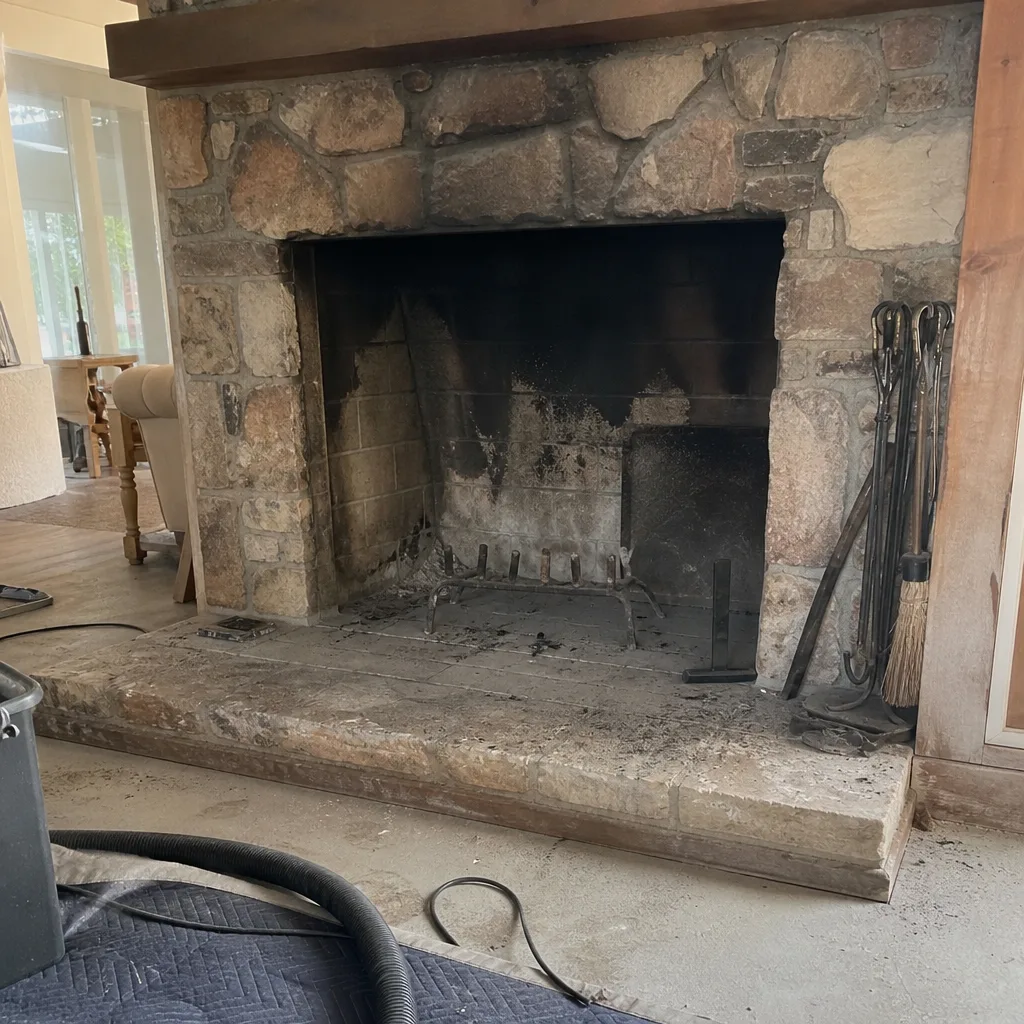
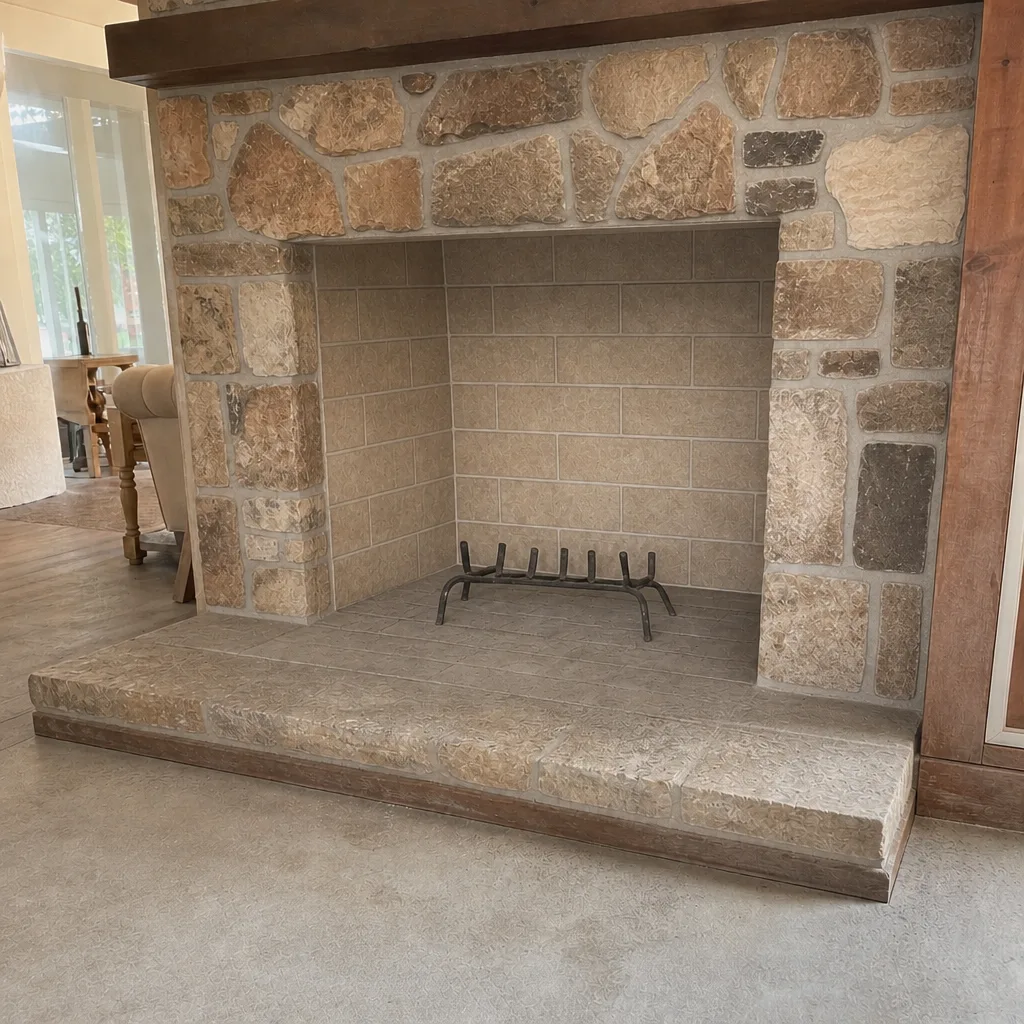
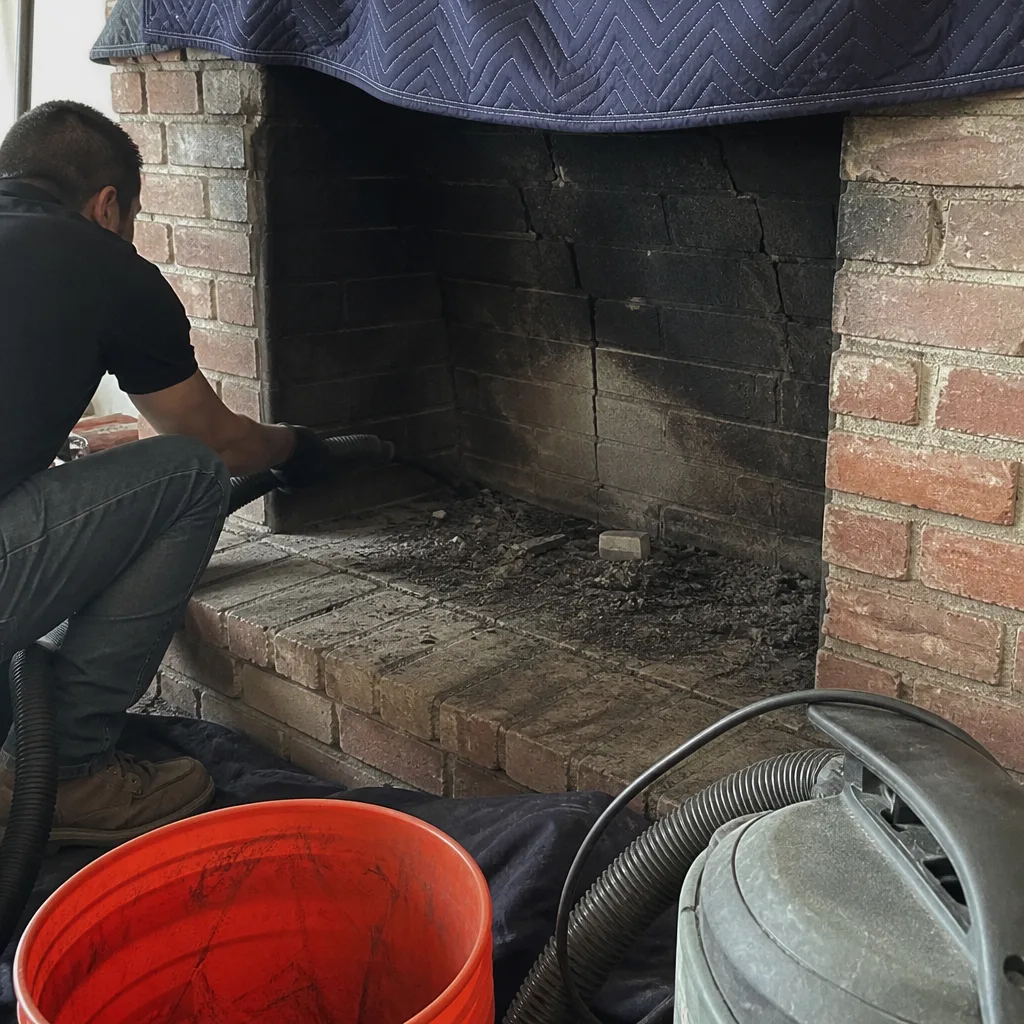
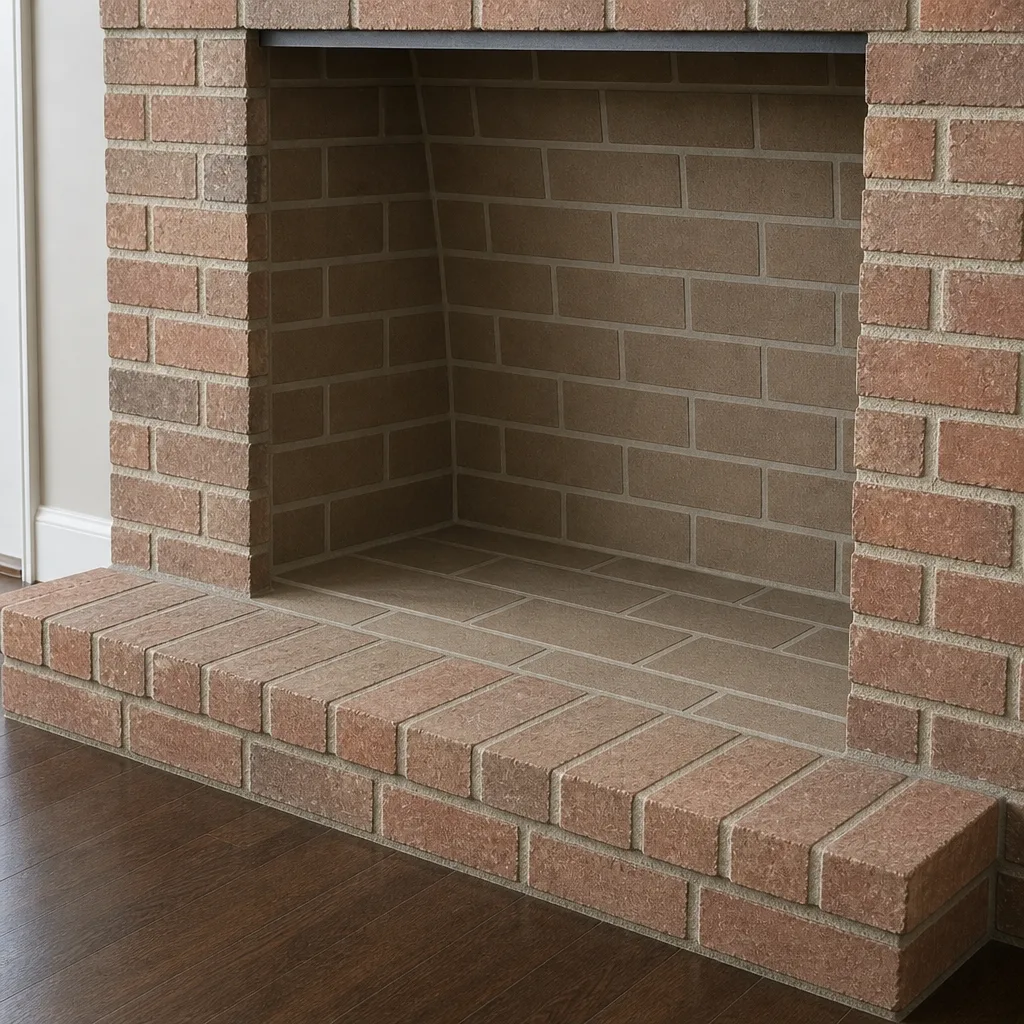
See the difference
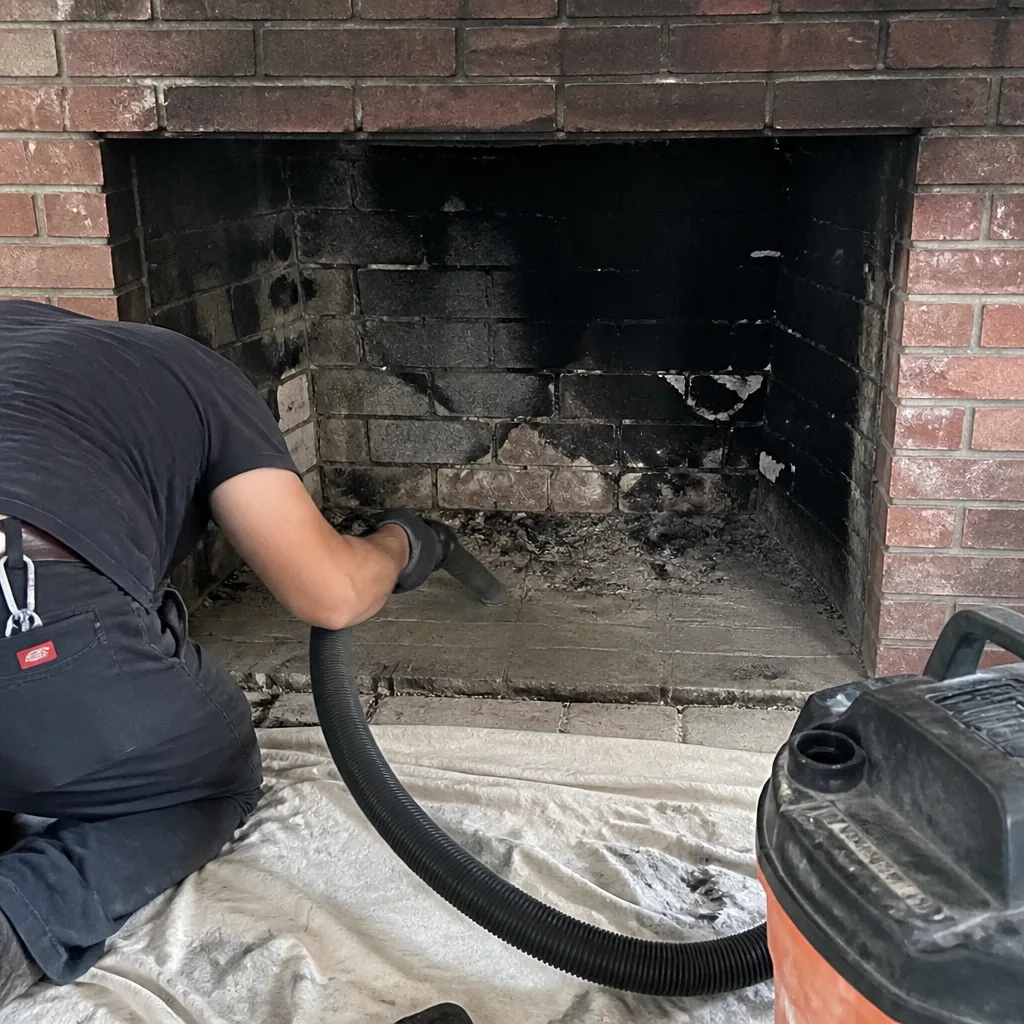 Before
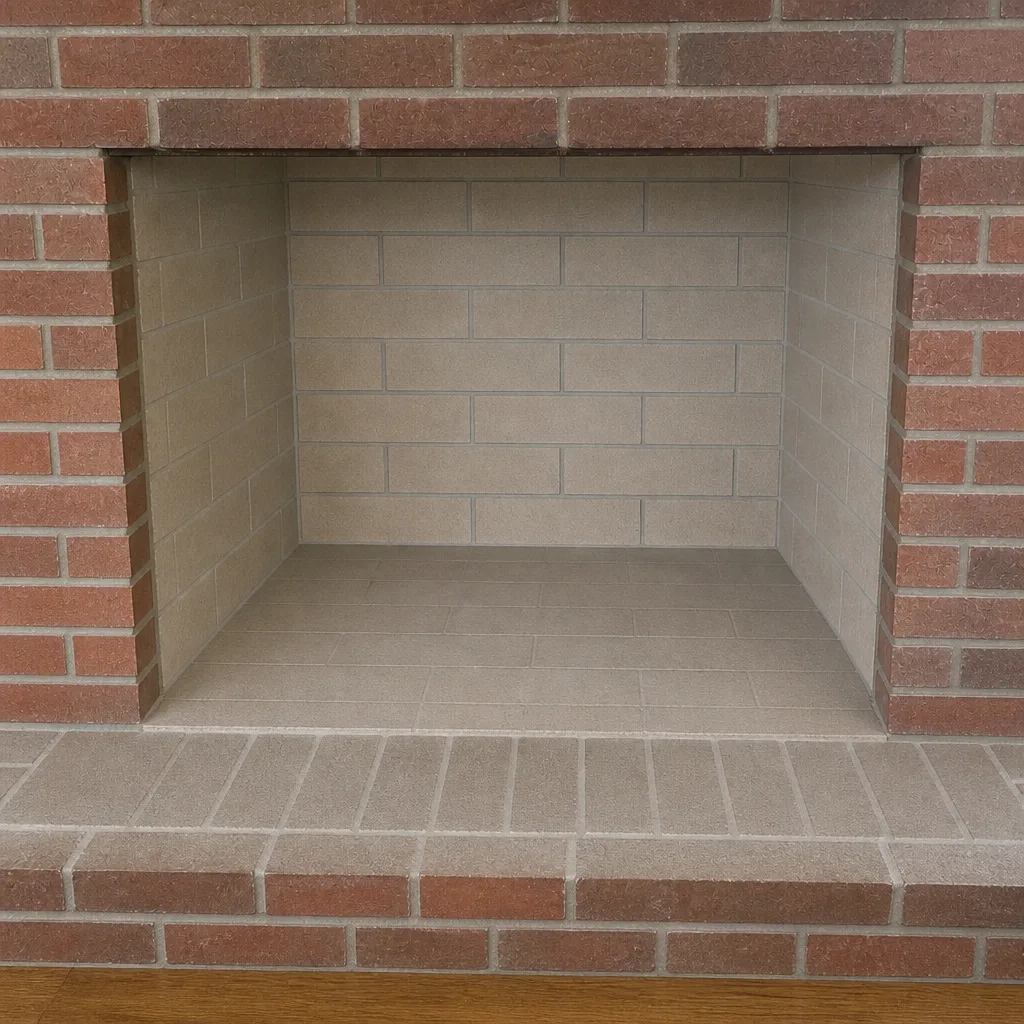 After
 Before
 After
 Before
 After