
Last updated November 4, 2026
 Sweep & inspection
 Caps & crowns
 Flue relining
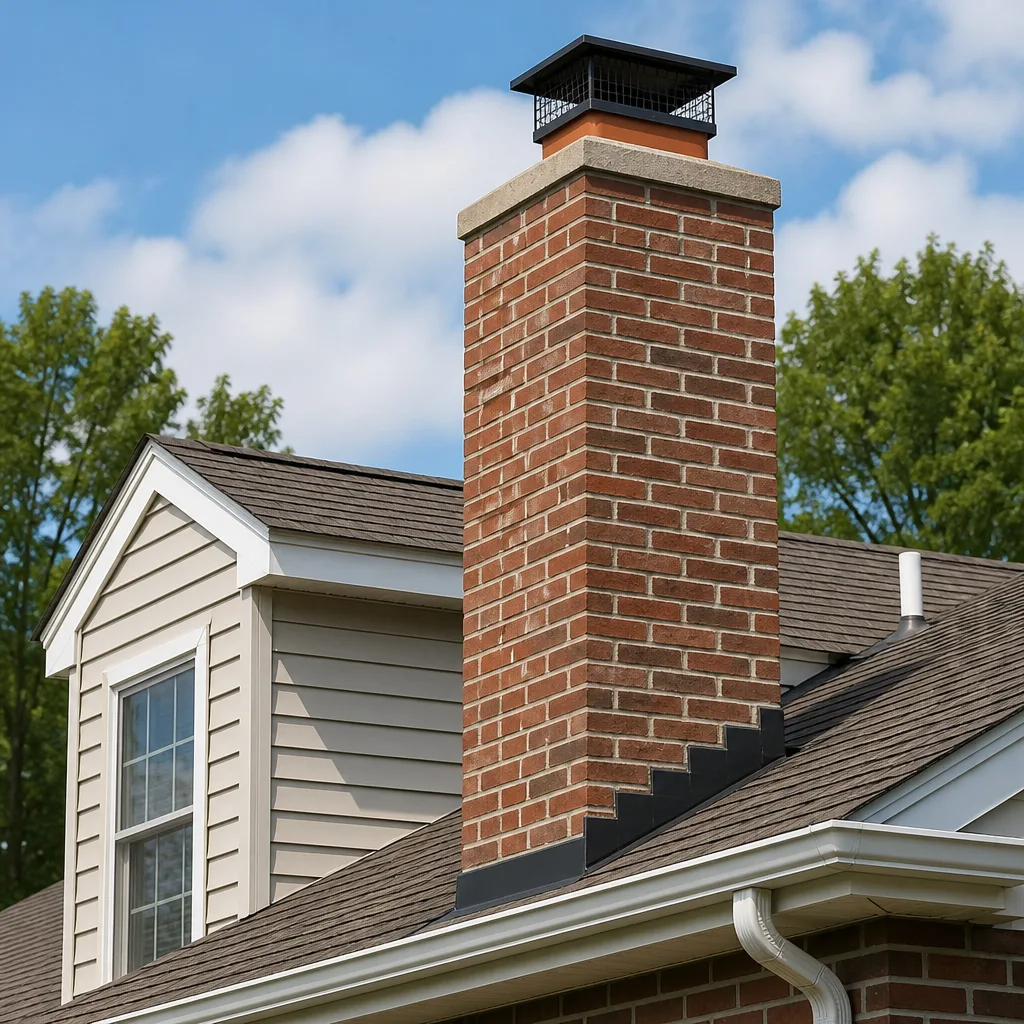 Masonry repair
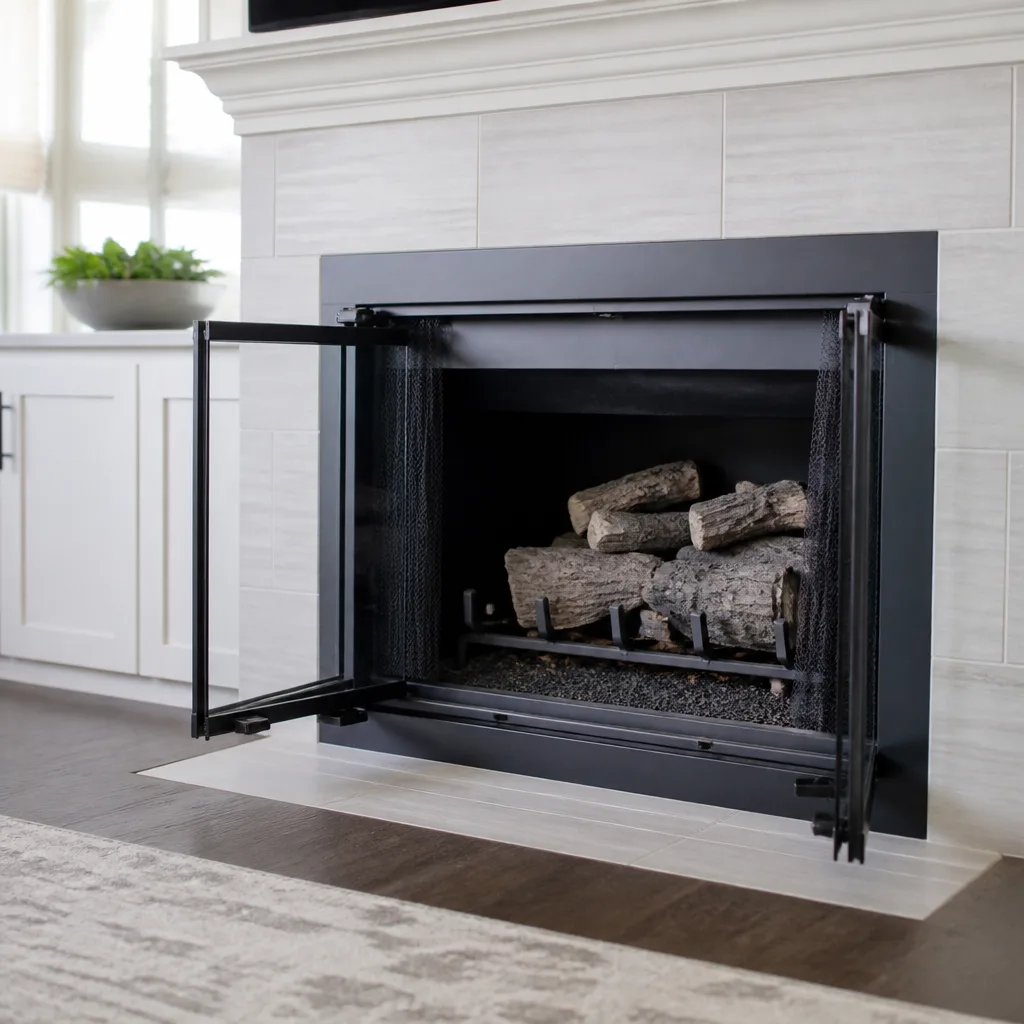 Gas fireplace service
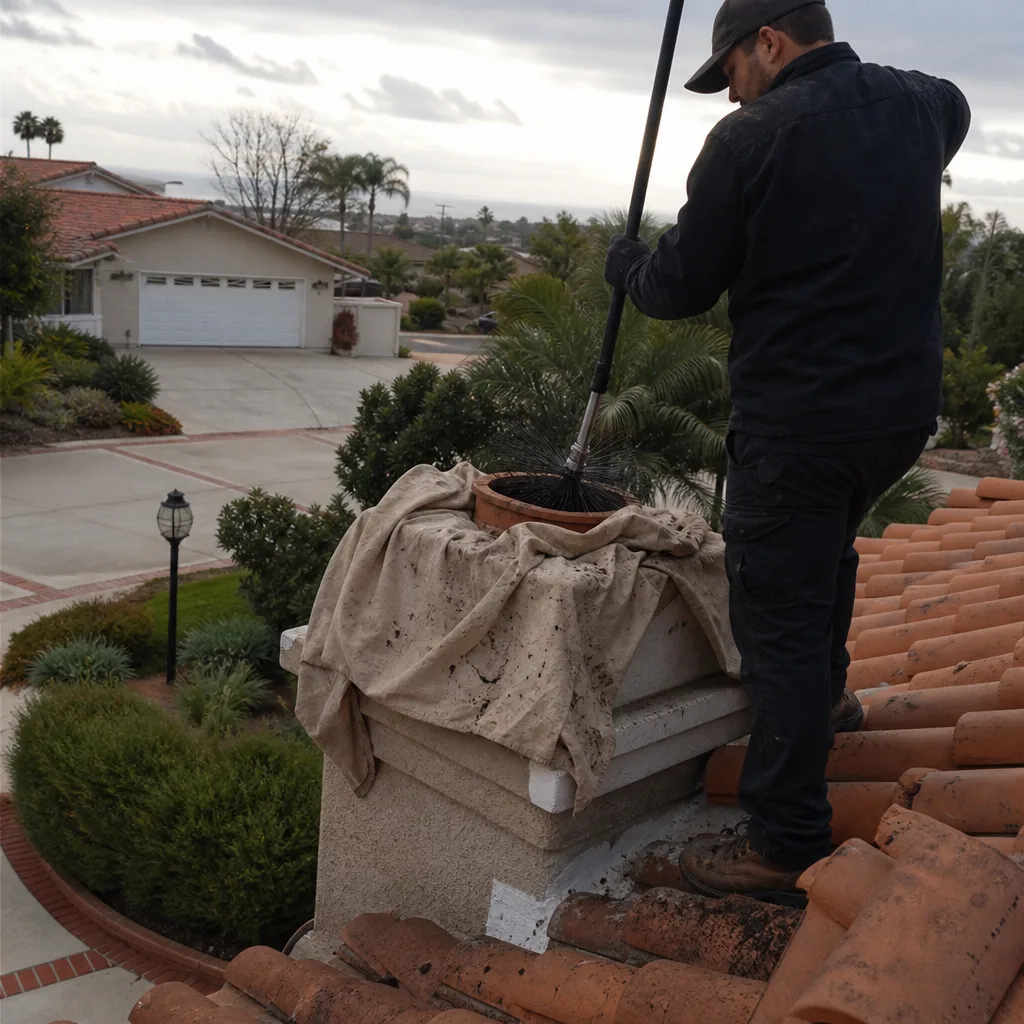
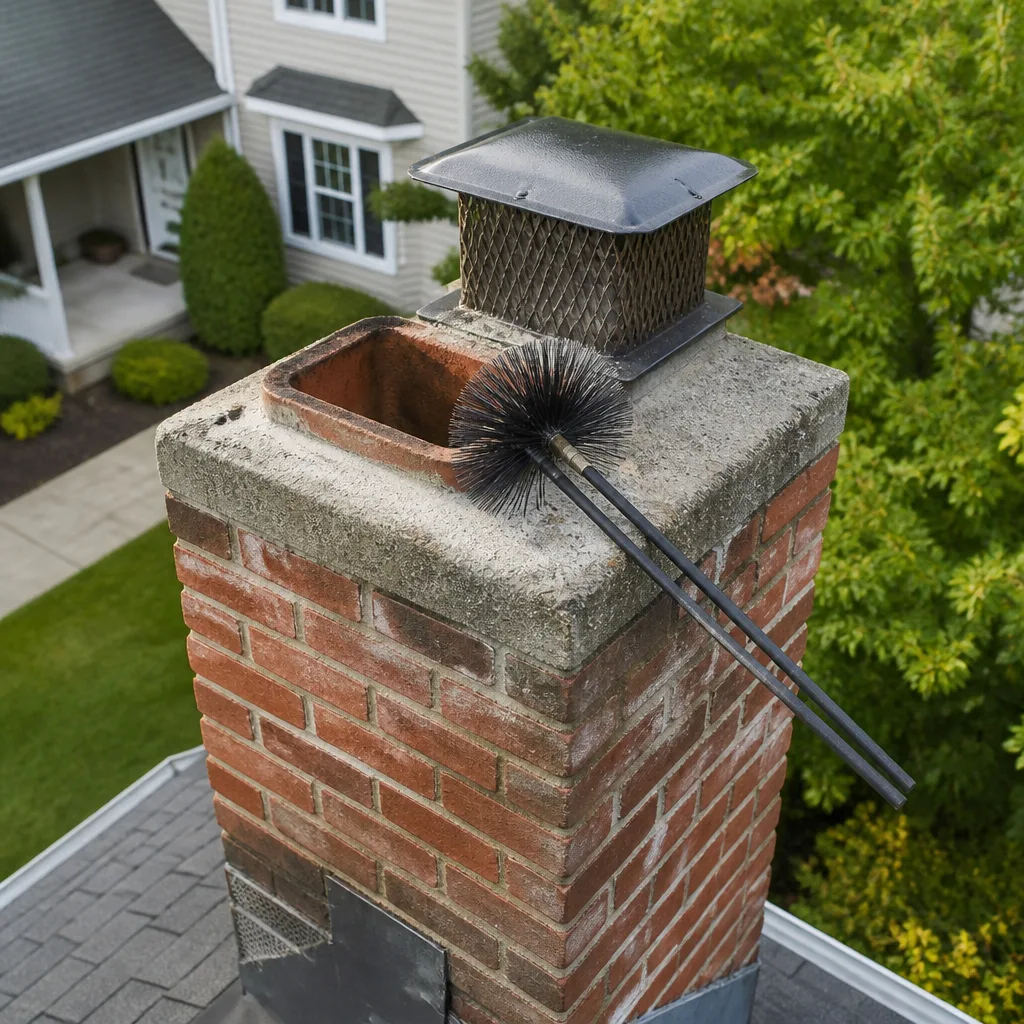
Level 1 sweep and inspection to the NFPA 211 annual standard - flue, crown, cap, and flashing checked and photographed
Chimney sweep logs do not sweep chimneys. They loosen some creosote - which then falls where a brush and vacuum still have to collect it.
Chimney Sweep Troubleshooting in San Clemente: Common Problems and How to Fix Them
If smoke backs up into your living room only on windy days, that’s not a draft problem. It’s almost certainly a cap or crown issue that a cleaning alone won’t solve. Most chimney complaints in San Clemente get misdiagnosed as “old age” when they’re actually specific failures with specific fixes. This guide maps the symptoms you’re seeing to the root cause underneath, so you pay for the right repair once, not the wrong one twice.
Styles & brands we work with
- Sweep & inspection
- Caps & crowns
- Flue relining
- Masonry repair
- Gas fireplace service
Quick Answer
Chimney problems in San Clemente fall into four categories: backdraft from pressure or wind, blockage from creosote or debris, moisture damage from the marine layer, and structural failure in the flue or crown. Most can be diagnosed by matching the symptom (smoke entering the house, odor, water stains, falling debris) to the component that’s actually failing. A professional inspection with camera equipment confirms the cause in under an hour, and most common failures are repairable without a full rebuild.
Table of Contents
- Smoke Coming Into the House: Backdraft vs. Blockage vs. Pressure
- Why San Clemente’s Marine Layer Creates Odor Problems Other Cities Don’t See
- Reading the Firebox: Efflorescence, Spalling, and Rust Staining
- Why the Wrong Liner Diameter Makes Draft Problems Worse
- When DIY Is Legitimate vs. When It Voids Your Insurance
- Creosote Buildup: The Problem You Can’t See Until It’s Dangerous
- Cap and Crown Failures: The Windy-Day Smoke Culprit
- Common Mistakes to Avoid
- When to Call a Professional
- Frequently Asked Questions
- The Bottom Line
Smoke Coming Into the House: Backdraft vs. Blockage vs. Pressure
When smoke enters your living room instead of going up the flue, the cause is almost always one of three things: backdraft, blockage, or negative pressure. Telling them apart before you call anyone saves you from paying for a sweep you don’t need, or worse, skipping a repair you do.
Backdraft means the chimney is pulling air downward instead of venting upward. You’ll notice it most on windy days, when gusts push down into the flue or when the air pressure outside shifts. It often comes with a cold draft even when there’s no fire. The usual fix is a properly sized cap or a crown repair, not a cleaning.
Blockage means something is physically in the way. In San Clemente homes that burn wood regularly, it’s usually creosote that has built up into a thick, tar-like layer. In chimneys that go unused for months, it can be a bird nest, a fallen section of liner, or accumulated debris from the terra-cotta tile crumbling. Blockage smoke tends to be constant, not just on windy days.
Negative pressure is a house problem, not a chimney problem. Tightly sealed homes, running exhaust fans, or a competing appliance like a water heater all pull air down the chimney. You’ll notice the smoke only starts when a bathroom fan or range hood kicks on, or when a window is open in one part of the house but not another. The fix is usually a make-up air solution, not chimney work.
Here’s how to tell which one you’re dealing with before making the call:
- Light a match and hold it near the open damper. If the flame pulls toward you, exhaust fans or house pressure are competing with the chimney. If it leans toward the flue, the chimney is drafting.
- Note when the smoke starts. Only on windy days points to backdraft from a cap or crown issue. Every time you burn points to blockage or a draft problem.
- Look up the flue with a flashlight. If you see a shiny, tar-like coating or debris, you have a blockage that needs a professional sweep.
- Check the damper. A damper that won’t fully open mimics a blockage. This is one of the few fixes you can do yourself with a bit of lubrication.
If smoke backs up into your living room only on windy days in San Clemente, you’re almost certainly looking at a cap or crown issue. Chimney sweep work won’t fix that, but a proper diagnosis will tell you if the cap needs replacing or the crown needs sealing. Our team carries camera inspection equipment on every call, so you see the problem for yourself before any work is quoted.
Why San Clemente’s Marine Layer Creates Odor Problems Other Cities Don’t See
San Clemente sits close enough to the ocean that the marine layer rolls through on a regular schedule, especially during late spring and early summer. That damp, cool air does something specific to chimneys: it condenses on the cool interior flue walls and mixes with creosote residue. The result is a damp, smoky odor that drifts into the house even when the fireplace hasn’t been used in months. Inland markets rarely deal with this because their air is dry year-round.
The odor itself isn’t dangerous. What it signals is that moisture is getting into the flue and sitting there. Over time, that moisture reacts with creosote to form an acidic compound that eats at tile liners and mortar joints. By the time you smell it every day, the damage may already be underway.
Here’s what usually causes that marine-layer odor in San Clemente chimneys:
- Missing or damaged cap. Morning fog and damp air pour straight into the flue when there’s no termination cap at the top.
- Cracked crown. The concrete slab at the top of the chimney develops hairline cracks over time. Moisture seeps in and saturates the flue walls.
- Unlined flue. Older San Clemente homes may have chimneys that were built without a clay tile liner or have a liner that’s deteriorated. Exposed brick and mortar absorb moisture faster.
- Seasonal disuse. A chimney that sits unused from March to November collects condensation every morning the marine layer rolls through. The residue builds and releases odor when the house warms up.
The fix depends on the source. A replacement Gelco cap stops moisture entry from above. A cracked crown can often be sealed rather than rebuilt. If the liner itself is the problem, a HeatShield resurfacing treatment restores the flue without the cost of a full reline. Our team stocks and installs both, which means we diagnose and fix the problem in one visit rather than sweeping and referring you out.
San Clemente homeowners who run their fireplace year-round tend to notice this less because the heat dries the flue. If you only burn in winter and smell damp smoke in summer, the marine layer is likely the culprit. A camera inspection confirms exactly where the moisture is coming from.
Reading the Firebox: Efflorescence, Spalling, and Rust Staining
Before you call anyone, look inside the firebox. The walls, floor, and damper frame tell you which component is actually failing. Three visual cues show up most often in San Clemente homes, and each one points to a different root cause.
Efflorescence: White, Powdery Deposits
That chalky white film on the brick or masonry inside the firebox is efflorescence. It means water is moving through the masonry and leaving behind salt deposits as it evaporates. In San Clemente, the moisture usually comes from the marine layer condensing inside the flue, not from rain alone. If you see efflorescence, the problem is moisture management, not the fire itself. A sweep will make the fireplace functional, but the moisture source needs a separate fix. The usual culprits are a failing crown, missing cap, or cracked mortar on the exterior chimney chase.
Spalling: Flaking, Crumbling Brick or Mortar
Spalling is what happens when moisture inside the masonry expands and forces the surface to flake off. You’ll see thin pieces of brick or mortar on the firebox floor. Left alone, spalling weakens the firebox structure. The firebox is what contains the fire, so this is a safety issue, not a cosmetic one. It usually means moisture has been present for years. The fix is masonry repair plus resolving the moisture source, not just patching the visible area.
Rust Staining: Orange or Brown Streaks
Rust stains around the damper, the lintel bar above the opening, or on the firebox walls mean metal components are corroding. That metal is the damper assembly or the frame supporting the firebox opening. Rust inside the firebox doesn’t affect draft, but a corroded damper eventually becomes a blockage of its own. Damper replacement is a straightforward repair, and it’s one of the most common jobs we do in San Clemente after the marine layer has done its work for a few seasons.
Here’s a quick reference for what you’re seeing:
- White powder = moisture in the masonry. Look at the crown and cap first.
- Flaking brick = long-term moisture plus freeze damage. Masonry repair needed.
- Rust streaks = corroding metal damper or lintel. Replace the component, don’t patch it.
- Black, shiny coating = creosote buildup. This is a burning-season issue, not a moisture issue.
The firebox is the part of the chimney you can see from the couch. Reading these cues gives you a head start on the diagnosis before a technician ever arrives. We use these same visual signals as the starting point for every inspection, then confirm with a camera what’s happening up in the flue where you can’t see.
Why the Wrong Liner Diameter Makes Draft Problems Worse
Here’s a mistake we see repeated across San Clemente: someone has an older chimney with draft problems, so a previous contractor drops in a new liner to fix it. But they use a liner with a smaller diameter than the flue was designed for. The homeowner expects the draft to improve. It gets worse.
The physics is straightforward. A chimney works because the hot rising air pulls combustion gases up behind it. The flue size has to match the appliance and the fireplace opening. Undersize the liner and you constrict the flow, which slows the draft and causes smoke to spill back into the room. Oversize it and the gases cool too quickly going up, condense on the walls, and you lose draft all over again. The liner has to be the correct diameter for the specific fireplace or stove it’s serving.
This is why we stock and install DuraFlex liner systems rather than cutting a generic section to whatever size happens to be on the truck. DuraFlex is available in multiple diameters, which means the liner gets matched to the appliance and the flue dimensions, not the other way around. That matters more than most homeowners realize. A correctly sized liner restores draft, protects the masonry from heat and moisture, and meets current code. A wrong-size liner does none of those things and can make the original problem worse.
Signs that an undersized liner is causing your draft issues:
- Smoke backs up only after the fire has been burning for a while, when the flue is at peak draw and the constricted liner becomes the bottleneck.
- You see more soot buildup near the damper or on the firebox face, where combustion gases are lingering longer than they should.
- The fireplace always worked fine before the reline, but the draft has never been right since.
- Your chimney pulls fine on cold days but struggles once the fire is hot. The flue wants more air than the liner can move.
If you’re in San Clemente and have been told you need a new liner, ask what diameter the flue is, what diameter the liner will be, and how the installer determined the match. Anyone who can’t answer those questions on the spot isn’t doing the calculation. Our team sizes liners by the appliance manufacturer’s spec and the existing flue dimensions, not by what’s in stock.
When DIY Is Legitimate vs. When It Voids Your Insurance
Some chimney work is genuinely DIY territory. Most of it isn’t. The line between the two isn’t about how handy you are. It’s about what happens if the repair fails.
Legitimate DIY:
- Lubricating a stiff damper hinge with a high-temperature graphite spray.
- Removing visible debris from the firebox floor with a shop vacuum, as long as the flue and chimney are cool and you’re not reaching up past the damper.
- Replacing a damaged fire grate or andirons.
- Cleaning the glass on a wood stove door with a manufacturer-approved cleaner.
Not DIY, and here’s why:
- Repointing or patching firebox mortar. Firebox masonry runs at high temperature. Standard mortar spalls under heat. A patch that looks fine in March fails in December, and the firebox is now weaker than before. If that failure leads to a house fire, your insurer will ask who did the work and whether it was permitted.
- Replacing a liner or any firebox component. Liners and firebrick are code-specified materials installed to a specific clearance standard. A homeowner-installed liner is a code violation in most Southern California jurisdictions, which means a claim can be denied even if the liner wasn’t the actual point of failure.
- Sealing a cracked crown with a hardware-store caulk. Crown repair requires a flexible sealant rated for chimney exposure and vertical masonry. Standard exterior caulk fails within one season, and the moisture problem returns. Worse, the failed caulk leaves the previous damage hidden behind a patch that looks fine.
- Anything involving the flue itself. You can’t see the flue from the ground, and you can’t access it safely from the roof without training and proper fall protection. The fireplace and chimney are part of your home’s fire containment system. This is not a part to learn on.
Our position at Chimney Sweep San Clemente is simple: we’d rather see you do the small maintenance that keeps the system healthy and leave the fire-safety components to a trained set of hands. The free estimate means you never pay just to find out what the problem is. If it’s genuinely a ten-minute DIY fix, we’ll tell you that. If it’s a liner or masonry issue, it should be done by someone with trade-grade materials and an understanding of the code.
Creosote Buildup: The Problem You Can’t See Until It’s Dangerous
Creosote is the dark, oily residue that builds up inside a chimney when you burn wood. It forms in three stages: loose soot that brushes off easily, crusty flakes that need harder scraping, and a shiny, tar-like glaze that requires chemical treatment or removal with professional rotary tools. That third stage is the dangerous one, because glazed creosote is highly combustible and hard to reach without the right equipment.
In San Clemente, the burning season is shorter and more intermittent than colder climates. Homeowners light fires on cool evenings in November and December, then stop when the marine layer dominates from May through October. That pattern actually promotes creosote buildup. Fires that are started cold, burned for a few hours, and allowed to die without getting the flue fully hot create the conditions creosote loves most. The flue walls stay cool enough for condensation, and the smoke particles stick.
You can’t reliably assess creosote buildup from the ground or the firebox. It forms up in the flue where you can’t see it. Here’s what you can observe:
- Black, glossy coating near the damper. If it looks like melted tar, you’re seeing glazed creosote that extends further up than you can see.
- Reduced draft over the season. The fireplace worked fine in November, but by February the smoke is slower to clear. That’s a narrowing flue.
- Strong, smoky odor even when the fireplace is cold. Creosote trapped in the flue releases odor when humidity rises, which in San Clemente means regular marine-layer mornings.
The National Fire Protection Association recommends a professional sweep whenever creosote reaches 1/8 inch in thickness. That’s a thin layer, and it’s not something you can measure yourself. A camera inspection shows the exact buildup, and our technicians photograph it so you can see what we’re seeing before any work is recommended. The sweep itself removes the creosote and lets us check the flue condition underneath, where moisture and heat have been working on the liner.
Dryer vent cleaning addresses a parallel risk. Lint accumulates in dryer exhaust the same way creosote accumulates in a chimney, and it’s just as flammable. We treat both as part of the same whole-home fire-hazard picture rather than two separate problems to schedule with two separate companies.
Cap and Crown Failures: The Windy-Day Smoke Culprit
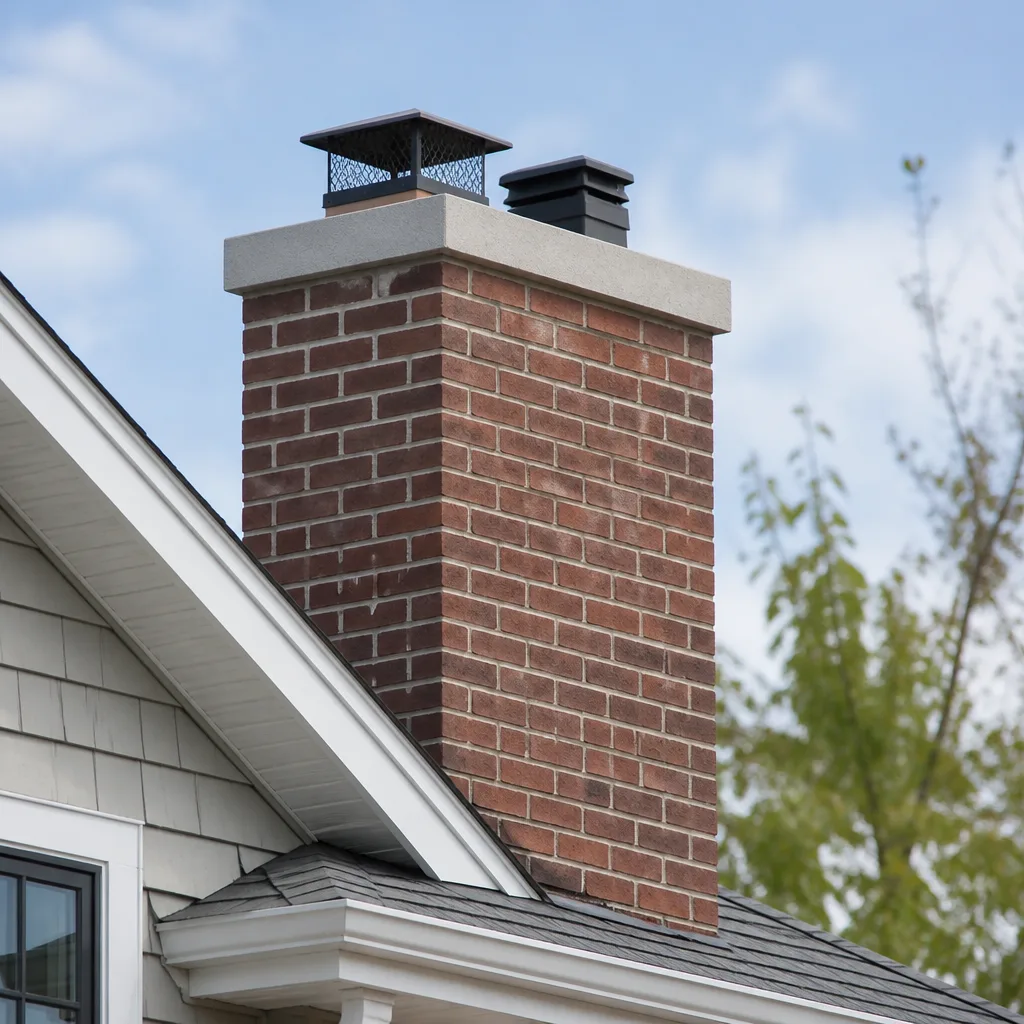
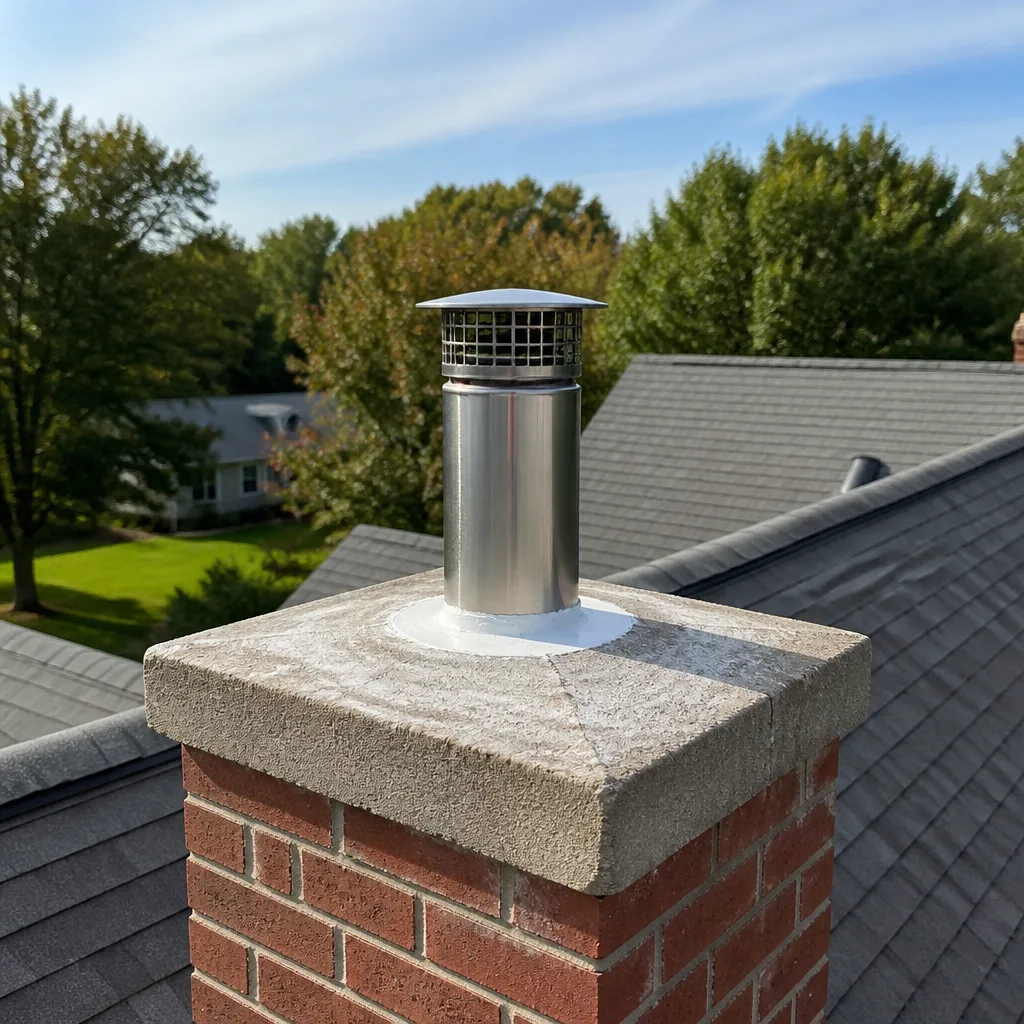
The cap sits at the top of the chimney and keeps rain, debris, birds, and downdrafts out. The crown is the concrete slab below the cap that seals the top of the masonry. When either fails, you get symptoms that look like a draft problem but aren’t.
A missing or damaged cap lets wind push directly down the flue. That’s why smoke backs up only on windy days. It also lets the marine layer pour in during summer, which starts the moisture cycle that causes odor, efflorescence, and eventually spalling. A replacement cap is a fast fix with an immediate improvement in draft and a long-term reduction in moisture.
A cracked crown lets moisture seep into the masonry slowly, silently, over years. By the time you see efflorescence in the firebox or crumbling brick on the exterior, the crown has been leaking for a while. Crown repair usually means sealing the cracks with a flexible compound, not tearing out the whole slab. In our experience, most San Clemente crowns can be sealed and stabilized without a full replacement if the damage is caught early.
Here’s how to tell which one you’re dealing with:
- Smoke on windy days only. Look at the cap. If it’s missing, damaged, or undersized for the flue, that’s the likely cause.
- Water in the firebox after rain. If it drips straight down, the cap is missing. If the interior brick just stays damp, the crown is cracked and the water is soaking through the masonry.
- Bird or squirrel sounds in the chimney. The cap’s mesh screen is missing or torn. Replace the cap before the nest blocks the flue.
- White streaks on the exterior chimney brick. The crown is cracked and moisture is moving outward through the masonry.
- Assuming smoke on windy days means the chimney needs sweeping. A dirty chimney smokes all the time, not just when the wind blows. Windy-day smoke points to the cap or crown. Paying for a sweep when the cap is missing doesn’t fix anything.
- Replacing a liner without checking the diameter. A liner that’s too narrow makes the draft worse, not better. Ask the contractor what size the flue is and what size liner they’re installing, and how they determined the match.
- Ignoring summer odor as “just how old chimneys smell.” In San Clemente, that damp smoky smell in July is moisture reacting with creosote. It means water is getting where it shouldn’t, and the marine layer is making it worse.
- Sealing a cracked crown with exterior caulk from the hardware store. Ordinary caulk can’t handle vertical masonry exposure or the temperature swings of a chimney chase. It fails within a season and hides the original damage.
- Waiting until the draft is visibly bad to schedule a sweep. By the time the fireplace is hard to light and smoke lingers, creosote has already built to a glaze in the flue. That’s a more involved removal than a routine sweep.
- Treating the chimney and dryer vent as unrelated systems. Both move hot exhaust and combustion byproducts out of the house. Both catch fire when they’re neglected. One provider for both means neither gets forgotten.
- Using the fireplace after noticing falling debris in the firebox. Flaking brick or mortar particles landing in the firebox mean the structural lining is failing. Burning a fire before it’s inspected risks a chimney fire in the damaged area.
We install Olympia Chimney and Gelco caps, both built for coastal exposure and sized to the flue. A properly fitted cap costs a fraction of the masonry repair that follows if it’s left off. The crown and cap work together as the chimney’s roof. When both are sound, the flue stays dry and the draft stays consistent.
Common Mistakes to Avoid
When to Call a Professional
Call a professional when the problem involves anything you can’t see from the firebox, or any component that contains fire. That means flue blockages, liner damage, cap replacement at roof height, crown sealing, masonry repair in the firebox, and any creosote buildup thicker than a light dusting. If smoke backs into the house on windy days, if you smell damp smoke in summer, or if you see crumbling brick or rust staining inside the firebox, those are all diagnosable failures, and a camera inspection will confirm the cause in under an hour. Chimney Sweep San Clemente offers free estimates in San Clemente, with trade-grade repair options from HeatShield, DuraFlex, Gelco, Olympia Chimney, and Famco. Call (877) 798-8489. We answer 24/7. Fast dispatch from 7am to 7pm, Sunday through Friday.
Frequently Asked Questions
A basic sweep in San Clemente typically ranges from $150 to $300 depending on the flue condition, the level of creosote buildup, and whether the chimney has been maintained recently. Glazed creosote removal costs more because it requires rotary tools and chemical treatment. The final price is set by a written estimate after we see the flue with a camera. Call (877) 798-8489 for an exact quote. Estimates are free.
Summer smoke odor in San Clemente is usually moisture reacting with creosote inside the flue. The marine layer condenses on the cool flue walls during morning hours, and the damp creosote releases a smoky smell as the house warms up. The fix is identifying where the moisture enters, usually the cap or crown, and then treating the residue. A sweeper can remove the creosote, but the moisture source has to be sealed or the smell returns.
The National Fire Protection Association standard is to sweep when creosote reaches 1/8 inch thick, but for most San Clemente homeowners who burn intermittent fires through the cooler months, an annual sweep before the burning season is the practical schedule. If you burn more than three cords a year or burn green wood, you may need mid-season service. We recommend a camera inspection with every sweep so you’re not paying for work that isn’t needed yet.
Not always. A cracked or deteriorated liner is a safety problem and should be addressed, but not every old liner needs replacement. Some damaged tile liners can be resurfaced with HeatShield, which restores the internal flue surface without a full teardown and reline. If the liner is collapsed or the flue dimensions are wrong for the appliance, a DuraFlex liner matched to the correct diameter is the proper fix. The decision should come from a camera inspection, not age alone.
You can remove loose soot from the firebox, but sweeping a flue properly requires reaching from the roof with the right equipment, and glazed creosote won’t come off with a household brush. More importantly, a DIY sweep doesn’t include a camera inspection, so you’ll never know if the flue has cracks, a failing liner, or moisture damage that the brush can’t fix. The sweep is only half the service. The inspection is what tells you whether the chimney is safe to burn.
Creosote builds to a glaze, the flue narrows, and the chimney becomes a combustion risk. A chimney fire burns at temperatures that can crack tile liners, warp metal, and spread to the house framing. The insurance implication is real too. Many homeowner policies require documented maintenance, and a claim after a chimney fire with no sweep history can be denied. An annual sweep with a camera report is the documentation that protects you. Call (877) 798-8489 to schedule before the burning season. Estimates are free.
The Bottom Line
Chimney problems in San Clemente are diagnosable, not mysterious. Smoke on windy days points to the cap or crown. Summer odor points to the marine layer meeting creosote in a damp flue. White powder, flaking brick, and rust streaks in the firebox each point to a specific component failure. The wrong fixes, like an undersized liner or a caulk-sealed crown, make the original problem worse and can put your insurance at risk. The right fix starts with a camera inspection that shows you the failure before any work is quoted. Sweep, repair, and dryer vent under one provider is the whole story. Call (877) 798-8489 for a free estimate. We answer 24/7. Fast dispatch from 7am to 7pm, Sunday through Friday.
Written by the team at Chimney Sweep San Clemente, serving San Clemente since 2017.
See the difference
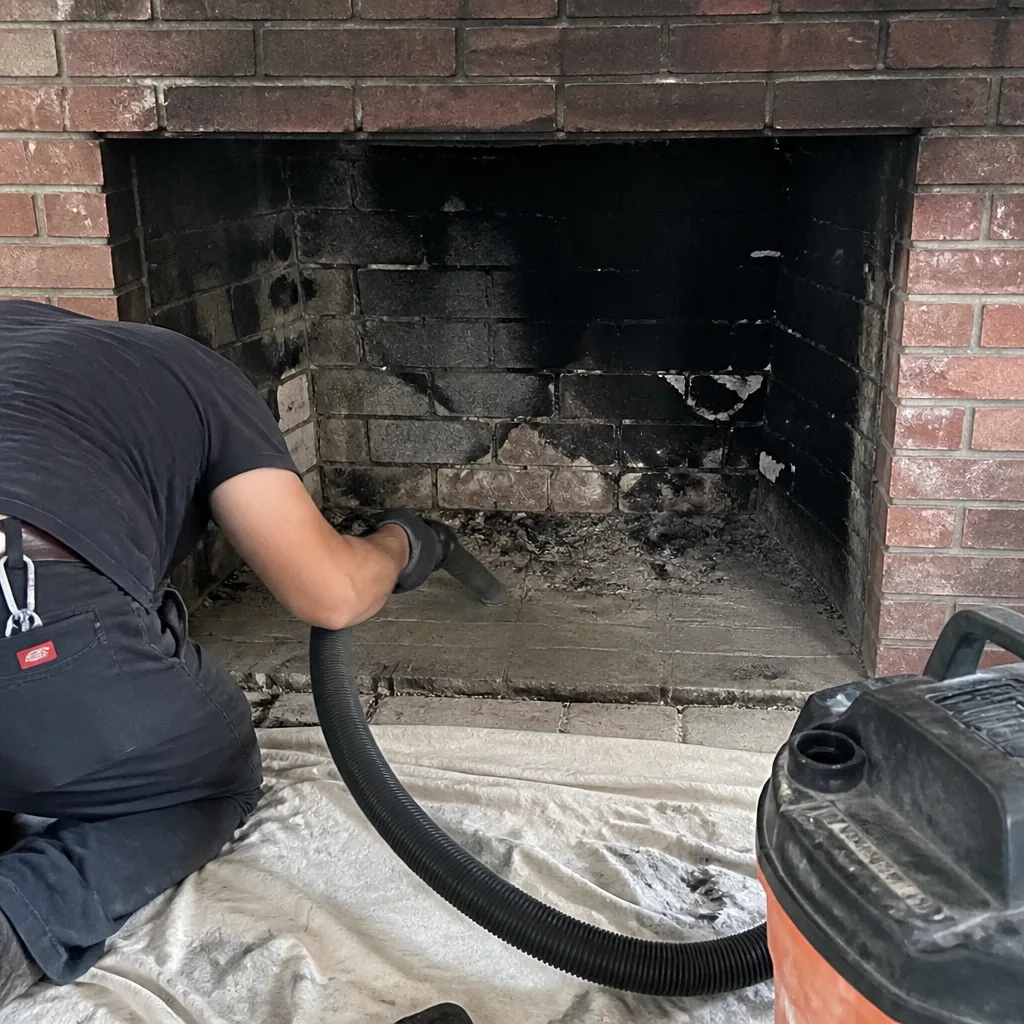 Before
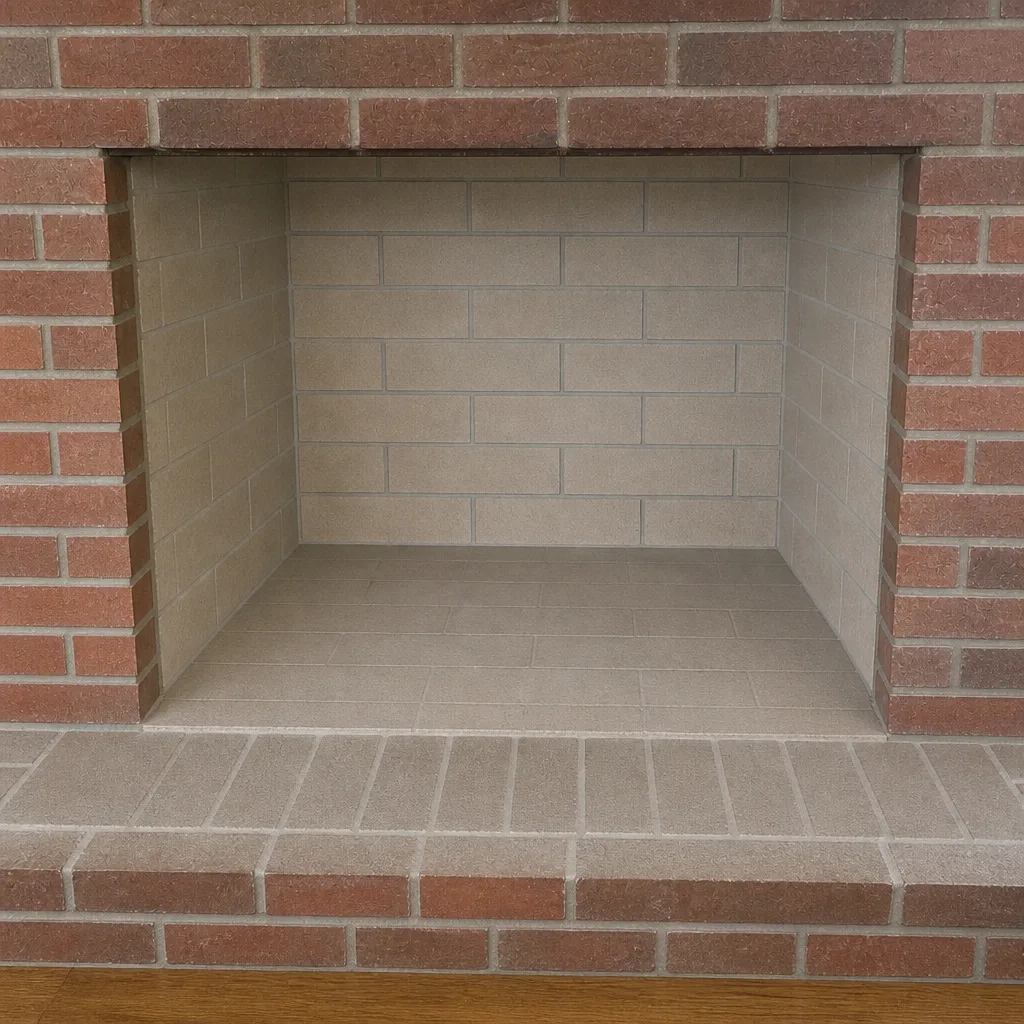 After
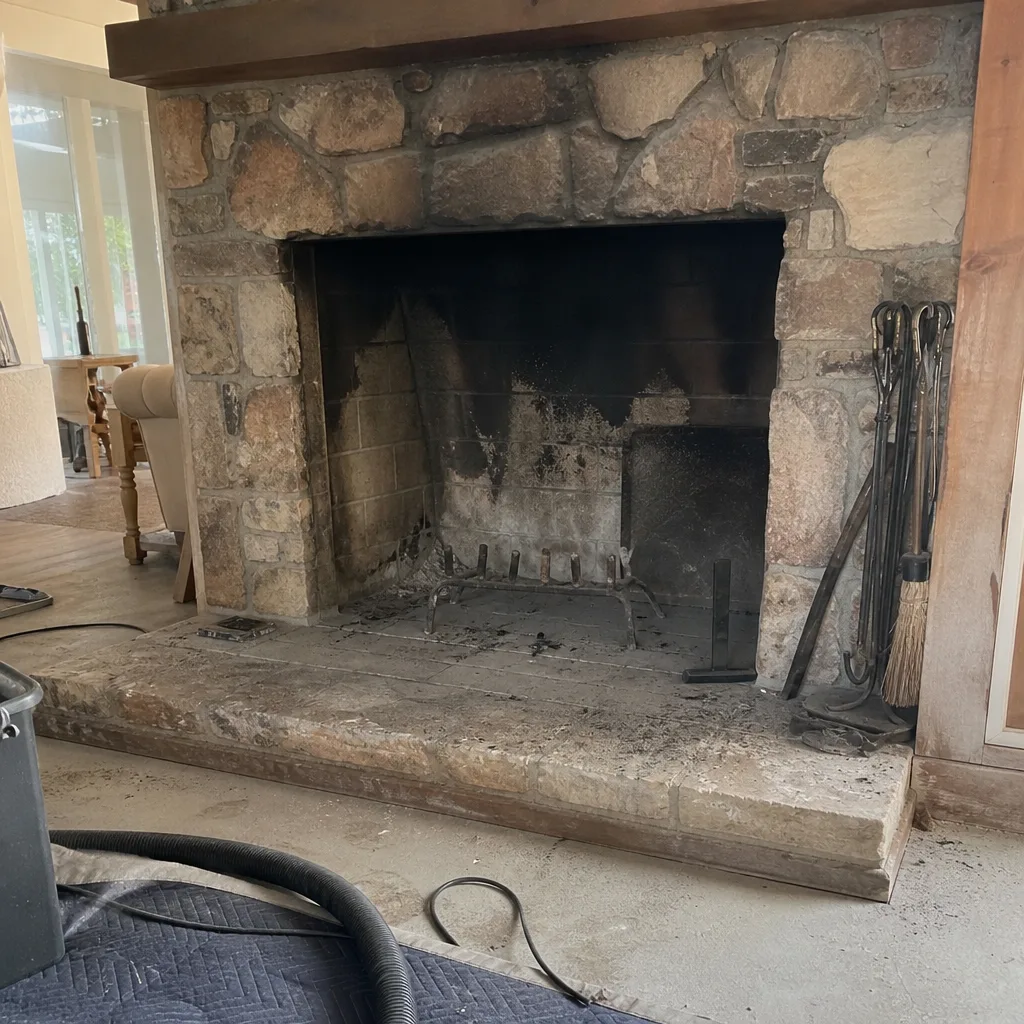 Before
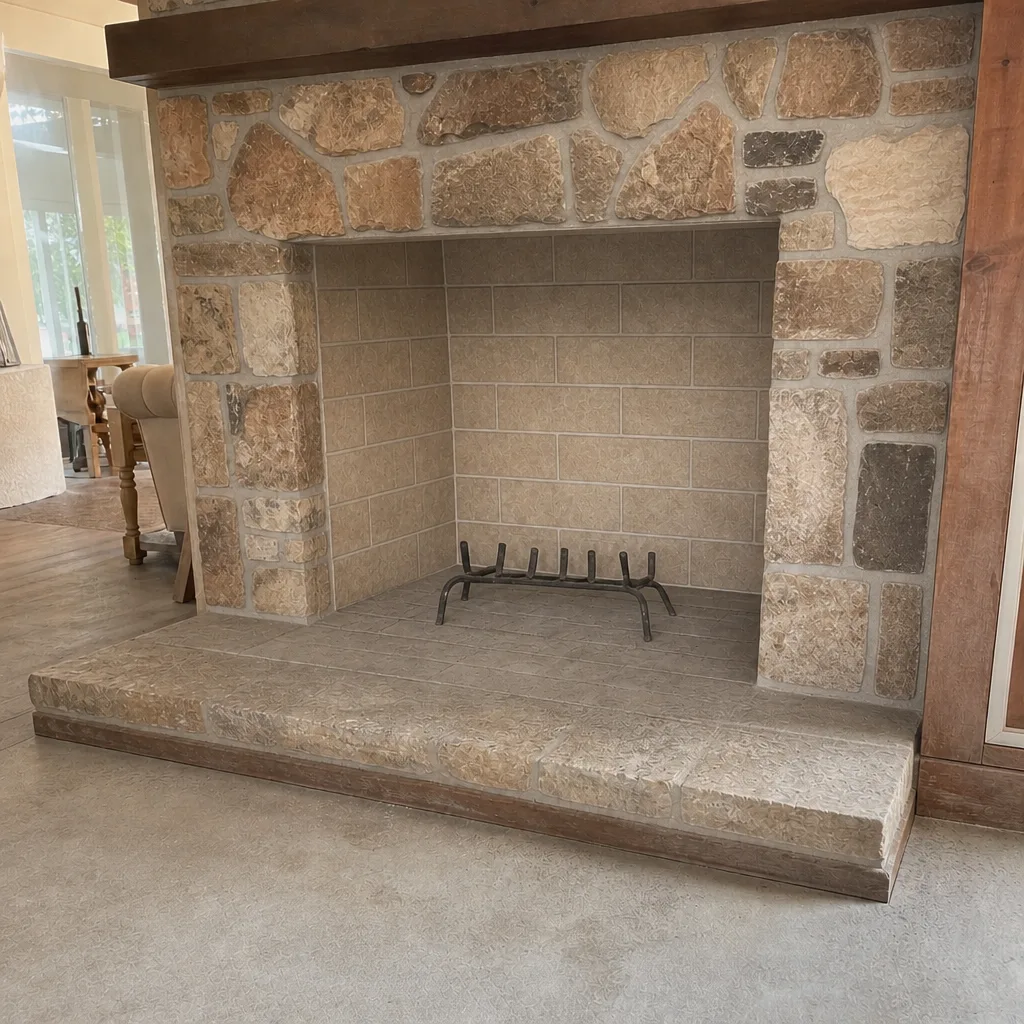 After
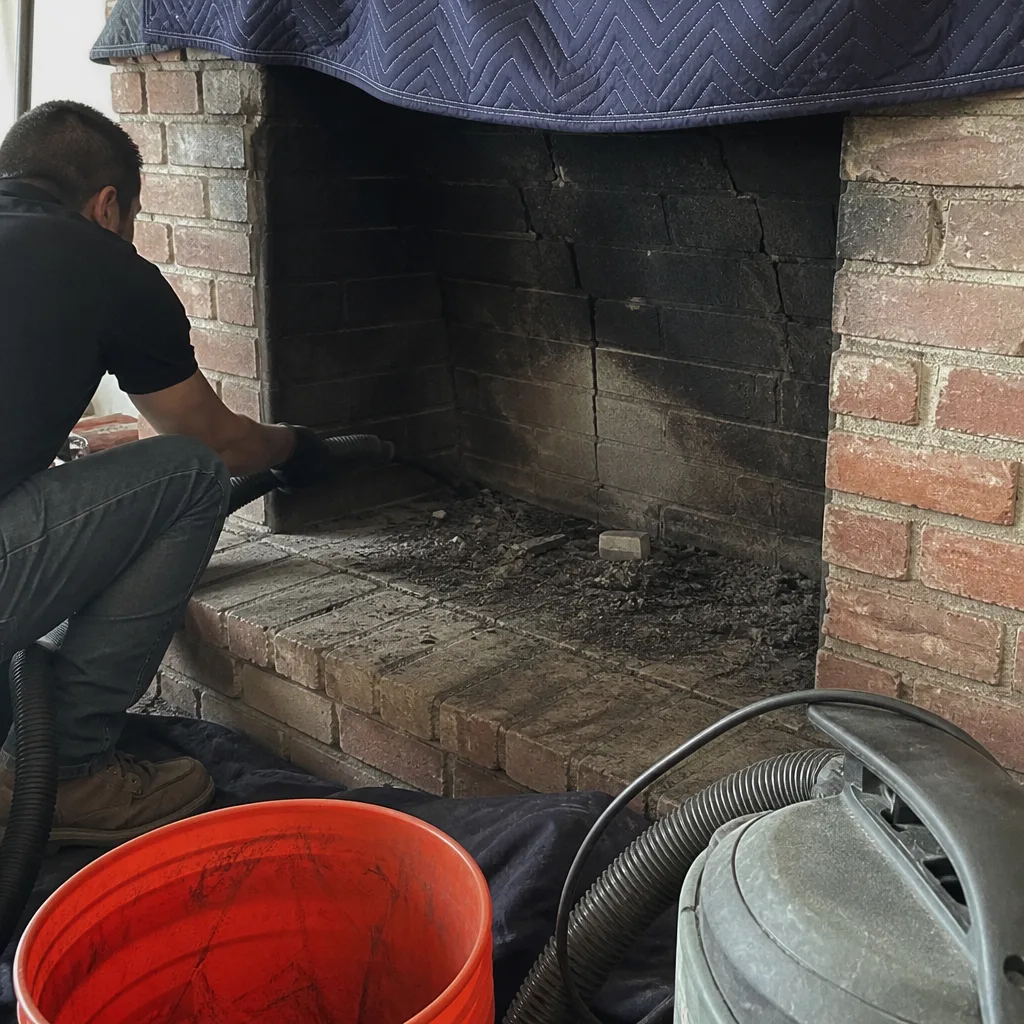 Before
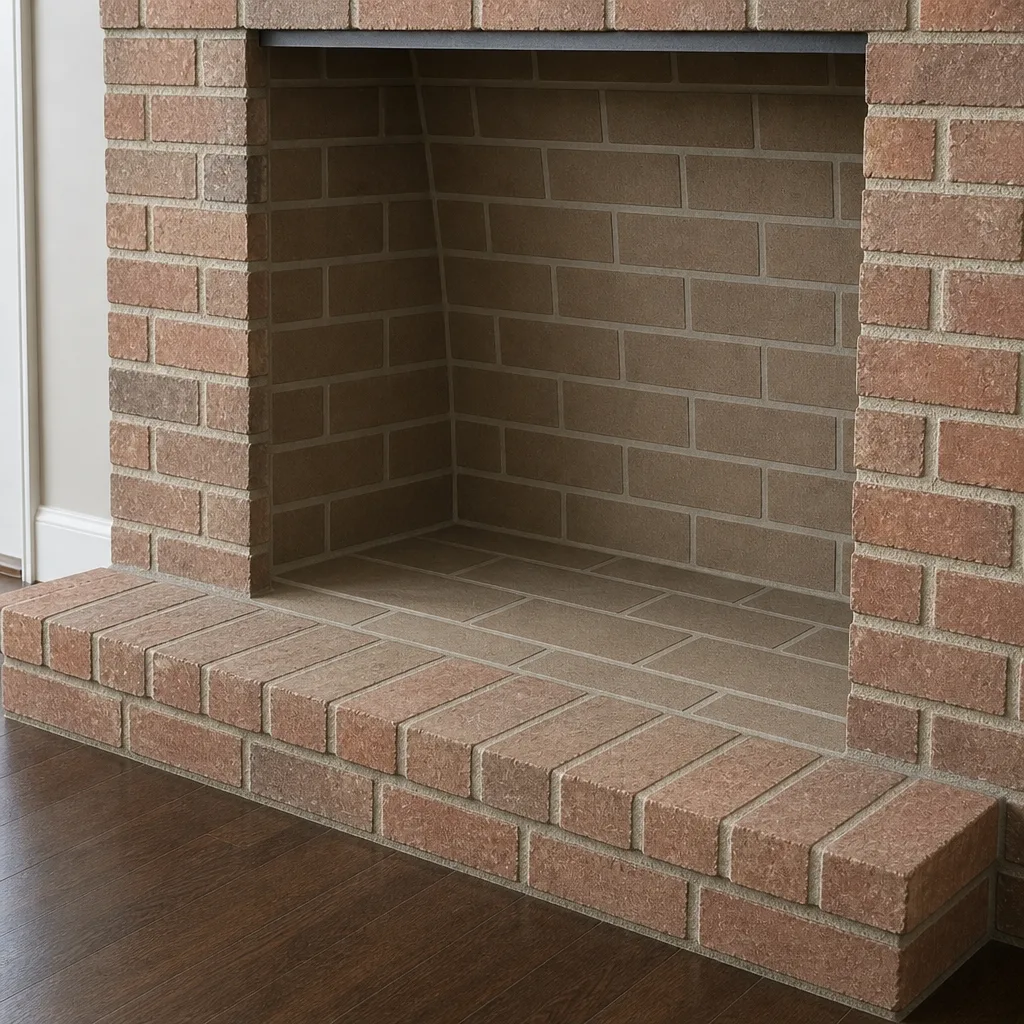 After