
Last updated November 4, 2026
 Sweep & inspection
 Caps & crowns
 Flue relining
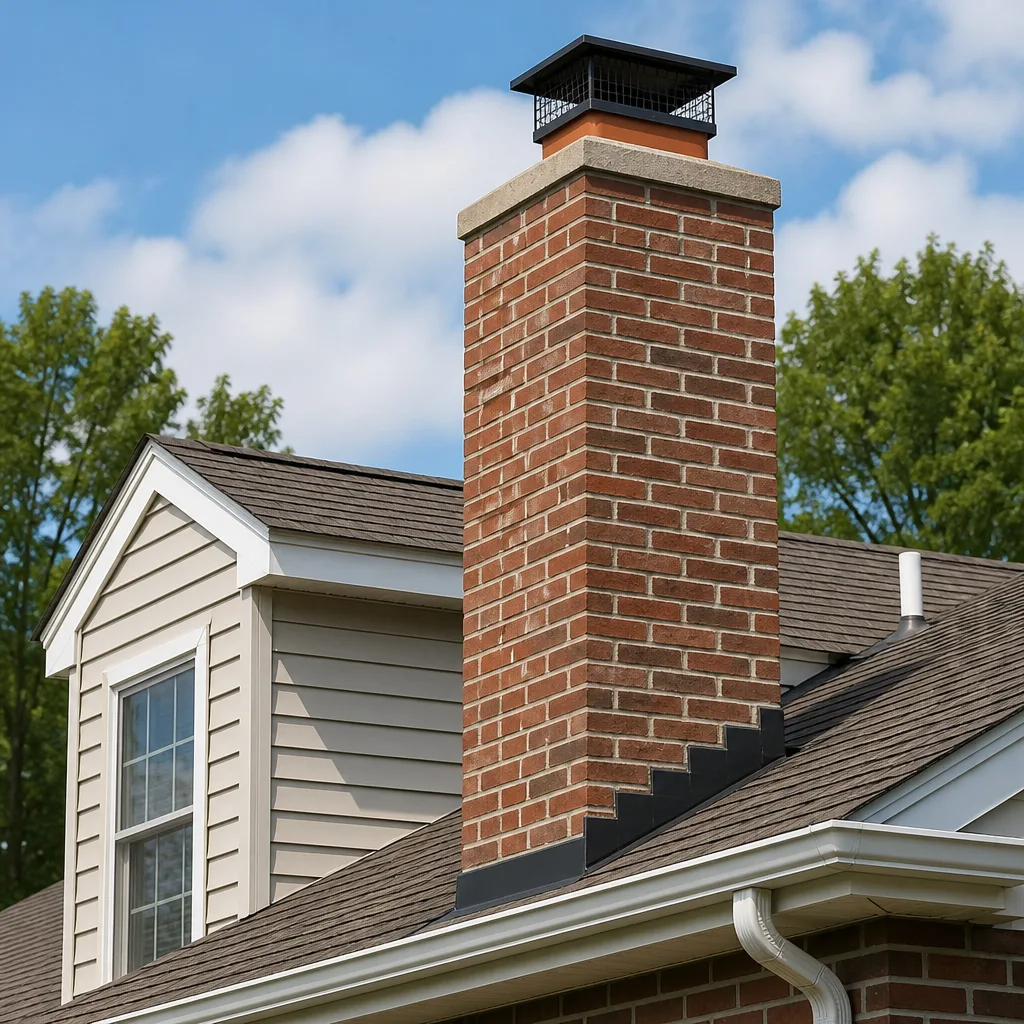 Masonry repair
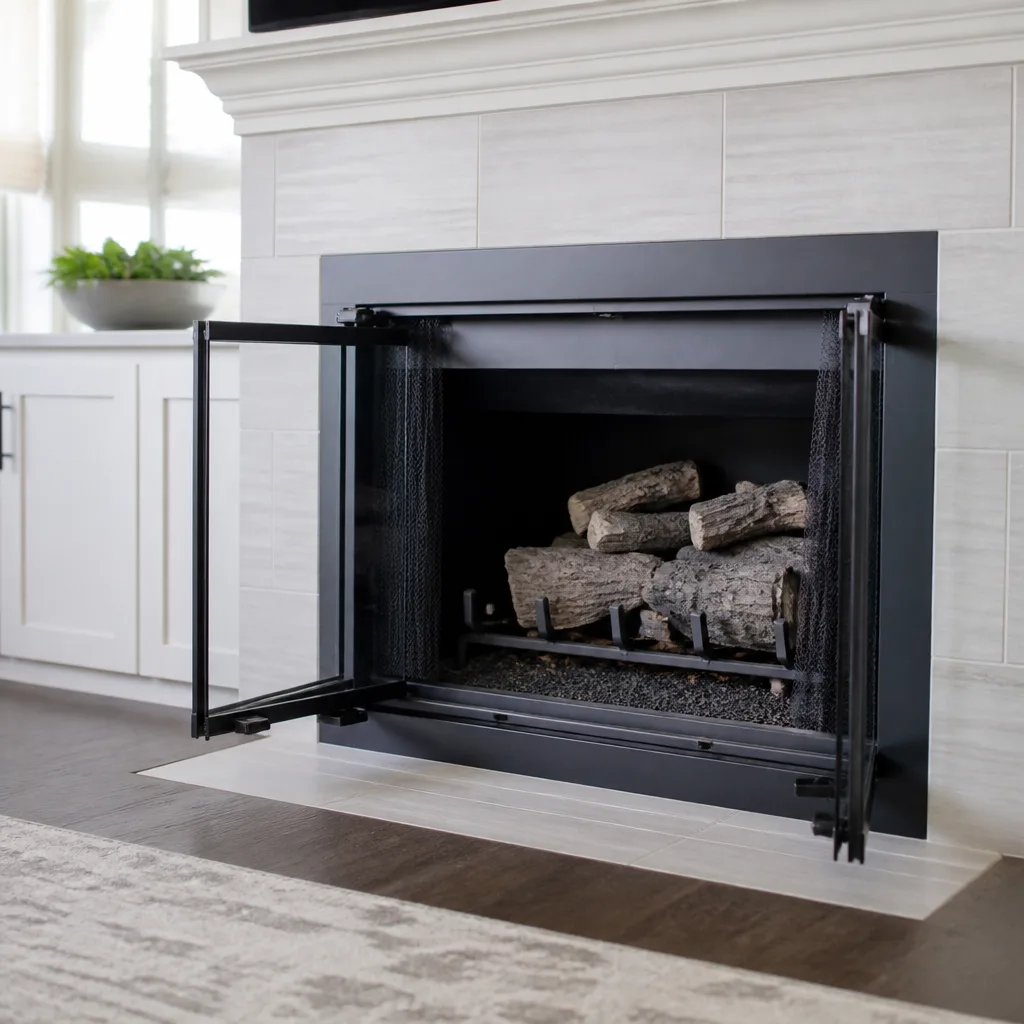 Gas fireplace service
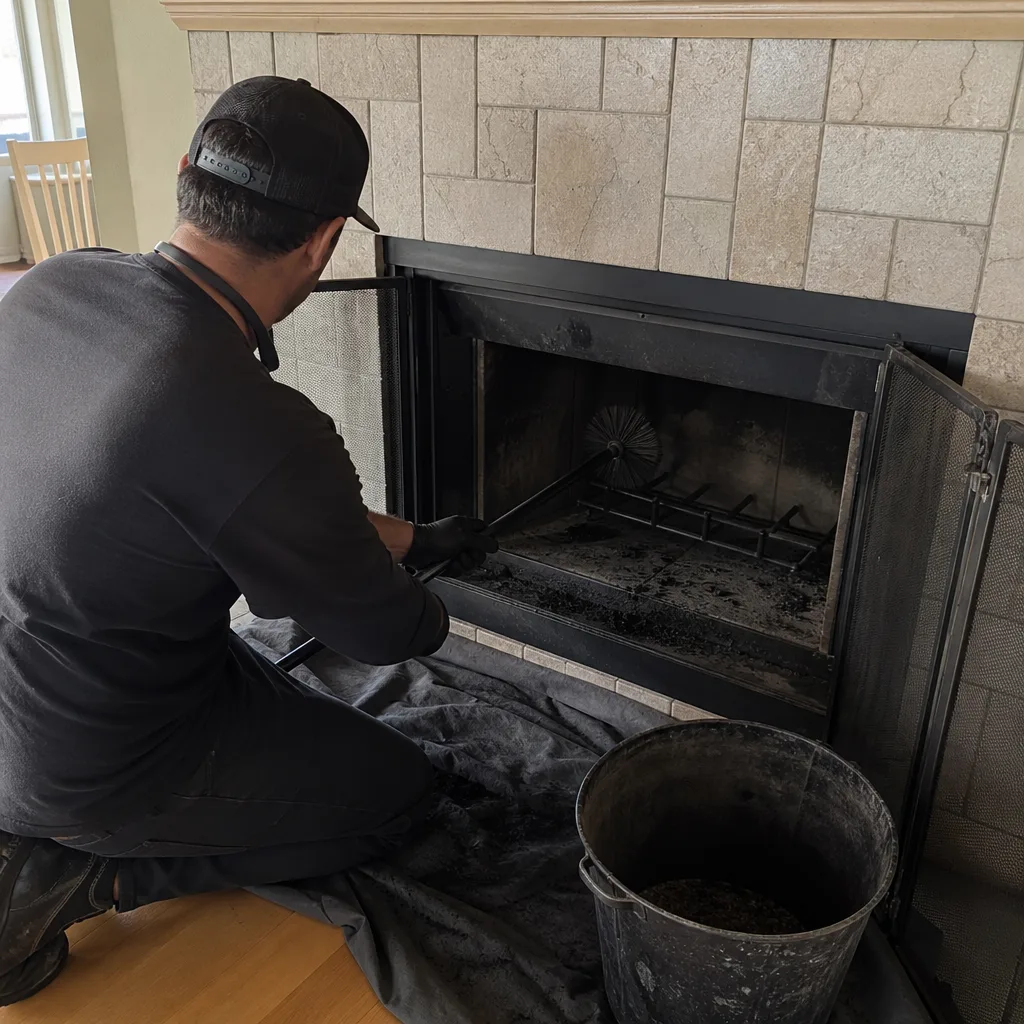
Level 1 sweep and inspection to the NFPA 211 annual standard - flue, crown, cap, and flashing checked and photographed
Chimney sweep logs do not sweep chimneys. They loosen some creosote - which then falls where a brush and vacuum still have to collect it.
DIY vs Professional Chimney Cleaning: The San Clemente Homeowner’s Decision Guide
You can scrub a chimney flue with a brush kit from the hardware store, walk away feeling accomplished, and not remove a single gram of the glaze creosote that actually causes chimney fires. Worse, you’d have no way to know the difference. That’s the uncomfortable truth about DIY chimney cleaning in San Clemente. The brushing part isn’t the hard part. The knowing part is. This guide walks through what self-cleaning genuinely can and cannot accomplish, where the real risks hide, and how to make a decision you won’t second-guess when you light the first fire of the season.
Styles & brands we work with
- Sweep & inspection
- Caps & crowns
- Flue relining
- Masonry repair
- Gas fireplace service
Quick Answer
DIY chimney cleaning works for light ash and loose soot removal, but it cannot address stage-two or stage-three creosote, and it skips the diagnostic inspection that catches cracked flue tiles, deteriorated mortar joints, and improper clearances before they become fire or carbon monoxide hazards. For most San Clemente homeowners who burn wood regularly, a professional chimney sweep is the safer and ultimately more economical choice because the inspection is included and documented. If you rarely use the fireplace and only need superficial ash cleanup, basic DIY maintenance may be appropriate.
Table of Contents
- What DIY Chimney Cleaning Actually Does
- The Creosote Problem: Why Brushing Isn’t Enough
- The Diagnostic Gap: What a Trained Eye Sees
- What’s Genuinely DIY-Appropriate
- The Honest Cost Comparison
- Insurance and Liability: The California Reality
- What San Clemente Homeowners Specifically Need to Know
- Common Mistakes to Avoid
- When to Call a Professional
- Frequently Asked Questions
- The Bottom Line
What DIY Chimney Cleaning Actually Does
A basic DIY chimney cleaning kit typically includes a wire or poly brush, fiberglass rods, and a tarp. The process involves running the brush up and down the flue from either the roof or the firebox to knock loose soot and light creosote deposits. That’s what it does. It mechanically agitates the surface layer of the flue walls.
For a homeowner who burns seasoned hardwood occasionally, the flue may only accumulate a light dusting of soot mixed with stage-one creosote. Stage-one creosote is flaky and brushable. It comes off with moderate effort. That’s the scenario where DIY cleaning produces a satisfying amount of black dust in the fireplace and a visibly cleaner flue when you shine a flashlight up from the firebox.
But here’s the limitation. The brush reaches what it reaches. It follows the path of the flue, but it cannot apply consistent pressure to every surface, especially in offset flues, at smoke shelf corners, or through damper assemblies. It cannot scrub the areas where turbulence causes creosote to accumulate most heavily. And since most homeowners cannot safely access the full length of the flue from the roof, the upper third of the chimney often goes untouched.
In San Clemente, where mild winters mean occasional rather than daily burning, the creosote that does form has longer to cool and harden between fires. That changes what a brush can do. The deposits are not always the soft, flaky kind. We’ll get into that next.
The Creosote Problem: Why Brushing Isn’t Enough
Creosote forms when wood smoke condenses on the relatively cooler walls of the chimney flue. It exists in three stages, and most homeowners have never heard of stages two and three. That knowledge gap is exactly where the DIY-versus-professional decision should be made.
Stage-one creosote is the dusty, sooty, flaky form. A brush handles it reasonably well. If this is all you have, you’re in good shape.
Stage-two creosote is the turning point. It looks like shiny black flakes, similar to cornflakes stuck to the flue wall. It is denser, harder, and more stubborn. A standard brush glides over it without removing much. Professional sweeps address stage-two with rotary cleaning systems, which use chains or stiff synthetic whips spinning at high speed to abrade the surface. That’s a fundamental mechanical difference, not just a matter of effort or time.
Stage-three creosote is the dangerous one. It’s a hard, glazed, tar-like coating that forms when stage-two deposits bake under repeated high heat. It is highly concentrated fuel. This is what sustains chimney fires. Removing stage-three creosote requires chemical treatment, often followed by aggressive rotary cleaning, and sometimes mechanical scraping. No brush-and-rod kit from a home center will make meaningful progress on glaze creosote. You could spend an entire afternoon working at it and leave most of the fire hazard intact, convinced you’ve done the job.
What a Rotary Cleaning System Removes That a Brush Kit Cannot
- Stage-two creosote adhered to flue walls with enough density to resist brush bristles
- Stage-three glaze creosote when combined with knockdown chemicals that break the bond
- Creosote accumulated in flue offsets, at the smoke shelf, and around the damper housing
- Deposits in hard-to-reach upper flue sections that roof-access brushes miss
This is not about trying harder with a brush. It’s about applying a different mechanism entirely. The physical force and coverage of a rotary system, guided by a professional who can feel the flue conditions through the equipment, simply exceeds what manual rods deliver.
The Diagnostic Gap: What a Trained Eye Sees
Here’s where the DIY-versus-professional conversation takes on weight beyond elbow grease. When a certified chimney technician performs a cleaning, they are not just removing deposits. They are reading the flue. The same physical work done by a homeowner produces none of that information because the homeowner lacks the interpretive framework to see it.
What does a technician notice that a homeowner doesn’t?
- Cracked flue tiles. A vertical hairline crack in a clay tile liner is the early warning of a future chimney fire. Heat and combustion gases escaping through that crack can reach combustible framing. A technician recognizes the pattern and the implication.
- Deteriorated mortar joints between flue tiles. Joints open up over time. Gaps allow heat transfer and gas leakage. A technician spotlights these and documents them.
- Spalling or crumbling brick on the interior flue surface. This indicates moisture intrusion or aging masonry. It changes the chimney’s structural performance.
- Improper clearances to combustibles. An older San Clemente home may have framing closer to the chimney masonry than current code allows. A professional identifies this risk even when the chimney looks fine from the outside.
- Damper function and seating. A damper that doesn’t seal wastes energy and can admit cold air or, worse, allow downdrafting. It’s only obvious when you know what a properly seated damper should look like after cleaning.
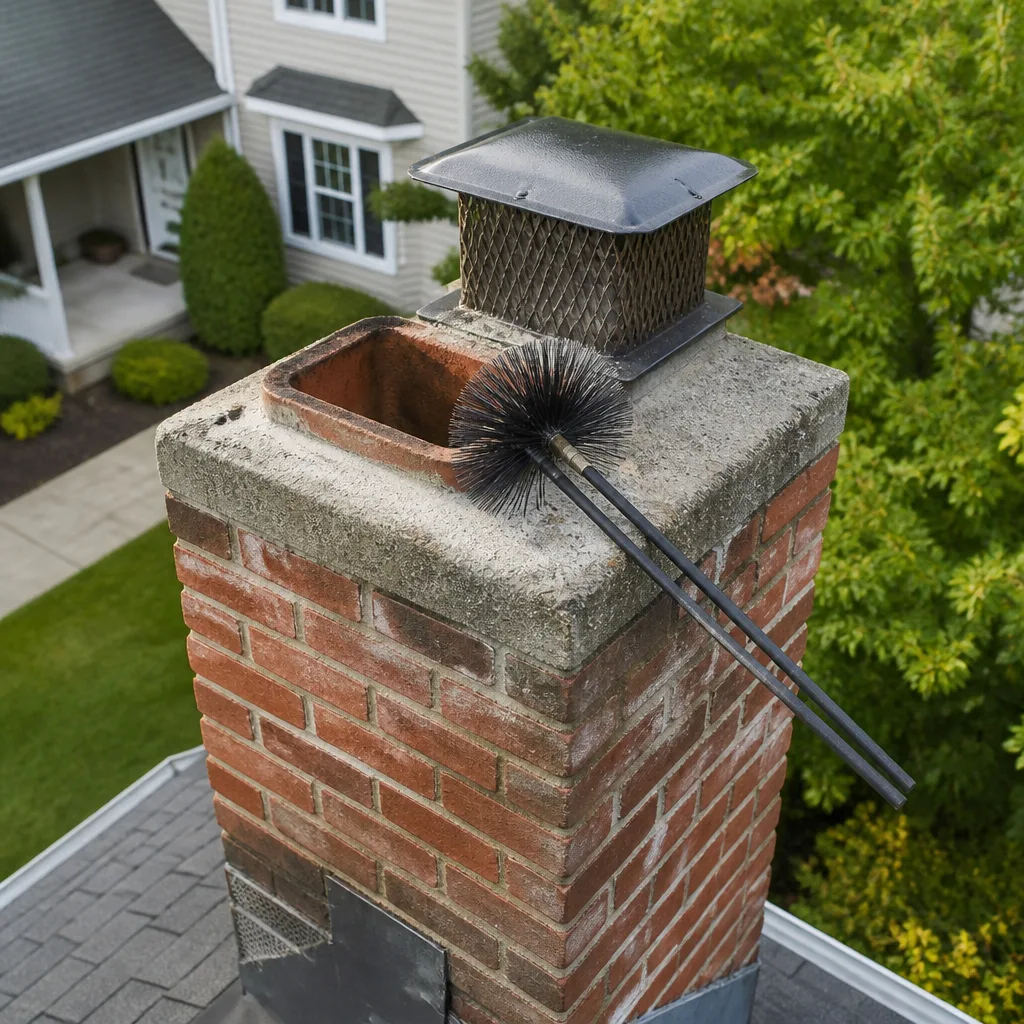
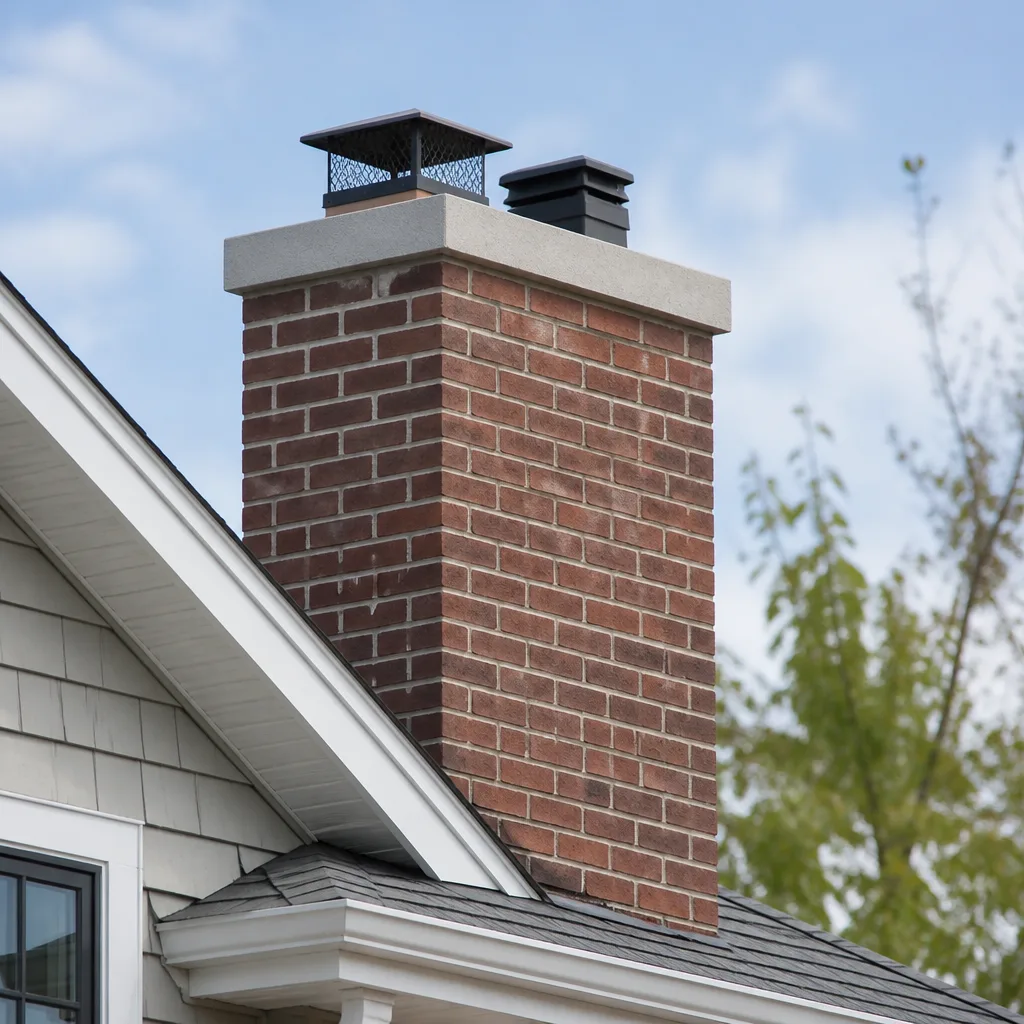
- Wash deterioration and cap condition. The chimney crown and cap protect the entire system from moisture. Hairline cracks in the wash let water into the masonry. It’s often visible from the roof, but only meaningful to someone who’s looked at hundreds of them.
The diagnostic gap is this: a homeowner can do the physical work of a sweep and still have no written record of what the flue condition actually is. No baseline. No professional assessment. If something goes wrong a year later, there’s no inspection trail.
What’s Genuinely DIY-Appropriate
We’re not here to say homeowners should never touch their chimneys. Far from it. There are legitimate maintenance tasks that don’t require professional equipment or training. Knowing where that boundary sits is the whole point of this guide.
- Visual exterior checks from the ground. Walk around your home and look at the chimney. You’re checking for obvious lean, missing bricks, a cracked or missing chimney cap, or vegetation growing from mortar joints. Binoculars make this easier. You’re not diagnosing anything. You’re noticing red flags worth a call.
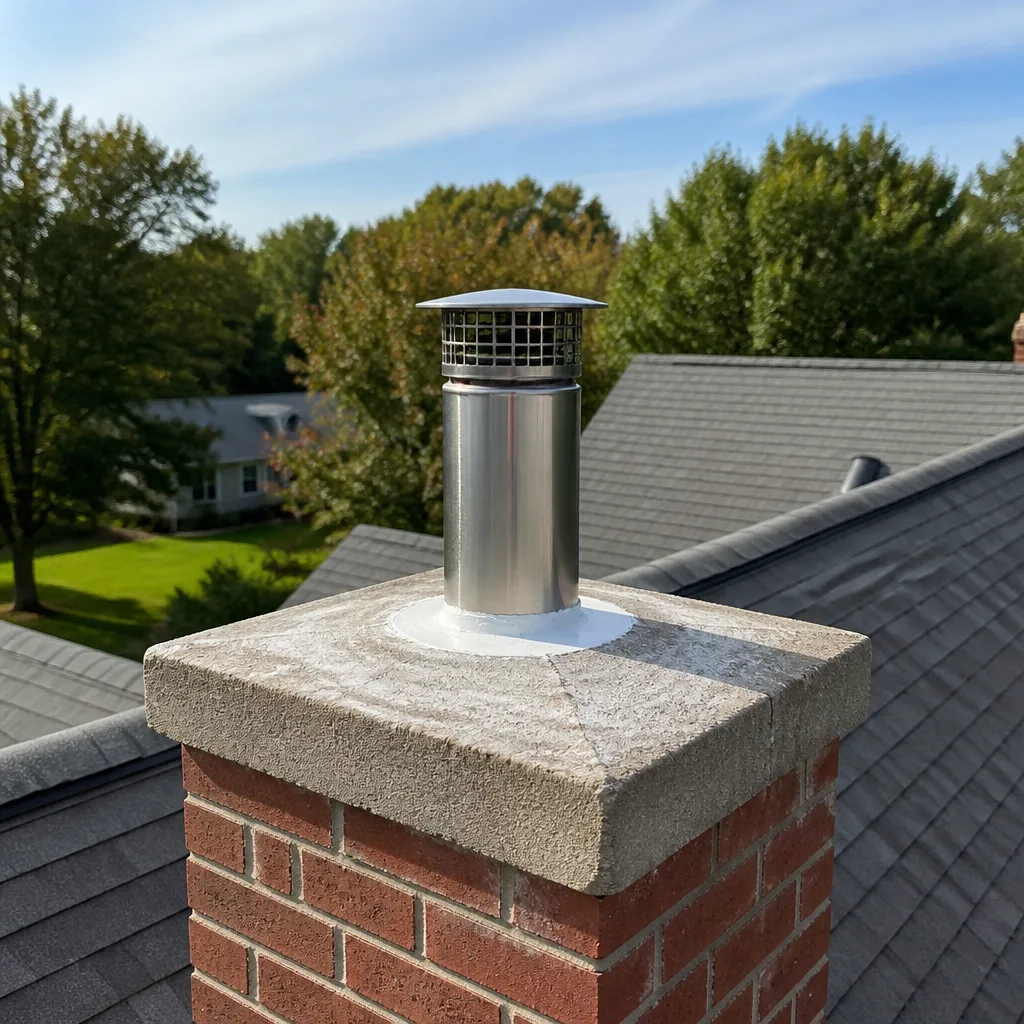
- Cap and spark arrestor inspection from a safe position. If you have a single-story home in San Clemente and can safely use a ladder with a spotter, you can visually confirm the cap is present and not rusted through or clogged with debris. This is a see-it-and-report task, not a fix-it task.
- Firebox ash removal. Shoveling out loose ash from the firebox floor before it builds up is fine. Leave about an inch of ash in place, it insulates the firebox floor and makes the next fire easier to start. That’s the kind of practical knowledge every fireplace owner should have.
- Keeping the hearth area clear. Move combustible items at least three feet from the fireplace opening when a fire is burning. Screens and glass doors should be closed during use. This is everyday safety hygiene.
- Monitoring for signs between professional cleanings. If you notice a strong smoky odor from the fireplace even when it’s not in use, or if you see dark staining on the wall above the fireplace opening, those are indicators that creosote or drafting problems exist. You’re not fixing them. You’re recognizing them.
These tasks keep you engaged with your chimney’s condition without crossing into work that requires roof access, specialized tools, or diagnostic training. That’s the appropriate DIY scope.
The Honest Cost Comparison
Let’s talk about money plainly, because that’s what usually tips the decision. The question isn’t just “what does a pro cost versus what does a DIY kit cost?” The real question is what you’re getting for each dollar.
Here’s a typical breakdown, using estimated ranges common in the San Clemente market:
| Expense | DIY Typical Range | Professional Typical Range |
|---|---|---|
| Cleaning equipment (brush kit, rods, tarps, ladder if needed) | $60 – $150 one-time, plus replacement brushes over time | Included in service |
| Chimney cleaning service | N/A | $200 – $380 in San Clemente |
| Inspection with written report | Not included | Included |
| Creosote disposal | Your time and cleanup supplies | Included |
| Time commitment | 3 – 6 hours first time, including setup and cleanup | 90 minutes to 2 hours, you don’t lift a finger |
| Roof access risk | Your risk, your ladder, your balance | Covered by professional equipment and experience |
The equipment cost for DIY runs from about $60 to $150 for a starter kit. That gets you a brush, rods, and a tarp. What it doesn’t get you is the inspection report, the rotary cleaning ability for stage-two deposits, or the knowledge that the flue is actually safe to use. And it doesn’t include your time, which in San Clemente is not free for most working homeowners.
The professional route costs more in cash outlay. But it buys a verified result, a written record, and a set of trained eyes on every surface of the flue. When you factor in the value of documentation for insurance purposes and the early detection of a liner problem that would cost thousands to repair if left unaddressed, the math shifts significantly.
Insurance and Liability: The California Reality
This section matters more than most homeowners realize. If you perform your own chimney cleaning and a chimney fire occurs, your insurance carrier will investigate the fire’s cause. One of the first questions asked will be whether the chimney had been professionally inspected and maintained.
Here’s what that looks like in practice. A homeowner with no professional inspection records but a receipt for a brush kit faces a harder conversation with a claims adjuster than a homeowner with a professional cleaning and inspection report dated within the last 12 months. The insurance company isn’t necessarily denying the claim outright. But the documentation gap creates questions about reasonable maintenance that the homeowner has to answer.
California’s insurance market has tightened considerably. Carriers have become more rigorous about maintenance documentation, particularly for fire-related claims. That’s not a scare tactic. It’s the lived reality of underwriters working in a state with significant wildfire exposure and intense scrutiny on residential fire prevention.
There’s also a liability angle. If a chimney fire spreads beyond your property and damages a neighbor’s home, or if a family member is injured, your level of professional maintenance documentation becomes evidence in any resulting claim or litigation. The absence of professional records doesn’t automatically make you liable. But it removes a layer of protection.
We’re not saying a DIY cleaning makes you uninsurable. We’re saying the documentation from a professional service is a real asset that has tangible value when a claim is filed. And claims do get filed every fire season in California.
What San Clemente Homeowners Specifically Need to Know
San Clemente occupies a particular niche in the Southern California climate picture. Mild winters mean most fireplaces are supplemental heating, not primary heat. That sounds like less wear and tear on the chimney. And in one sense, it is. But the intermittent usage pattern creates its own set of conditions.
When a fireplace is used only a few times per month during the cooler season, creosote has time to age between firings. It cools, settles, and hardens. The next fire bakes it further. Over a season of intermittent use, this cycle can produce denser stage-two deposits than you might expect from the total number of fires.
San Clemente’s housing stock also contributes. Older homes in this market often have original masonry chimneys that have weathered decades of coastal-influence moisture cycles. Mortar joints age. Clay tile liners crack from thermal stress. These are not dramatic, visible failures from the ground. They are slow, incremental deteriorations that a professional inspection catches early.
We also see a pattern in San Clemente: homeowners who own newer high-efficiency gas fireplaces often have flues that are oversize for the appliance, a condition that causes cool spots where condensation and creosote-like deposits accumulate even with gas burning. That’s exactly the kind of thing a trained technician documents and a homeowner with a brush never sees.
If your San Clemente home has both a fireplace and a clothes dryer connected to a vent system, this is also the moment to think about whole-home fire safety. Dryer vent cleaning addresses a hazard the NFPA has consistently identified as a leading cause of residential fires. The same provider who inspects your chimney can inspect your dryer vent on the same visit, which saves you a second appointment and gives you a complete picture of your home’s ventilation safety.
Common Mistakes to Avoid
- Assuming a clean-looking firebox means a clean flue. The firebox is the bottom of the system. The creosote problem lives in the flue above it. Shoveling ash out of the firebox and calling it a chimney cleaning is the most common DIY error we see in San Clemente homes.
- Using a wire brush on corroded or damaged flue tiles. Aggressive brushing on a compromised liner accelerates the damage. If you don’t know the liner condition before you start, you’re working blind.
- Cleaning from the roof without a proper harness and spotter. Roof falls are a real injury category. The San Clemente hillside lots often mean steep roof pitches. This is not a place to improvise.
- Burning manufactured logs as a cleaning method. The products marketed as “chimney cleaning logs” do not remove creosote. They may loosen stage-one flake in some cases, but they create no mechanical or chemical removal of stage-two or stage-three deposits. They also generate heat, which is exactly what you don’t want if the flue has a hidden crack.
- Ignoring the smoke shelf. The smoke shelf is the shelf-shaped area behind the damper. It collects debris, creosote, and sometimes bird nesting material. A brush from below rarely reaches it. A professional addresses it on every cleaning.
- Disposing of creosote waste improperly. Soot and creosote are not standard household waste. They need to be bagged and disposed of in a way that doesn’t create a fire hazard in your trash. Homeowners often carry the soot through the house in an open container, spreading black dust everywhere.
When to Call a Professional
Call a professional if you notice any of the following: a strong smoky odor from the fireplace when it’s not in use, visible dark staining on the wall or mantle above the firebox, flaking or crumbling brick on the exterior chimney, a chimney cap that’s missing or visibly damaged, or a fire that produces excessive smoke even with a properly open damper. These are not DIY evaluation points. They are signals that something inside the flue has changed.
If you’ve never had your chimney professionally inspected since moving into your San Clemente home, that’s another reason to schedule a cleaning now. The previous owner may or may not have maintained it. You have no way to know without a baseline inspection. Chimney Sweep San Clemente offers free estimates in San Clemente. Call (877) 798-8489. We answer 24/7. Fast dispatch from 7am to 7pm, Sunday through Friday.
Frequently Asked Questions
A professional chimney sweep in San Clemente typically runs $200 to $380, with the written estimate setting the final price before any work begins. That estimate is free. The service includes the cleaning and a professional inspection with documentation of what was found. Prices vary based on chimney height, accessibility, creosote stage, and whether additional services like cap replacement or liner repair are needed.
The NFPA standard is that chimneys should be inspected at least once a year and cleaned as needed based on the inspection findings. For San Clemente homeowners who burn wood more than a few times per month during the cooler season, an annual cleaning is the right rhythm. For occasional users, every other year may be sufficient, but the annual inspection should still happen. Call (877) 798-8489 to schedule an estimate and we can assess your specific situation before recommending a cleaning interval.
You can handle firebox ash removal and visual exterior checks yourself. For a rarely used fireplace that has been professionally inspected and found to have only light stage-one creosote, a DIY brush cleaning may be adequate as an interim measure. But the key words there are “professionally inspected.” Without a professional baseline, you don’t know what stage of creosote you have. If stage-two creosote is present, a brush will not remove it, and your self-cleaning creates a false sense of safety.
It can. The documentation gap matters in California, where carriers are increasingly focused on maintenance records in fire-related claims. A professional cleaning produces a dated inspection report that demonstrates reasonable maintenance. A DIY cleaning produces no third-party documentation. This doesn’t automatically invalidate coverage, but it complicates a claim. For San Clemente homeowners in wildfire-adjacent territory, that documentation has real value.
The short answer is cracked flue tiles, deteriorated mortar joints, improper clearances, damper malfunction, and early-stage masonry problems. These conditions are visible during a cleaning but only meaningful to someone with training in what healthy chimneys look like. The diagnostic layer is the real value of professional cleaning. The sweeping itself is the easier half of the job.
Yes, pairing chimney cleaning with dryer vent cleaning makes sense if both systems need attention, and doing them together saves you a separate appointment. The dryer vent is a separate fire hazard that many homeowners overlook entirely. A provider that handles both under one visit gives you a complete picture of your home’s ventilation safety. Call (877) 798-8489 for a free estimate on either or both services.
The Bottom Line
The DIY-versus-professional chimney cleaning decision comes down to one question: do you know what stage of creosote you have, and do you know what condition your flue liner is in? If the answer to either question is no, professional service is the right call. The brushing is not the hard part. The knowing is. In San Clemente, where intermittent fireplace use creates aging creosote and older homes carry invisible liner stress, the professional route delivers a verified clean, a documented inspection, and early warning of problems that cost many times more to fix later. A brush kit costs under $150. Ignorance of a stage-three creosote problem costs far more.
Written by the team at Chimney Sweep San Clemente, serving San Clemente since 2017.
See the difference
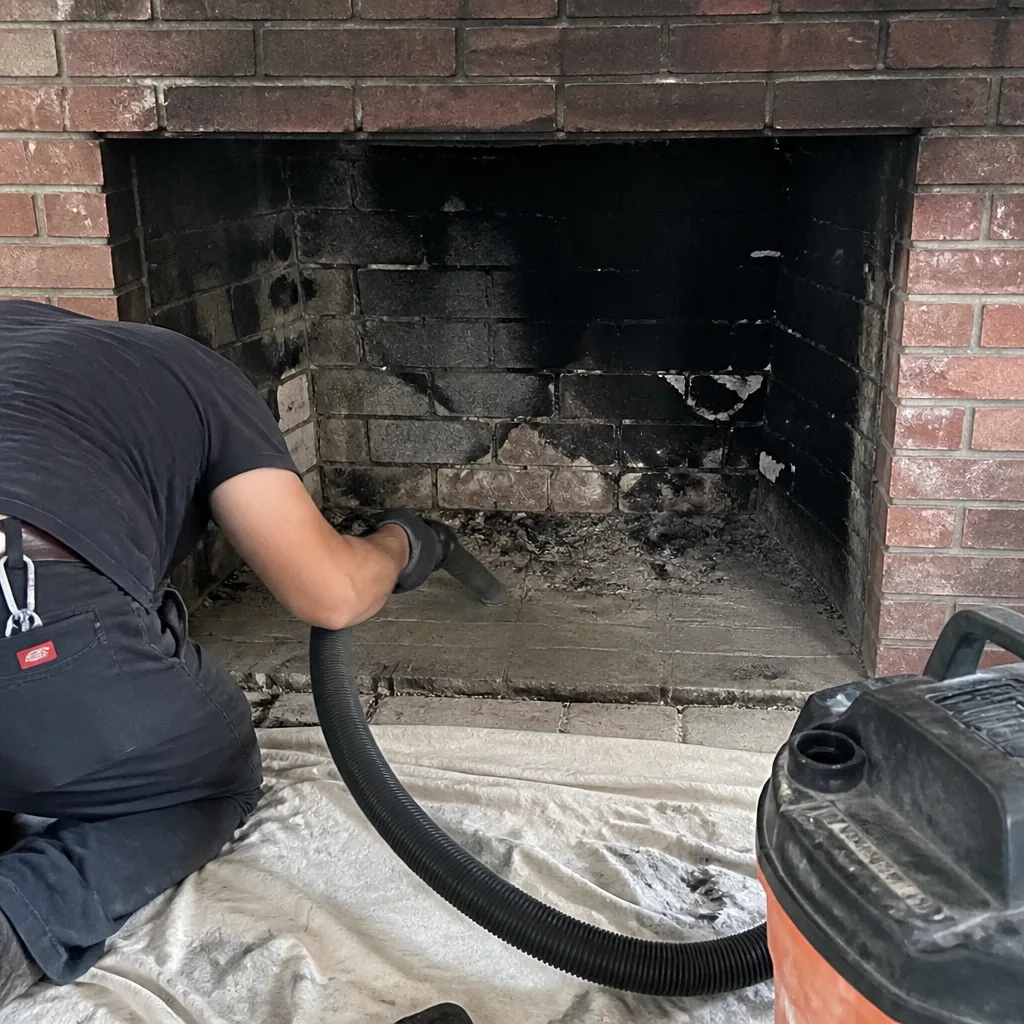 Before
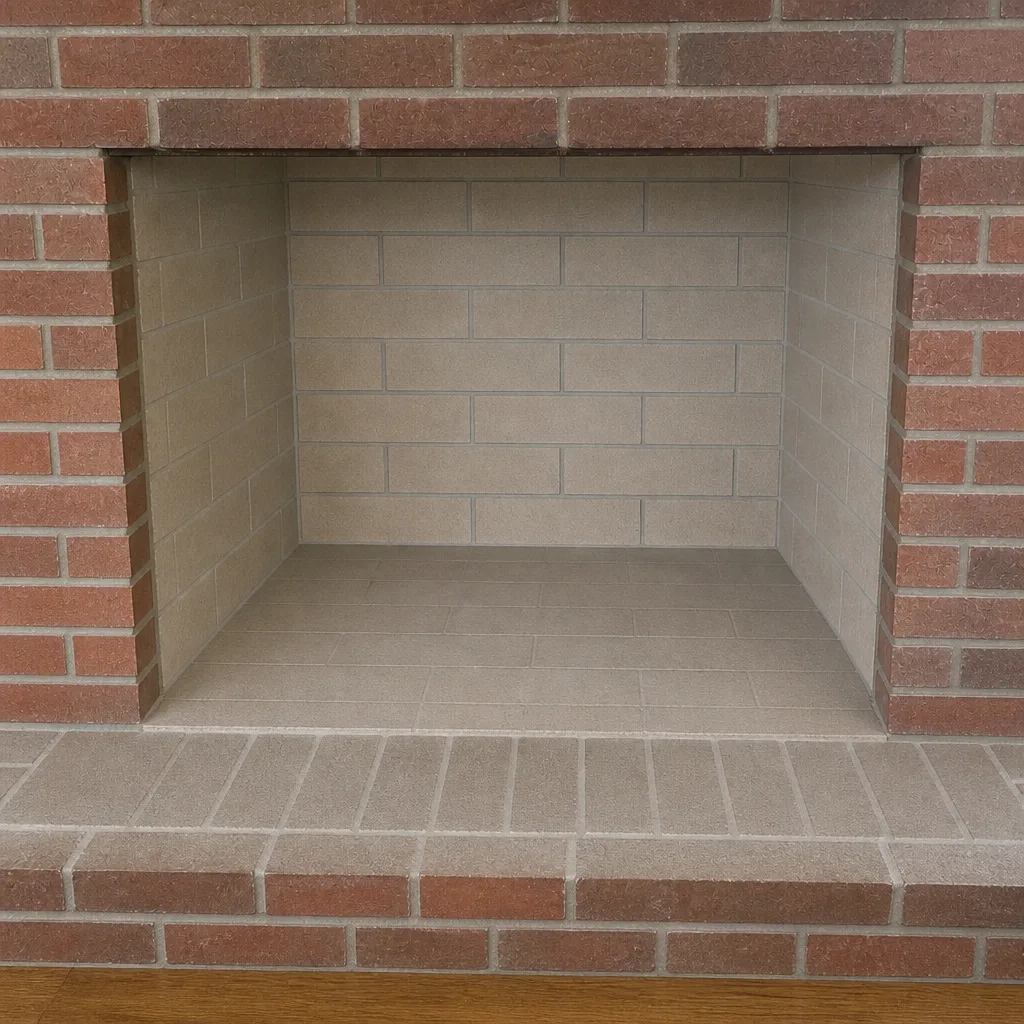 After
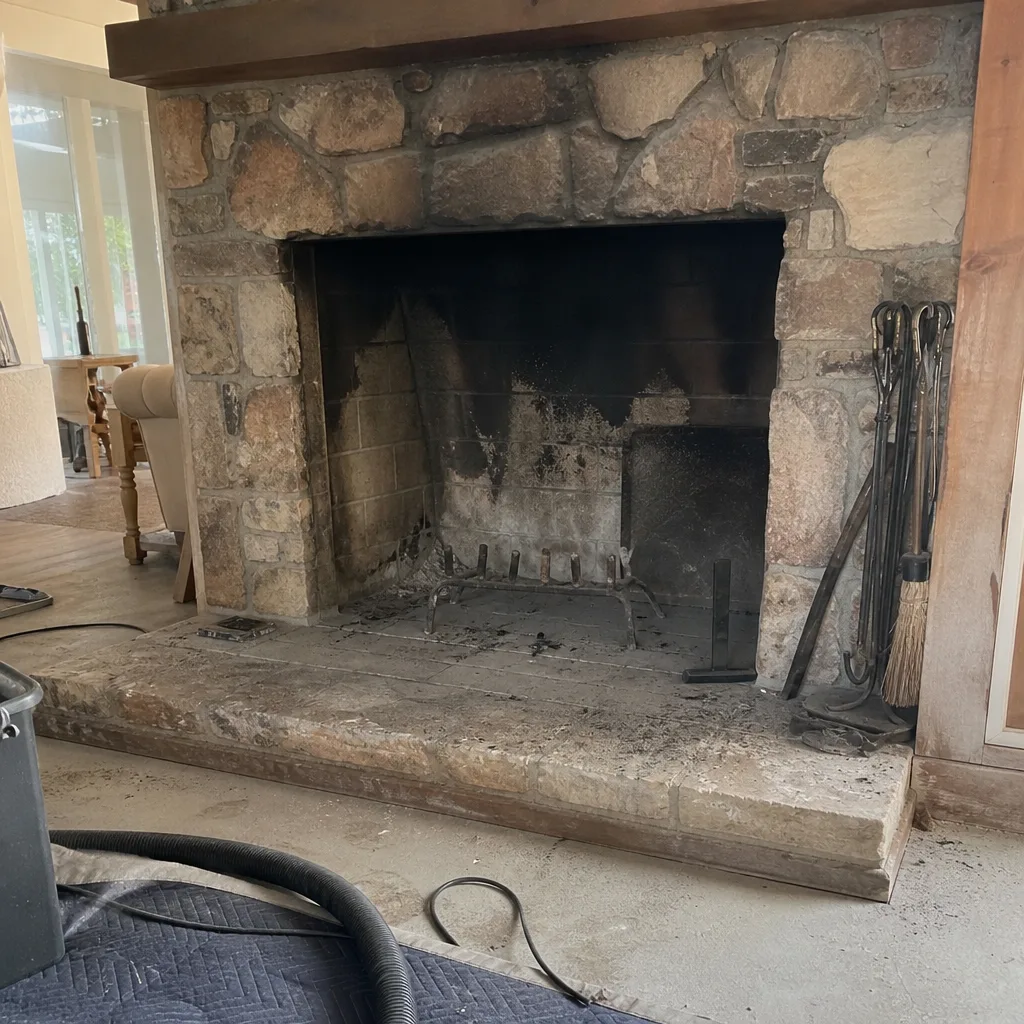 Before
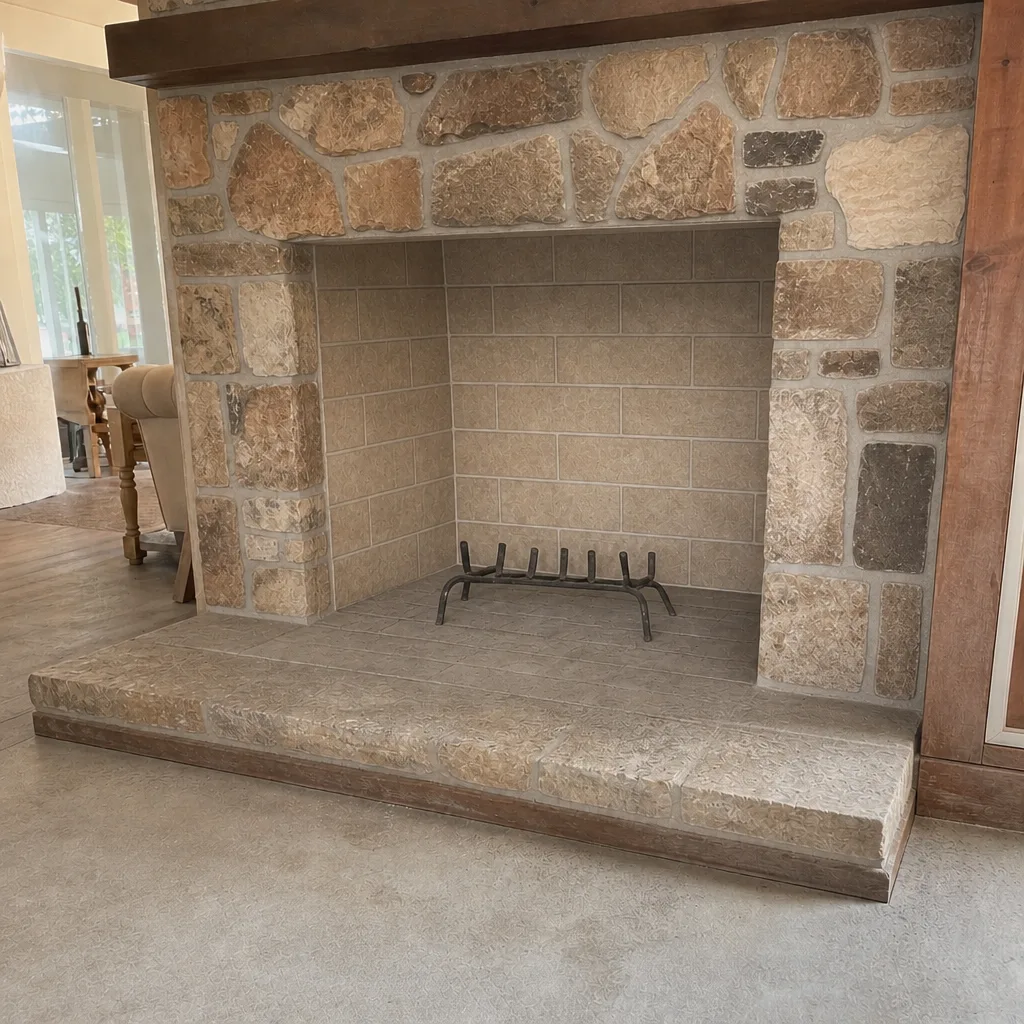 After
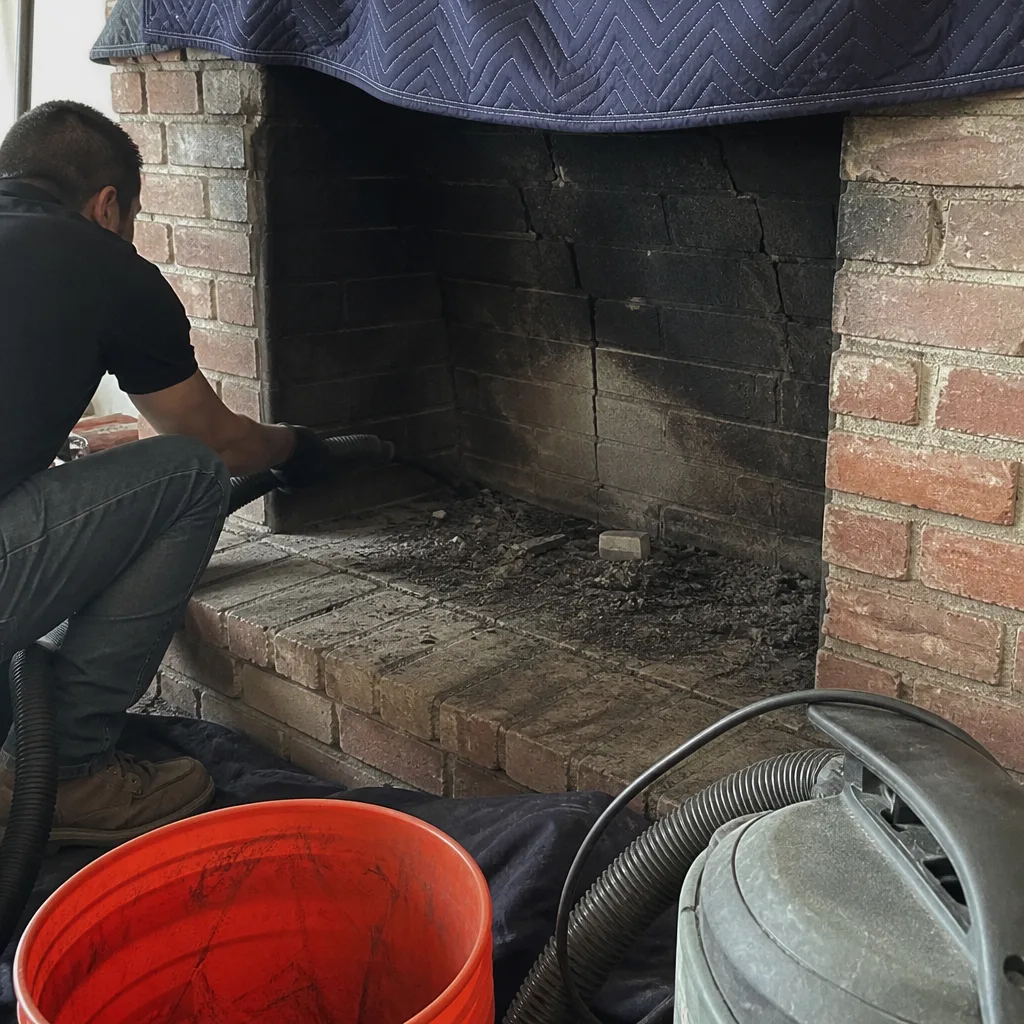 Before
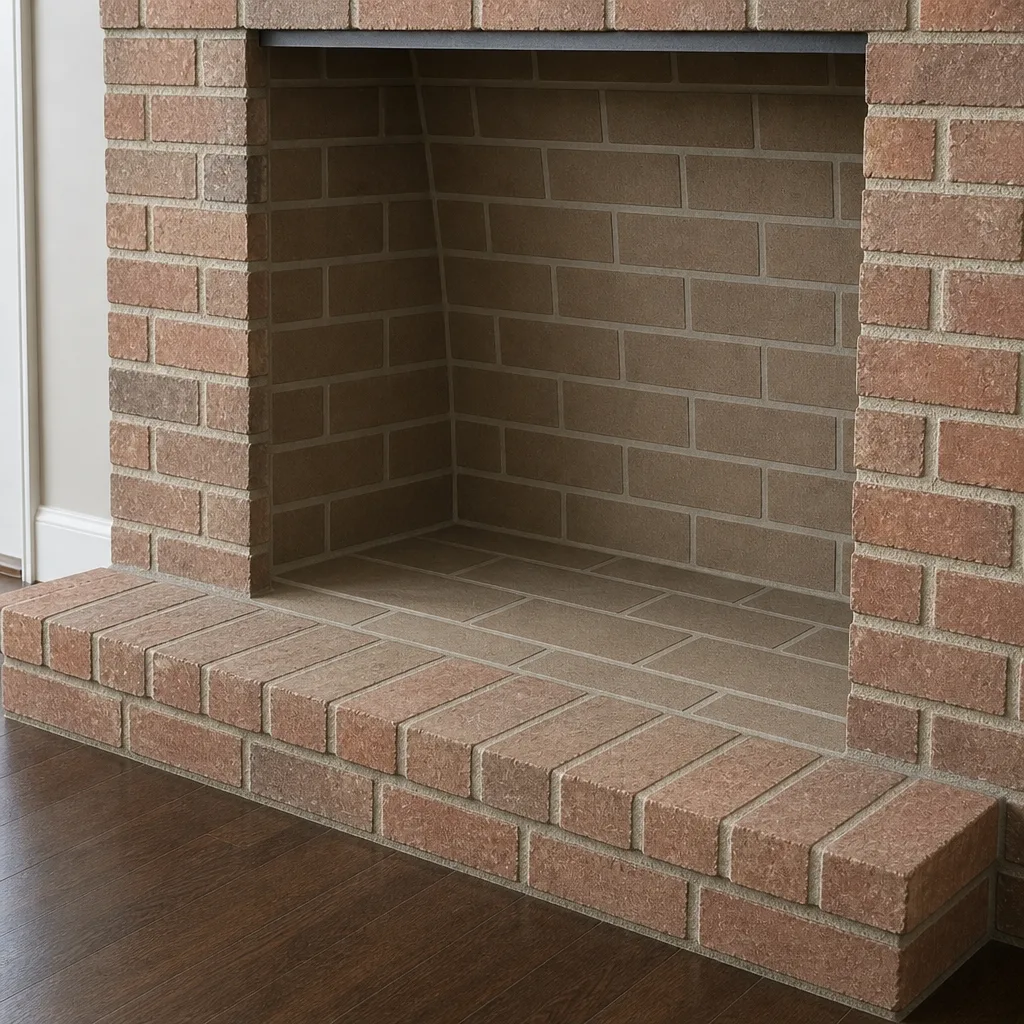 After