
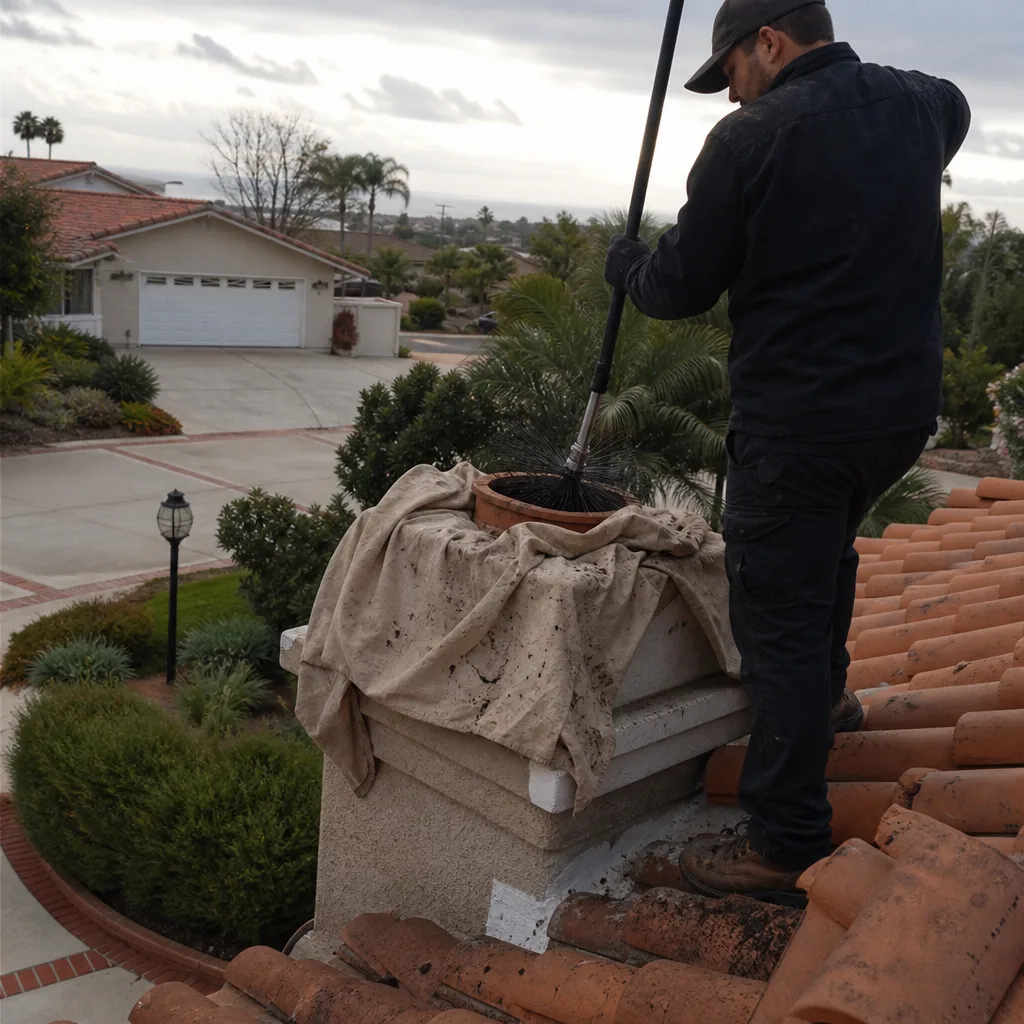
Last updated November 4, 2026
 Sweep & inspection
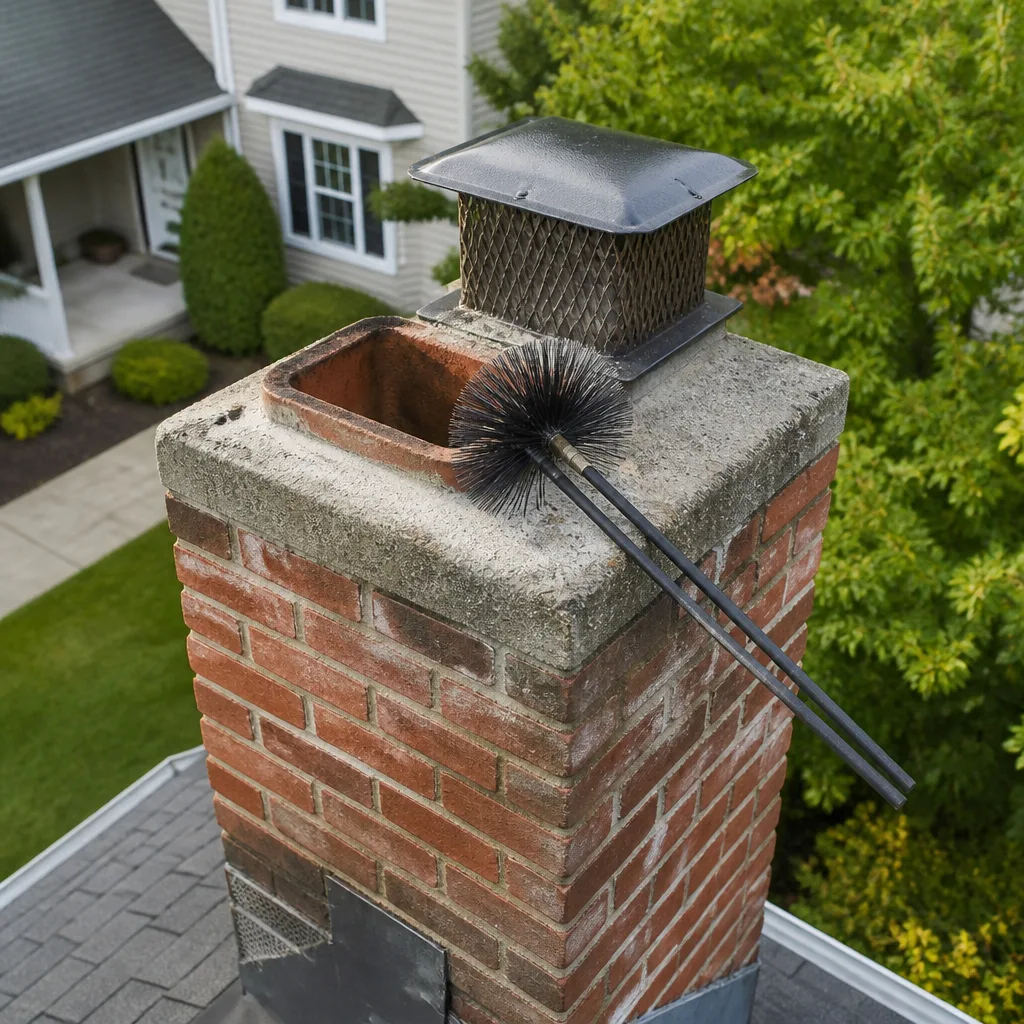
 Caps & crowns
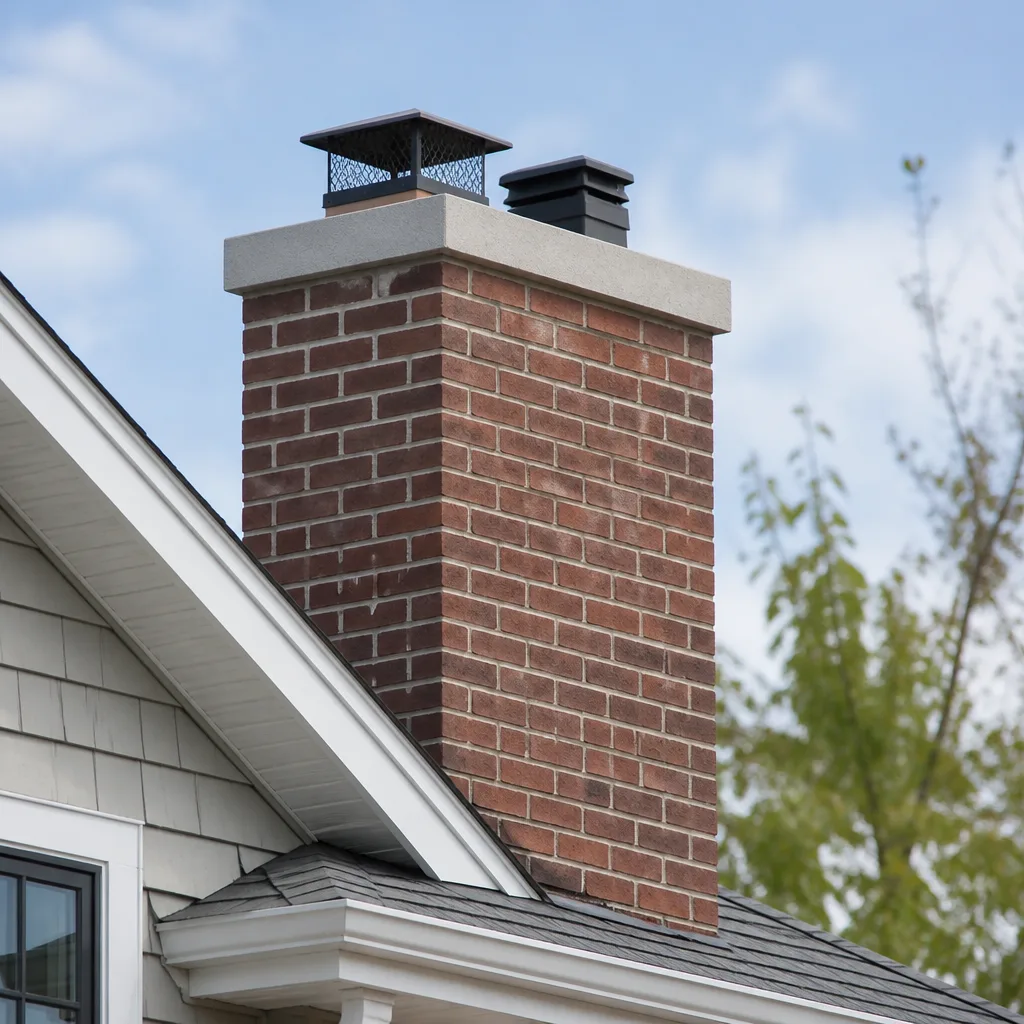
 Flue relining
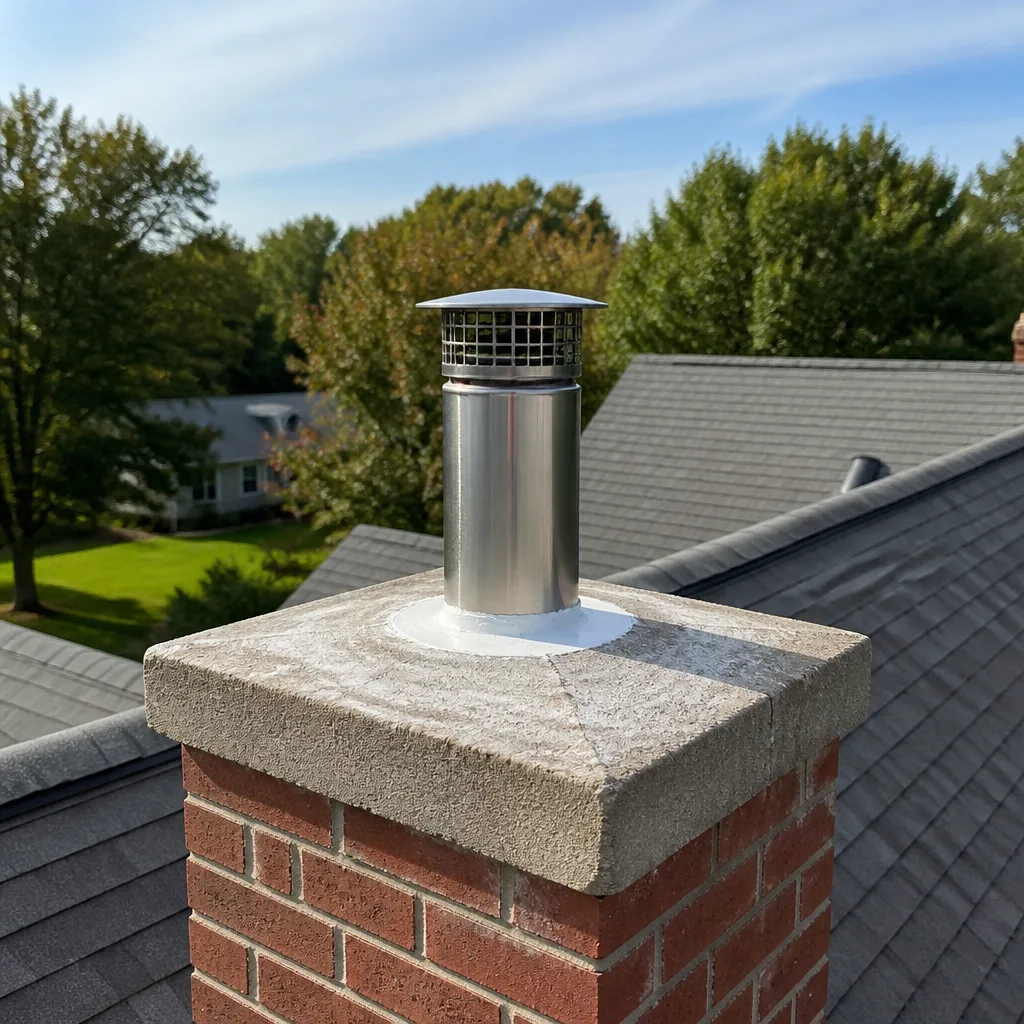
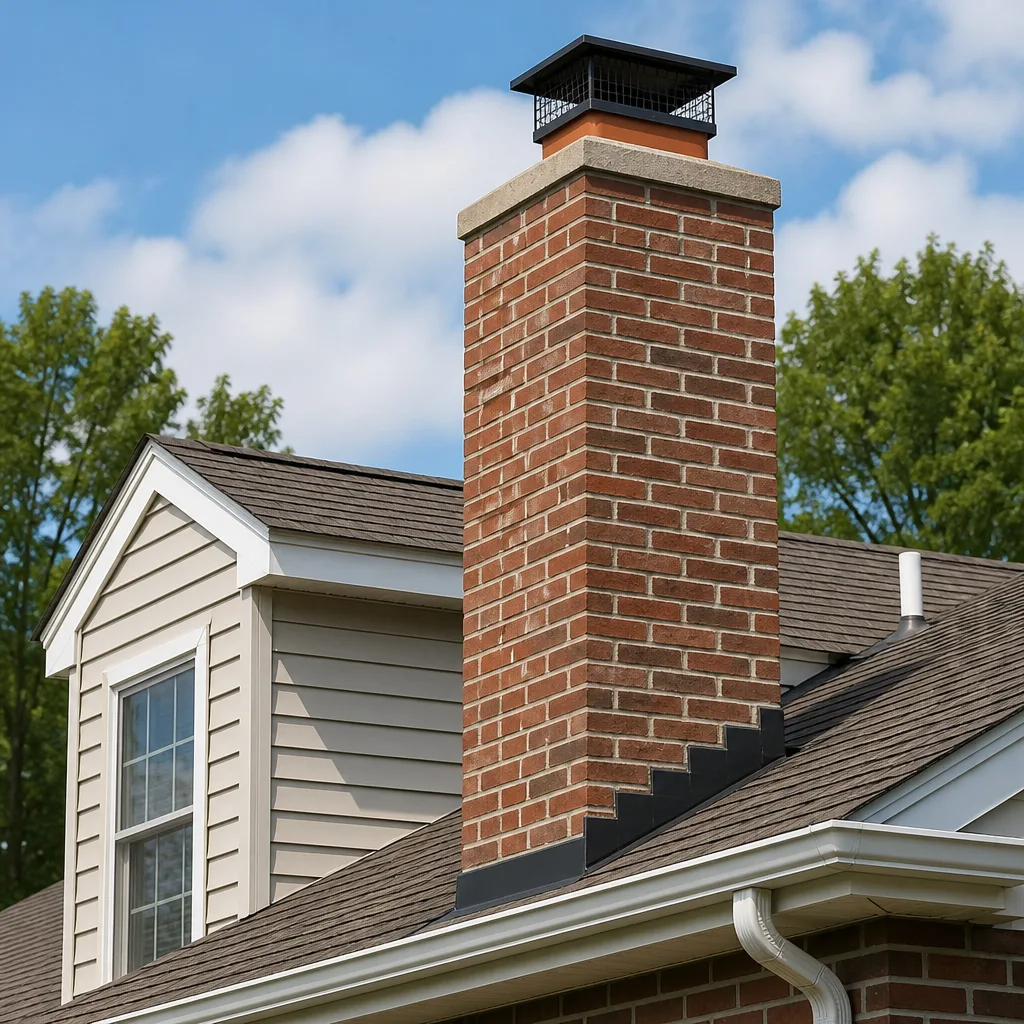 Masonry repair
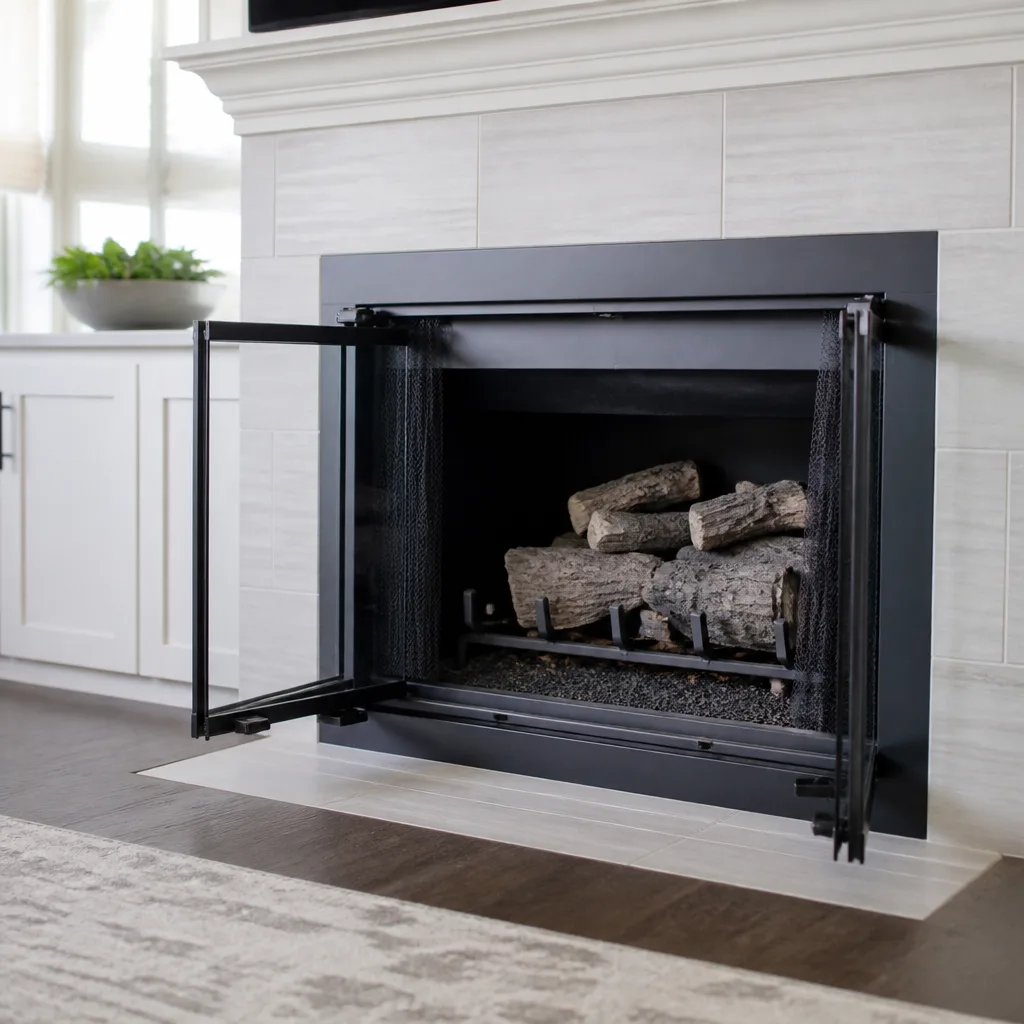 Gas fireplace service
Level 1 sweep and inspection to the NFPA 211 annual standard - flue, crown, cap, and flashing checked and photographed
Chimney sweep logs do not sweep chimneys. They loosen some creosote - which then falls where a brush and vacuum still have to collect it.
How to Hire a Chimney Cleaning Contractor in San Clemente: A Step-by-Step Guide
Most homeowners assume that a certified chimney sweep is a certified chimney sweep, and that checking the CSIA badge on a website ends the vetting process. It doesn’t. Certification proves someone passed an exam. It says nothing about whether they carry professional-grade liner systems like DuraFlex, whether they’re certified to resurface a flue with HeatShield, or whether they’ll hand you a written camera inspection report instead of a verbal shrug. In San Clemente, where fireplaces and wood stoves get steady use through the cooler months, knowing the difference separates a maintenance visit from an actual safety assessment. This guide gives you the exact framework we’d want our own neighbors to use.
Quick Answer
To hire a chimney cleaning contractor in San Clemente, verify CSIA certification first, then ask whether the company carries rotary cleaning equipment, performs camera inspections as a standard part of the sweep, and offers written documentation after every visit. Check that the contractor either performs repairs in-house or refers to a qualified specialist, and compare quotes based on scope rather than price alone. A legitimate chimney sweep should hand you a written report with before-and-after photos, not just a receipt.
Styles & brands we work with
- Sweep & inspection
- Caps & crowns
- Flue relining
- Masonry repair
- Gas fireplace service
Table of Contents
- Step One: Check Certifications Beyond the Basics
- Step Two: Ask About Equipment Before You Book
- Step Three: Understand What a Real Inspection Includes
- Step Four: Compare Quotes by Scope, Not Price
- Step Five: Know What a Legitimate Report Looks Like
- Step Six: Watch for San Clemente-Specific Red Flags
- Common Mistakes to Avoid
- When to Call a Professional
- Frequently Asked Questions
Step One: Check Certifications Beyond the Basics
CSIA certification is the floor, not the standard. It tells you a contractor has passed the Chimney Safety Institute of America’s exam and agrees to follow a code of ethics. What it doesn’t tell you is whether that contractor has taken additional training for gas appliance venting, which falls under NFI (National Fireplace Institute) certification. In San Clemente, many homes have gas fireplaces or gas log sets rather than open wood-burning hearths. If your home burns gas, an NFI-certified technician understands combustion air requirements, vent sizing, and clearance issues that a wood-only sweep might miss.
Beyond certification bodies, ask whether the company stocks and installs professional-grade product lines. The difference matters more than most homeowners realize. A contractor who installs DuraFlex liner systems has gone through manufacturer-specific training and maintains a trade account. A contractor carrying HeatShield materials is certified to resurface damaged flues on site, rather than tearing out masonry or referring you to a general contractor. These aren’t accessories. They’re indicators of supply-chain depth and ongoing education. We work with six professional chimney trade brands, including DuraFlex and HeatShield, because repair work demands components built for longevity, not whatever the hardware store had on the shelf.
Certifications to Ask About
- CSIA Certified Chimney Sweep – the baseline credential covering wood-burning system inspection and cleaning.
- NFI Certification – covers gas fireplace and gas log venting, which matters for many San Clemente homes with gas appliances.
- HeatShield Certification – a specialized credential for flue resurfacing using HeatShield’s proprietary cerfractory material. Most sweep-only companies don’t carry this.
- Manufacturer Training – ask whether the technician has completed installation training for the liner and cap brands they work with, such as DuraFlex or Gelco.
Step Two: Ask About Equipment Before You Book
Every chimney sweep owns brushes. Not every chimney sweep owns a rotary cleaning system, and that distinction shows up in the results, especially with the creosote buildup common in San Clemente fireplace flues. Rotary systems use spinning chains or whip heads to break down glazed creosote that a hand brush pushes around. If a contractor can’t tell you what kind of cleaning heads they use, that’s a useful answer in itself.
The camera is the bigger tell. A sweep who shows up with only brushes and a flashlight is doing surface work. A contractor who runs a camera up the flue before and after cleaning can show you exactly what the liner looks like, whether there are cracks or gaps at the mortar joints, and whether the previous sweep actually removed the buildup. Ask directly: “Do you run a camera inspection as part of every sweep, and do I get the photos?” If the answer is hesitant, keep calling. Camera inspection isn’t a premium add-on in 2026. It’s the only way to verify what’s really happening inside a flue you can’t see.
Five Questions to Ask Before Booking
- Are you CSIA certified, and do you hold any additional certifications? The answer should include CSIA and, ideally, NFI for gas or HeatShield for repair work.
- Do you use a rotary cleaning system or hand brushes? Rotary is the current standard for thorough creosote removal. Brushes alone leave glaze behind.
- Do you run a camera inspection on every job, and do I receive the footage or photos? If camera work costs extra, that’s a flag. It should be standard.
- Can you perform repairs, or do you only sweep? A company that repairs creates accountability for what it finds during inspection. A sweep that only cleans has an incentive to miss problems.
- What brands do you install for liner and cap work? DuraFlex, Gelco, and Olympia Chimney are professional trade names. If the answer is “whatever works,” walk away.
Step Three: Understand What a Real Inspection Includes
A proper chimney sweep in San Clemente does more than vacuum out ash. The National Fire Protection Association publishes the standard for chimney inspection, and it defines three levels of inspection. A Level 1 inspection is what you should expect during a routine sweep when nothing has changed about your fireplace or appliance. The technician examines the readily accessible portions of the chimney exterior and interior, checks the flue for obstructions and creosote buildup, and verifies that the damper and firebox are in working order.
A Level 2 inspection comes into play when something changes: you’ve bought the house, changed fuel type, had a chimney fire, or experienced a seismic event. San Clemente sits in earthquake country, and even a small tremor can shift masonry or crack a clay liner. A Level 2 inspection includes everything in Level 1 plus access to the attic, crawlspace, and roof, and it normally involves camera work. If your chimney inspection never progresses beyond what the technician can see from the hearth, you’re not getting the full picture. Ask which level the sweep includes and why.
What a Standard Sweep Should Cover
- Removal of creosote and soot from the flue walls and smoke chamber
- Inspection of the firebox for cracked brick or deteriorating mortar
- Verification that the damper opens, closes, and seals properly
- Visual check of the chimney crown and cap from the roofline
- Confirmation that the flue is free of animal nesting, debris, or structural blockage
- Written documentation of findings, including any areas that need monitoring
Step Four: Compare Quotes by Scope, Not Price
When two quotes come in $150 apart for a chimney sweep in San Clemente, the difference usually isn’t efficiency. It’s scope. The lower bid may cover a standard Level 1 cleaning with no camera work, no written report beyond a receipt, and no roof access. The higher bid includes the camera inspection, photo documentation, and a written condition assessment. Viewed that way, the cheaper quote is actually the worse value, because it delivers fewer verifiable results.
Before you compare dollar amounts, line up what each contractor says they’ll actually do. Will they run a camera? Will you receive before-and-after photos? Does the quote include the smoke chamber or just the flue? Will the technician go on the roof to inspect the crown and cap, or does that require a separate appointment? Does the company perform repairs if the camera reveals a cracked flue, or will they hand you a referral and a wave goodbye? A contractor who can sweep and repair under one roof, including HeatShield resurfacing and DuraFlex relining, is quoting a full service package. A sweep-only company is quoting a maintenance visit. Know which one you’re buying.
Step Five: Know What a Legitimate Report Looks Like
A real post-service deliverable is documentation. When the technician finishes a sweep in San Clemente, you should walk away with more than a carbon-copy receipt. A legitimate report includes the date, a summary of what was cleaned and inspected, the technician’s findings, and recommendations with a priority level attached. Some companies deliver this as a paper form. Others send a digital report with embedded photos. Either format works. What matters is that you can review the evidence later, share it with a home inspector or insurance company, and use it to plan maintenance.
Before-and-after photos aren’t a marketing gimmick. They’re the only way you can verify that the flue was actually cleaned rather than superficially brushed. A camera run before the sweep shows the creosote and soot. A camera run after the sweep shows bare flue tile or exposed metal liner. If a contractor offers no photos and no written report, ask what you’re paying for. The answer should be informative.
What Your Post-Sweep Documentation Should Include
- Written summary of the flue condition before and after cleaning
- Camera photos showing the interior of the flue, pre- and post-sweep
- Notation of any cracks, gaps, water damage, or structural concerns
- Recommendations for follow-up work, prioritized by urgency
- Date of service and the technician’s name or certification number
- Next recommended service window based on usage and buildup levels
Step Six: Watch for San Clemente-Specific Red Flags
Small-market coastal areas attract a particular kind of handyman service: the generalist who lists “chimney cleaning” between gutter work and pressure washing. San Clemente has no shortage of these operations, and they share predictable habits. They show up with a brush and a shop vac, spend forty minutes on the flue, and spend the rest of the visit pitching a sealer product or a chimney cap you apparently need urgently. The sealant pitch is the classic one. A routine sweep should not end in a hard sell for waterproofing spray, especially on a flue that’s clean and structurally sound. If a contractor pressures you to add a product or service during what was supposed to be a maintenance visit, get a second opinion.
Another red flag is the absence of a written inspection report. A sweeping crew that can’t produce documentation probably didn’t do a real inspection. San Clemente homes range from newer tract construction to older hillside properties with masonry fireplaces that have decades of use behind them. Without a written record, you have no way to track changes in flue condition from year to year, and neither does the next contractor. Ask for the report before you pay. If the company balks, that’s your answer.
Red Flags Specific to Generalist Services
- No camera inspection offered or available – a sweeper without a camera can’t see into the flue and can’t prove their work.
- Pressure upsell on sealants or waterproofing during a routine clean – the job is cleaning. Repairs should be evidence-based, not pitched.
- No written report or photos after the service – undocumented work is unverifiable work.
- Chimney cleaning listed as one of twenty services on the website – specialists focus on chimneys and ventilation. Generalists dabble.
- No roof access or inspection of the crown and cap – a flue cleaning that never goes to the roof misses half the system.
See the difference
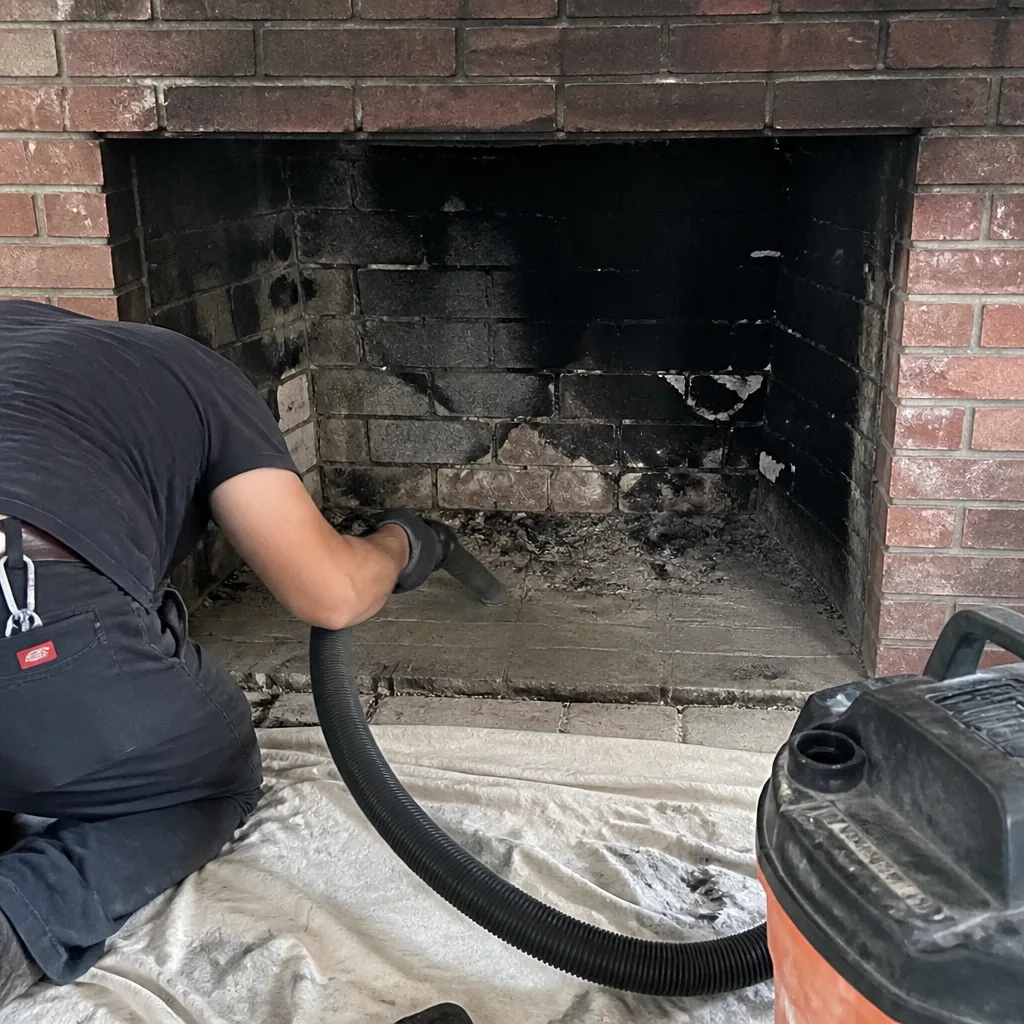 Before
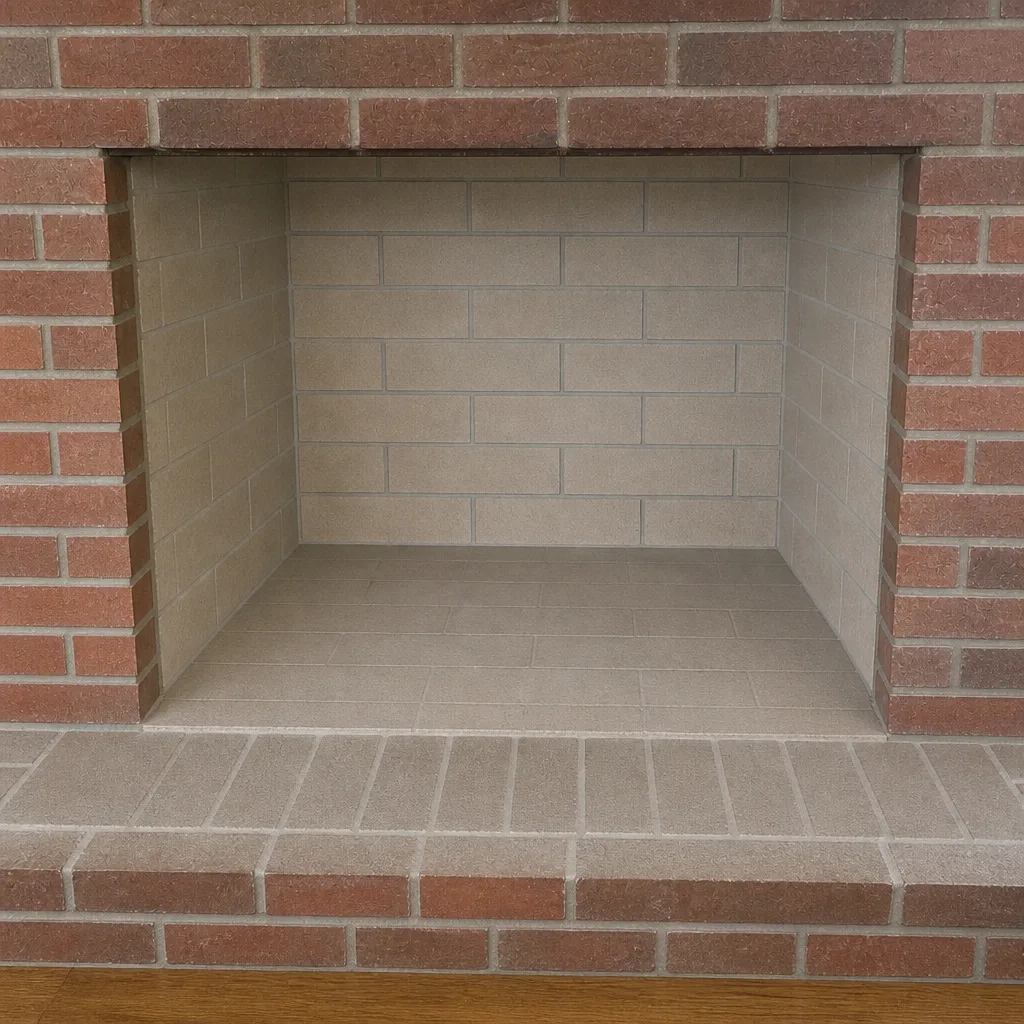 After
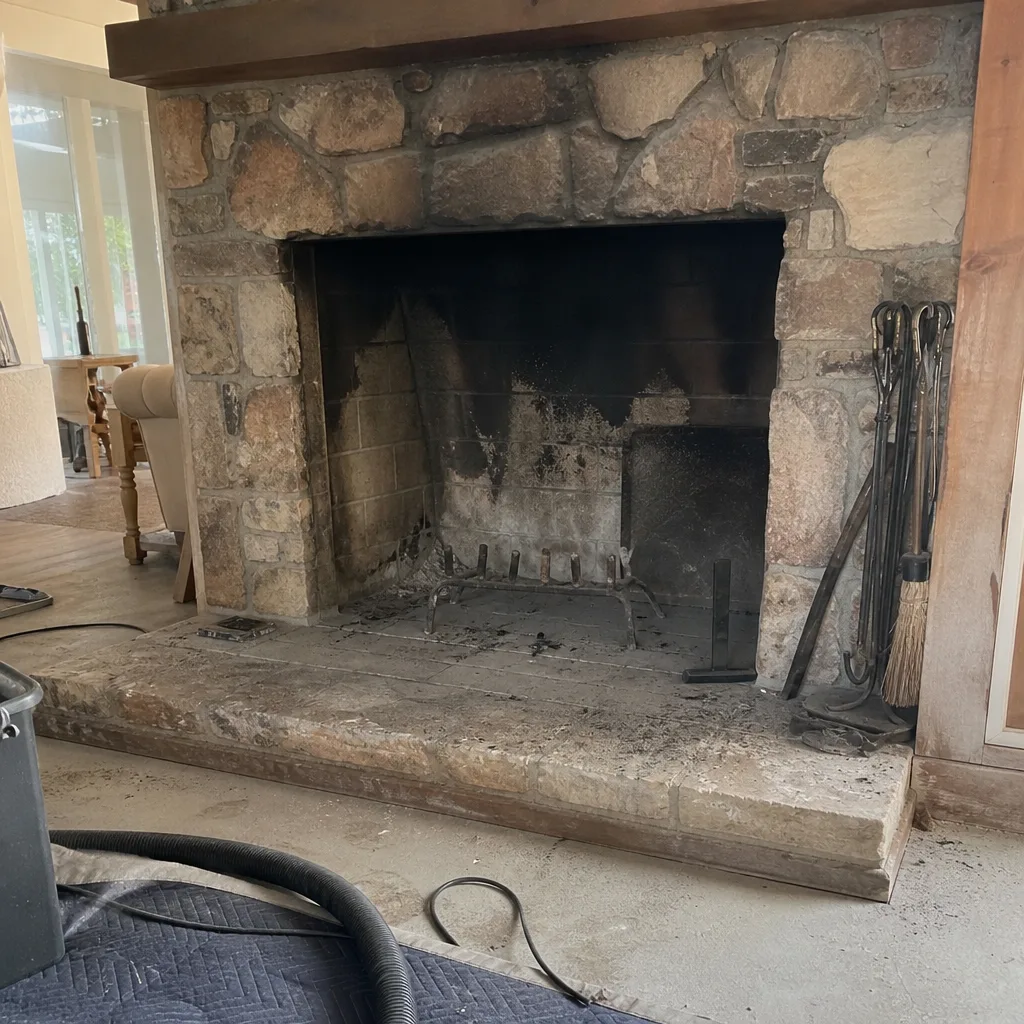 Before
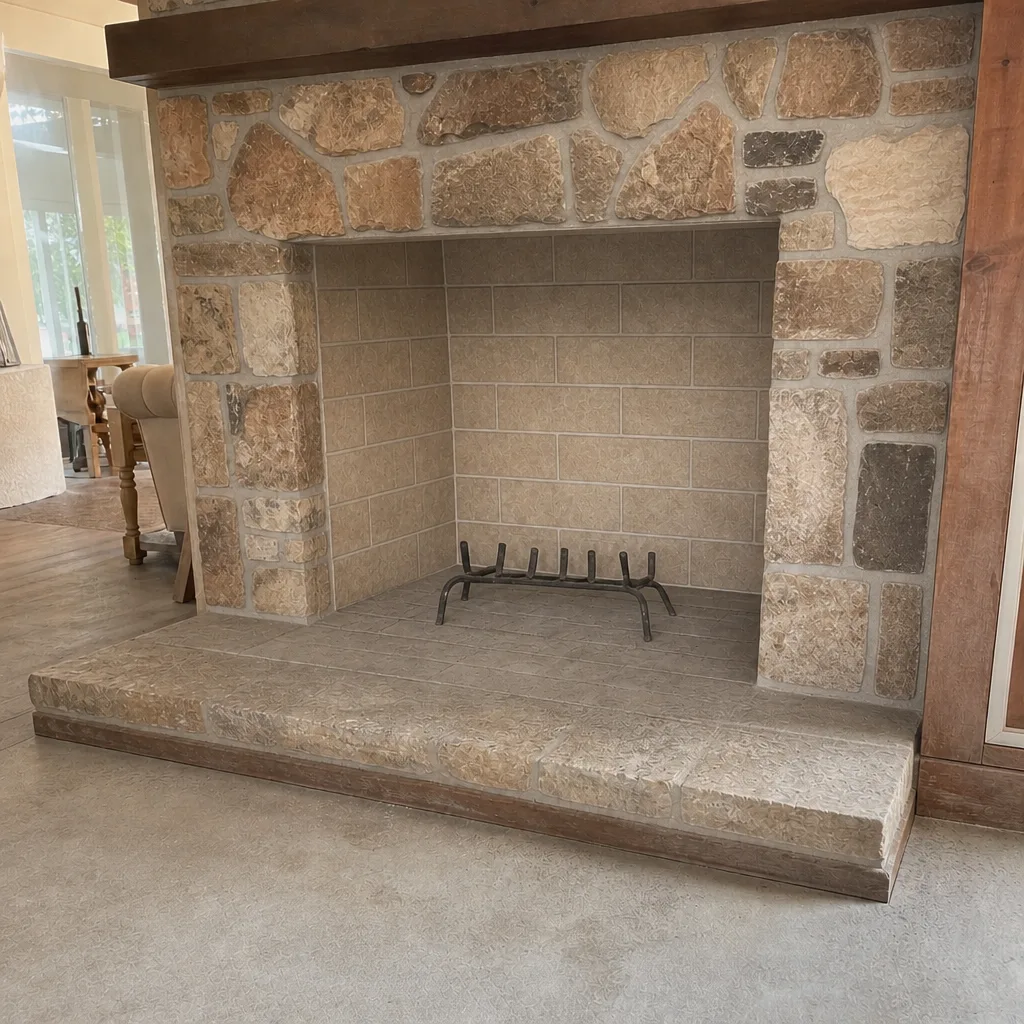 After
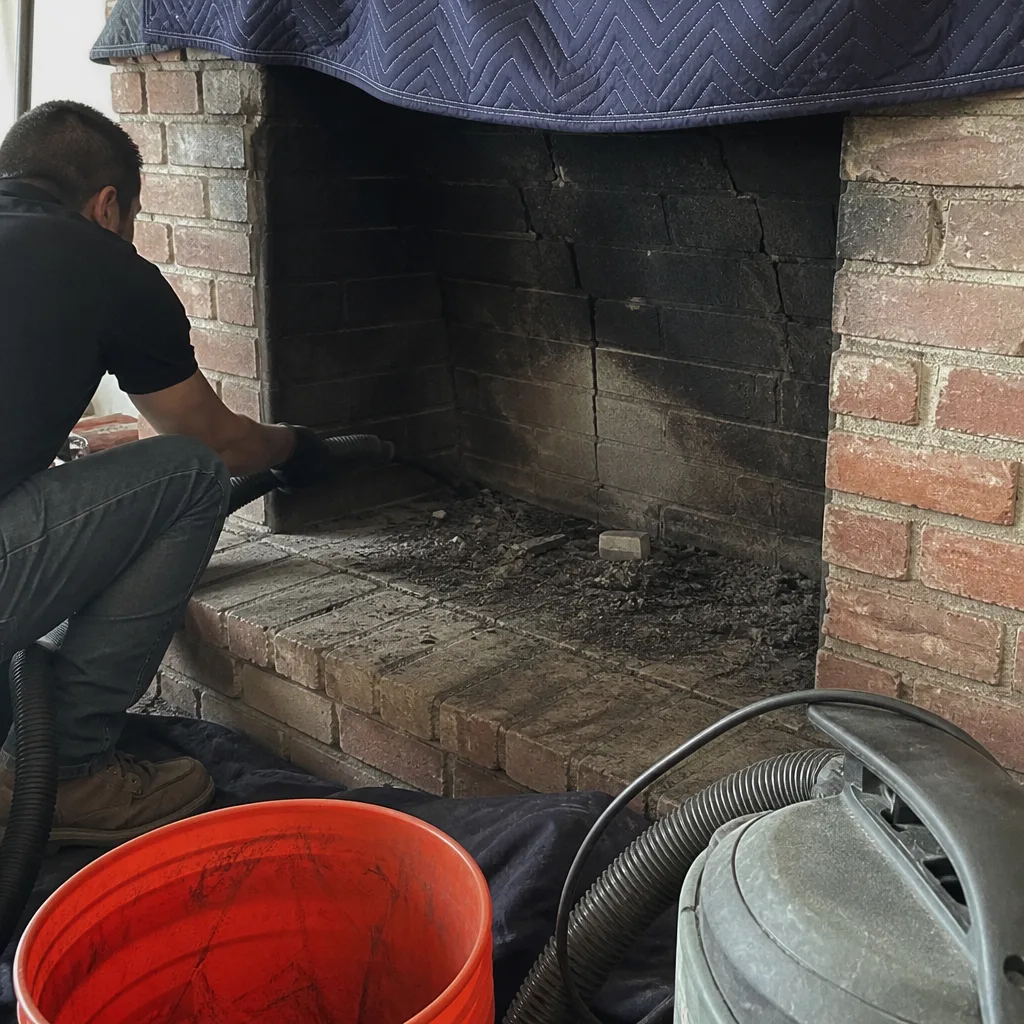 Before
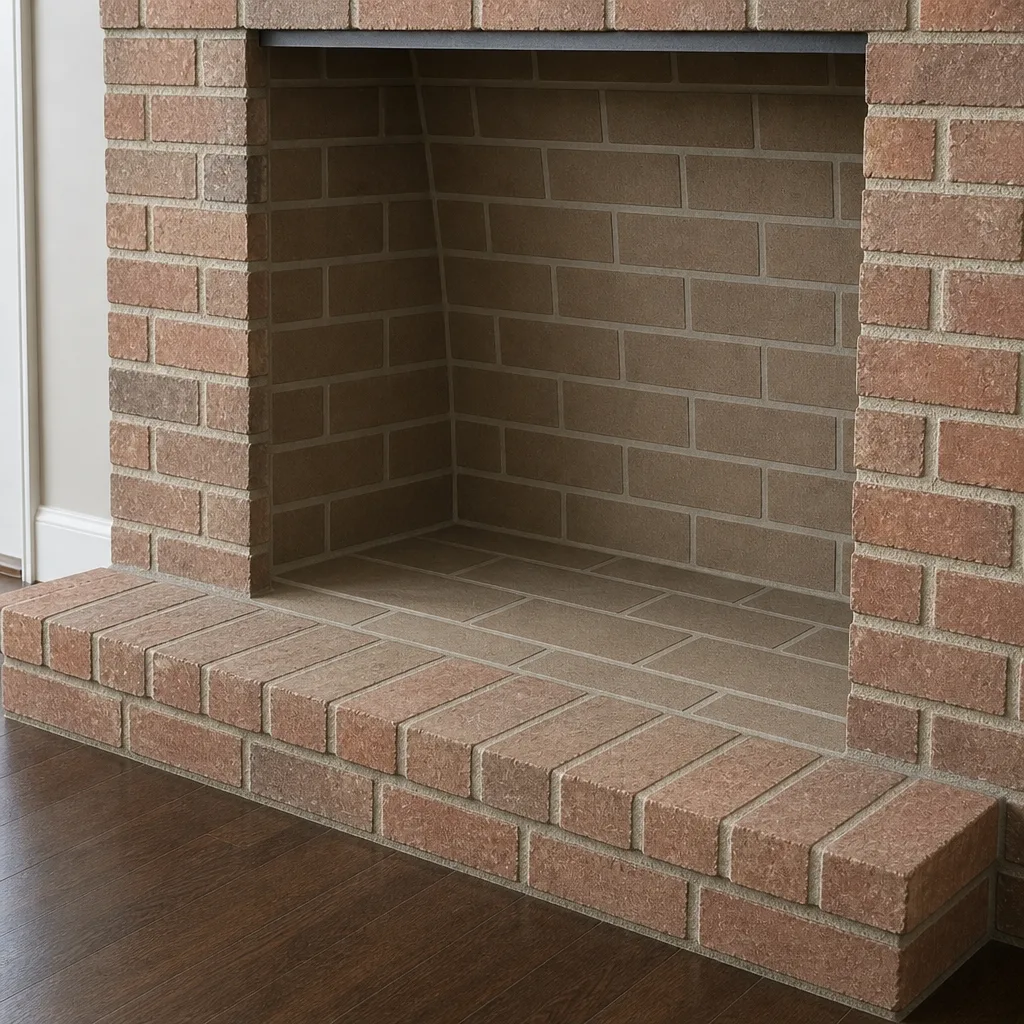 After
Matching the Contractor to the Chimney Type
San Clemente homes don’t all have the same kind of chimney. The fireplace in a 1980s hillside home might be a traditional masonry structure with a clay tile liner. A newer property near the inland side of town might have a factory-built, metal chimney that requires a different cleaning approach. A gas fireplace has entirely different venting needs. When you call a contractor, tell them what you have. A specialist will ask follow-up questions about the fuel type, the fireplace age, and when it was last serviced. A generalist will just book the appointment.
This matters because the wrong cleaning method can damage the wrong flue. Factory-built chimneys need gentler sweeping than masonry flues. A rotary chain head that’s perfect for glazed creosote in a clay liner can scratch the interior of a prefab metal chimney. Gas venting requires knowledge of clearances and combustion air, not just soot removal. If the contractor doesn’t ask what kind of system they’re cleaning, they probably don’t know the difference. That’s a reason to keep looking.
Why Repairs Shouldn’t Be an Afterthought
Most chimney companies in any given market are sweep-only. They clean, they inspect, and when they find a cracked flue or a deteriorating crown, they hand the homeowner a referral to someone else. That model has a built-in weakness: the sweeper has no financial interest in what the referral finds. The sweep gets paid either way. A company that performs both cleaning and repair carries accountability through the entire job. What the camera finds during the sweep becomes what the repair technician fixes during the follow-up. There’s no gap where information gets lost between two separate companies.
That’s why we stock and install products like DuraFlex liners and HeatShield resurfacing material, and why we’re certified to apply the latter. A contractor who only sweeps can’t offer flue resurfacing at all, because HeatShield certification requires specific training and an ongoing relationship with the manufacturer. The same applies to premium cap brands like Gelco and Olympia Chimney. These products aren’t what you find at a retail hardware outlet. They’re distributed through trade accounts, and a company that carries them is signaling something meaningful about its supply chain and training investment. We repair what others only inspect, because a sweep that ends in a referral leaves the homeowner doing the vendor vetting all over again.
How Often Should a Chimney in San Clemente Be Cleaned?
The NFPA recommends an annual inspection, and cleaning whenever creosote buildup reaches 1/8 inch or more. In practice, most active wood-burning fireplaces benefit from a sweep every year, ideally before the burn season starts. San Clemente’s climate is mild compared to colder inland areas, but the cooler months from November through February still see regular fireplace use. If you burn a cord or two of seasoned wood each season, schedule an annual sweep in early fall. If you use the fireplace occasionally, every 18 to 24 months may be sufficient, provided the camera inspection shows acceptable buildup.
What you burn matters as much as how often. Green or unseasoned wood produces more creosote than properly dried hardwood. Manufactured logs can leave residues that behave differently than wood creosote. And if you burn the occasional pizza box or wrapping paper, stop. Those materials produce high-temperature, fast-burning flames that can ignite creosote deposits already in the flue. The technician’s recommendations after your sweep should reflect what they actually found in your chimney, not a generic calendar.
Common Mistakes to Avoid
- Hiring based on price alone. The lowest bid in San Clemente often reflects omitted scope: no camera work, no written report, no roof access. You’re paying less because you’re getting less.
- Skipping the certification check. A business license isn’t a chimney credential. Ask for CSIA certification specifically, and verify it on the CSIA website if you’re unsure.
- Accepting a sweep without camera documentation. Without before-and-after photos, you cannot verify the work was done. A flue you can’t see requires evidence you can review.
- Ignoring the repair capability question. A sweep that finds a cracked flue and refers you to a mason leaves you managing two vendors. Prefer a company that handles sweep, repair, and dryer vent cleaning under one provider.
- Waiting until there’s visible smoke in the house. Smoke backup is a symptom of a problem that’s already advanced. Annual inspection catches issues before they become fireplace failures.
- Falling for the sealant pitch during a routine visit. Waterproofing and chimney sealants have their place, but not as a hard sell during a maintenance sweep. Repairs should be evidence-based.
- Using a general handyman for chimney work. A handyman with a brush isn’t a chimney specialist. The flue is a fire safety system, and it deserves a trained technician with the right equipment.
When to Call a Professional
Call a chimney professional when you smell smoke inside the house while the fireplace is in use, when you see creosote flakes falling into the firebox, or when the damper no longer opens or closes smoothly. Black soot staining above the fireplace opening suggests smoke spillage into the living space, which is a draft problem or a flue obstruction. If it’s been two or more years since the last cleaning, schedule one before you burn again. And if you just bought a San Clemente home with a fireplace, book a Level 2 inspection to establish a baseline before your first fire. Chimney Sweep San Clemente offers free estimates in San Clemente. Call (877) 798-8489. We answer 24/7. Fast dispatch from 7am to 7pm, Sunday through Friday.
Frequently Asked Questions
Chimney cleaning in San Clemente typically runs between $180 and $340 for a standard open fireplace, with the final price set by the written estimate after the technician sees the flue condition and access. Homes with wood stoves or factory-built chimneys may fall outside that range, and a Level 2 inspection with full camera work costs more than a basic sweep. The cheap end of the market often skips camera documentation and roof access. Call (877) 798-8489 for an exact quote. Estimates are free.
Sometimes yes, sometimes no. Small cracks in a clay tile liner may be monitorable, but a flue with gaps between tiles or missing mortar joints can allow heat and combustion gases into the chimney structure, and that’s a fire risk. The benefit of modern materials is that replacement doesn’t always mean tearing out the chimney. HeatShield resurfacing can restore a damaged flue without demolition, and DuraFlex liner systems provide a premium relining solution. The camera evidence should drive the recommendation. If a contractor recommends a liner without showing you photos, get a second opinion.
The NFPA recommends a chimney inspection every year and cleaning whenever creosote reaches 1/8 inch of buildup. For most active wood-burning fireplaces, that means a sweep every year, ideally before the burn season. A San Clemente homeowner who burns occasionally might stretch to 18 or 24 months if the camera inspection shows acceptable buildup. Gas fireplaces need inspection less often but still benefit from an annual check of the venting and burner.
Creosote accumulates. It’s a combustion byproduct that lines the flue every time you burn wood. At a certain thickness, it becomes fuel. A hot fire or a stray ember can ignite it, and a chimney fire burns at temperatures that can crack clay liners, warp metal chimneys, and spread heat into surrounding framing. Even short of a full chimney fire, the buildup restricts airflow, which pulls smoke and carbon monoxide into the house instead of up and out. The annual sweep isn’t a luxury. It’s the difference between a nuisance and a hazard.
A sweep removes creosote and soot from the flue. An inspection assesses the structural and functional condition of the chimney system, including the firebox, damper, crown, cap, and liner. In practice, a professional sweep should include a Level 1 inspection as part of the visit. A camera-based inspection provides stronger evidence of liner condition and is part of a Level 2 inspection. When you hire a contractor, confirm that the sweep price includes both the cleaning and the inspection report.
Yes. Dryer vent cleaning is a separate service with different equipment, but it addresses the same underlying hazard: lint accumulation that restricts airflow and creates fire risk. The NFPA independently documents clothes dryers as a leading residential fire cause, and lint buildup is the primary culprit. Pairing both services in one visit is efficient and practical, and it’s why we position ourselves as chimney and dryer vent specialists, not a fireplace-only trade.
The Bottom Line
Hiring a chimney contractor in San Clemente comes down to evidence, equipment, and accountability. Verify CSIA certification and ask whether the company holds additional credentials like NFI for gas or HeatShield for repair. Require camera inspection and written documentation as part of the sweep itself, not as add-ons. Compare quotes by what’s included, not by the bottom line. And choose a contractor who can move from diagnosis to fix without referring you to someone else. A professional who stocks DuraFlex, HeatShield, Gelco, Olympia Chimney, Famco, and Copperfield products is telling you something useful about their standards. The goal isn’t just a clean flue. It’s a documented, verified, fire-safe chimney you can rely on for years.
Written by the team at Chimney Sweep San Clemente, serving San Clemente since 2017.