
Last updated November 4, 2026
 Sweep & inspection
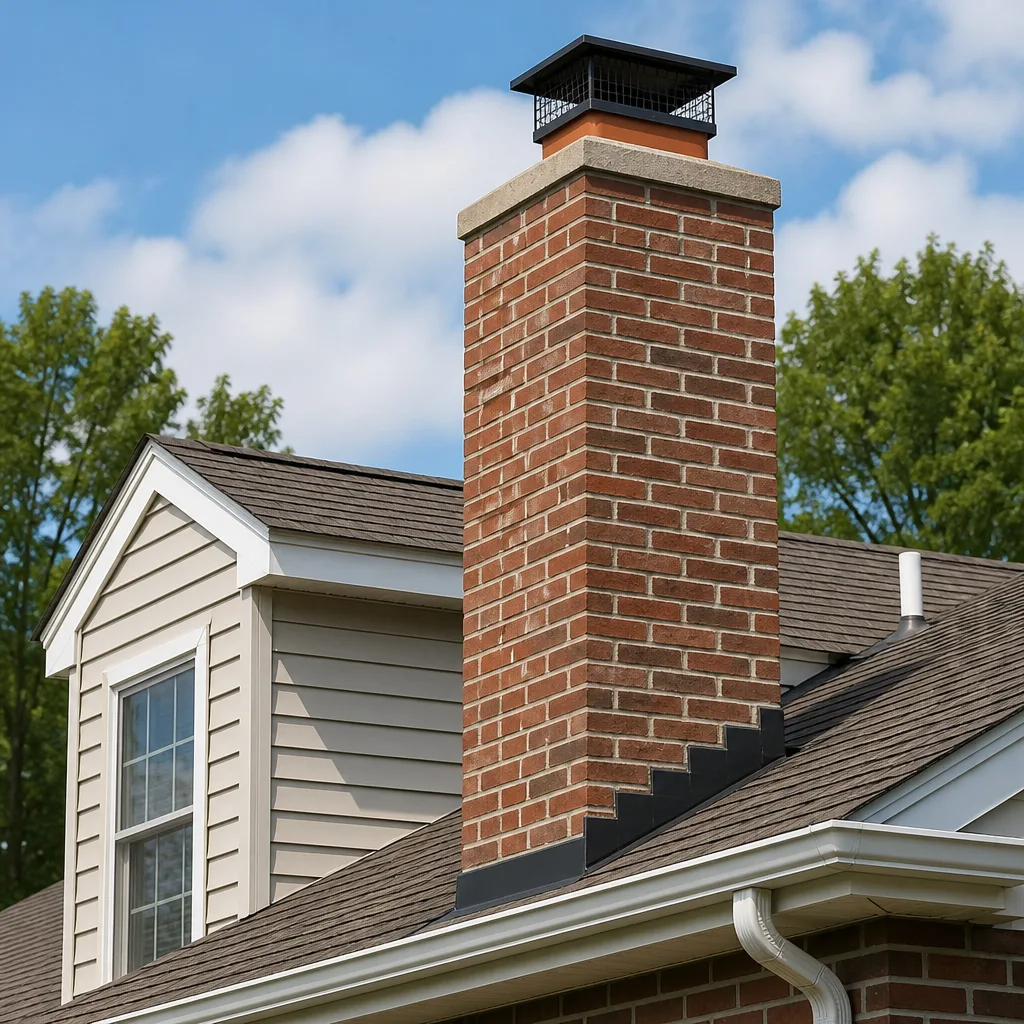
 Caps & crowns
 Flue relining
 Masonry repair
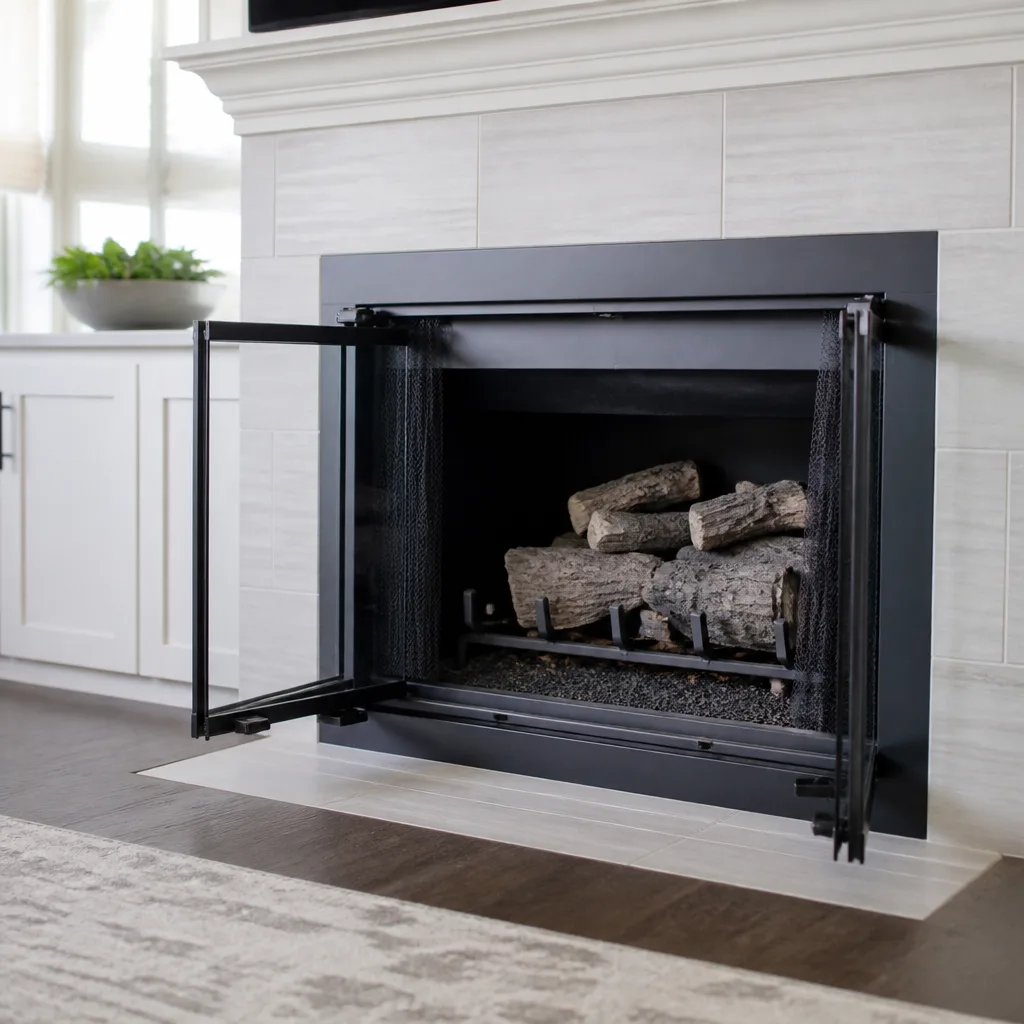 Gas fireplace service
Level 1 sweep and inspection to the NFPA 211 annual standard - flue, crown, cap, and flashing checked and photographed
Chimney sweep logs do not sweep chimneys. They loosen some creosote - which then falls where a brush and vacuum still have to collect it.
Choosing the Right Chimney Cleaning Brand: A Buyer’s Guide for San Clemente
If a chimney technician can’t tell you what brand of rotary cleaning system they run or which crown coat product they use, that knowledge gap follows them into your flue. Most homeowners in San Clemente choose a chimney service based on reviews and price, but the product lines a contractor stocks and trusts signal their actual technical depth more accurately than any star rating. This guide teaches you how to evaluate chimney services by what they use, not just what they say. You’ll learn the questions that reveal real expertise, the product categories where brand choice matters, and how to match the service scope to your actual needs.
Styles & brands we work with
- Sweep & inspection
- Caps & crowns
- Flue relining
- Masonry repair
- Gas fireplace service
Quick Answer
The right chimney cleaning brand for your San Clemente home isn’t a logo on a truck, it’s a contractor who works with professional-grade product lines like HeatShield, Gelco, Olympia Chimney, and Famco, and who can explain why those materials matter for your flue, crown, and cap. A sweep-only crew that sources from big-box retail will clean the surface but often miss or defer structural issues that a full-service provider can diagnose and repair in the same visit. When you’re comparing chimney services, ask what they stock and why, then listen for specific brand names and the product categories they serve.
Table of Contents
- What Industry-Trusted Product Lines Look Like in Chimney Care
- How to Ask a Contractor About Their Materials Without Knowing the Answers
- What Separates a Supply-House Contractor From a Big-Box Retailer
- Where Brand Choice Materially Affects the Outcome
- Matching Service Scope to Contractor Type
- San Clemente Context: What Local Conditions Mean for Chimney Care
- Common Mistakes to Avoid
- When to Call a Professional
- Frequently Asked Questions
- The Bottom Line
What Industry-Trusted Product Lines Look Like in Chimney Care
The phrase “professional-grade” gets thrown around loosely, but in the chimney trade it means something specific. It means parts sourced through established trade accounts, not through a retail shelf. It means components manufactured to meet code ratings for flue temperatures, clearances, and corrosion resistance. It means a contractor who can name the system they’re installing because they chose it deliberately, not because it was the only option at the store.
Three product categories reveal the most about a chimney contractor’s depth:
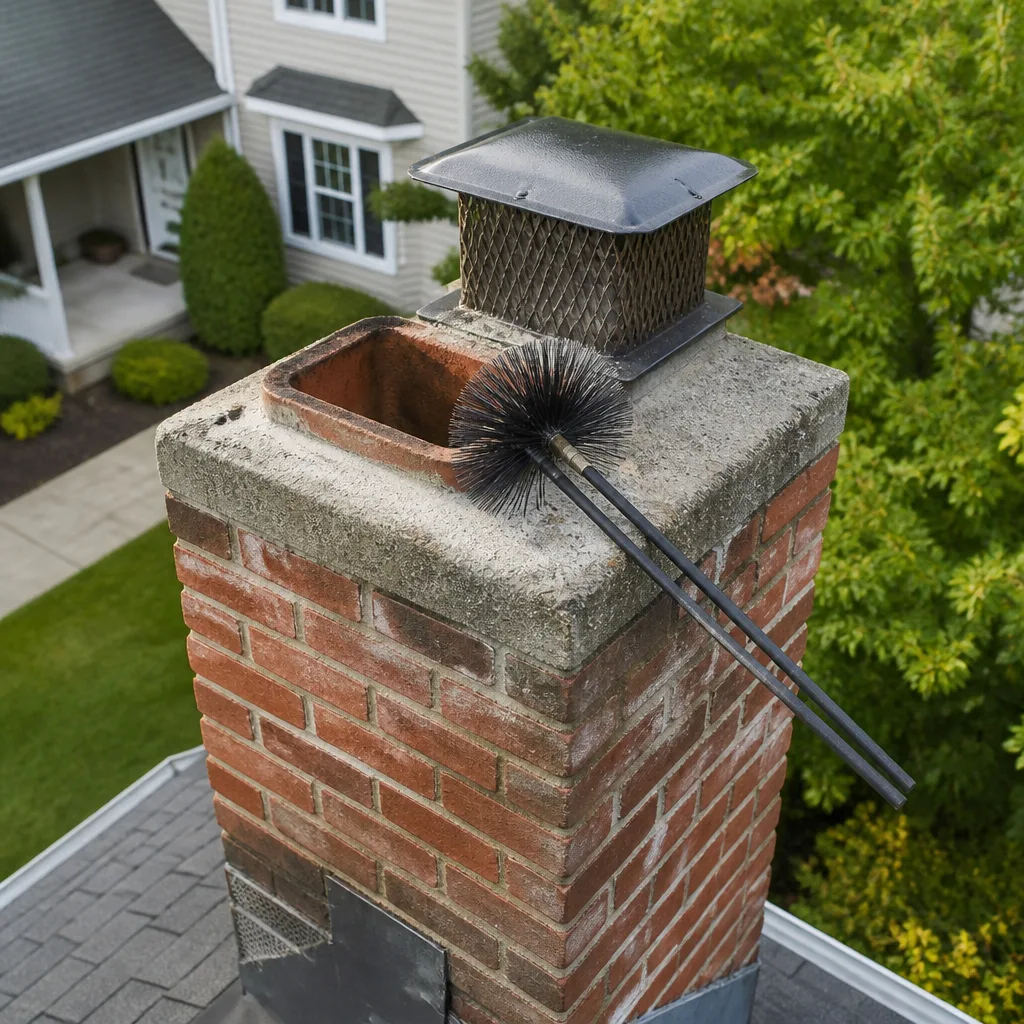
- Rotary cleaning systems: Professional sweeps use rotary loop systems with specific rod and head configurations that scrub the flue walls more thoroughly than a wire brush on a cable. The brand and type of system a technician runs tells you whether they’ve invested in trade-grade equipment or an entry-level kit.
- Camera inspection equipment: A high-quality inspection camera with good resolution and articulation is the difference between seeing a crack and guessing at one. Contractors who document their findings with real camera footage, not a flashlight and a shrug, are operating at a different level.
- Crown sealers and waterproofing agents: The chimney crown is the concrete slab at the top of the chimney that sheds water away from the flue. In San Clemente’s mild climate, crown damage often comes from settling and aging rather than freeze-thaw, but a cracked crown still lets water into the masonry. Professional crown coat products like those from Gelco are formulated to bond tightly and flex with minor movement, whereas a hardware-store sealant will crack and peel within a year or two.
When a contractor works with a curated roster of brands rather than whatever is on sale, it signals ongoing training and trade relationships. We repair what others only inspect, and that repair work starts with knowing which products actually hold up.
How to Ask a Contractor About Their Materials Without Knowing the Answers
You don’t need to know a HeatShield from a caulk tube to run a credibility check on a chimney contractor. You just need to ask questions that force them to be specific, and listen for whether they can be. Here’s a numbered conversation setup that reveals expertise without requiring any on your part:
- Ask what flue relining system they install. A contractor who does repair work will have a clear answer: they use HeatShield for resurfacing, or a DuraFlex liner system for full replacement, or they don’t do relining at all. A contractor who can’t name a single system is telegraphing that they don’t do this work, or they’re going to figure it out on your chimney.
- Ask what they use to seal a chimney crown. A professional answer names a product category and often a brand, like a Gelco crown coat or a commercial elastomeric sealer. A vague answer, like “we use a good sealant,” is a sign the contractor hasn’t invested in the category.
- Ask whether they carry chimney caps from trade suppliers. Supply-house caps from manufacturers like Olympia Chimney and Famco are built for ventilation and weather protection with real material thicknesses. Retail caps are often thin, galvanized metal that corrodes and deforms. If a contractor installs whatever cap they can grab from the shelf, the cap will not last.
- Ask whether they can show you a camera inspection, not just tell you about one. The right answer is yes, with photos or video you can review yourself. Nothing gets recommended without camera evidence you can see.
Those four questions take two minutes to ask and they separate a supply-house contractor from a budget sweep faster than any review profile.
What Separates a Supply-House Contractor From a Big-Box Retailer
A big-box retailer stocks what sells in volume. That’s their model, and it works for paint rollers and outlet covers. But chimney components like flue liners, chase covers, and specialty caps are not volume categories, and the retail versions are typically lighter, thinner, and designed to hit a price point rather than to last twenty years on a roof.
A supply-house contractor buys from distributors who serve the hearth and ventilation trades. Those products are heavier-gauge, code-rated for specific flue applications, and backed by manufacturers who stand behind them. The contractor’s access to that supply chain is a competitive marker, but for the homeowner it’s simpler than that: parts that last longer and fit right are cheaper in the long run than parts that need replacement in five years.
This shows up in specific product categories:
- Chimney caps: Olympia Chimney and Famco produce caps with proper mesh sizing for spark and animal protection, and with structural designs that don’t restrict draft. A retail cap often looks fine from the ground and underperforms where it counts.
- Flue liners and resurfacing: HeatShield is a cerfied flue resurfacing system that restores a damaged flue without a full tear-out. A supply-house contractor can offer this; a retail-sourced contractor will usually tell you a full reline is the only option, or worse, tell you the flue is fine because they can’t see the problem.
- Crown coatings and sealers: Gelco’s crown coat and sealing products are formulated for masonry chimneys and expand and contract with the structure. This matters in San Clemente, where the mild winters mean less freeze-thaw cracking but the summer sun still beats on exposed crowns and causes thermal expansion.
In our experience, the contractor who knows what’s on the supply-house shelf is the one who can explain why a $400 cap outperforms a $40 cap, and who can show you the difference in material thickness or mesh gauge before you buy. That’s not upselling. That’s the actual value of working with a specialist.
Where Brand Choice Materially Affects the Outcome
Not every chimney component needs a brand-name decision. But there are three categories where the product choice is the job, and getting it wrong means repeating the work in a few years.
Flue Resurfacing and Liners
When a clay tile flue cracks or the mortar joints between tiles erode, the fix is either resurfacing or relining. HeatShield’s resurfacing system coats the interior of the existing flue to restore a smooth, insulated, code-compliant surface. A full reline with a DuraFlex system is the heavier fix, for flues that are beyond resurfacing. Both are trade-only products. A contractor who doesn’t stock either will often default to the most expensive option, a full rebuild, because they have no repair path in between. A contractor with both options can recommend the right scope, not just the one they can sell.
Chimney Crown Coating
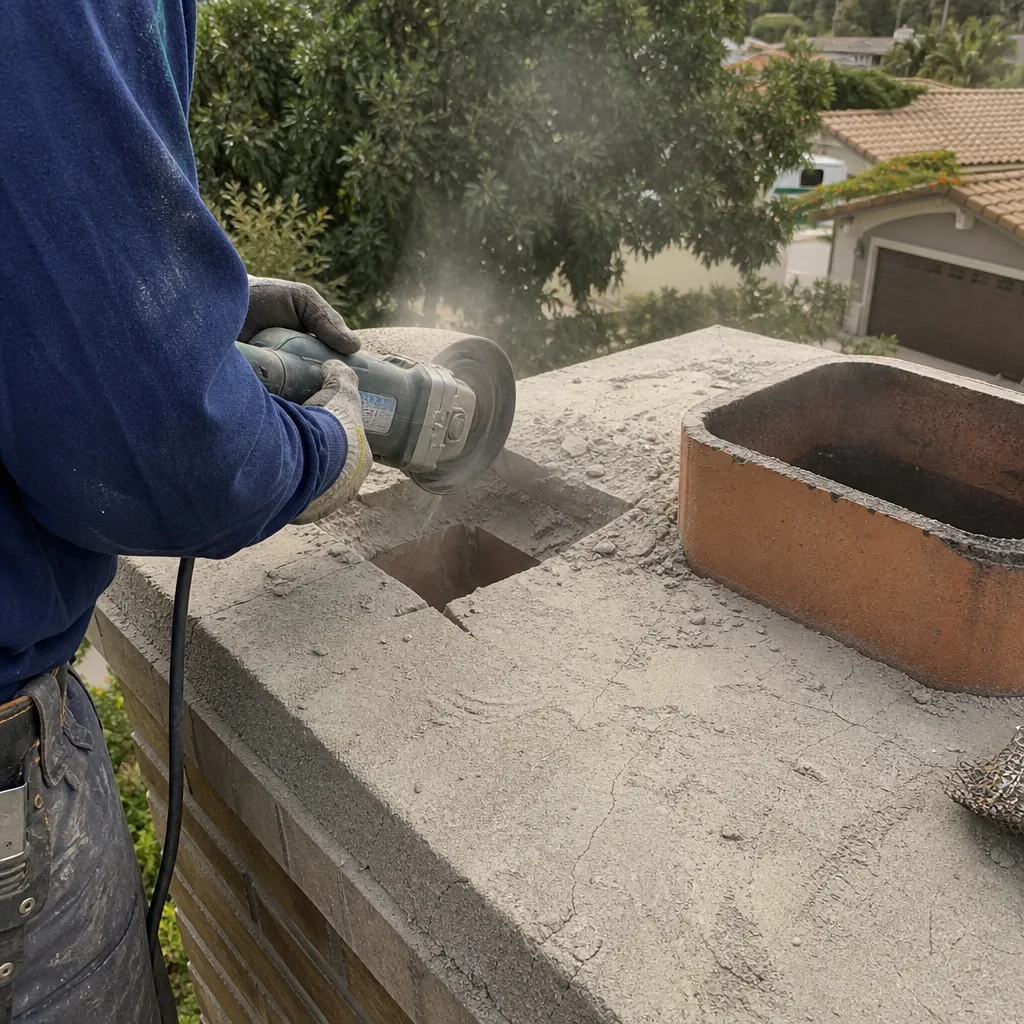
The crown is the horizontal slice of concrete at the top of the chimney. It takes the full brunt of the weather. A failed crown lets water into the brick and mortar below, and water damage is the engine of most chimney decay. Gelco’s crown coat is a specialized sealant that bonds to concrete, remains flexible, and withstands UV exposure. A generic roofing tar or caulk fails quickly and acts as a false fix, leaving the homeowner with the same leak and a false sense of security.
Chimney Caps and Ventilation Terminations
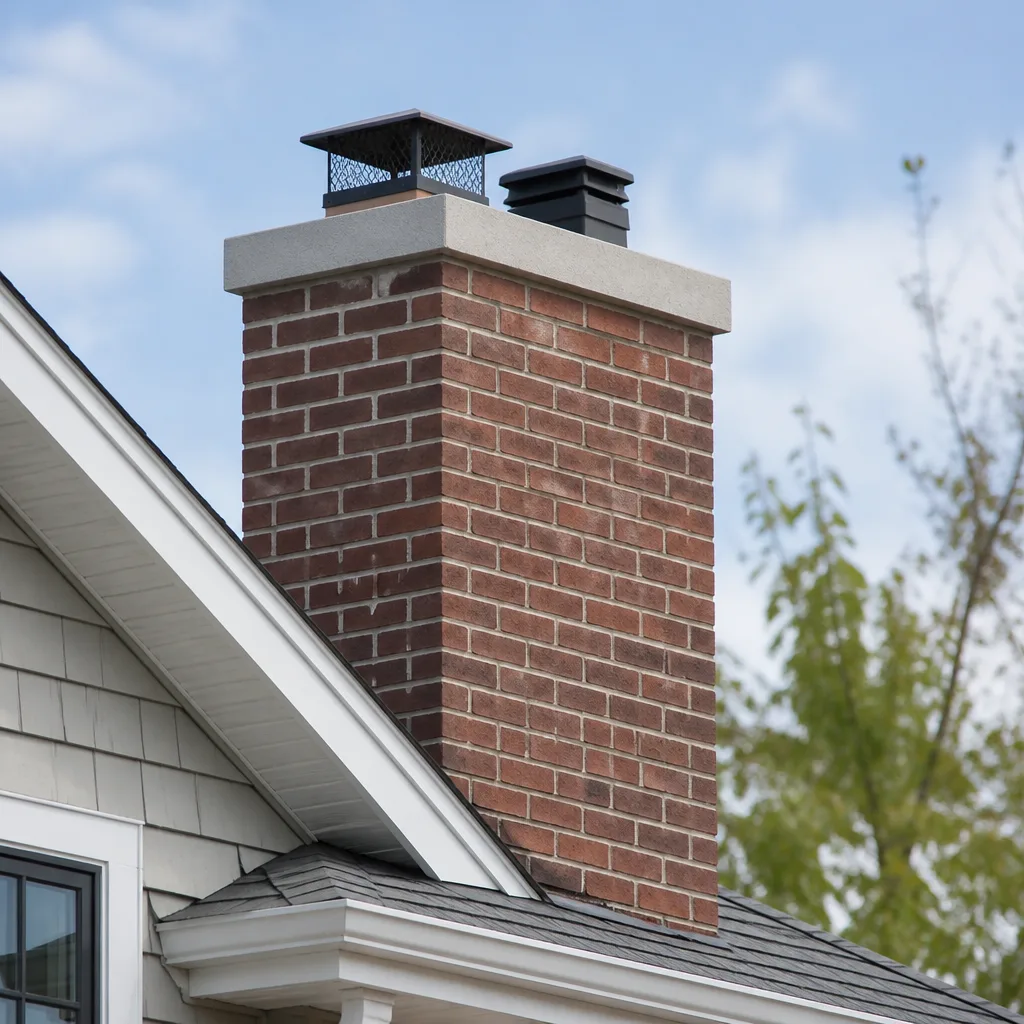
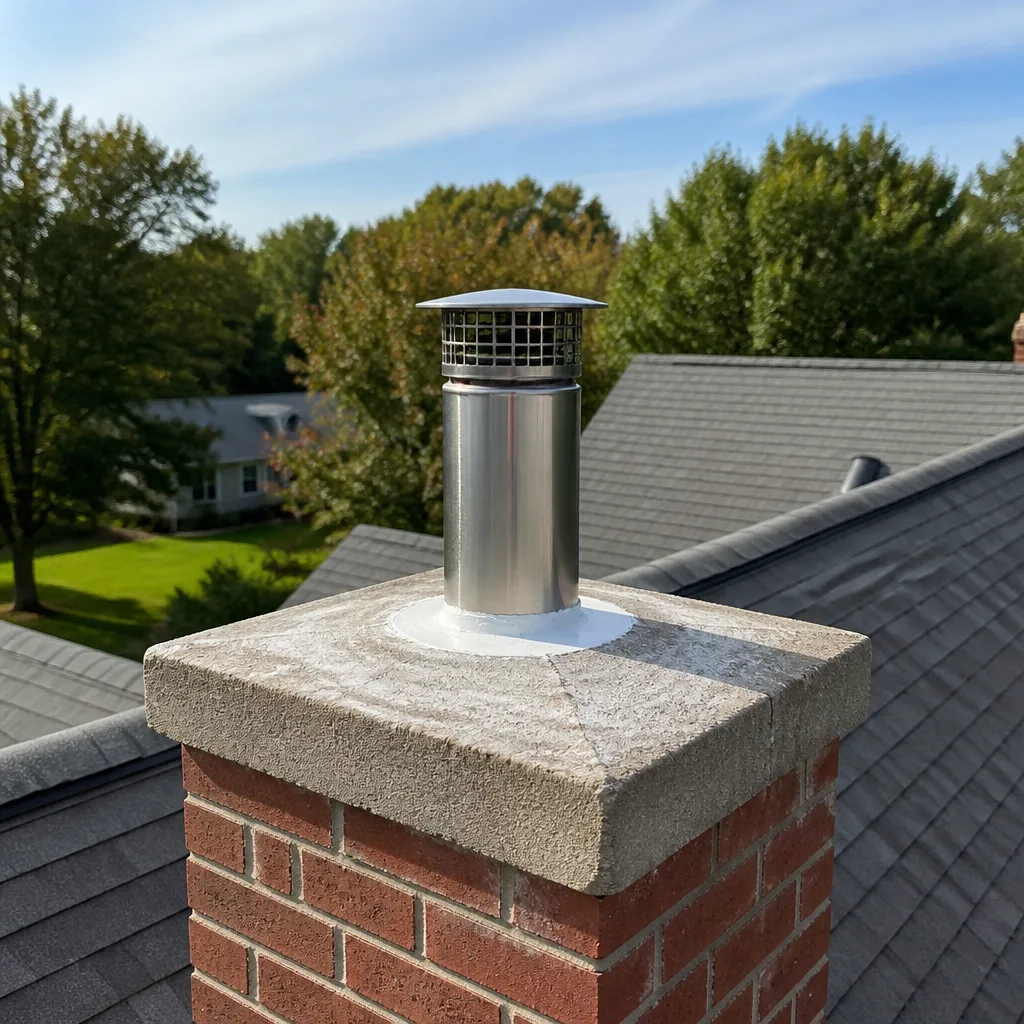
A good cap does three jobs: it keeps rain out, it keeps embers in, and it keeps animals and debris from nesting in the flue. Olympia Chimney and Famco make caps and termination products with proper draft characteristics and spark-arrestor mesh that meets code. The cap is the last line of defense on the chimney, and it’s the first thing a homeowner sees. A quality cap tells you something about the contractor who put it there.
These are the products where brand familiarity signals actual technical depth, not just marketing.
Matching Service Scope to Contractor Type
Sweep-only companies do important work. A proper chimney sweep removes creosote that could fuel a chimney fire, and a clean flue is the foundation of safe operation. But a sweep is an inspection point, not a repair path. When the sweep finds a crack, a leak, or a failed cap, the homeowner is often handed a referral and sent to find another contractor.
A full-service chimney and ventilation specialist closes that loop. The same visit that finds the problem can quote the repair, and in many cases, the same crew can complete it. That’s the difference between a diagnosis and a fix.
For San Clemente homeowners who use a fireplace or wood stove regularly, the full-service model usually pays off. Here’s the decision framework:
- If you want maintenance only, and your chimney has been recently inspected and found sound, a sweep-only contractor is fine.
- If you’ve had water stains on the ceiling near the chimney, need flue resurfacing, or your cap is rusted, a full-service provider is the better call. You don’t want to pay for a sweep plus an inspection from a second company.
- If your dryer vent has never been cleaned, a contractor who also offers dryer vent cleaning can handle both in one scheduled visit. Dryer vents are a leading residential fire cause, and most chimney companies won’t touch them. Chimney and dryer vent specialists treat them as the same category of hazard: ventilation that carries heat and lint or creosote, and needs professional attention.
Sweep, repair, and dryer vent under one provider means fewer phone calls, fewer appointment windows, and one inspection standard across all three.
San Clemente Context: What Local Conditions Mean for Chimney Care
San Clemente’s climate is forgiving compared to mountain towns or the upper Midwest. Winters are mild, and freeze-thaw cycles are not the primary driver of chimney damage here. That changes the failure profile, and it’s worth understanding if you’re evaluating what a contractor recommends.
The bigger issues in San Clemente are aging masonry, settling, and the slow effects of sun exposure on crowns and caps. A cracked crown in San Clemente is more likely to come from thermal expansion and years of UV than from ice, which means the failure is often slower and harder to spot. Homeowners who can recall the last time anyone looked at the chimney crown on camera are rare, and that’s exactly why camera inspection matters.
San Clemente also has a real mix of housing stock. Older homes in neighborhoods with original masonry chimneys often need flue and crown work that hasn’t been touched in decades. Newer construction may have prefabricated chimneys that call for different materials and different repair approaches. A contractor who knows the difference, and who stocks brands for both masonry and prefab applications, has a clear advantage.
The local market also includes a meaningful number of homes with wood-burning stoves and fireplace inserts. Those units have specific liner needs, and the moving parts, gaskets, and baffles, are not the same as an open fireplace. If you heat with a stove, ask whether the contractor services stoves and inserts, and whether they carry the liner and component brands to do it. San Clemente is a city where many homes were built to hold a fire, and the right care keeps them safe and usable.
Common Mistakes to Avoid
- Choosing a chimney contractor entirely by review count. Reviews measure customer service, not technical depth. A sweep with two hundred five-star reviews may still be a sweep-only operation that refers out all repair work. Ask the material questions before you book.
- Assuming a clean chimney is a structurally sound chimney. A sweep removes creosote. It does not repair a cracked crown, a rusted cap, or a spalled brick. The same visit should include a real inspection, with camera evidence, not a visual once-over.
- Accepting a repair recommendation without seeing the camera footage. If a contractor tells you the flue is cracked or the liner needs replacing, ask to see the photos. Nothing should be recommended without camera evidence you can review yourself.
- Letting water issues slide because San Clemente winters are mild. Water intrusion still happens, even without freeze-thaw cycles. A cracked crown or a missing cap lets rain into the masonry, and the damage compounds year over year.
- Skipping dryer vent service because it’s “not a chimney issue.” Lint-clogged dryer vents are a leading residential fire cause, and they’re the same category of ventilation hazard as a dirty chimney flue. If your provider doesn’t do both, you now have two contractors to manage.
- Letting a general handyman replace a chimney cap. Caps are structural ventilation components. A mismatched cap can choke the draft, block the flue, or let rain pour in, and you won’t know until the smoke backs up or the water stains appear.
- Treating all flue repair quotes as equal. A quote for full relining when HeatShield resurfacing would restore the flue is a difference of a few hundred versus a few thousand dollars. Ask if any repair path exists before you agree to the biggest scope.
When to Call a Professional
You should call a chimney and ventilation professional if you see water stains on the ceiling near the chimney, if you smell smoke in the house after the fire is out, if the damper no longer opens or closes smoothly, or if you can see daylight through cracks in the crown or rusted sections on the cap. A chimney fire, even a small one you think you caught in time, warrants an inspection before the next burn. The same goes for a dryer that suddenly takes longer to dry clothes or a lint filter that stays hot after the cycle ends. These are not routine annoyances; they are ventilation symptoms that need a professional’s eyes and camera. Chimney Sweep San Clemente offers free estimates in San Clemente, call (877) 798-8489. We answer 24/7. Fast dispatch from 7am to 7pm, Sunday through Friday.
Frequently Asked Questions
A chimney sweep cleans the flue and removes creosote, which is the layer of combustion byproduct that can fuel a chimney fire. A full-service company cleans, but also diagnoses and repairs the chimney: flue resurfacing, crown coating, cap replacement, and masonry repair. If your chimney has a structural issue, a sweep-only contractor will usually refer you out, while a full-service provider can often fix it in the same appointment.
A contractor who does repair work should be able to name their flue resurfacing or relining system, like HeatShield or DuraFlex, and their preferred crown coat or sealer, like a Gelco product. For caps and terminations, look for familiar trade names like Olympia Chimney and Famco. If all you hear is “quality materials” with no names attached, press for specifics.
Because these parts sit on the roof in full weather exposure, and the difference between a supply-house product and a hardware-store substitute is usually years of service life. A Gelco crown coat bonds to the concrete and flexes with the structure. A thin retail cap corrodes and deforms. The brand isn’t vanity; it’s a marker for the material thickness, UV resistance, and draft design built into the part.
The National Fire Protection Association recommends an annual inspection for chimneys, fireplaces, and vents that are in regular use. In San Clemente’s mild climate you might not see dramatic seasonal damage, but annual use still builds creosote, and slow crown or cap failures still let water in. An annual inspection with a camera catches problems before they become expensive ones.
Some can, and it’s worth asking. Dryer vent cleaning is a separate service category from chimney sweeping, but it’s the same class of hazard: a ventilation path that carries heat and combustible material. A company that treats both as core services can often schedule them together, which saves you a second dispatch and gives you one inspection standard across both.
Ask for the camera evidence. A real diagnosis comes with photos or video of the flue, crown, and cap, and the repair recommendation should match what the footage shows. If the contractor can’t show you the problem, or if the only option presented is the most expensive one, get a second opinion. A contractor who stocks repair systems like HeatShield can often restore rather than replace, and that should be reflected in your quote.
The Bottom Line
A chimney cleaning brand is really a product-line philosophy. The technician who can name their rotary system, their crown coat, and their cap supplier is the one who invested in trade depth, and that’s what shows up in the quality of the work. In San Clemente, where the failure patterns are slow and subtle, camera evidence and material quality matter more than a polished truck wrap. Ask the four questions, insist on seeing the footage, and choose a contractor who can take the job from sweep to full repair. That’s the difference between checking a box and actually protecting the home.
Written by the team at Chimney Sweep San Clemente, serving San Clemente since 2017.
See the difference
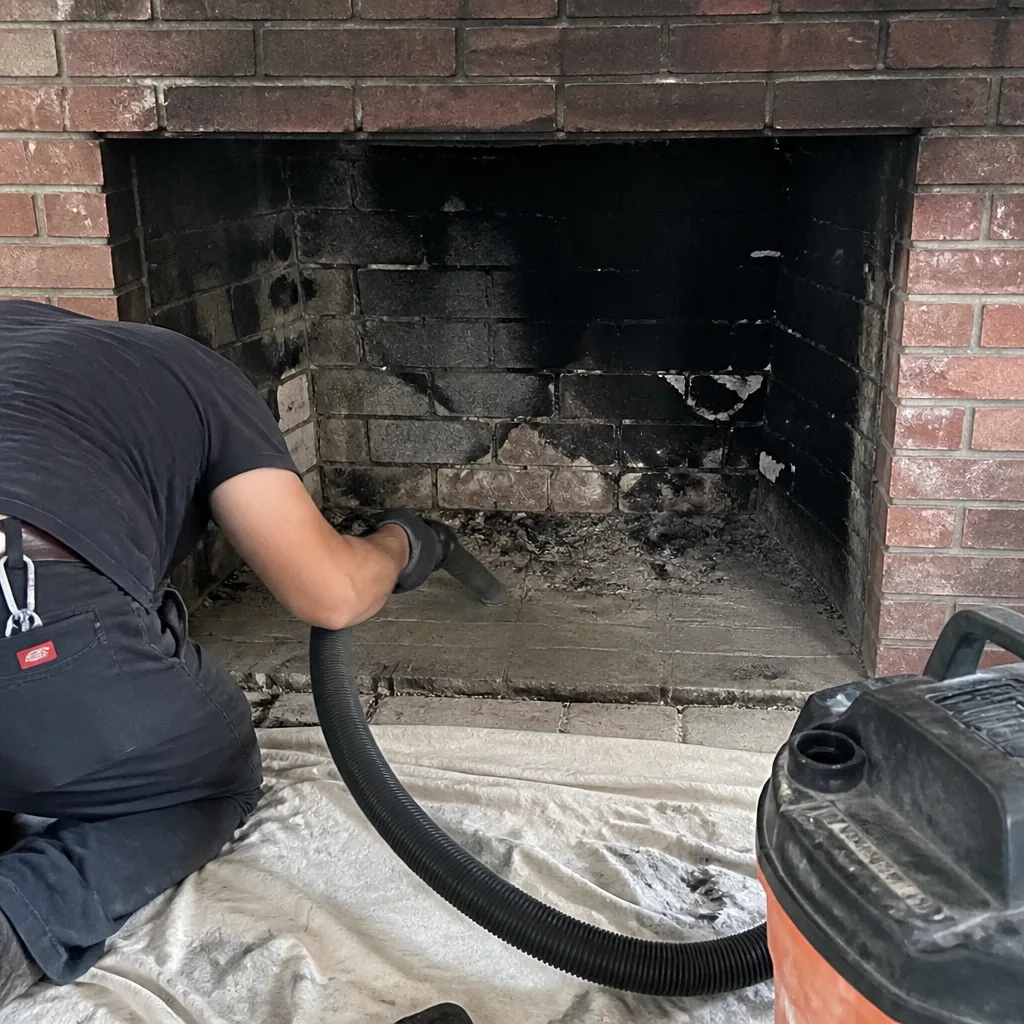 Before
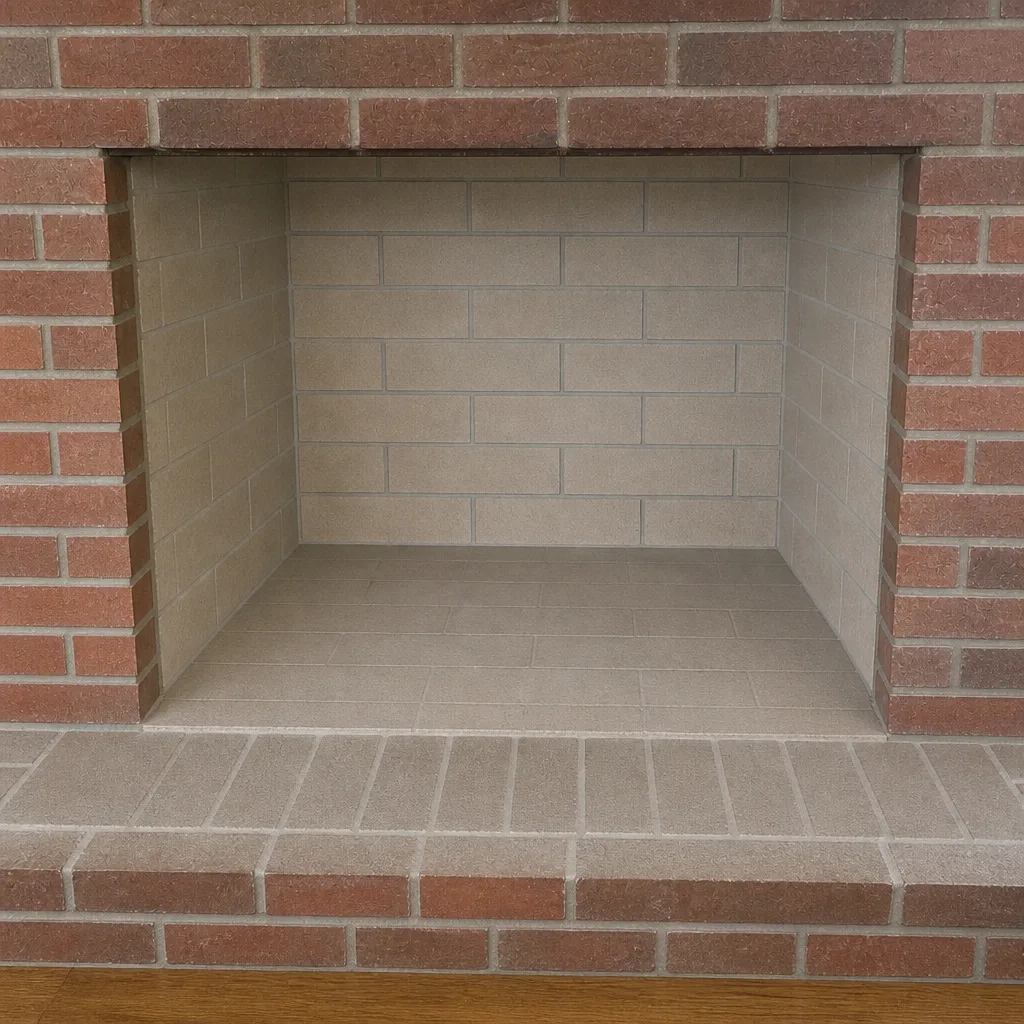 After
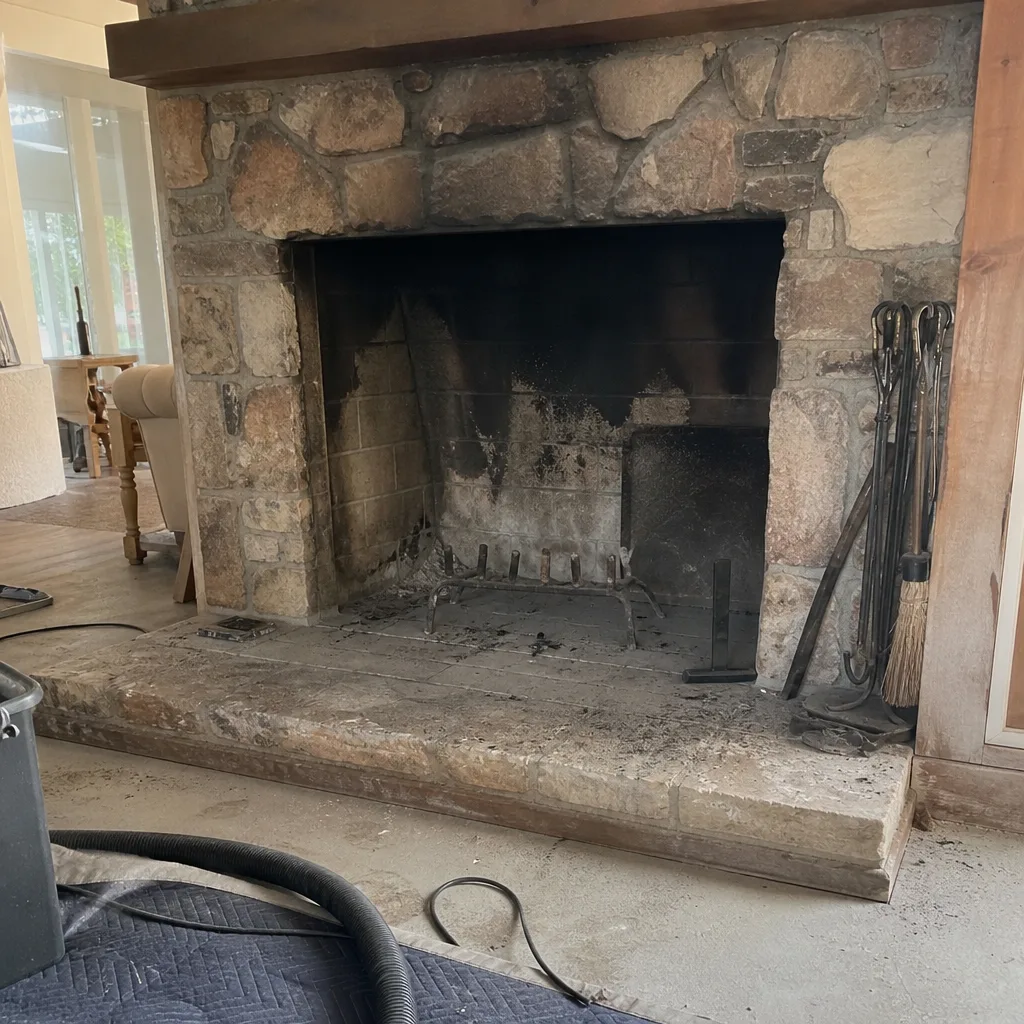 Before
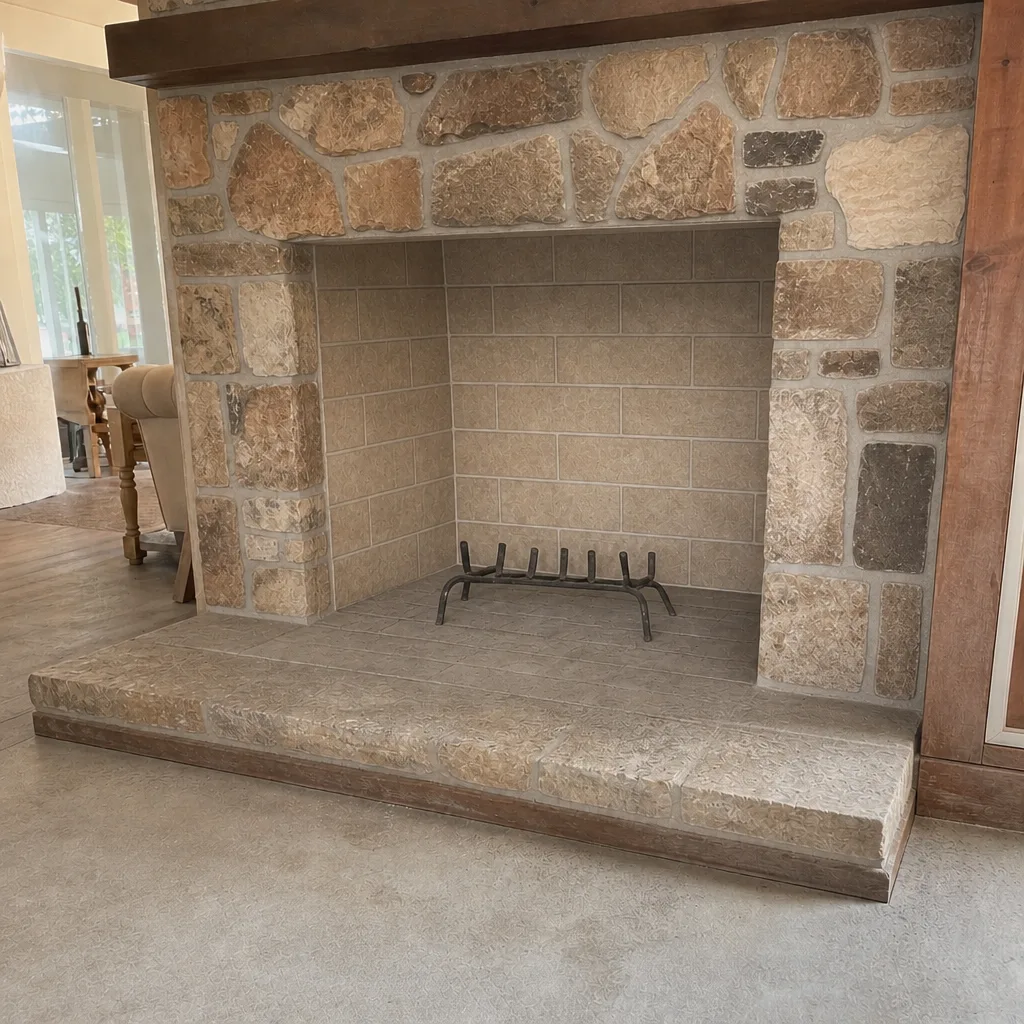 After
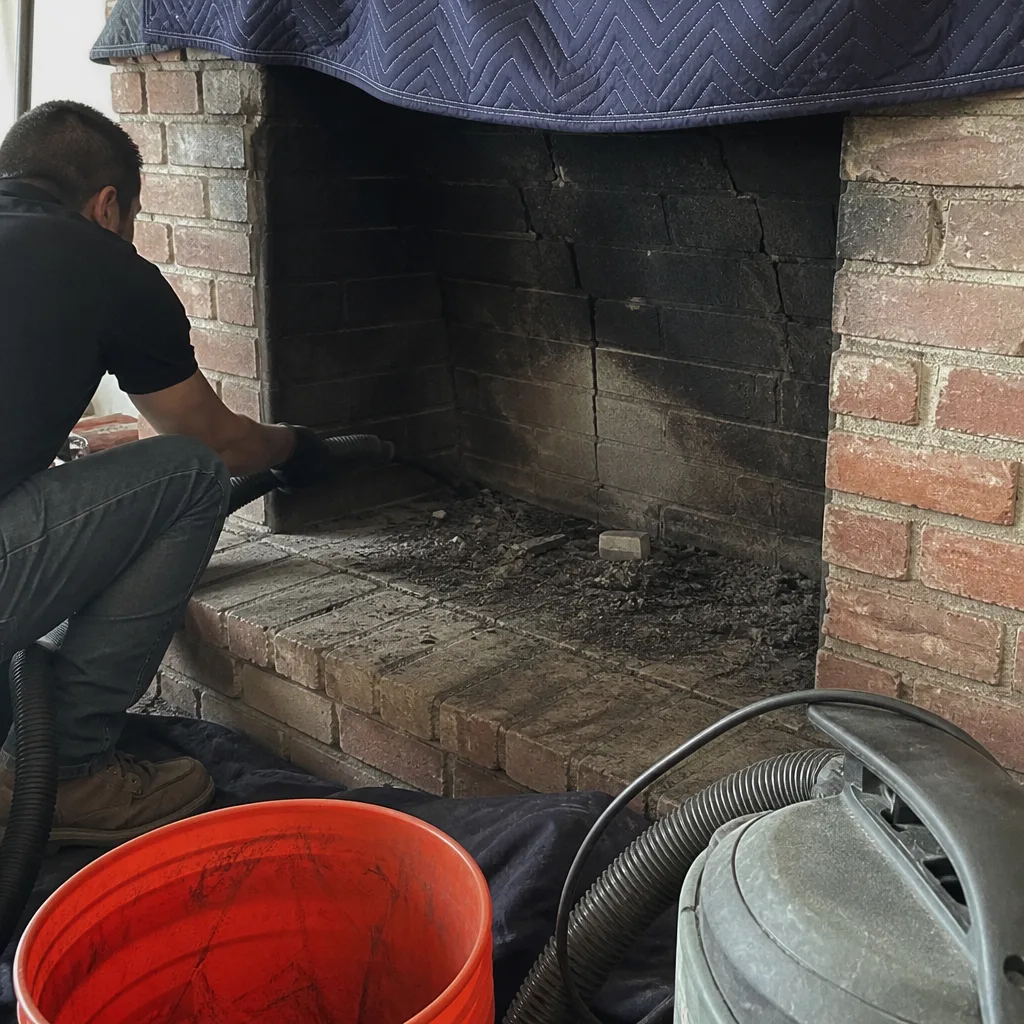 Before
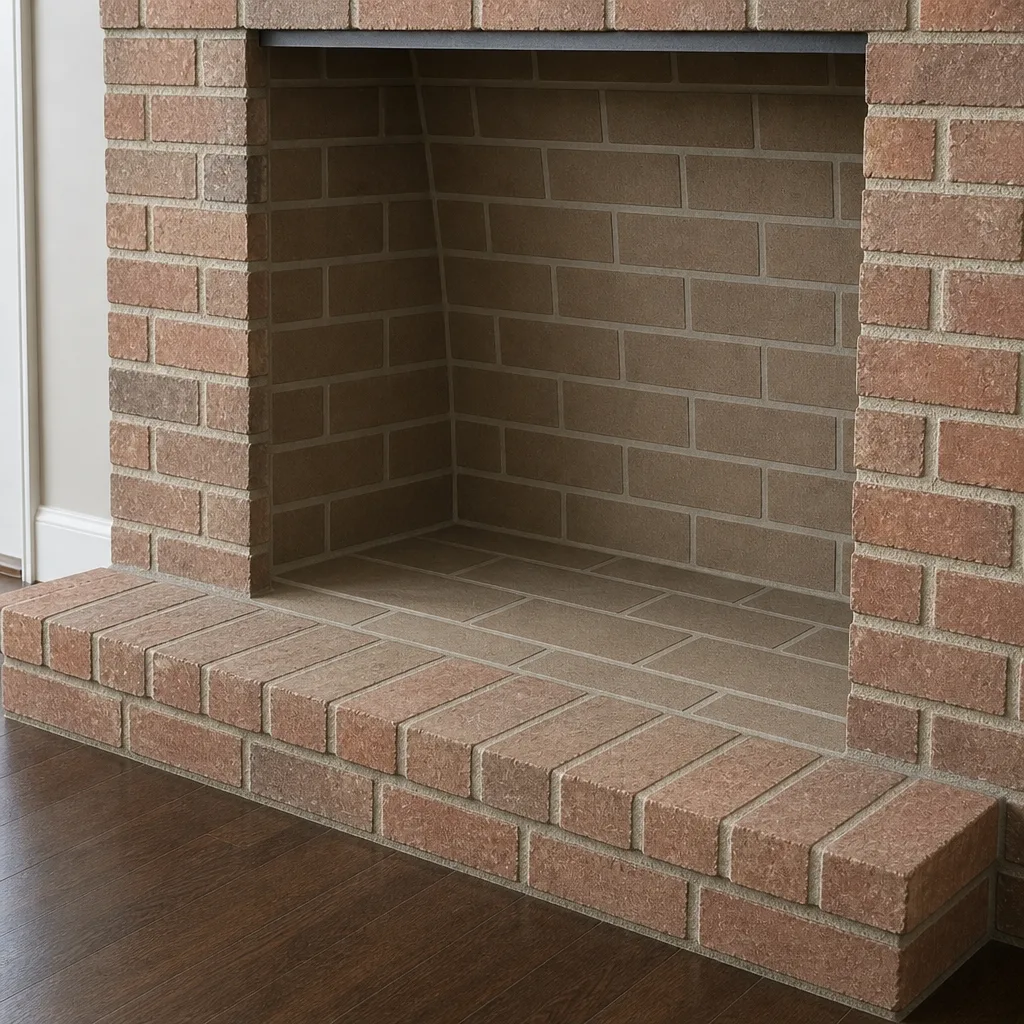 After