
Last updated November 4, 2026
 Sweep & inspection
 Caps & crowns
 Flue relining
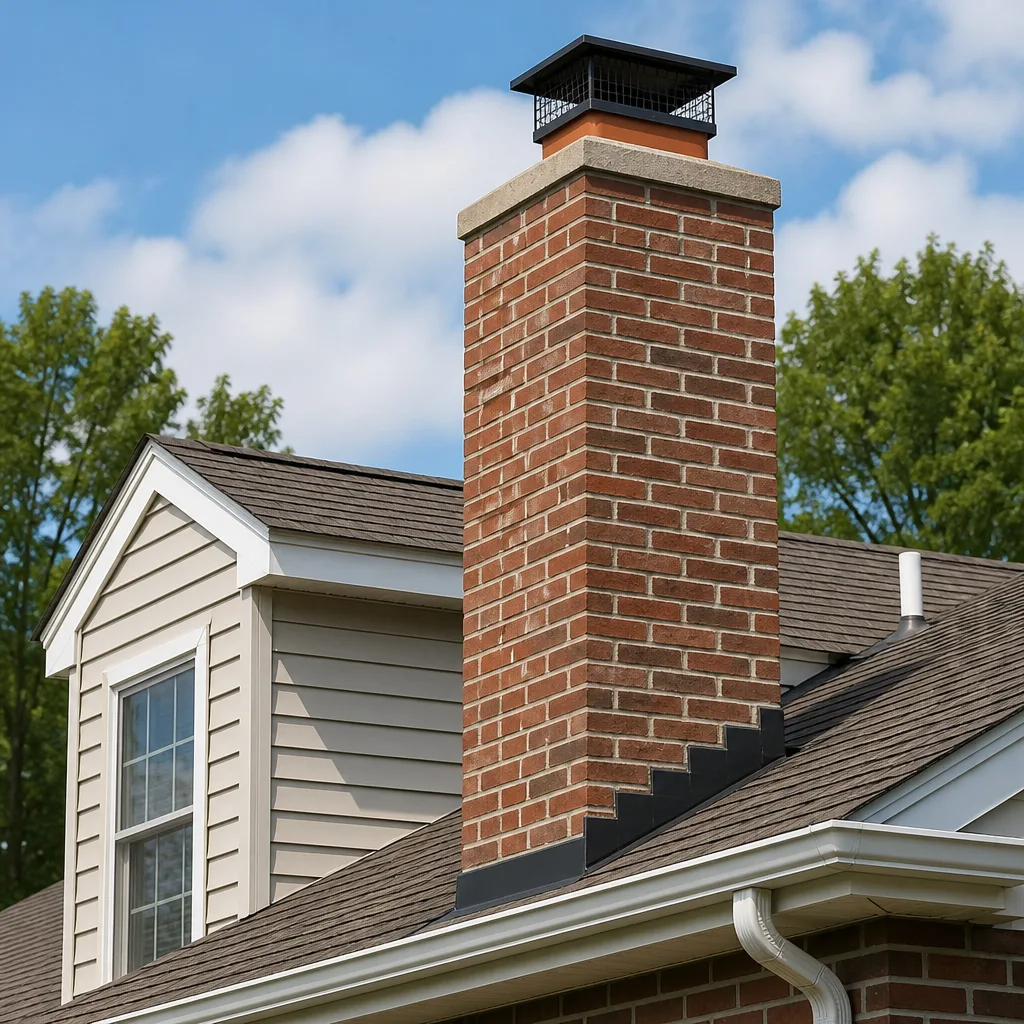 Masonry repair
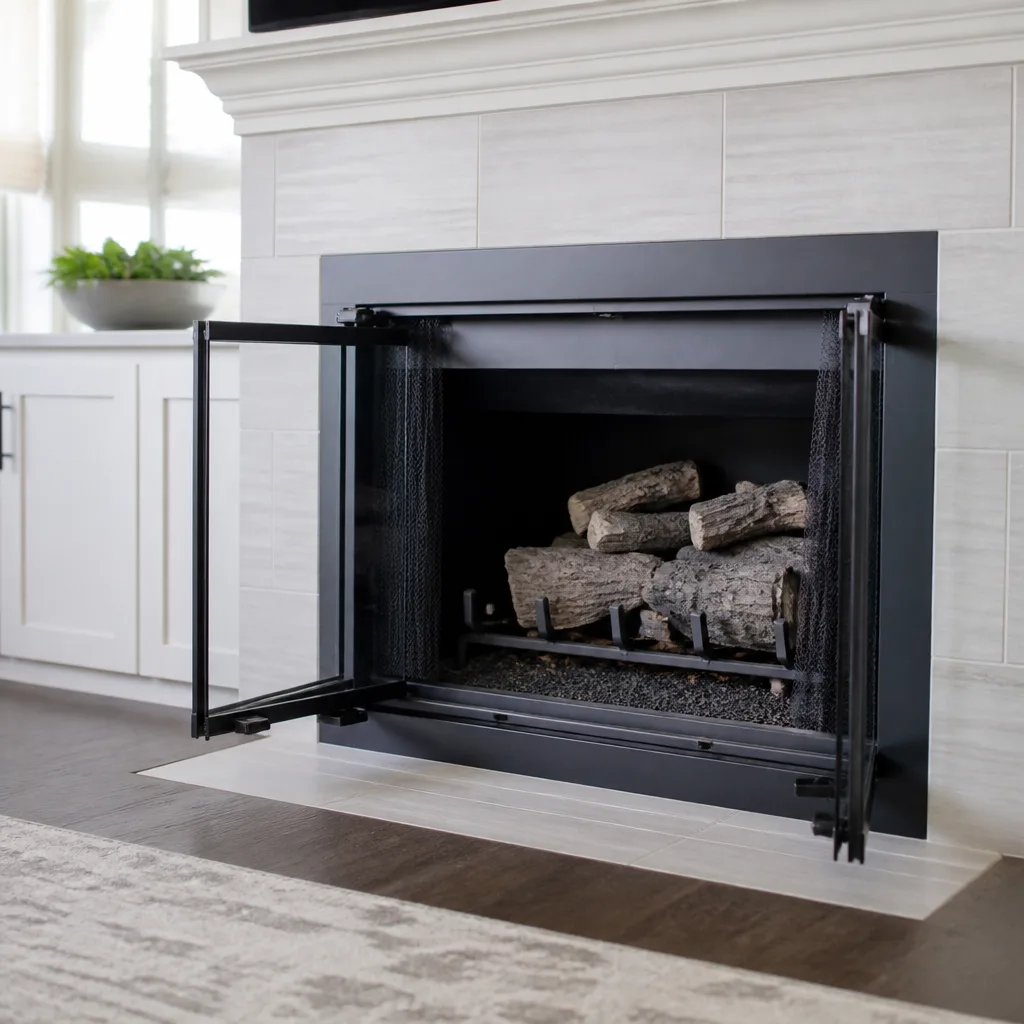 Gas fireplace service
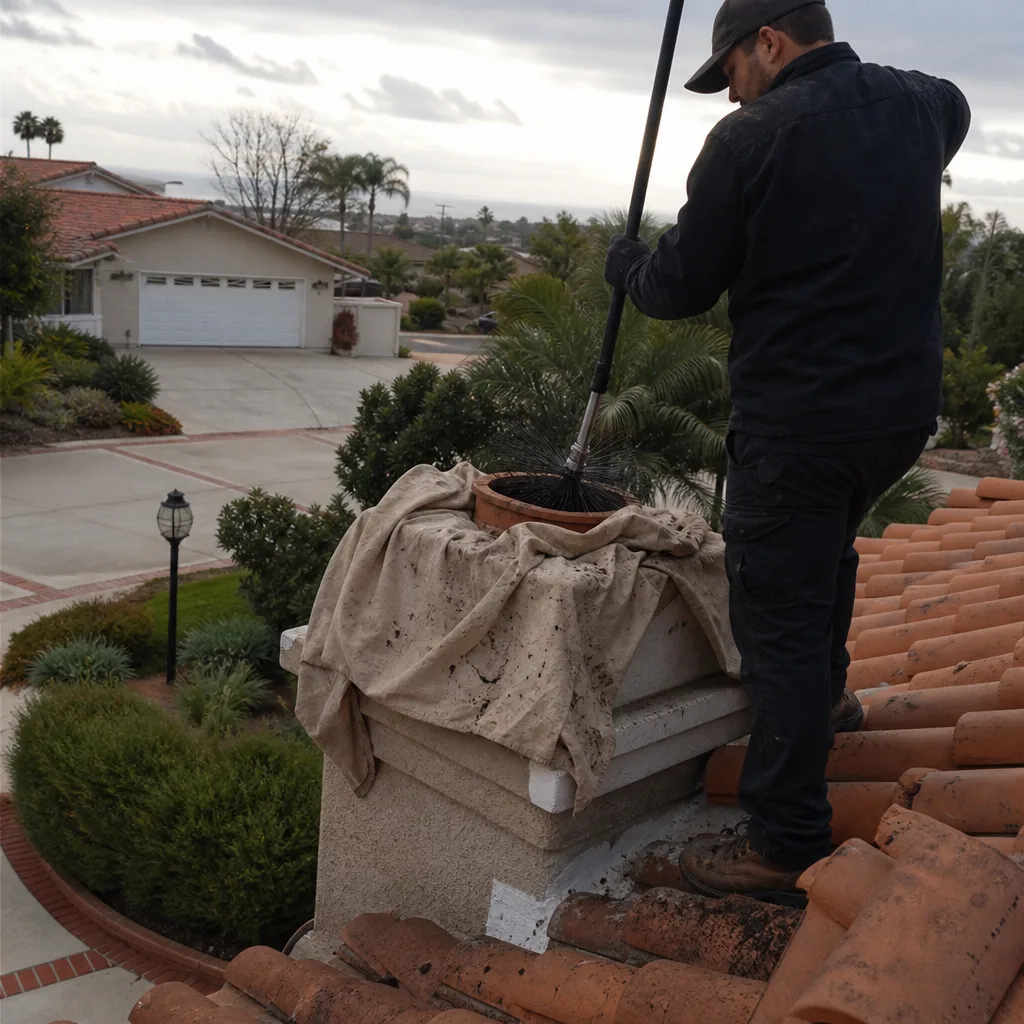
Level 1 sweep and inspection to the NFPA 211 annual standard - flue, crown, cap, and flashing checked and photographed
Chimney sweep logs do not sweep chimneys. They loosen some creosote - which then falls where a brush and vacuum still have to collect it.
Chimney Cleaning Warning Signs: A San Clemente Homeowner’s Reference Guide
A white staining pattern on your chimney’s exterior called efflorescence isn’t a cosmetic issue. It’s your masonry telling you water is moving through it in a way that’s actively weakening the structure. Most San Clemente homeowners notice it, assume it’s just salt or weathering, and move on. That missed signal is exactly how a repairable chimney problem becomes a structural one. This guide walks through the warning signs that matter in San Clemente homes, the ones technicians catch and homeowners consistently overlook, so you can act before a small issue turns into a fire hazard or a five-figure rebuild.
Quick Answer
The most common chimney warning signs in San Clemente homes are white powdery staining on exterior masonry (efflorescence), flaking or spalling brick faces, rust streaking from a deteriorating cap, smoke that lingers in the firebox, a campfire-like smell when the fireplace isn’t in use, and a damper that rattles or no longer seals. Any one of these warrants a camera inspection. None of them should be ignored, because the conditions behind them tend to compound rather than resolve on their own.
Styles & brands we work with
- Sweep & inspection
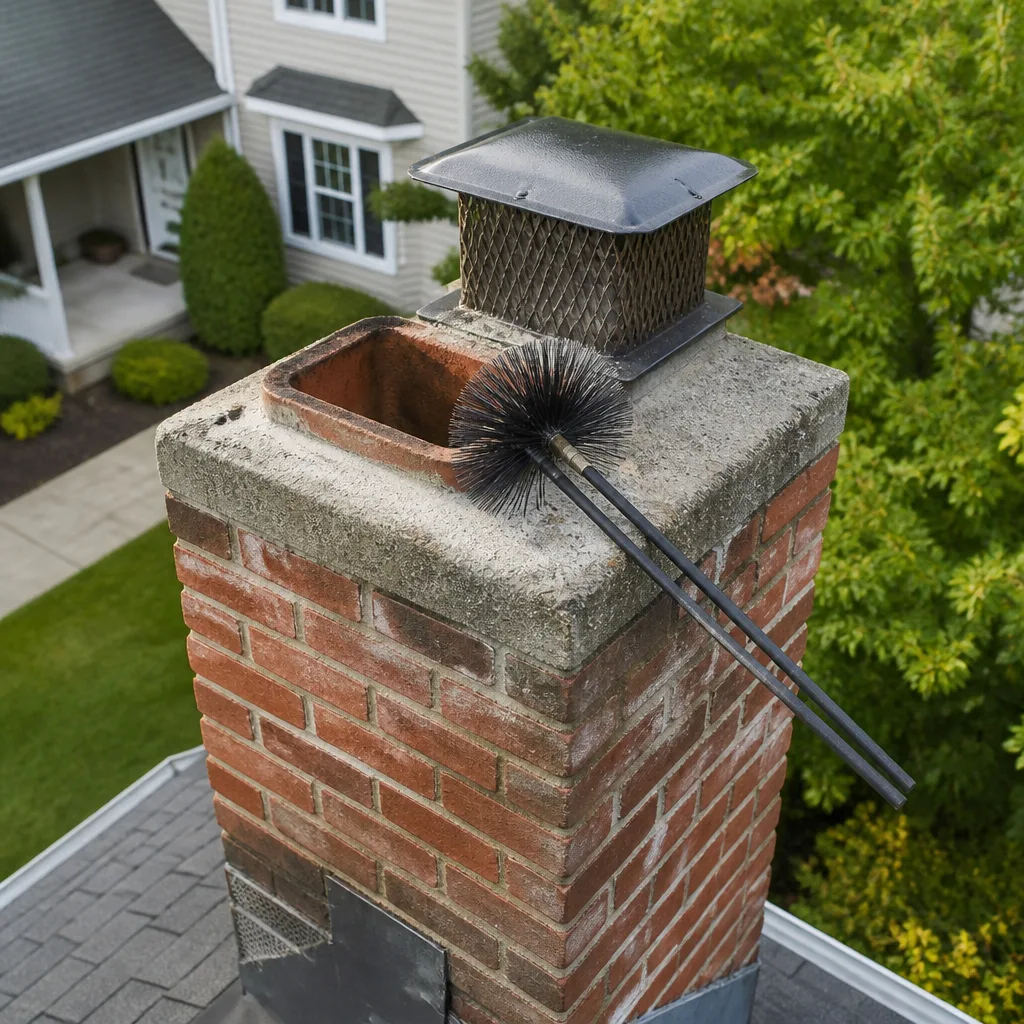
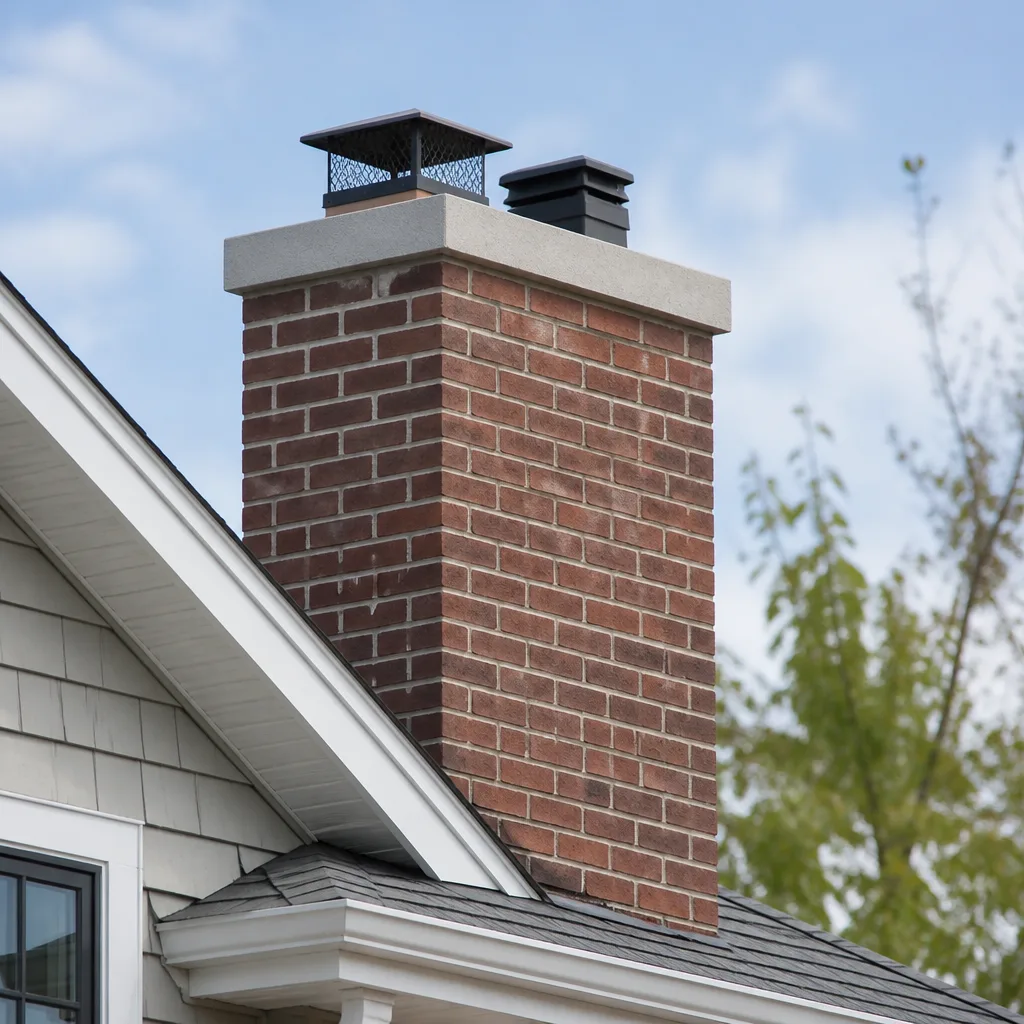
- Caps & crowns
- Flue relining
- Masonry repair
- Gas fireplace service
Table of Contents
- Efflorescence: What White Staining Actually Means
- Spalling Brick and Crumbling Mortar
- Rust Streaking and Cap Corrosion
- Smell Signals: What Different Odors Tell You
- Smoke and Draft Problems: Partial vs. Full Blockage
- The ‘Works Fine’ Problem: Glaze Creosote
- What a Damaged Smoke Chamber Looks Like From the Firebox
- Damper Deterioration: The Sound and Airflow Change
Efflorescence: What White Staining Actually Means
Efflorescence is the white, chalky residue that appears on brick and mortar. It forms when water moves through masonry, dissolves soluble salts inside the material, and carries them to the surface. When that water evaporates, the salts stay behind and crystallize. The staining itself is not the problem. The problem is the water movement behind it. If moisture is passing through your chimney’s masonry in San Clemente, it’s breaking down the internal bonds of the brick and mortar, and it will show up as flaking, cracking, or worse over time.
In our experience, homeowners often wipe the staining off and move on. That removes the symptom, not the cause. If the source of water intrusion isn’t addressed, the efflorescence returns, and each cycle weakens the masonry a little more. Common entry points include a damaged or missing chimney cap, failed flashing where the chimney meets the roof, and porous brick that was never sealed. On older San Clemente homes, the original masonry may be decades old, and the chimney can go from stained to structurally compromised faster than homeowners expect, because the moisture has been working on it long before the staining became visible.
What to look for:
- White or grayish powder that reappears after cleaning
- Staining concentrated near the top of the chimney or around flashing lines
- Darker, damp-looking patches after rain that later turn white
- Crystallized deposits that feel gritty to the touch
Efflorescence alone doesn’t tell you the full story. It tells you to look deeper. A camera inspection from Chimney Sweep San Clemente can identify where water is getting in and whether the flue or firebox has already been affected. The fix often starts with a new cap and flashing repair, not a masonry rebuild, but you won’t know until someone actually looks.
Spalling Brick and Crumbling Mortar
Spalling is what happens after water intrusion has been at work for years. Brick faces flake off, leaving rough, recessed patches where the smooth outer layer used to be. Mortar joints erode, drop grit, and eventually crumble. When you see spalling on a chimney, the damage is no longer cosmetic and it’s no longer early-stage. The structural integrity of the masonry is failing, and in San Clemente’s mild but occasionally rainy climate, once spalling starts it accelerates quickly, because more exposed surface area means more water absorption.
Check your chimney from the ground first. Look for brick fragments near the base. Then look at the faces of the brick itself. Spalled areas look jagged or pitted. Mortar joints may be recessed, with visible gaps. You can run a screwdriver gently across a joint, and if the mortar crumbles instead of resisting, it’s too far gone to ignore. The chimney still stands, but it’s not standing safely under long-term load, and the loose material can drop into the flue and add to blockages, or fall to the ground below.
The repair path depends on how far the deterioration has spread:
- Minor mortar erosion: repointing, where the damaged joints are ground out and refilled with fresh mortar.
- Moderate spalling with intact structure: individual bricks replaced, followed by repointing and waterproofing.
- Extensive spalling or leaning: partial or full rebuild, which is substantially more involved and costly.
We treat spalling as a repair project, not a housekeeping issue. A routine chimney sweep can remove creosote and identify airflow problems, but masonry deterioration needs a repair plan. The earlier it’s caught, the more options you have, and the less you spend overall.
Rust Streaking and Cap Corrosion
Rust streaks running down the side of a chimney usually mean the cap or the flashing has begun to corrode. Most homes in San Clemente have galvanized steel or aluminum components up there, and while those materials resist rust for years, they don’t last forever. Once the protective coating fails, the underlying metal rusts, expands, and the streaks wash down the chimney face. What you’re seeing is the cap actively failing, which means water is entering the flue every time it rains.
A rusted cap is more than an eyesore. The cap exists to keep rain, leaves, and animals out of the flue while allowing smoke and gases to escape. When it corrodes through, it stops doing the first part. Water runs down the flue, mixes with creosote, and creates an acidic slurry that attacks the flue liner. The same water can reach the firebox and the smoke chamber, where it damages refractory panels and accelerates their deterioration. The rust staining on the outside is the visible trace of a process that’s doing worse damage on the inside.
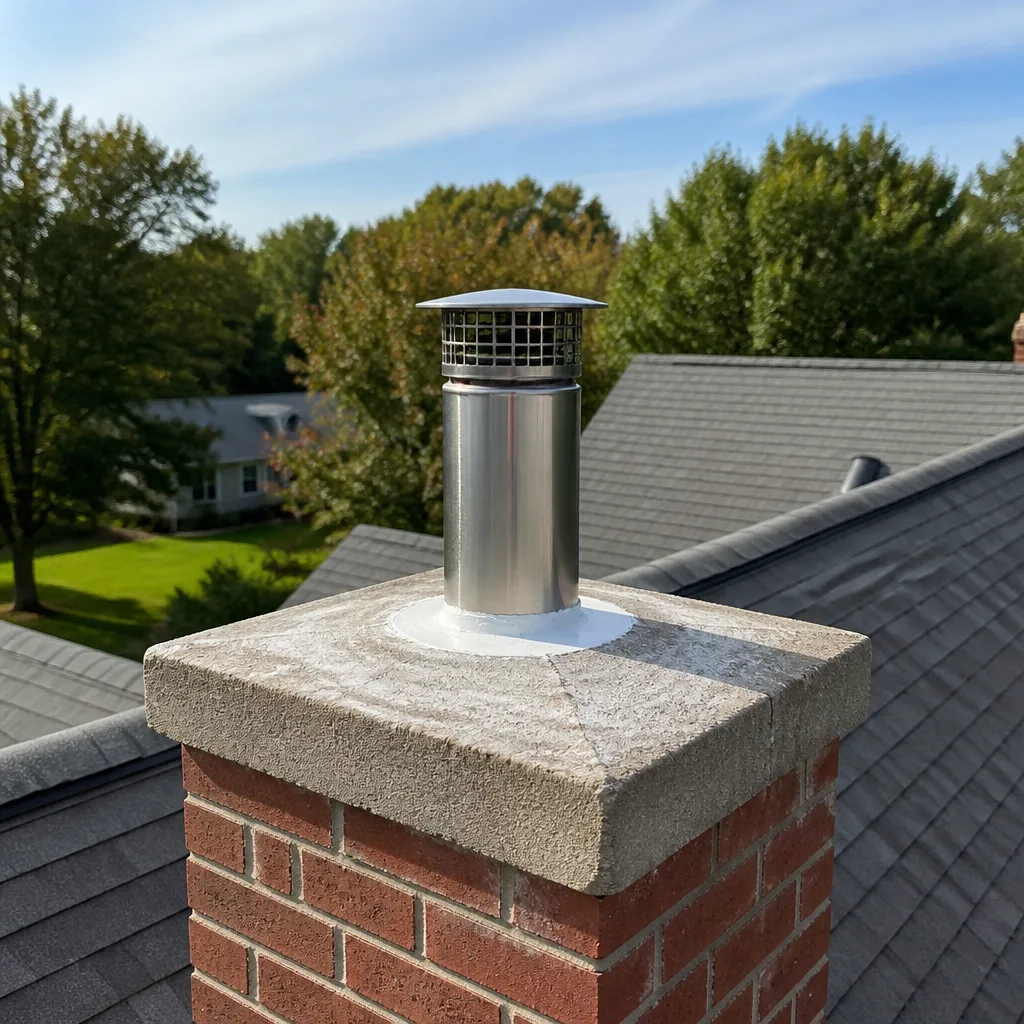
We replace caps with professional-grade components, including Gelco chimney caps, which are built for longevity and sized to the flue rather than grabbed off a shelf. A correct cap installation accounts for draft, not just rain protection, so the cap you choose matters. If the flashing has failed too, that’s a combined repair, and it’s far cheaper to address both at once than to patch one and revisit the other next season.
Smell Signals: What Different Odors Tell You
A fireplace that smells like a cold campfire on a damp morning is telling you something specific. That odor is creosote absorbing moisture and releasing odor compounds into the room. It’s most noticeable when the fireplace isn’t being used, on humid days, or when the air conditioner pulls air down the chimney. In San Clemente, the mild climate means fireplaces sit idle for long stretches, and smell signals go unnoticed or get written off as normal. They’re not normal, and they’re not harmless.
Different odors point to different conditions:
- Cold campfire smell when the fireplace is off: creosote buildup absorbing humidity. The flue needs cleaning.
- Strong smoke smell right after lighting a fire: poor draft, a partially open damper, or a partial blockage in the flue.
- Musty or mildewy smell: water intrusion from the cap, flashing, or masonry. Moisture has reached the creosote or the firebox.
- Burning smell with no visible fire, or when the furnace is running: possible debris or animal nesting in the flue, or creosote getting hot from nearby heat.
- Confirm the damper is opening fully and not warped or seized.
- Check for visible obstructions from the firebox and from the top of the flue.
- Run a camera through the entire flue to identify narrowing, debris, or structural damage.
- Measure smoke pull and assess the flue size relative to the firebox opening.
- Clean, repair, or replace as needed, then re-test the draft.
- Ledges or steps where creosote has piled up in thick, crusty ridges
- Mortar joints that are missing, crumbling, or deeply eroded
- Gaps between brick courses where heat and gas can escape into the surrounding structure
- Loose debris that has fallen and is sitting on the smoke shelf
Odor alone doesn’t give you a diagnosis. It gives you a reason to look. A camera inspection will show whether the smell is from surface creosote, deep glaze deposits, water damage, or a nesting animal. Each cause has a different fix, and guessing wastes a season of burning time.
Smoke and Draft Problems: Partial vs. Full Blockage
Draft problems feel different depending on how much of the flue is blocked. A fully blocked flue is dramatic: smoke pours into the room immediately, the fire struggles to establish, and the house fills fast. Most homeowners react to that. A partially blocked flue is sneakier. The fire lights, it burns, but the smoke lingers at the top of the firebox instead of drawing cleanly up. It might roll into the room when you open the door to add wood. You might notice the fire burning slower than it should, or a faint haze near the ceiling.
Partial blockages are the ones that get lived with, because the fireplace technically “works.” In our experience, that’s the biggest reason minor chimney problems in San Clemente turn into major ones. What’s partially blocking the flue could be creosote that has narrowed the passage, a bird nest, a dislodged flue tile, or a damper that isn’t opening fully. Each one changes the airflow in a different way.
Here’s the sequence we walk through when a homeowner reports draft trouble:
Proper draft is a physical calculation, not a vibe. The flue has to be the right size, clear of obstruction, and the chimney has to pull air at a rate that matches the firebox. When any of those is off, you feel it as lingering smoke and smell. A chimney sweep that includes a camera check will find the cause rather than just sweeping the same problem year after year.
The ‘Works Fine’ Problem: Glaze Creosote
The most dangerous creosote condition in a wood-burning fireplace is the one you can’t see from the firebox. Glaze creosote, also called third-degree or glazed creosote, forms under specific conditions: high flue temperatures followed by rapid cooling, which happens when a hot fire meets a cold or poorly insulated flue. It deposits as a hard, shiny, tar-like layer that bonds to the flue walls. Unlike the flaky creosote a brush removes, glaze creosote resists mechanical cleaning and creates a dense, highly flammable surface.
Here’s the part San Clemente homeowners miss: a fireplace doesn’t have to smoke to have dangerous glaze accumulation. The fire draws fine. The room warms. The flue has enough open diameter that you don’t notice the buildup. But the layer is growing, and glaze creosote burns hotter and longer than ordinary creosote once it ignites. A chimney fire that starts in glaze deposits can reach temperatures that crack flue tiles, damage masonry, and spread beyond the chimney. The stove or fireplace keeps working normally right up until it doesn’t.
Glaze creosote can only be confirmed with a camera. A visual check up the flue won’t show it unless the buildup is severe. That’s why the routine matters. We scan the flue on every sweep, not just the once-a-decade inspections, because in a mild climate where fires are occasional and flues run cold, glaze forms faster than homeowners assume. When we find it, the options range from chemical treatment and removal to flue resurfacing with HeatShield, which is a certified repair process that restores a damaged flue rather than requiring a full liner replacement. The key is knowing it’s there at all.
What a Damaged Smoke Chamber Looks Like From the Firebox
The smoke chamber is the section above the firebox and below the flue. It’s shaped like an inverted funnel, designed to compress smoke and guide it into the flue. On many older chimneys, particularly in homes built decades ago, the smoke chamber was constructed with corbeled brick, meaning the bricklayer stepped each course inward to create the taper. Those steps create ledges where creosote and debris collect, and the mortar in this area gets exposed to the harshest heat in the system. When it deteriorates, you get gaps, missing mortar, and exposed brick that is no longer smooth or gas-tight.
You can check part of this yourself, safely, from the firebox. Open the damper and look up with a bright flashlight. What you’re looking for:
The smoke chamber is a common fire-origin point because it’s hidden, it’s narrow, and the materials there are often old. A damaged smoke chamber also wastes heat and kills draft, because smoke cools and slows as it hits rough, irregular surfaces instead of moving smoothly upward. When we find smoke chamber damage, the fix usually means parging the walls with a refractory mortar to create a smooth, continuous surface, or more involved repair depending on the condition. The repair matters, because a chimney with gaps in its smoke chamber is venting into the house’s structure, not just out the top.
Damper Deterioration: The Sound and Airflow Change
A damper that’s failing gives you two clues before it breaks completely. The first is sound: a metallic rattle when the wind hits the chimney, or a rasping, scraping noise when you open and close it. That sound tells you the metal has warped, the hinges are corroding, or the frame is no longer seated properly. The second is airflow: you feel a draft when the fireplace isn’t in use, even with the damper “closed.” Cold air falls down the chimney in the morning, or warm air from the house gets pulled up and out through gaps around the damper plate. That means the seal has failed even if the handle feels fine.
Most dampers in San Clemente homes are throat dampers, the cast-iron or steel kind installed just above the firebox. They rust over time, warp from heat, and the lever mechanism gets stiff or breaks. When the damper no longer seals, you’re not only losing conditioned air year-round, you’re also giving water vapor and outside air a direct path into the flue, which accelerates creosote corrosion and makes smell problems worse.
There’s a safety issue here too. A damper that fails during a fire, either slamming shut or refusing to close, can trap smoke and carbon monoxide in the home. If yours is rattling, scraping, or letting air through when it’s supposed to be closed, it’s time to have it replaced. A top-sealing damper, which mounts at the top of the flue rather than at the firebox, often solves the draft, smell, and efficiency issues all at once. We recommend replacing rather than repairing most old throat dampers, because a repaired one tends to fail again. But start with an inspection, because the right fix depends on the condition of the existing unit and the type of fireplace you have.
Common Mistakes to Avoid
- Wiping away efflorescence and assuming it’s resolved. The staining will return until water entry is addressed, and each cycle weakens the masonry. Treat the cause, not the symptom.
- Skipping a sweep because the fireplace hasn’t been used much. Creosote and debris accumulate regardless, and animals build nests in idle chimneys. Low use is a reason to inspect, not to skip.
- Using the fireplace as a test for whether the chimney is fine. If it lights and draws, you assume it’s safe. Glaze creosote and hidden smoke chamber damage don’t announce themselves through performance.
- Patching rusted flashing with sealant. Sealant is a temporary bandage over a structural connection point. Failed flashing needs to be replaced by a technician who works on chimney systems.
- Burning wood with high moisture content. Wet wood burns cooler, produces more creosote, and accelerates buildup. Use seasoned wood with low moisture content for cleaner burns.
- Ignoring a rattling damper. It’s not just noise. A warped or rusted damper is a seal failure and a potential safety hazard during a fire.
- Hiring based on price alone. A sweep that doesn’t include a camera inspection can’t tell you what’s actually happening inside the flue. The cheap visit often costs more in missed damage.
See the difference
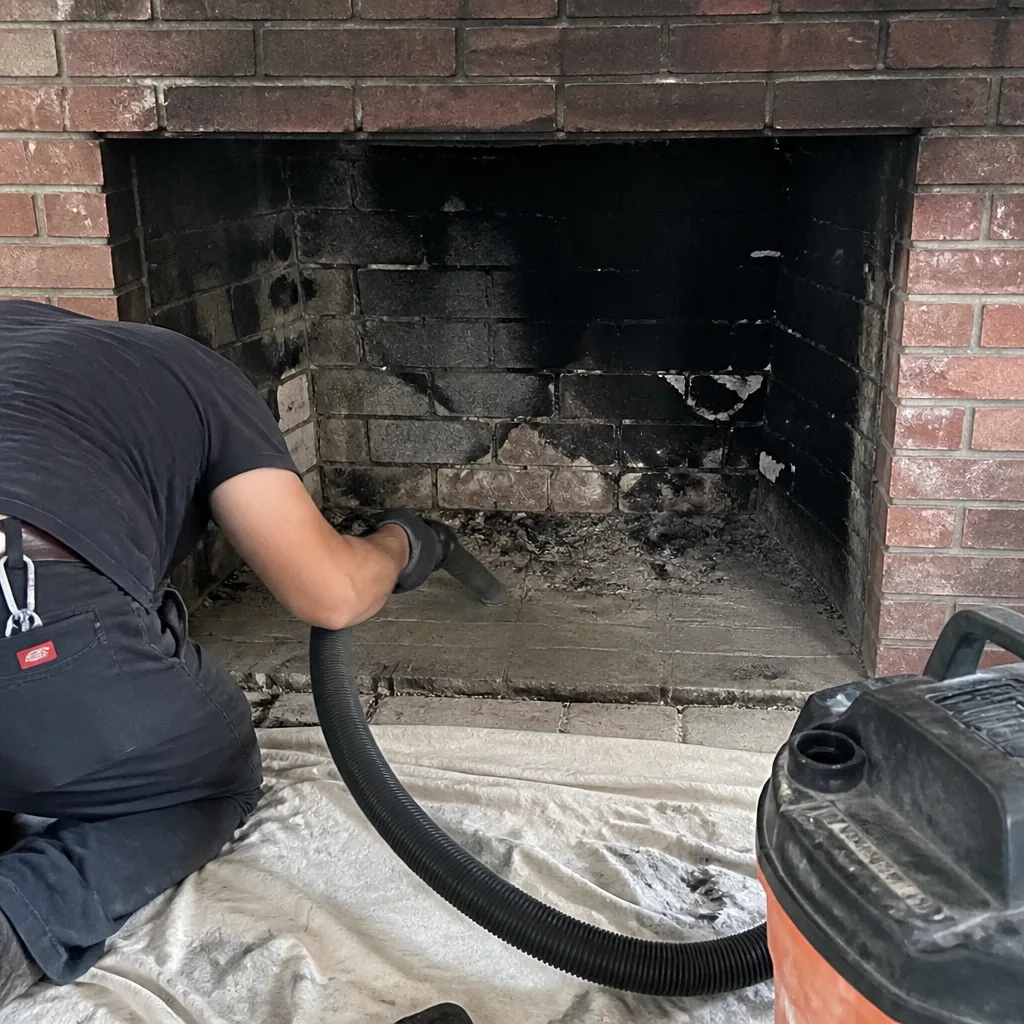 Before
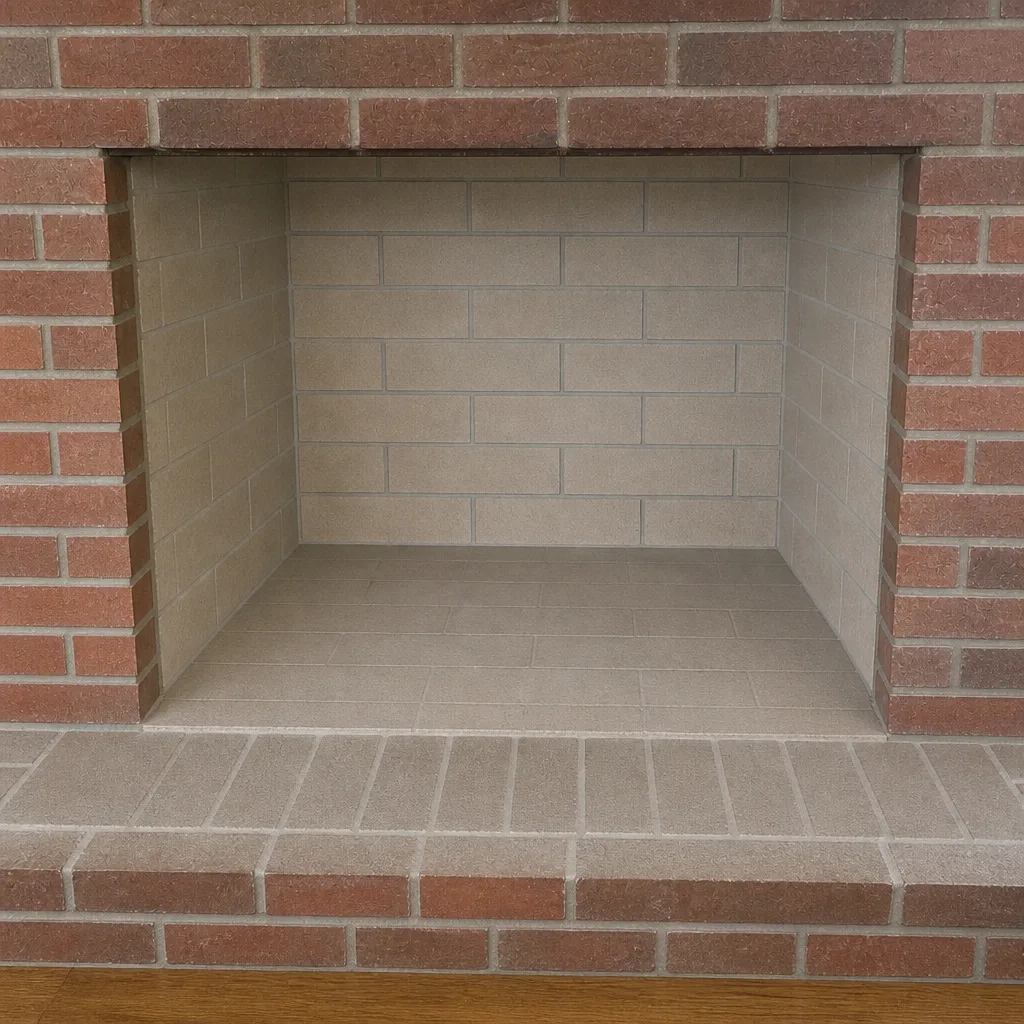 After
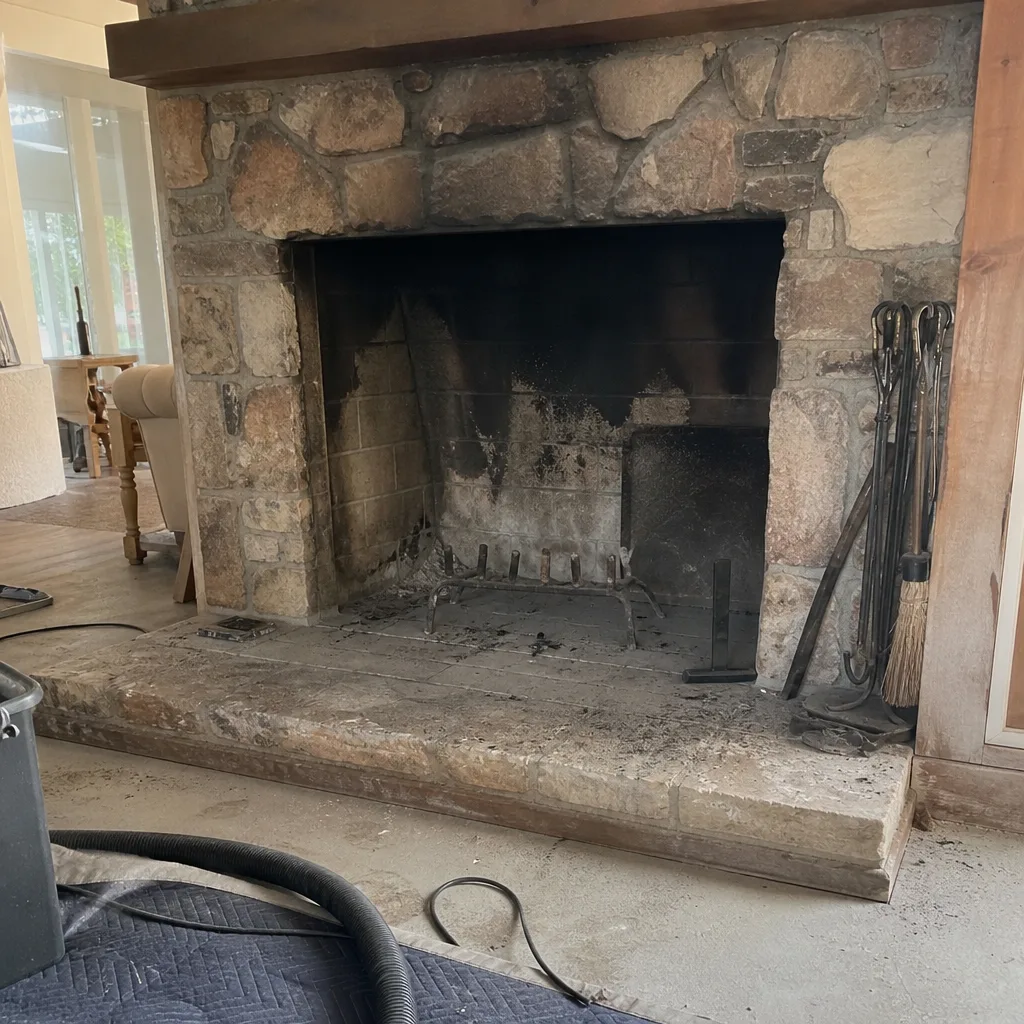 Before
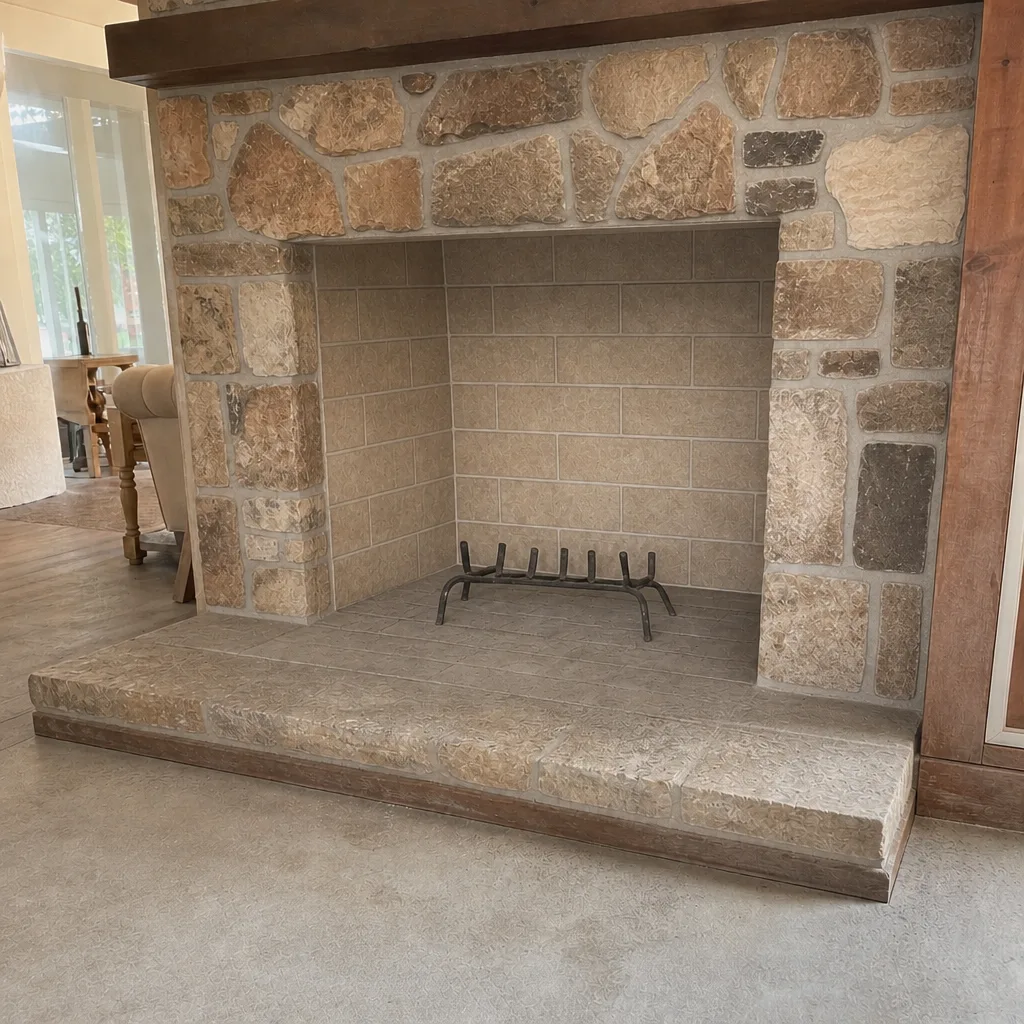 After
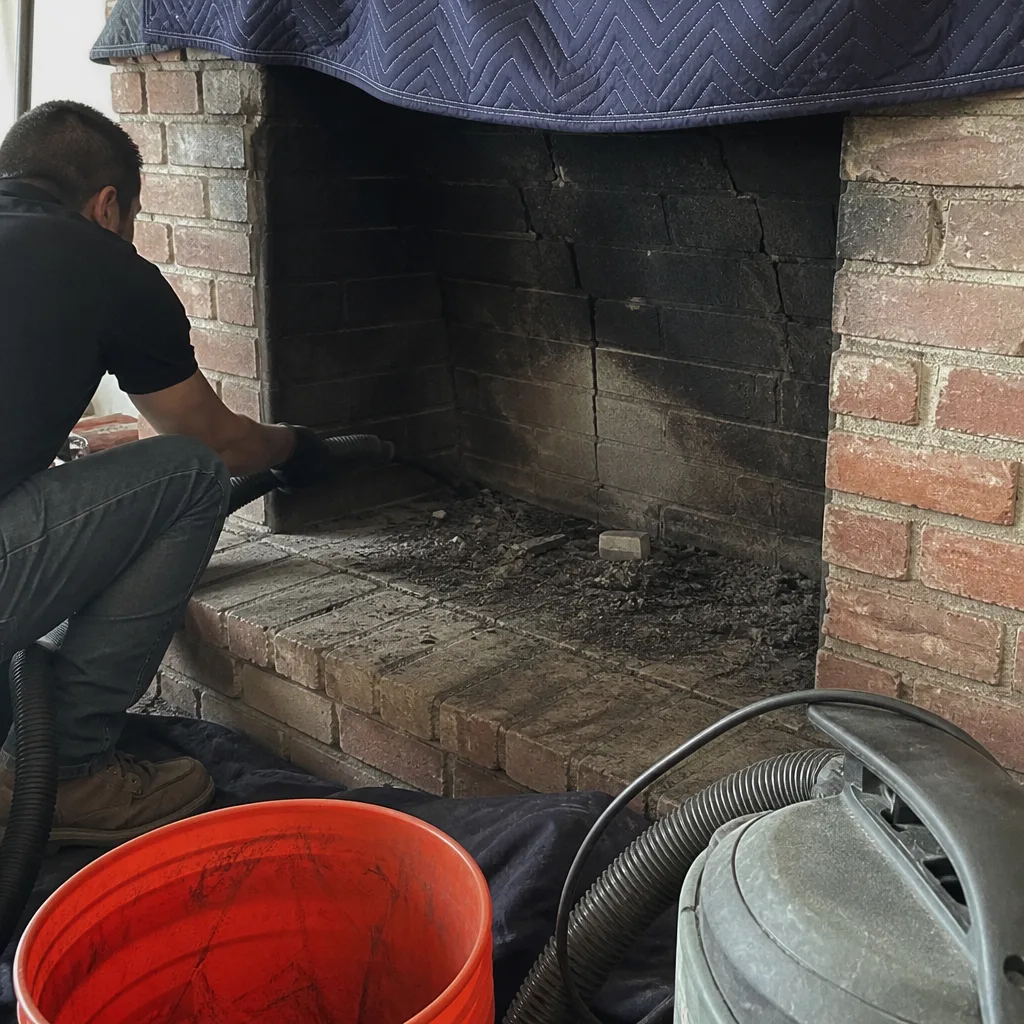 Before
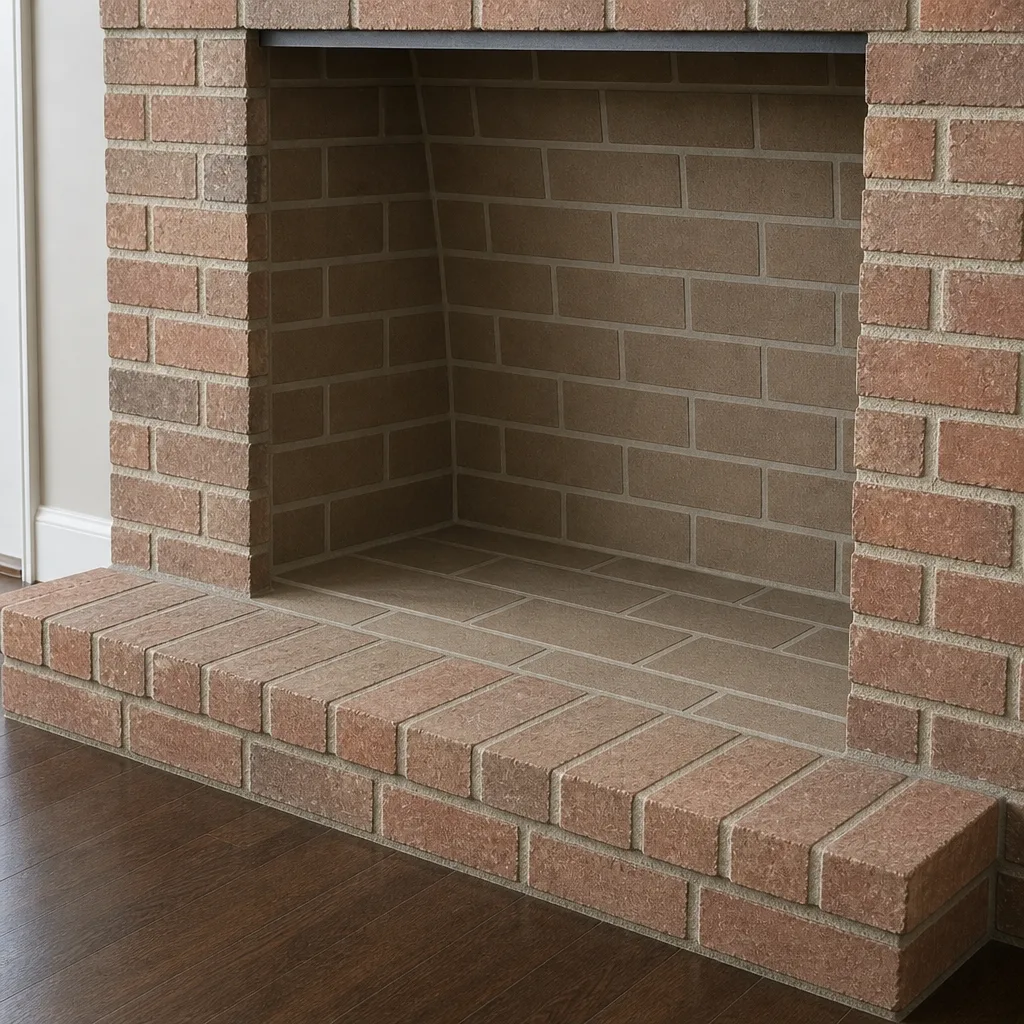 After
When to Call a Professional
Call a professional the first time you notice any of the signs covered in this guide: efflorescence, spalling, rust streaking, persistent odor, lingering smoke, a rattling damper, or air movement through a closed damper. These are not conditions that improve with time. Also call if it’s been more than a year since the flue was last cleaned and inspected, even if everything seems fine. The National Fire Protection Association recommends annual inspection and cleaning as needed, and that recommendation exists because the dangerous conditions are the ones you can’t see from the living room. A camera inspection is the only way to know whether glaze creosote, smoke chamber damage, or water intrusion is developing. Chimney Sweep San Clemente offers free estimates in San Clemente. Call (877) 798-8489. We answer 24/7. Fast dispatch from 7am to 7pm, Sunday through Friday.
Frequently Asked Questions
A standard chimney sweep in San Clemente typically costs between $180 and $300, depending on the size of the flue, the amount of creosote buildup, and whether a camera inspection is included. The final price comes from a written estimate after we see the condition of the chimney. Call (877) 798-8489 for a free estimate, and we’ll give you a number before any work begins.
The National Fire Protection Association recommends having your chimney inspected at least once a year and cleaned as needed. For San Clemente homes that burn wood regularly during the cooler months, that usually means a cleaning each year. If you use the fireplace only occasionally, the inspection still matters, because idle flues collect debris and attract animals. The camera scan tells us whether the flue needs cleaning or simply monitoring.
That depends on the condition of the liner, which is why we don’t recommend a replacement without camera evidence. Some damaged flues can be resurfaced with HeatShield, a certified repair process that restores the flue without a full liner replacement. Other cases need a new DuraFlex liner system, which is a premium, code-compliant relining solution. We’ll show you the camera footage and walk through your options before you’re asked to spend anything.
The creosote layer gets thicker, the flue narrows, and the risk increases. Glaze creosote forms in layers that a brush can’t remove. Water intrusion through a failing cap or flashing compounds the problem by turning creosote acidic, which attacks the liner and masonry. By the time a skipped cleaning shows visible symptoms, the repair is often more expensive than the sweep would have been. The annual visit is the cheapest insurance on the house.
You can do a basic visual check from the ground, looking at the brick faces, the mortar joints, the cap, and the flashing. You can also look up the firebox with a flashlight to spot heavy creosote or missing mortar in the smoke chamber. What you can’t do is see the inside of the flue through its entire length, and that’s where the most serious conditions hide. Those require a camera inspection by a trained technician.
A chimney sweep from Chimney Sweep San Clemente does both. We’re a full-service chimney and ventilation specialist, so we handle sweeping, repair, and dryer vent cleaning under one provider. If the sweep reveals damage, we can repair it rather than referring you out. That includes liner resurfacing, cap replacement, masonry repair, and damper replacement. The diagnosis and the fix come from the same team.
They’re separate systems, but they fail in the same way: flammable buildup in an enclosed passage that no one looks at until there’s a problem. That’s why we offer dryer vent cleaning as a core service rather than an afterthought. Lint accumulation in a dryer vent is one of the leading residential fire causes documented by the NFPA, and like a dirty chimney, it gives you warning signs: longer drying times, a hot laundry room, and lint visible at the vent termination. Both systems deserve annual attention.
The Bottom Line
Chimney problems in San Clemente are usually quiet. The white staining, the faint campfire smell, the damper that rattles, the fire that “works fine” while glaze creosote builds in a flue you can’t see. None of these signs announce themselves loudly, and all of them get worse. The fix is a camera inspection by a professional who can diagnose and repair, not just sweep and leave. At San Clemente, that means Chimney Sweep San Clemente: a single provider for sweeping, repair, and dryer vent cleaning, working with professional-grade brands like DuraFlex, HeatShield, and Gelco. Call (877) 798-8489 for a free estimate, and get answers before the quiet signs turn loud.
Written by the team at Chimney Sweep San Clemente, serving San Clemente since 2017.