
Last updated November 4, 2026
 Sweep & inspection
 Caps & crowns
 Flue relining
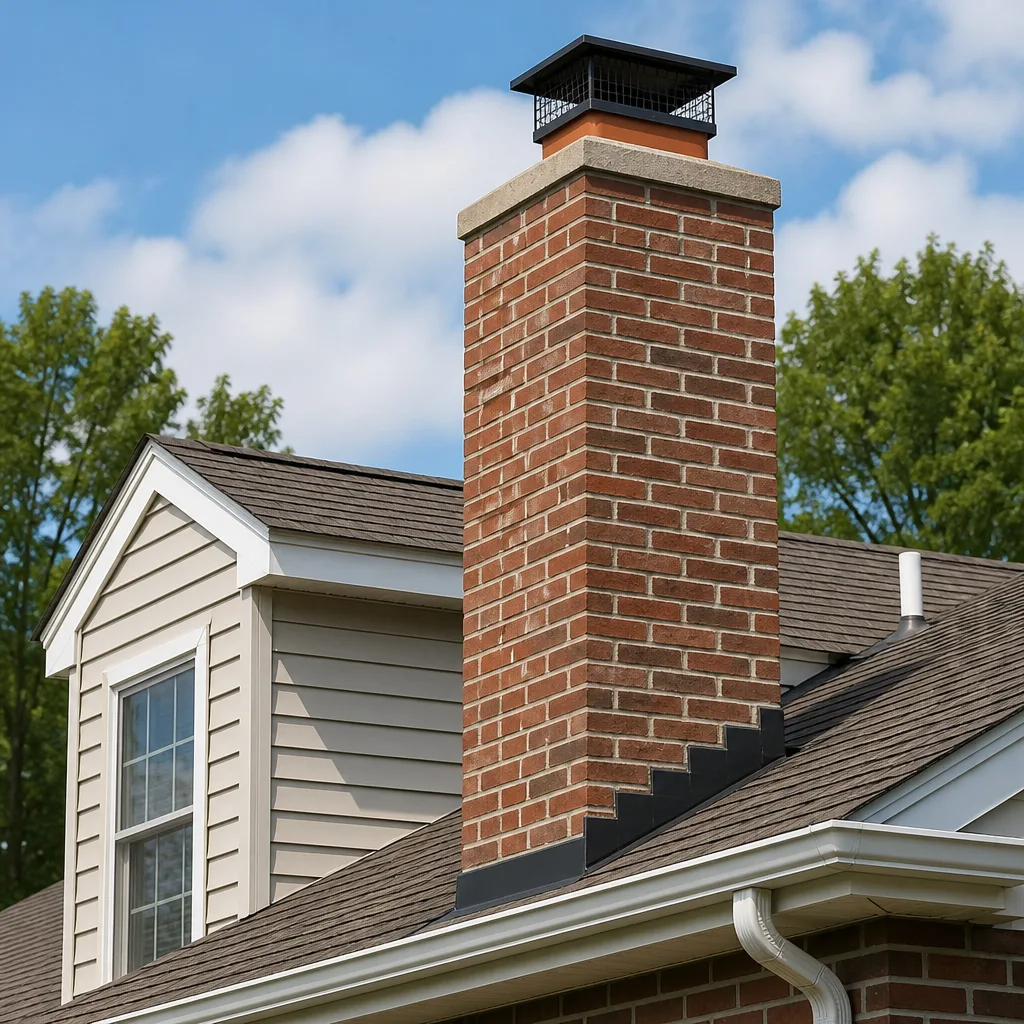 Masonry repair
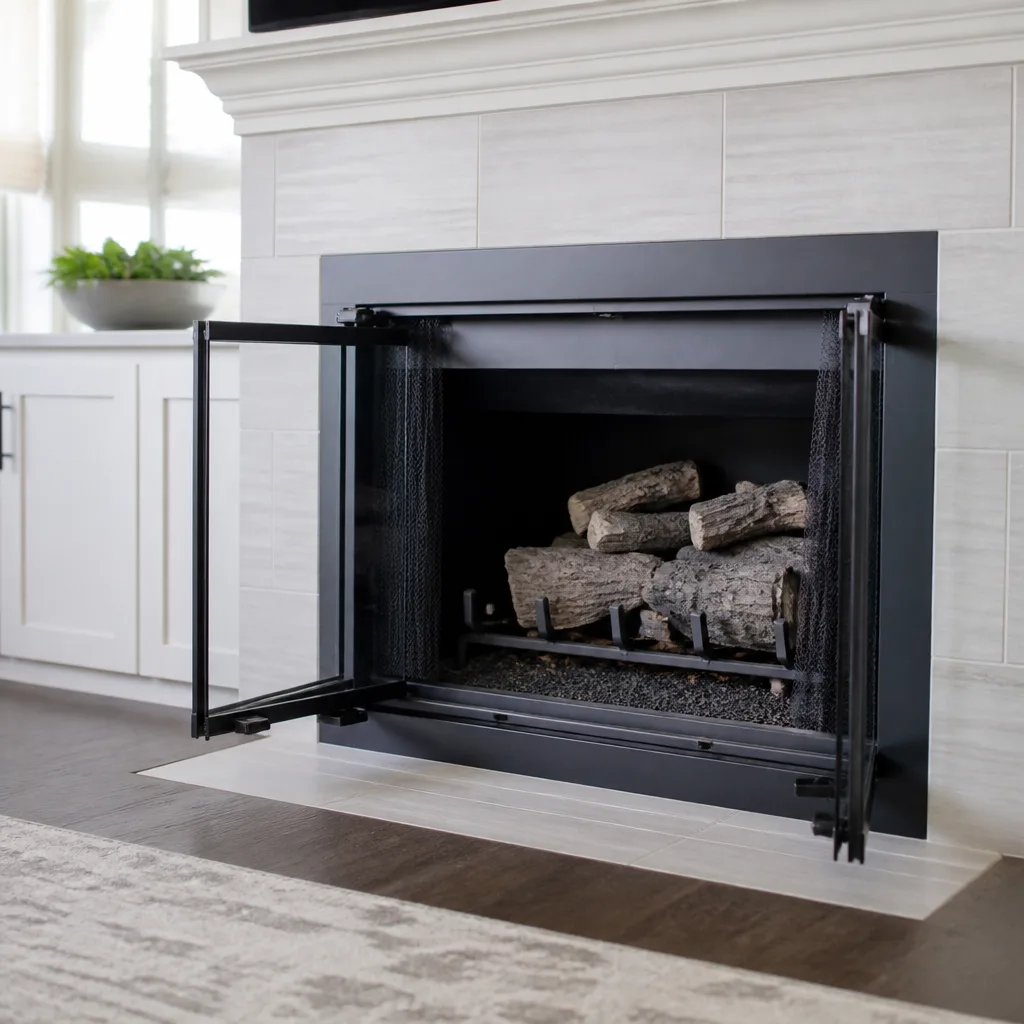 Gas fireplace service
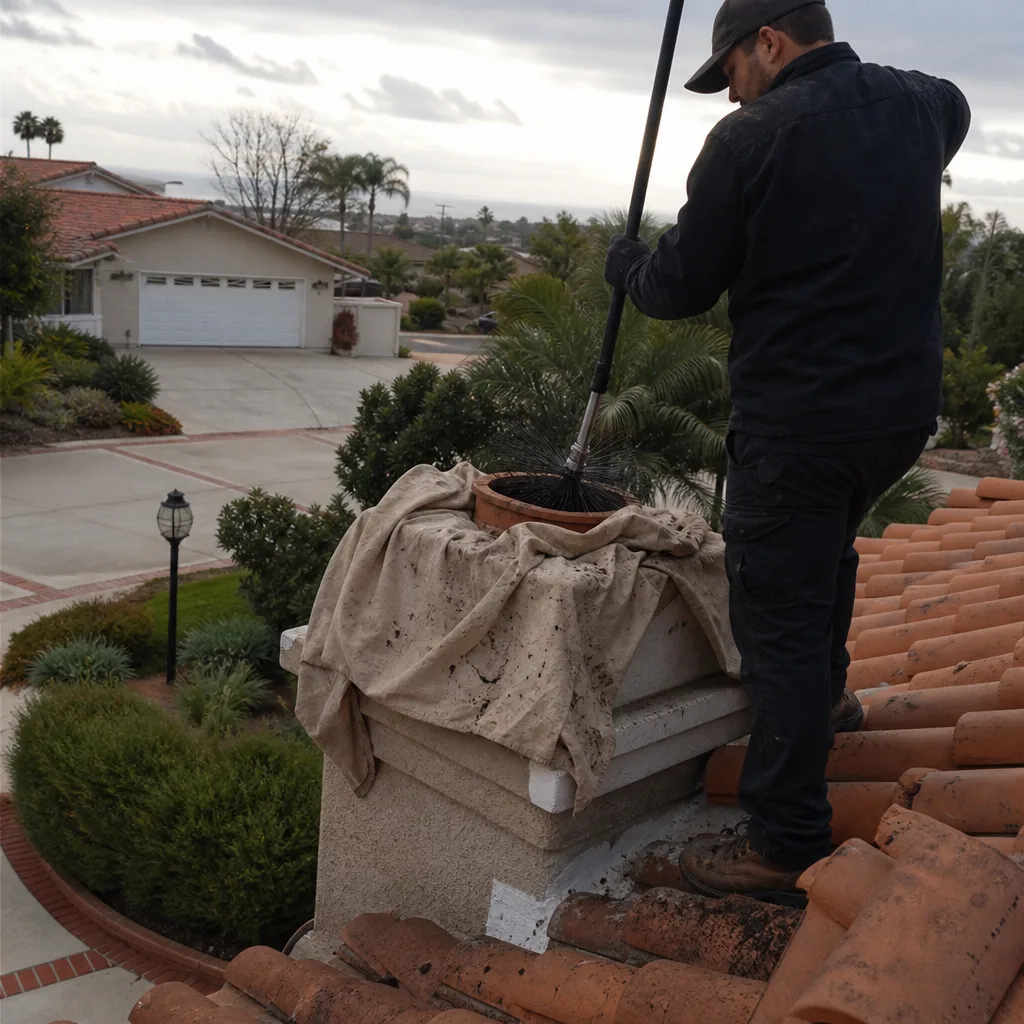
Level 1 sweep and inspection to the NFPA 211 annual standard - flue, crown, cap, and flashing checked and photographed
Chimney sweep logs do not sweep chimneys. They loosen some creosote - which then falls where a brush and vacuum still have to collect it.
Chimney Sweep Maintenance Schedule: What to Do and When
Most homeowners in San Clemente treat chimney maintenance as a once-a-year checkbox, and that’s understandable. The national guidelines say “sweep annually,” so why think harder about it? Because the national guidelines assume a wood-burning fireplace in Ohio. A gas log set in a San Clemente living room runs on different chemistry, fails in a different way, and needs a different calendar than a pellet stove in Trabuco Canyon or a dryer vent pulling lint from three loads a week. This guide breaks down what actually needs to happen, when it needs to happen, and which tasks you can handle yourself versus which ones need a certified sweep with a camera.
Quick Answer
A wood-burning fireplace in San Clemente should be swept after every 40 to 50 fires or once a year, whichever comes first. Gas fireplaces and inserts need an annual combustion and flue inspection to catch liner corrosion and vent blockage, even though they produce no creosote. Pellet stoves should be cleaned twice per burn season, and dryer vents need cleaning every 12 months if you do three or more loads weekly.
Styles & brands we work with
- Sweep & inspection
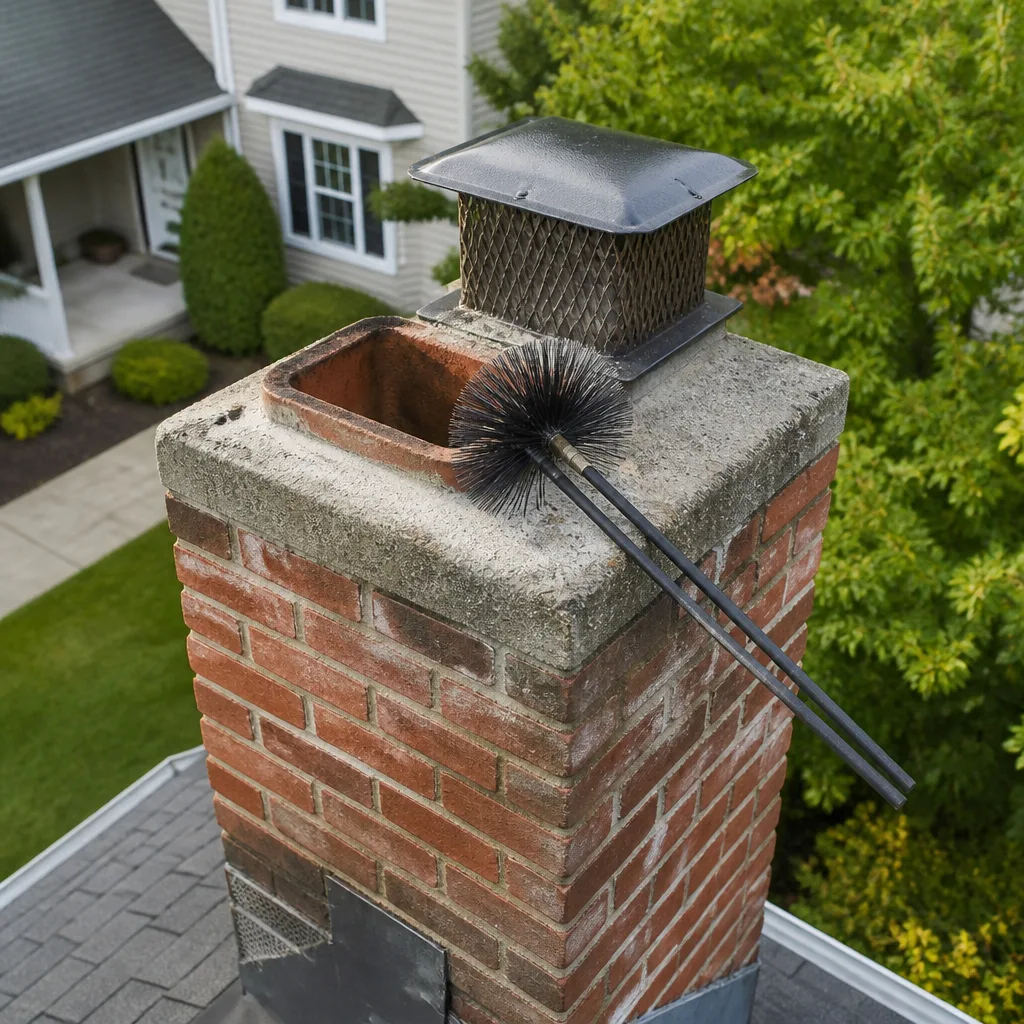
- Caps & crowns
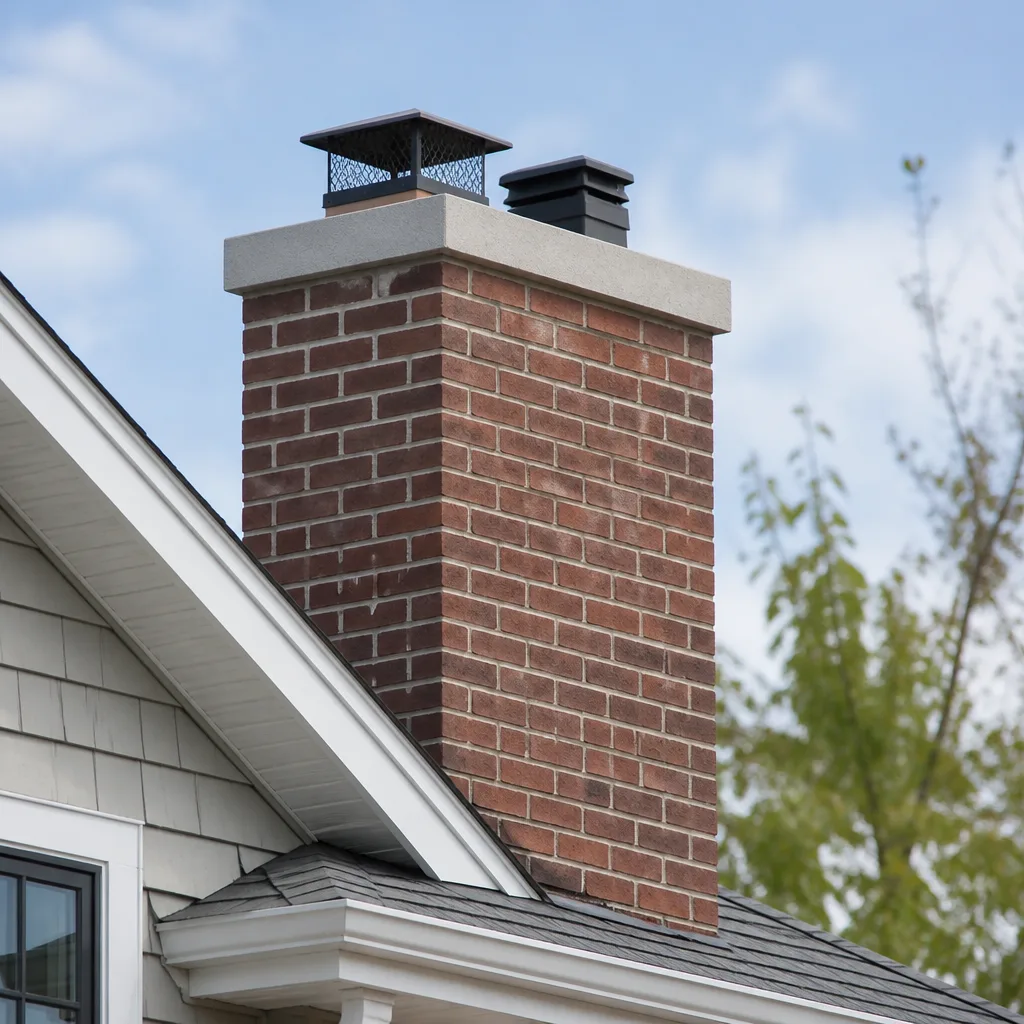
- Flue relining
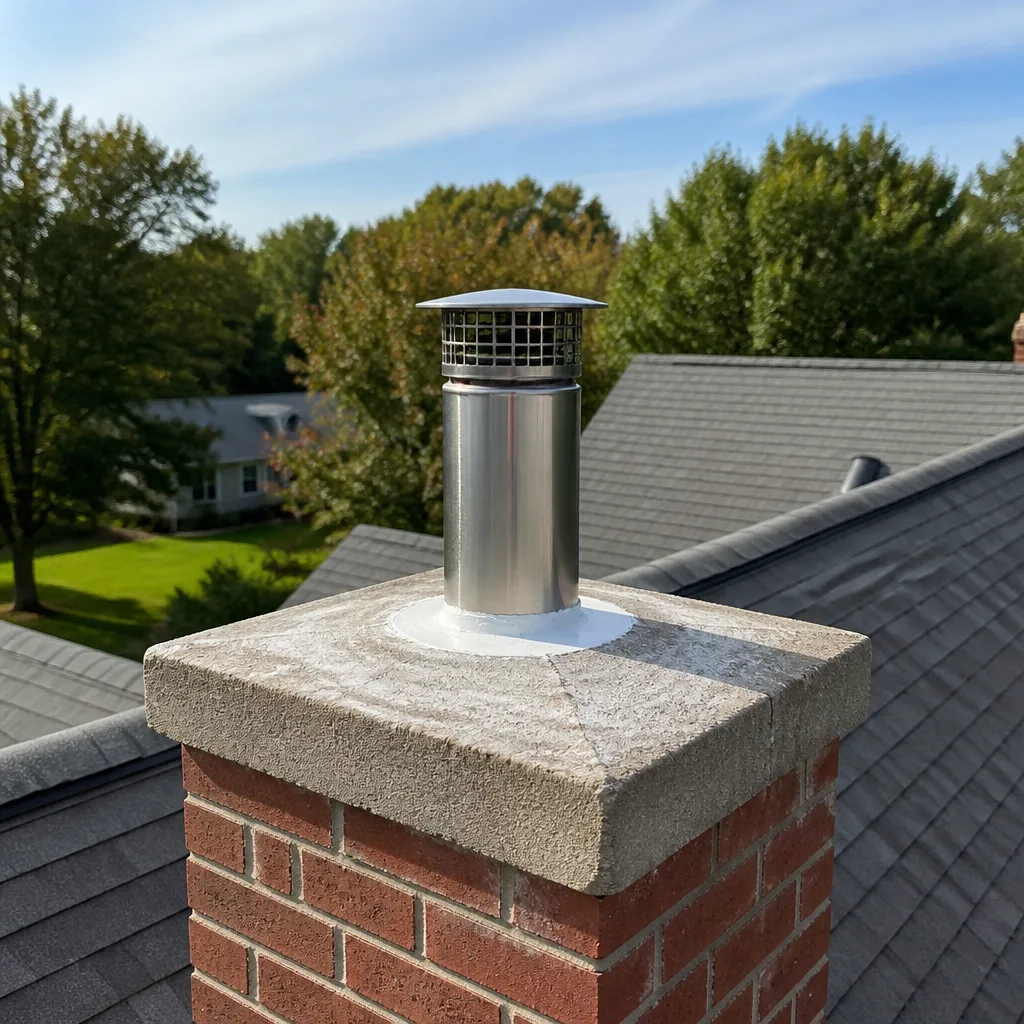
- Masonry repair
- Gas fireplace service
Table of Contents
- Wood-Burning Fireplaces and Stoves: The Per-Fire Schedule
- Gas Logs and Gas Inserts: The Invisible Corrosion Problem
- Pellet Stoves: Twice a Season, Not Once
- Dryer Vents: The Schedule Most San Clemente Homes Miss
- Why Fall Scheduling Matters Even in a Mild Climate
- Coastal Maintenance Add-Ons for San Clemente Chimneys
- What You Can Inspect Yourself vs. What Needs a Camera
- Documenting Maintenance for Insurance and Resale
Wood-Burning Fireplaces and Stoves: The Per-Fire Schedule
Creosote is the residue you are managing. Every wood fire sends smoke up the flue, and as that smoke cools against the chimney walls, it condenses into a tar-like substance that builds up in layers. Some of those layers brush off easily. Others harden into a glaze that resists brushes and feeds chimney fires. The speed of buildup depends on how you burn. Green or unseasoned wood produces wetter smoke and faster creosote accumulation. Low, smoldering fires do the same thing. Hot, well-oxygenated fires with seasoned hardwood burn cleaner and leave less residue per fire.
In San Clemente, the practical schedule for a wood burner looks like this:
- Count your fires. If you light 40 to 50 fires in a season, book a chimney sweep at the end of that season, and not a week before Thanksgiving.
- Inspect the firebox weekly during the burn season. You are looking for a matte black, flaky accumulation to reach about 1/8 inch thick on the damper shelf or smoke shelf. If you can scrape it with a fingernail and it comes off in flakes, schedule a sweep sooner than your annual date.
- Check the spark screen or doors monthly. Warped screens and loose door gaskets change the burn temperature and contribute to faster creosote buildup. A fireplace that burns inefficiently creates more residue for the same number of fires.
The per-fire schedule matters more than the calendar. A household that burns 15 fires a year can genuinely go a little longer between sweeps under normal conditions. A household that burns every evening from December through February can reach the same creosote threshold by Groundhog Day. Either way, at the 40-to-50-fire mark, the deposit is thick enough to warrant professional removal by a technician who can also inspect the flue liner while the soot is gone.
We recommend documenting each professional sweep in a simple log, because it answers a question every home inspector asks at resale: “When is the last time it has been cleaned, and by whom?”
Gas Logs and Gas Inserts: The Invisible Corrosion Problem
Gas fireplaces do not produce creosote, and that single fact makes many San Clemente homeowners assume they can skip professional service for years at a time. That assumption causes damage. Gas combustion produces water vapor, sulfur compounds, and acidic condensate, and those byproducts accumulate inside the flue and around the log set. Over time, that acidic moisture corrodes metal liners and masonry joints from the inside out. You often cannot see it until the liner has thinned or cracked, which is why we rely on camera inspection rather than a flashlight from the roof.
The schedule for gas appliances is one annual combustion and vent inspection. That includes:
- Checking the burner ports for rust, spider nests, and uneven flame pattern
- Verifying the venting system is clear and the termination cap is intact
- Inspecting the flue liner for corrosion pitting, especially if the home still runs an older unlined masonry chimney
- Testing the gas valve and pilot assembly for proper operation
- Looking for moisture staining on the firebox floor or wall
In our experience, gas fireplaces in San Clemente tend to develop liner issues at similar rates to wood burners, just through a different mechanism. The moisture and sulfur byproducts do not need a freeze-thaw cycle to do damage. Mild winters just mean the appliance gets used in shorter bursts, which actually creates more condensation per start-up. You light the gas logs for an hour on a cool evening, the flue never fully heats, and the acidic condensate sits on the metal longer. An annual inspection catches that pattern before it becomes a repair.
If we find liner damage on a gas flue, we can usually address it with one of the repair systems we stock. In some cases that means a DuraFlex flexible liner specified for gas appliance venting. In other cases, a HeatShield resurfacing keeps the original masonry intact while sealing the damaged surface. The point is that gas appliances are not maintenance-free, and the failure they produce is harder for a homeowner to spot than a creosote layer.
Pellet Stoves: Twice a Season, Not Once
Pellet stoves burn dense compressed fuel, and they produce a fine ash that behaves differently from wood smoke residue. The ash is dry and light, but it plugs heat exchanger tubes, collects in the exhaust path, and reduces efficiency quickly. A pellet stove that is not cleaned at mid-season burns through more pellets for less heat, and the exhaust temperature drops, which accelerates fly ash buildup in the vent pipe.
The proper routine is two cleanings per burn season. The first cleaning should happen right before the season starts, so the stove is clear for the first cold snap. The second should happen at the midpoint, after 1 to 1.5 tons of pellets have burned, when the ash accumulation has started to affect performance. Homeowners who burn continuously through winter may need three cleanings, but two is the minimum for a stove that sees regular use in San Clemente.
Between pro visits, there are three tasks worth doing yourself:
- Empty the ash pan weekly during heavy use. Letting it overfill pushes ash back into the air intake and reduces burn efficiency.
- Brush the heat exchanger tubes every two weeks. A small wire brush or the tool that came with the stove handles the light surface ash.
- Check the door gasket monthly. A loose gasket lets air in around the door instead of through the burn pot, and that changes the burn temperature and air-to-fuel ratio.
The pro cleaning includes the vent pipe, the combustion blower, and the exhaust path. Those are the areas you cannot reach without disassembling the stove or accessing the vent termination, and they are where the fine pellet ash tends to pack together in San Clemente’s dry air. Missing the mid-season cleaning is the most common pellet stove mistake we see.
Dryer Vents: The Schedule Most San Clemente Homes Miss
We include dryer vent cleaning in this guide because the same fire hazard logic applies, even though the appliance is not a chimney. Lint accumulates in the vent duct behind and above the dryer, not just in the trap you pull from the front. That lint is extremely fine and highly flammable. When it builds up enough to restrict airflow, three things happen: dryers run longer, heating elements overheat, and the lint layer becomes the kindling in a chain of events that causes thousands of residential fires each year, a problem the NFPA has documented for decades.
The schedule is based on household volume, not calendar dates, but here is what it looks like for most San Clemente homes:
- One to two people, two loads per week: clean the vent every 18 to 24 months
- Three to four people, four to six loads per week: clean annually
- Large household or active family, more than six loads weekly: clean every 6 months
A dryer vent that needs cleaning announces itself. Clothes come out damp after a full cycle. The dryer exterior gets unusually hot. The laundry room smells like hot fabric. The flap at the vent termination outside does not open when the dryer runs. Any of those signals means the vent is already restricted, and you should stop running the dryer until the line is cleared.
The scope of a proper dryer vent cleaning includes the full run from the dryer connection to the exterior termination. That means removing lint from elbows, horizontal runs, and the cap at the outside wall, not just vacuuming the first few feet behind the appliance. For homes with second-floor laundry rooms, the vertical rise adds length and turns, which makes annual cleaning the safer default even at moderate laundry volume.
Why Fall Scheduling Matters Even in a Mild Climate
San Clemente does not get a hard winter. Nobody here is burning a cord of oak to keep pipes from freezing. So the national advice about booking a chimney sweep “before burning season” lands a little different. Burning season in San Clemente is brief and occasional, often a dozen chilly evenings between Thanksgiving and Valentine’s Day, and that means two things for the maintenance calendar.
First, fall scheduling is about demand, not about an urgent fire-start date. Most homeowners in Southern California call a sweep in October and November because that is when they think about the fireplace again. The smart play is scheduling in August or September, when the schedule has more openings and you can choose a day that works, not the one day left. You do not need the sweep to stay warm. You need the sweep done before the November rush so the fireplace is ready when the first cool evening hits.
Second, infrequent use has its own maintenance logic. A fireplace that burns 20 times a year accumulates less creosote per season than a nightly burner, but it sits dormant for 10 months out of the year. During that time, spiders and small debris settle into the flue, and in coastal Southern California, you also get the slow effects of accumulated marine moisture on metal components. Twice in our time working on San Clemente chimneys, a cap or damper has shown enough surface deterioration after a few dormant years that replacement was the simpler fix over trying to patch it. A dormant chimney still interacts with its environment.
So fall scheduling matters for availability and for the inspection value, even though the appliance will not burn much. The pre-season sweep also doubles as the annual inspection that catches moisture intrusion, animal nesting, and cap corrosion before the few times you do light it.
Coastal Maintenance Add-Ons for San Clemente Chimneys
National chimney checklists rarely mention a few items that matter in San Clemente specifically. The biggest one is the condition of metal components at the top of the flue. Spark arrestors, rain caps, and chase covers all sit in whatever combination of sun, wind, and morning moisture the local climate dishes out. They corrode at different rates depending on material. A galvanized cap fails sooner than a stainless cap, and when it does, water gets into the flue and runs down the interior.
At a minimum, every professional inspection in San Clemente should include:
- Cap and spark arrestor condition check for rust-through, missing mesh, and loose mounting
- Crown and mortar joint inspection for hairline gaps that let water into the chimney chase
- Flashing inspection where the chimney meets the roofline, which is the most common leak point in any climate
One of the reasons we stock commercial-grade termination components from Gelco and Olympia Chimney is that the hardware-store versions do not hold up the same way. A standard box-store cap might last a few years in this environment. A Gelco cap built for long-term outdoor exposure does the same job for a lot longer. The material difference is invisible to a homeowner until the second or third replacement, but it is real.
For masonry chimneys, the mortar joint inspection matters because these chimneys breathe in a way lined flues do not. If a mortar joint opens up, water moves in, and it can sit in the masonry for weeks. The next fire, even a little gas fire, expands that moisture into steam and gradually worsens the joint. An inspector who only looks at creosote levels misses it. A sweep who checks the full system catches it.
What You Can Inspect Yourself vs. What Needs a Camera
There is a middle ground between “call a pro for everything” and “ignore the chimney until it smokes back into the house,” and it starts with knowing what a homeowner can legitimately assess. Here is the honest breakdown.
You can check these between professional visits:
- The firebox floor and walls for cracks in the firebrick or unusual staining
- The damper for smooth operation and visible rust flakes
- The visible mortar joints on the exterior chimney for gaps or spalling brick
- The cap from the ground, just to confirm it has not come loose or blown off entirely
- The dryer vent termination to confirm the flap opens during operation
You cannot check these without a pro and a camera:
- The interior flue surface mid-run, where creosote glazing or liner cracks most often form
- The exact condition of a gas appliance liner, which requires visual confirmation from inside the flue
- The depth and severity of a creosote layer, especially stage 2 or stage 3 creosote that brushing alone will not remove safely
- The hidden portions of a dryer vent run behind walls, where disconnections and accumulations happen
The camera is the dividing line. We use video inspection on every chimney sweep because the naked eye cannot see a hairline liner crack from either end of the flue, and because a homeowner making a repair decision deserves to see the same thing we see. If a sweep tells you the liner needs work, ask to see the camera stills. If a company will not show you what they are recommending, get another opinion.
That last point applies to dryer vents too. “Trust me” is not a diagnostic method. The standard should be: the recommendation comes with visual evidence you can see for yourself.
Documenting Maintenance for Insurance and Resale
A maintenance log does two things. It helps you remember what was done and when, and it gives a future home inspector or insurance adjuster a record that the fireplace and vents were not neglected. That record matters in a resale market like San Clemente, where a buyers’ inspector will flag any chimney that cannot prove upkeep, and where an insurance provider may want documentation after a claim involving fire or water intrusion through the roof chase.
Here is the format that actually helps:
- Keep one page per appliance or system. A wood fireplace on one page, a gas insert on another, the dryer vent on a third. Separate histories read cleaner than a single running list.
- Record the date, the service performed, and the company name. “Swept, camera inspected, minor cap rust noted, recommended monitor” is better than “cleaned.”
- Save the camera images. If a sweep provides stills from a video inspection, file them with the log. They become a baseline for future comparisons.
- Note upcoming recommendations. If the technician says the cap will likely need replacement in two years, write it down. It shows continuity of care and helps you budget.
- Keep receipts for any repair or component replacement. A new liner or cap with a receipt proves the work was done, not just suggested.
This is not about creating a paper trail for its own sake. It is about protecting a house against the most avoidable outcome: a known maintenance need that was never written down, never disclosed, and only surfaces as a problem during escrow. A home inspector seeing three years of documented chimney sweeps reads that as a cared-for system and moves on.
Common Mistakes to Avoid
- Treating “annual sweep” as a universal schedule. A gas log set and a wood insert have different failure modes and different service needs. Applying the wood-burning rule to a gas appliance means missing liner corrosion until it is a repair, not a check-up.
- Assuming gas fireplaces need nothing. Gas combustion produces acidic moisture that damages flue liners from the inside. The lack of creosote is not the same as the absence of problems.
- Ignoring the dryer vent. Dryer vents are the most overlooked fire hazard in a home, and in San Clemente, many laundry rooms run longer vent paths than the national average, which increases lint accumulation. Annual cleaning for a busy household is cheap compared to a duct fire.
- Waiting until the fireplace smokes back into the room. By the time smoke enters the living space, the flue is blocked enough that you should not be using the fireplace at all. The maintenance interval is gone; you are in repair territory now.
- Relying on a visual inspection without a camera. Creosote buildup and liner damage happen in the middle of the flue, not at the damper. A sweep that only looks from the top or bottom is guessing.
- Putting off a noted recommendation. When a technician documents a cap with rust-through or a liner with early-stage cracking, the fix is measured in hundreds, not thousands. The longer it waits, the more the water or corrosion spreads.
- Scheduling only when you remember. The chimney does not care whether you remembered. Set a recurring calendar reminder in September for the inspection and a mid-January reminder for a pellet stove mid-season cleaning.
See the difference
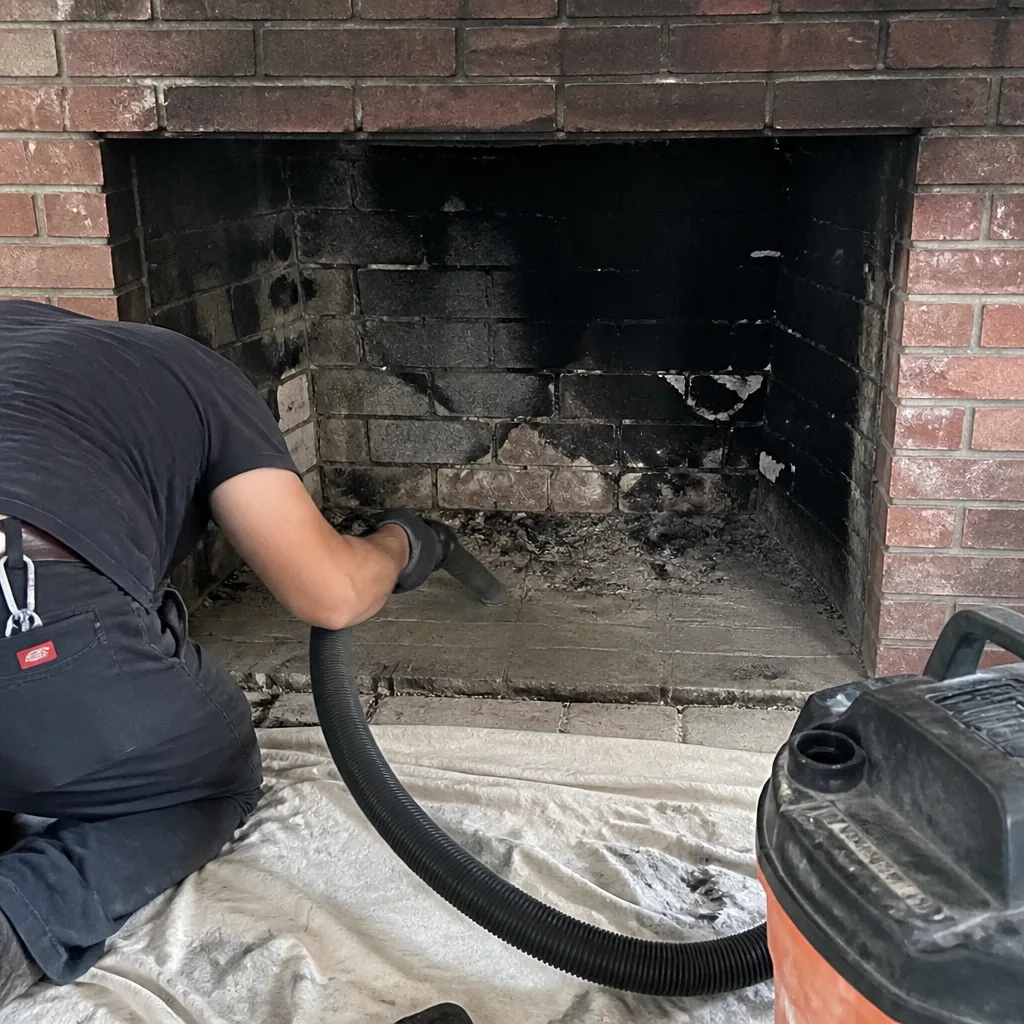 Before
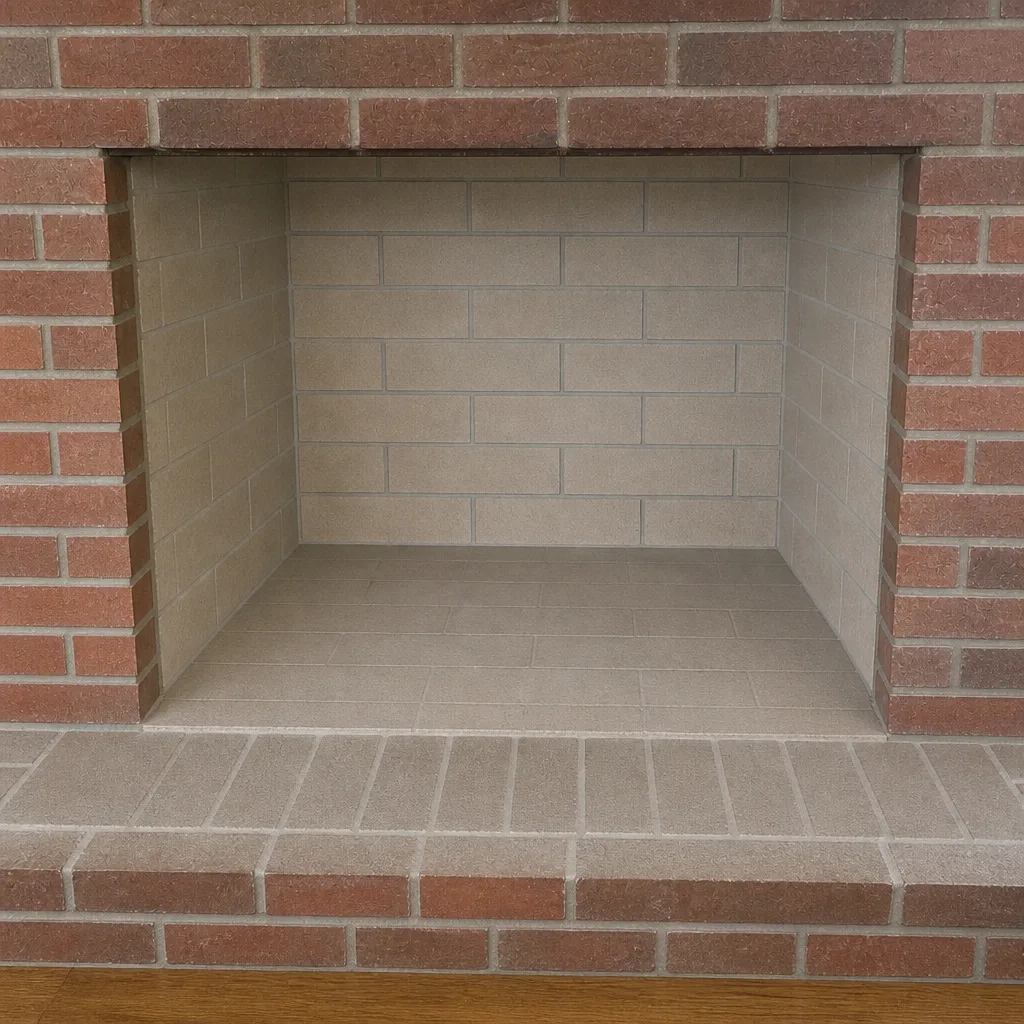 After
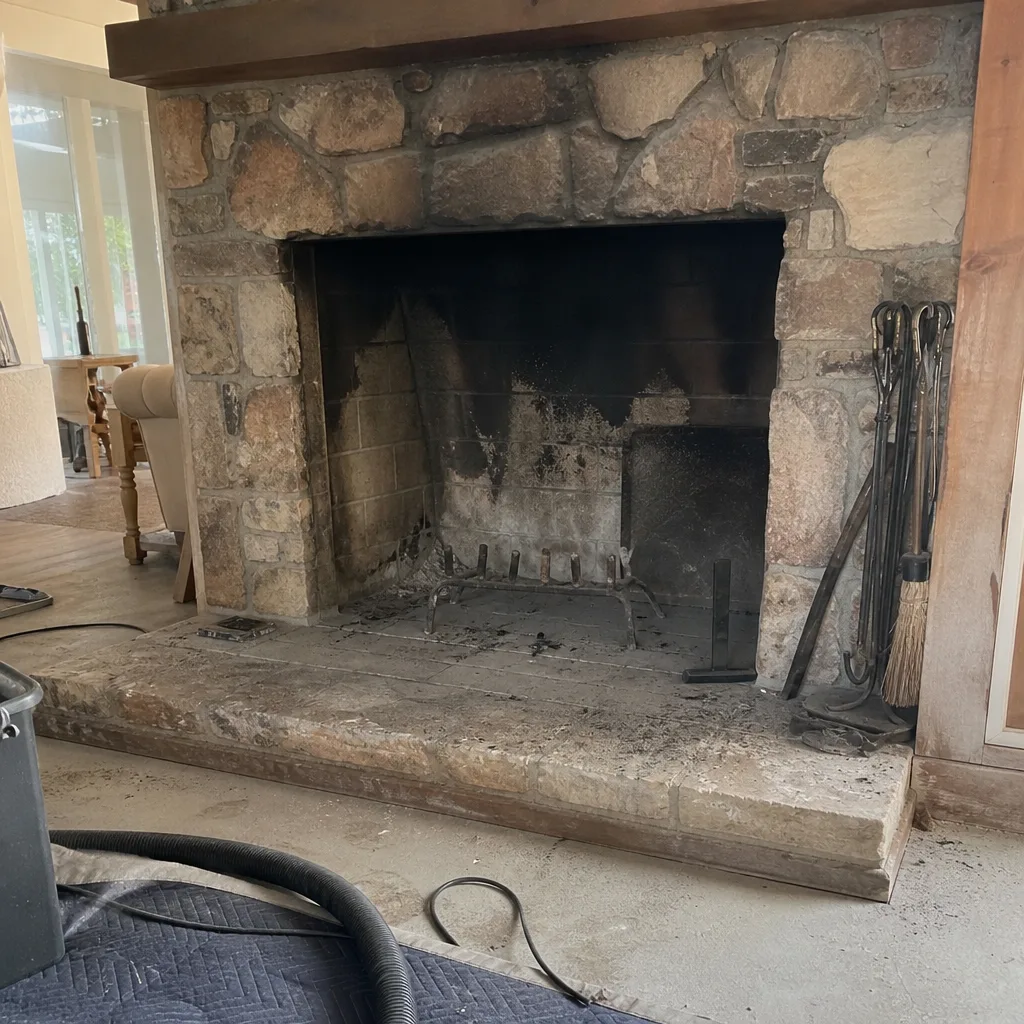 Before
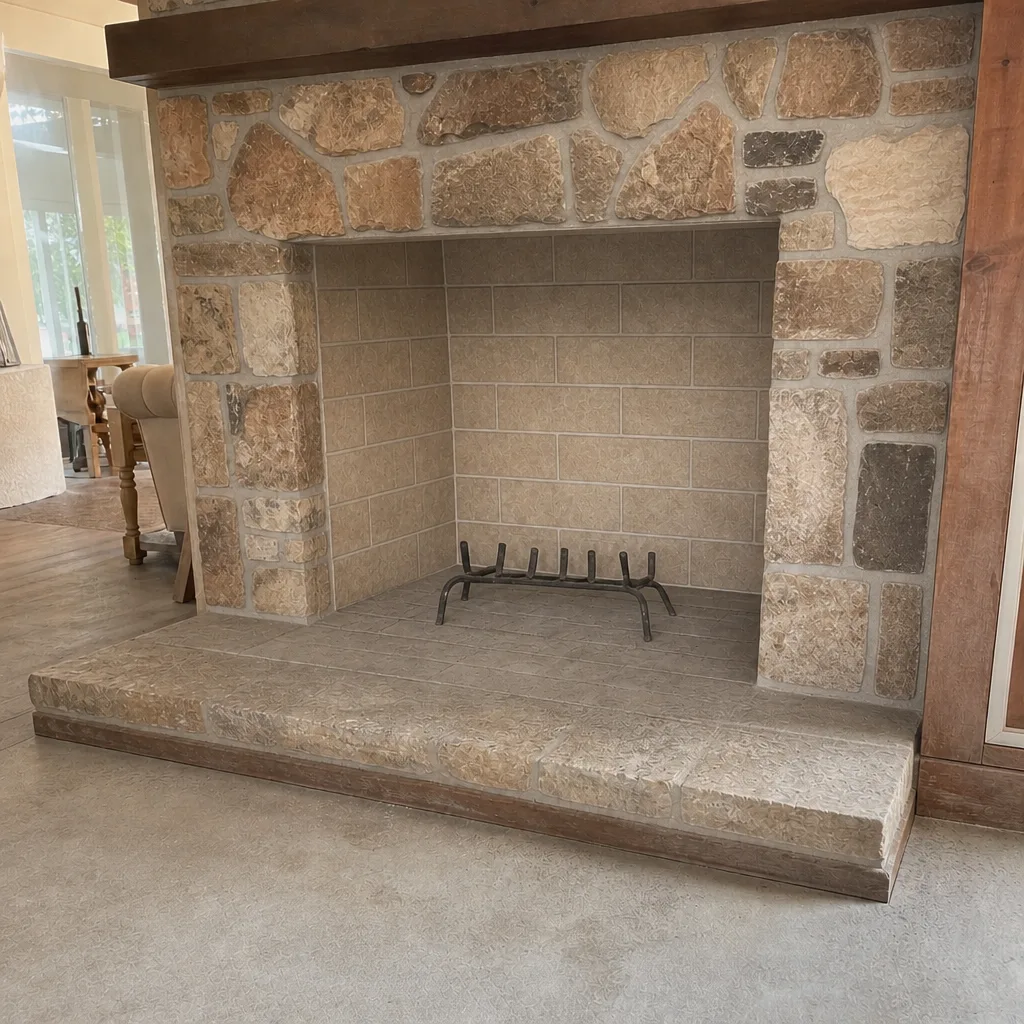 After
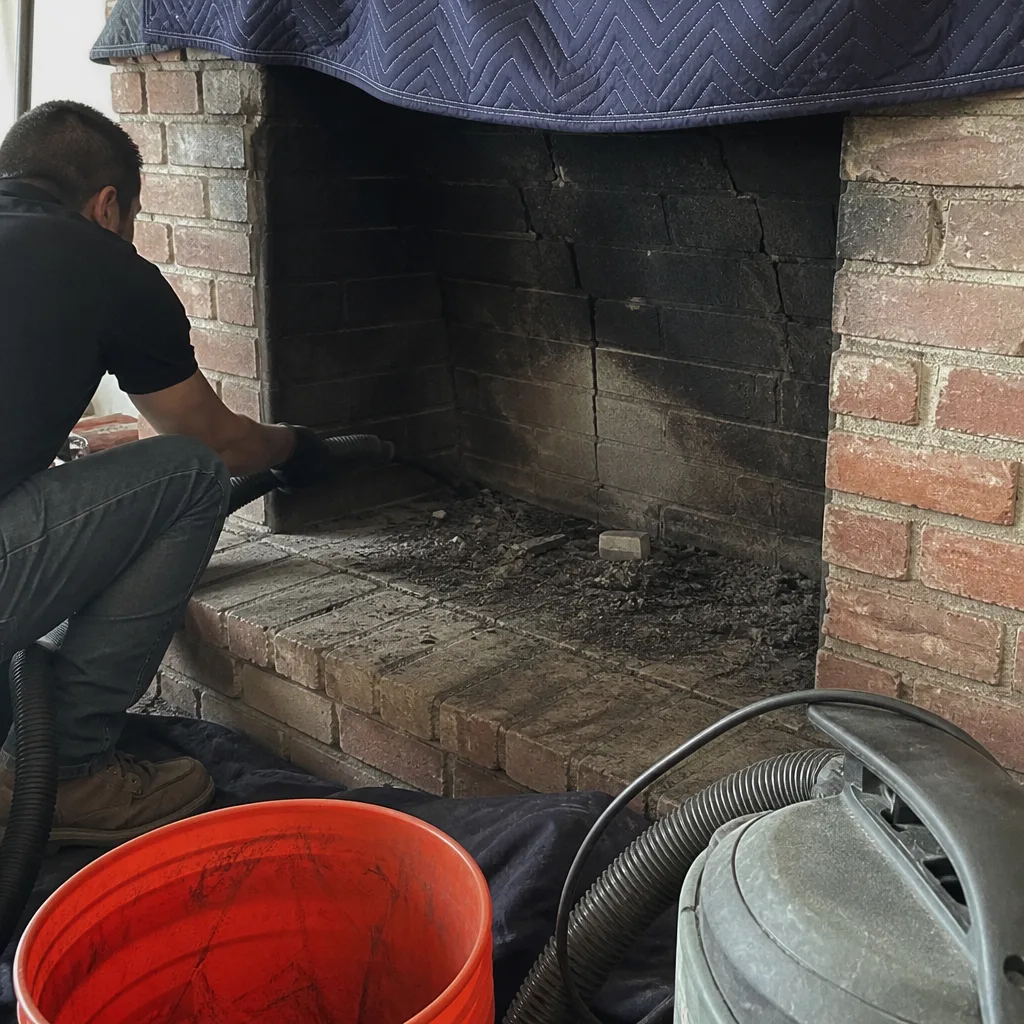 Before
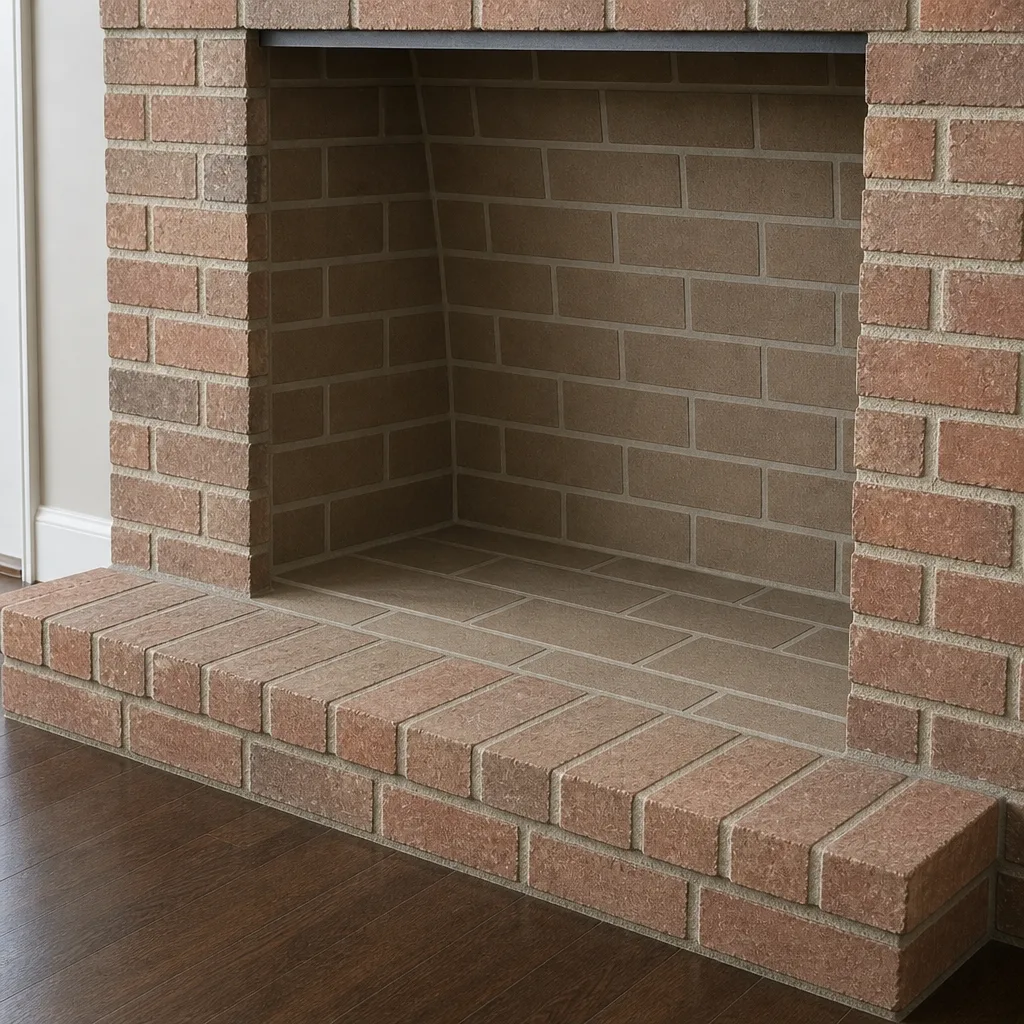 After
When to Call a Professional
Call a chimney professional if you see smoke backing into the room, smell a campfire-like odor when the fireplace is not in use, notice visible rust on the damper or firebox, find pieces of flue tile in the firebox, see daylight through cracks in the exterior masonry, or if your dryer takes longer than one cycle to dry a normal load. These are active problems, not maintenance items. For gas appliances, any gas odor is an immediate shut-off and call. For pellet stoves, a lazy yellow flame or excessive ash accumulation mid-season means the exhaust path is restricted. Chimney Sweep San Clemente offers free estimates in San Clemente. Call (877) 798-8489. We answer 24/7. Fast dispatch from 7am to 7pm, Sunday through Friday.
Frequently Asked Questions
A wood-burning fireplace should be cleaned after every 40 to 50 fires or at least once per year, whichever comes first. Gas fireplaces need an annual inspection rather than a creosote sweep, and pellet stoves need two cleanings per burn season. For San Clemente homes that burn only occasionally, an annual sweep still matters because the inspection catches cap corrosion, mortar issues, and animal or debris entry during the long dormant season.
Gas fireplaces do not need creosote removal, but they do need an annual flue and vent inspection. The acidic moisture produced by gas combustion corrodes metal liners over time, and the damage is usually invisible without a camera. In San Clemente, where gas logs often run for short bursts on cool evenings, the condensation pattern can actually be worse than in colder climates because the flue never fully heats. Call (877) 798-8489 to schedule an inspection.
A standard chimney sweep in San Clemente typically runs between $180 and $340 depending on the appliance type, flue length, and accessibility. Gas insert inspections fall at the lower end of that range. If the sweep includes a camera inspection and written report, expect it near the upper end. The written estimate you receive before any work sets the final price, and estimates are free.
Skipping maintenance means creosote builds to a combustible thickness on wood systems, or corrosion progresses undetected on gas systems. By year two or three, the damage often moves from a routine cleaning to a repair: a new cap, a liner resurfacing, or a replacement of rusted components. The chimney still looks the same from the outside, which is why the hidden damage gets worse while nothing appears wrong. A camera inspection reveals what the naked eye cannot see.
You can remove loose surface soot with a brush, but you cannot safely remove stage 2 or stage 3 creosote, inspect the mid-flue liner, or assess the condition of metal components without the right equipment. More importantly, DIY brushing without a camera leaves you guessing about whether the flue is actually clean or just visually less black. Professional equipment gets the full picture, and it is safer than working at roofline height without a proper setup.
For most multi-person households in San Clemente doing four or more loads of laundry a week, yes, annual dryer vent cleaning is necessary. Lint accumulates inside the vent duct far beyond what the catch trap collects, and that buildup restricts airflow, overheats the dryer, and creates a fire hazard documented by the NFPA. Homes with long vent runs to the outside wall or multiple elbows in the duct benefit from annual cleaning even at moderate laundry volume.
The Bottom Line
A real maintenance schedule is not one appointment per year. It is a set of intervals matched to the actual appliances: wood burners at 40 to 50 fires, gas logs annually, pellet stoves twice per season, and dryer vents on a volume-based cadence that ranges from six months to two years. In San Clemente, the mild climate means the calendar is less important than the condition of metal components sitting in long dormant periods, and the inspection should always include a camera. Document what gets done, keep the images, and do not let an easy fix become a liner replacement because nobody looked in the middle of the flue.
Written by the team at Chimney Sweep San Clemente, serving San Clemente since 2017.