
Last updated November 4, 2026
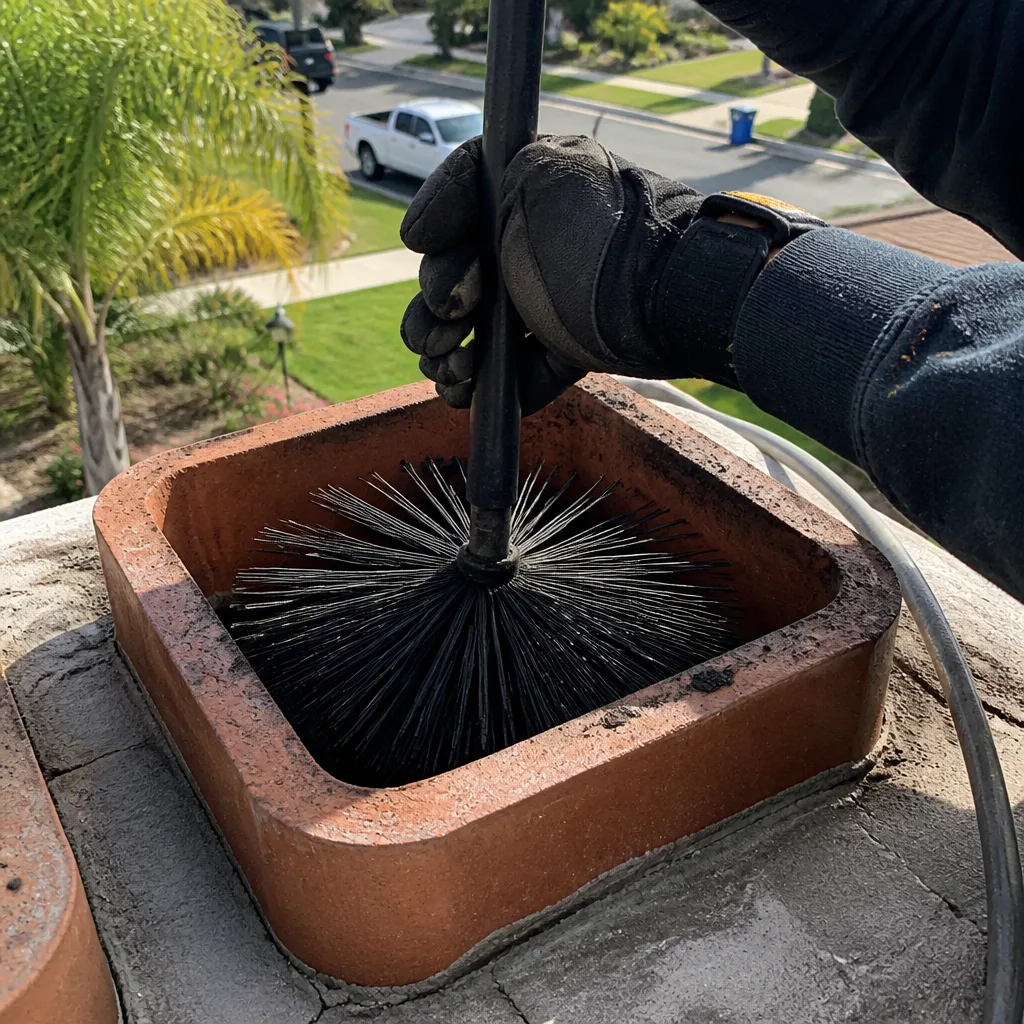
 Sweep & inspection
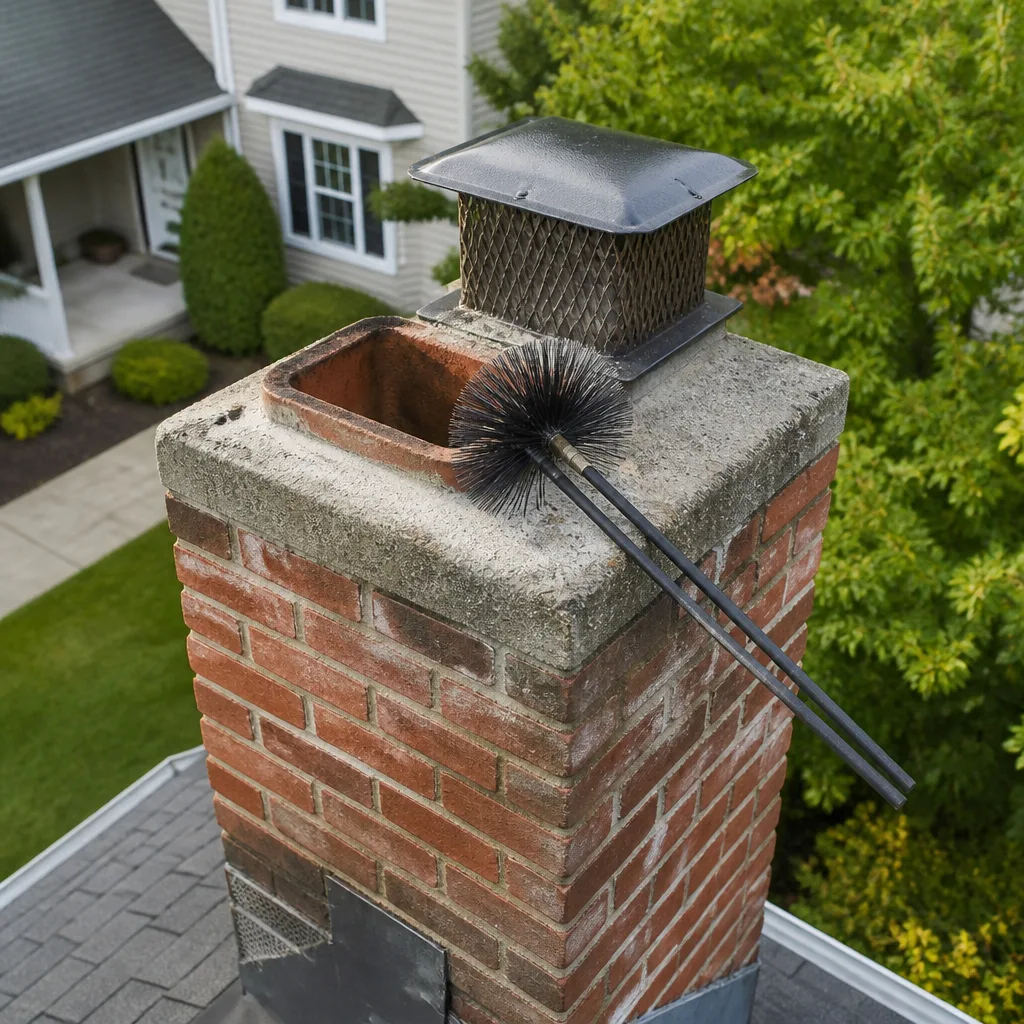
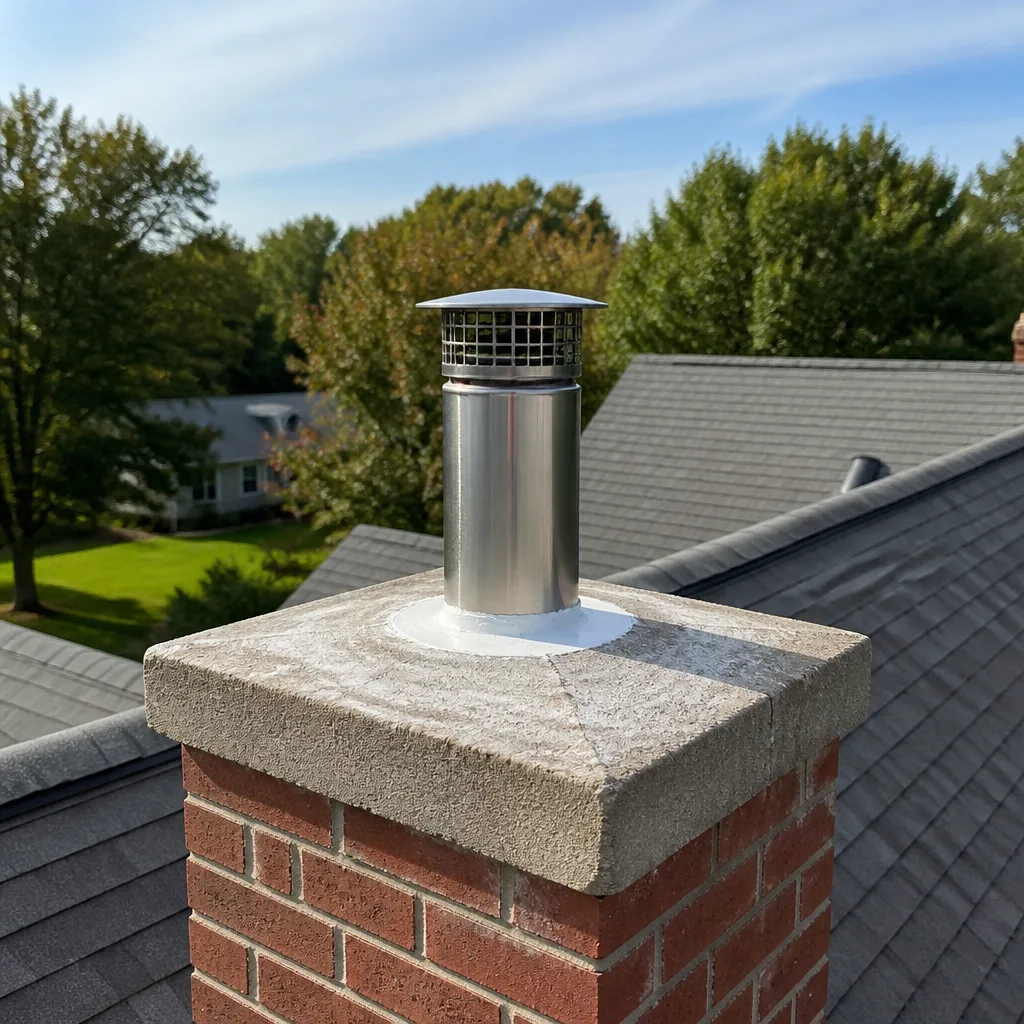
 Caps & crowns
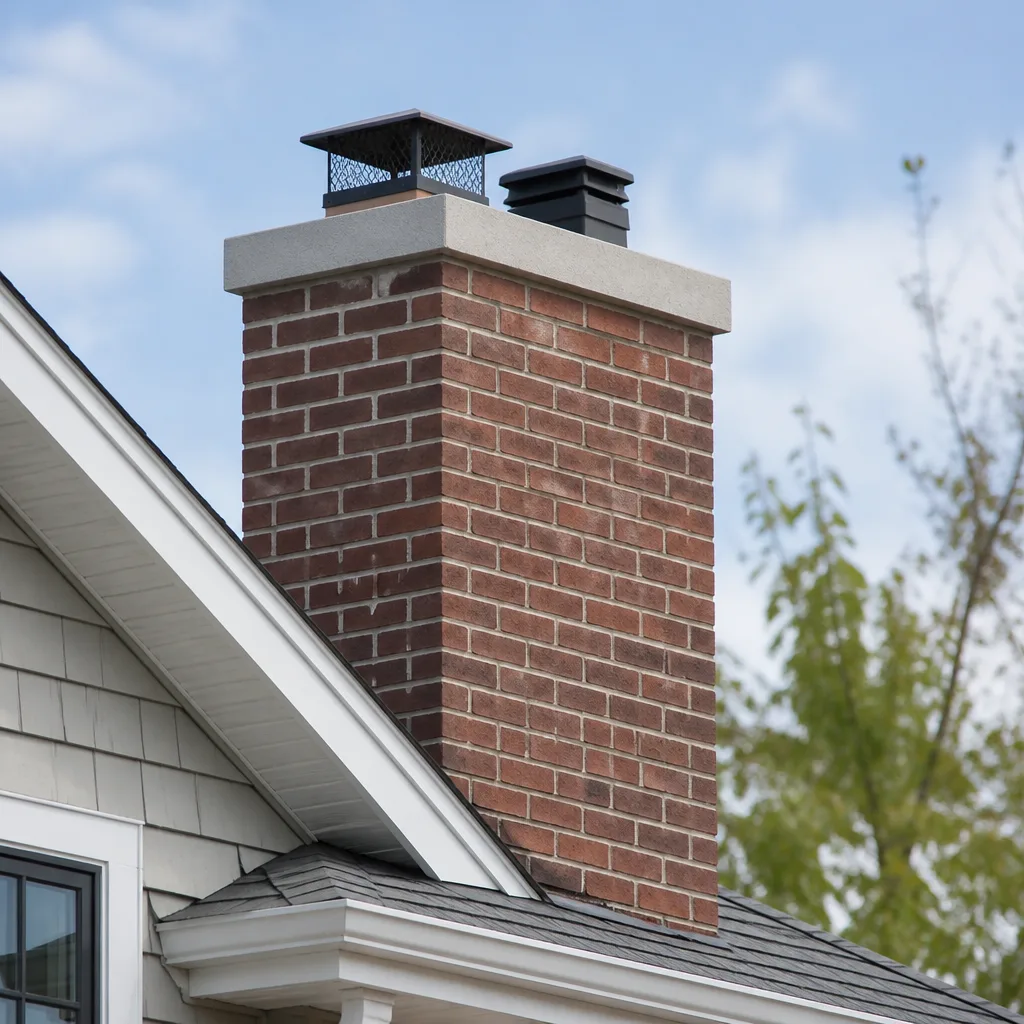
 Flue relining
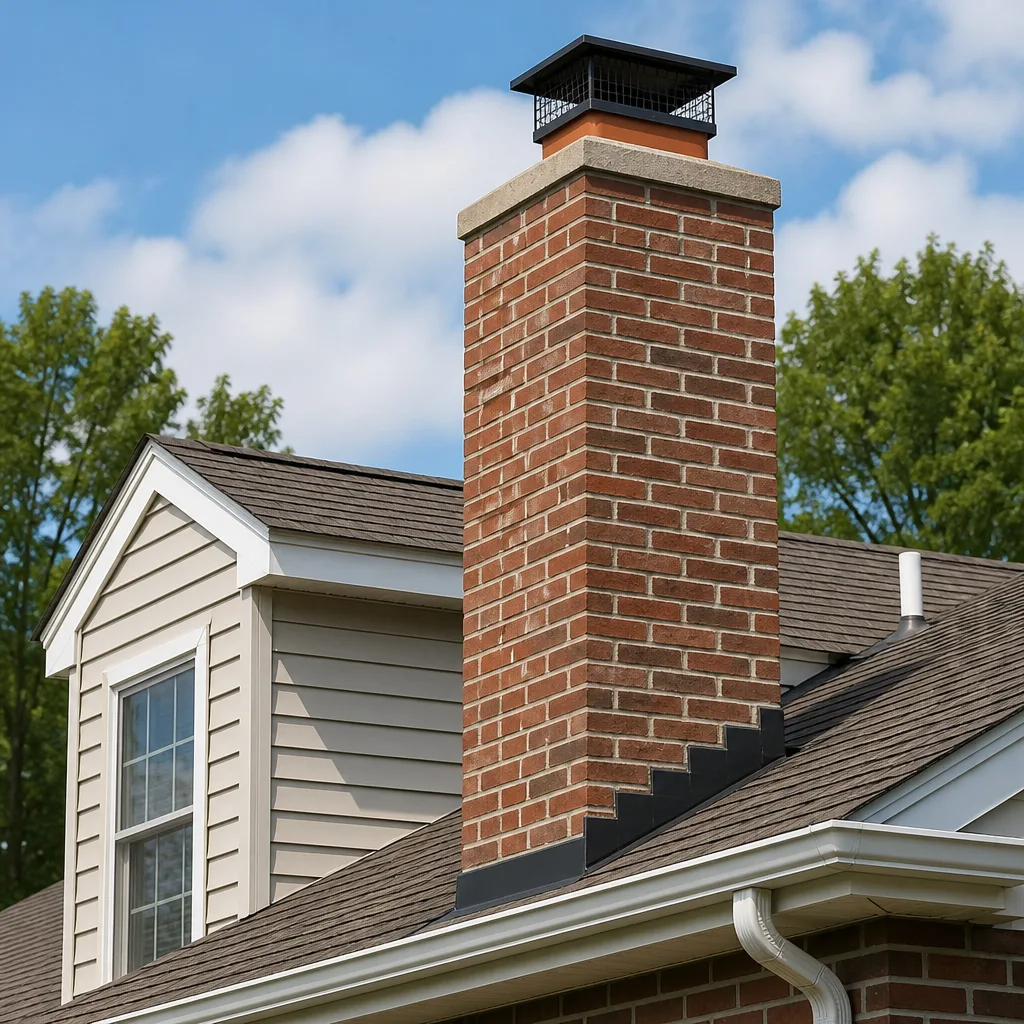 Masonry repair
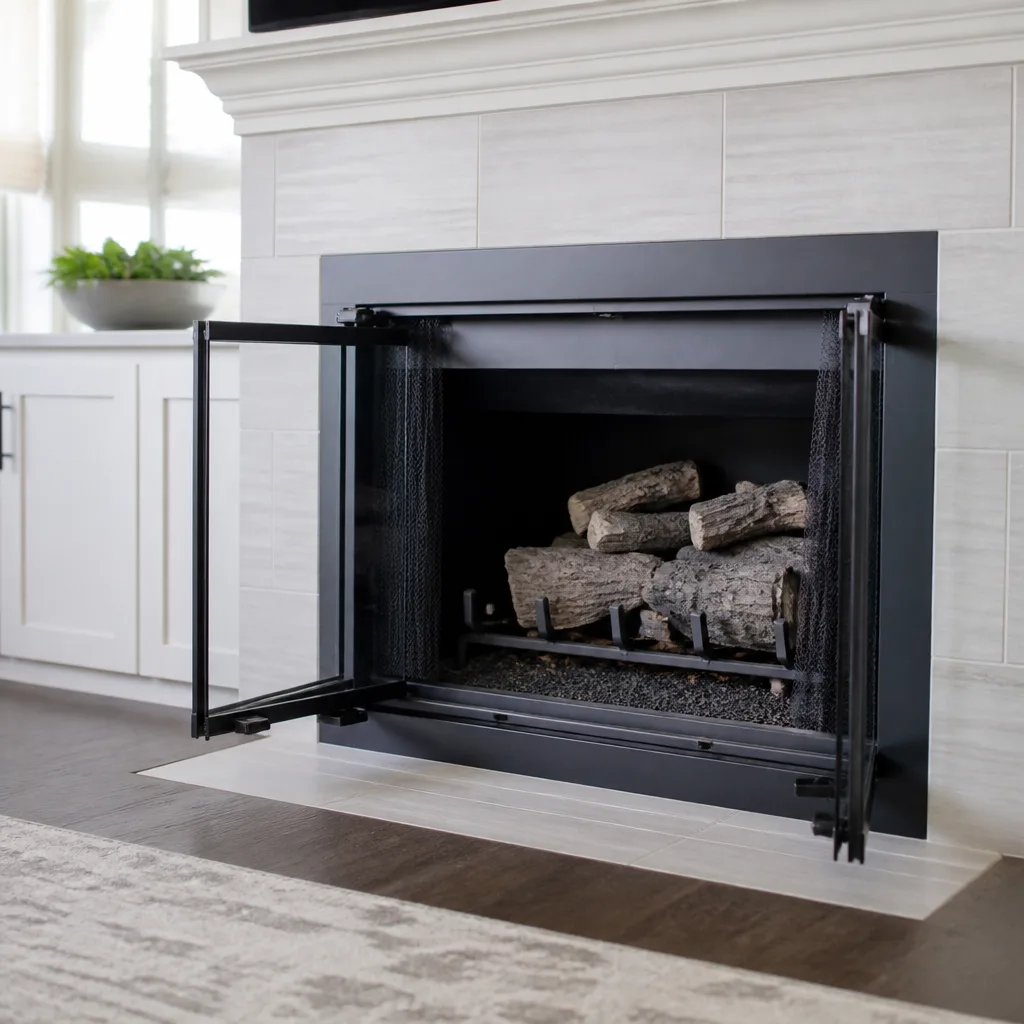 Gas fireplace service
Level 1 sweep and inspection to the NFPA 211 annual standard - flue, crown, cap, and flashing checked and photographed
Chimney sweep logs do not sweep chimneys. They loosen some creosote - which then falls where a brush and vacuum still have to collect it.
Chimney Cleaning Permits, Codes & Inspections in San Clemente, CA: What You Need to Know
Here’s something that surprises most San Clemente homeowners: the chimney sweep appointment you booked for routine maintenance needs no permit at all, but the liner repair that same sweep uncovers might require one before any work can legally begin. The line between cleaning and regulated construction is real, it’s defined by California code, and crossing it without paperwork carries consequences most people only learn about after a fire claim gets denied. This guide explains exactly where that line sits, what Orange County and the City of San Clemente require, and which questions to ask before anyone touches your chimney with anything other than a brush.
Quick Answer
Routine chimney sweeping and dryer vent cleaning in San Clemente require no permit, because they are classified as maintenance rather than construction. But any structural repair to the firebox, smoke chamber, flue liner, or chimney crown falls under the California Building Code and typically requires a permit from the City of San Clemente Building Division. If a contractor suggests relining, rebuilding, or resurfacing your flue without pulling a permit, that’s a red flag you should not ignore.
Styles & brands we work with
- Sweep & inspection
- Caps & crowns
- Flue relining
- Masonry repair
- Gas fireplace service
Table of Contents
- Where Cleaning Ends and Regulated Work Begins
- How San Clemente and Orange County Handle Chimney Permits
- What a Level 2 Inspection Triggers Under NFPA 211
- How California’s Title 24 Affects Chimney Dampers During Repairs
- What to Ask Before Liner, Cap, or Firebox Work Starts
- Typical Cost and Timeline for Permitted Chimney Work
- Common Mistakes to Avoid
- When to Call a Professional
- Frequently Asked Questions
Where Cleaning Ends and Regulated Work Begins
The legal boundary in California between maintenance and construction is defined by the California Building Code (CBC), which the state adopts and local jurisdictions enforce. A standard chimney sweep removes creosote, soot, and debris from the flue using brushes, rods, and vacuum equipment. That’s maintenance. It doesn’t alter the structure, it doesn’t change the system’s performance characteristics, and it doesn’t require a permit anywhere in Orange County.
The moment work involves removing, replacing, resurfacing, or structurally altering any component of the chimney, the CBC classifies it as construction or alteration. This means:
- Firebox repair or rebuilding – replacing firebrick, repointing mortar joints, or rebuilding the firebox floor is structural work.
- Flue liner replacement or resurfacing – installing a new stainless steel liner, cast-in-place liner, or resurfacing with a product like HeatShield requires a permit because it changes the flue’s material and performance.
- Smoke chamber parging or repair – resurfacing the smoke chamber with refractory mortar is an alteration, not maintenance.
- Chimney crown replacement – rebuilding a cracked or deteriorated crown involves structural concrete work.
- Chimney cap installation – this one sits in a gray area. A simple cap mounted on an existing flue tile is generally treated as an accessory and may not require a permit in San Clemente. But if the installation involves coring the crown, changing flue dimensions, or altering the termination point, it crosses into regulated territory.
In our experience, the confusion usually happens because sweeping and inspection naturally uncover repair needs. A homeowner books a cleaning, the technician finds a cracked flue tile, and suddenly the conversation shifts: resurfacing with HeatShield or installing a DuraFlex liner system becomes a permitted project. The reputable contractor explains this upfront. The uninformed or unscrupulous one quietly skips the paperwork, and the homeowner never knows until something goes wrong.
How San Clemente and Orange County Handle Chimney Permits
The City of San Clemente operates its own Building Division and enforces the California Building Code directly. If your home is inside city limits, you pull chimney repair permits through the city. If you live in an unincorporated pocket of Orange County near San Clemente, you’d go through OC Public Works or the county’s building department instead. The code requirements are essentially the same, but the office you deal with changes.
Here’s what the permit process typically looks like in San Clemente:
- Determine scope. A Level 2 inspection (more on that below) documents what’s damaged and what the repair will involve. Photos, notes, and sometimes video footage from the inspection become part of the permit application.
- Submit application. The city requires a description of the work, the materials being used, and often a simple drawing or manufacturer spec sheet. For a liner replacement, you’d include the DuraFlex liner’s UL listing or the HeatShield system’s ESR report, which demonstrates code compliance.
- Pay fees and receive permit. San Clemente permit fees are calculated on a valuation basis, meaning the more the work costs, the higher the permit fee. Expect the permit to add a few hundred dollars to a liner job, though exact figures depend on the project.
- Complete the work. The contractor performs the repair according to the approved scope. Using products with established code listings streamlines this step, since the inspector can verify compliance quickly.
- Schedule inspection. A city inspector reviews the completed work, typically before any cosmetic finishing covers it. For flue liner work, the liner must be visible before the termination cap or chimney crown finish goes on.
- Receive final sign-off. The city issues final approval, and the permit is closed. This documentation matters if you sell the home or file an insurance claim later.
San Clemente’s mild climate means chimneys here don’t face the freeze-thaw damage common in colder regions, but they do face decades of accumulated creosote, moisture intrusion around flashing, and the slow deterioration of mortar from thermal cycling. A chimney that’s been in service for 30 or 40 years likely has hidden damage that a Level 2 inspection will surface, and that’s often where the permit conversation begins.
What a Level 2 Inspection Triggers Under NFPA 211
NFPA 211, the national standard for chimneys, fireplaces, and vents, defines three inspection levels. A standard sweep includes a Level 1 inspection, which covers the readily accessible portions of the chimney interior and exterior. That’s appropriate for annual maintenance when nothing has changed about how you use the fireplace.
A Level 2 inspection is required when:
- A property is being sold or transferred.
- The system has changed – a new appliance is connected, a different fuel is used, or the flue is relined.
- An operational malfunction has occurred, such as a chimney fire, smoke backdrafting, or water intrusion.
- An earthquake, storm, or other event may have damaged the chimney.
The inspection itself uses video scanning equipment to document the flue interior from top to bottom, along with a thorough examination of accessible attic, crawlspace, and exterior portions of the chimney. What matters for permits is what the inspection documentation shows. If the video reveals a cracked flue tile, a deteriorated mortar joint, or separation between clay liner sections, that documentation becomes the factual basis for a repair permit application. The city inspector may also want to see the Level 2 report to confirm the repair scope matches the actual damage.
For San Clemente homeowners, the practical takeaway is this: a Level 2 inspection is not a perk, it’s a code-referenced procedure with defined triggers. If you’re buying or selling a home here, the real estate transaction effectively triggers one. If your dryer vent has been flagged by an inspector or insurance provider, that’s a separate system but follows a similar logic – documentation first, then targeted repair.
How California’s Title 24 Affects Chimney Dampers During Repairs
California’s Title 24, Part 6, is the state’s energy code, and it reaches into chimney work in a way most homeowners don’t expect. The relevant section addresses building envelope air leakage, and a chimney is essentially a controlled hole in that envelope. When a home is being altered, the energy code requires that the alterations not make the building’s energy performance worse, and in many cases, it requires improvements where cost-effective.
Here’s what that means for a San Clemente chimney repair:
- Damper replacement during firebox work. If a firebox rebuild or smoke chamber repair involves the damper, Title 24 may require the replacement damper to be a gasketed, low-leakage model rather than a traditional cast-iron damper. This is not a recommendation – it’s a code requirement triggered by the alteration.
- Existing homes, not just new construction. Many homeowners assume Title 24 only applies to new builds. That’s wrong. Alterations to existing buildings trigger the code, and chimney repairs that touch the damper or firebox assembly fall under the alteration rules.
- Sealed combustion appliances. If a gas fireplace or insert is installed as part of a chimney repair project, it must meet Title 24 appliance efficiency standards, and the termination cap and venting components need to be code-listed. Products like Olympia Chimney termination caps and Famco vent components are manufactured to meet these listing requirements.
The practical consequence is that a competent San Clemente contractor knows when a damper replacement crosses into Title 24 territory and can specify a compliant product upfront. A contractor who doesn’t mention Title 24 when discussing firebox or damper work is working from an incomplete code picture. In our experience, the crews who get this right are the ones who stock or source professional-grade components – Gelco caps, Copperfield components, and similar trade-line products – rather than whatever’s on the shelf at a big-box store.
What to Ask Before Liner, Cap, or Firebox Work Starts
You should never feel like the awkward homeowner for asking permit questions. A legitimate contractor expects them and answers directly. Here’s the list we recommend every San Clemente homeowner run through before signing a contract for anything beyond a routine sweep:
- “Does this work require a permit, and will you pull it?” The answer should be yes for structural work, and the contractor’s name should be on the permit as the responsible party. If they ask you to pull the permit yourself, ask why. In most California jurisdictions, the contractor performing the work is required to obtain the permit.
- “Can I see the documentation that shows this product is code-listed?” For liner systems like DuraFlex, the manufacturer provides UL listings and ESR reports that demonstrate code compliance. A legitimate contractor can produce these. If they can’t, the product may not be legal to install.
- “When will the city inspector be involved?” For permitted work, there should be at least one inspection after the repair is complete. A contractor who says inspections aren’t necessary is either uninformed or planning to skip the permit.
- “What happens if the inspector finds additional damage during the repair?” This happens frequently, and the answer should be: the contractor documents the newly discovered damage, amends the permit if needed, and completes the work. A contractor who suggests hiding newly found damage from an inspector is a contractor to fire on the spot.
- “Will the final permit sign-off be provided in writing?” You want the permit closed and a record of final approval. It matters for insurance, resale, and your own peace of mind.
These questions take five minutes to ask and can save you from a repair that’s not legal, not insurable, and potentially dangerous. A company that does sweep, repair, and dryer vent work under one provider should have no trouble answering all five.
Typical Cost and Timeline for Permitted Chimney Work in San Clemente
Permitted chimney work costs more than unpermitted work because the permit fee itself, plus the inspection, add to the project. That’s not a scam – it’s the cost of doing the job legally and insurably. Based on the work we see in San Clemente and throughout Orange County, here’s how the numbers typically break down:
- Routine chimney sweep with Level 1 inspection: $180 – $350, depending on flue height, creosote accumulation, and accessibility. No permit required.
- Level 2 video inspection: $250 – $500 as a standalone service, often discounted when combined with a sweep.
- Firebox repair or rebuilding: $800 – $3,500 depending on the extent of damage. Permit typically $150 – $400 on top.
- Flue liner replacement with a DuraFlex system: $2,500 – $6,000 for a typical single-story San Clemente home. Permit adds $200 – $500.
- HeatShield flue resurfacing: $1,800 – $4,500 depending on flue area and number of application passes. Permit adds $150 – $400.
- Chimney crown rebuild: $600 – $1,800. Permit adds $100 – $300.
- Gelco or Olympia Chimney cap installation: $250 – $800 installed, often no permit required unless the crown is altered.
- Assuming a sweep is a permit event. Routine cleaning in San Clemente is maintenance and needs no permit. Don’t let anyone tell you otherwise or upcharge you for “permit processing” on a simple sweep.
- Assuming a reline is not a permit event. The opposite mistake, and the more dangerous one. Structural flue work needs a City of San Clemente permit, period.
- Letting a contractor pull the permit under your name while they do the work. This shields the contractor from responsibility when the work fails inspection. The contractor’s name belongs on the permit.
- Skipping the Level 2 inspection before listing a home. In San Clemente’s real estate market, a chimney that hasn’t been Level 2 inspected can stall a sale. Doing it proactively puts you ahead of the negotiation.
- Ignoring Title 24 during firebox or damper repair. A contractor who installs an old-style unsealed damper during a firebox repair has created a code violation. The fix is ripping out the new damper and installing a compliant one, at your expense.
- Installing a hardware-store chimney cap as a DIY project. Generic caps rarely match the flue dimensions correctly, and an improper fit creates draft problems or becomes a fire hazard. Professional-grade components like Gelco caps are sized to the flue and installed by someone who knows what’s underneath them.
- Assuming the home inspector’s visual check is enough. A real estate inspection looks at the chimney from the roof and the firebox with a flashlight. It cannot see the flue interior. Only a Level 2 video scan can document what’s actually happening inside the chimney.
Timeline depends on the city’s current permit load. In San Clemente, simple over-the-counter permits for liner or firebox work can sometimes be issued same week, while more complex repairs take two to four weeks from application to approval. The inspection itself is usually scheduled within a few days of the completed work. These are estimates, not guarantees – the written estimate from your contractor sets the final price.
One thing worth stating plainly: the cost of unpermitted work is lower upfront and far higher downstream. An unpermitted liner installation that’s later discovered during an insurance claim can result in claim denial, and the insurer is within its rights – the work was never legal to begin with. The permit fee is the cheapest insurance you’ll ever buy for your chimney.
Common Mistakes to Avoid
When to Call a Professional
Any of the following situations in San Clemente should prompt a professional chimney inspection, not a wait-and-see approach: you smell smoke indoors after a fire, you hear or see evidence of animals in the flue, the firebox shows cracked or missing firebrick, the damper won’t fully open or close, or an insurance provider has flagged the chimney after a claim. If a Level 2 scan reveals a cracked flue tile, a HeatShield resurfacing or DuraFlex liner installation is a repair a sweep-only crew can’t do – and that’s exactly when you need a provider who handles both the diagnosis and the fix. Chimney Sweep San Clemente offers free estimates throughout San Clemente. Call (877) 798-8489. We answer 24/7. Fast dispatch from 7am to 7pm, Sunday through Friday.
Frequently Asked Questions
No. Routine chimney sweeping is maintenance, not construction, so no City of San Clemente permit is required. A standard sweep removes creosote and soot without altering the chimney structure, and that work falls outside the California Building Code’s permit triggers. Call (877) 798-8489 to schedule a sweep and get a free written estimate.
A typical chimney sweep in San Clemente runs $180 to $350, depending on flue height, creosote accumulation, and how accessible the roof and firebox are. The price is set by the written estimate before any work begins, and it includes a Level 1 inspection. Call (877) 798-8489 for an exact quote – estimates are free.
Yes. Replacing or resurfacing a flue liner is structural work under the California Building Code and requires a permit from the City of San Clemente Building Division. Whether the liner is a stainless steel DuraFlex system or a HeatShield resurfacing, the work must be permitted, inspected, and signed off before it’s complete.
A Level 1 inspection covers the readily accessible portions of the chimney and is done as part of every routine sweep. A Level 2 inspection includes everything in Level 1 plus video scanning of the flue interior, and it’s required when a property is sold, the chimney’s use changes, or a malfunction like a chimney fire has occurred. In San Clemente, a Level 2 scan is the standard before any repair permit application.
The best way to verify is to ask to see the Level 2 video footage yourself. A cracked flue tile, a separated clay liner joint, or visible deterioration is documented on the scan, and you have a right to review it before approving any work. A reputable contractor shows you the video and explains what it means; a pressure-driven one won’t. Chimney Sweep San Clemente provides video documentation with every Level 2 inspection.
The NFPA recommends a sweep whenever one-quarter inch or more of creosote has accumulated, which for a home fireplace used regularly through San Clemente’s cooler months typically means once a year. Homes used only occasionally may stretch to 18 or 24 months. The only way to know for sure is an inspection, which happens automatically with every sweep. Call (877) 798-8489 to book one.
The Bottom Line
Chimney maintenance in San Clemente is permit-free, but chimney repair is not, and the consequences of getting that wrong are serious: denied insurance claims, failed home sales, and a fire hazard that a city inspector never had the chance to catch. The code framework is straightforward once you know it – the CBC draws the legal line between cleaning and structural work, NFPA 211 tells you when a deeper inspection is required, and Title 24 shapes what materials are legal to install. The contractor you choose should be able to walk you through all three without hesitation. We do sweep, repair, and dryer vent cleaning under one provider, we document every inspection, and we pull permits when the work requires them. That’s how a chimney company in San Clemente should operate.
Written by the team at Chimney Sweep San Clemente, serving San Clemente since 2017.
See the difference
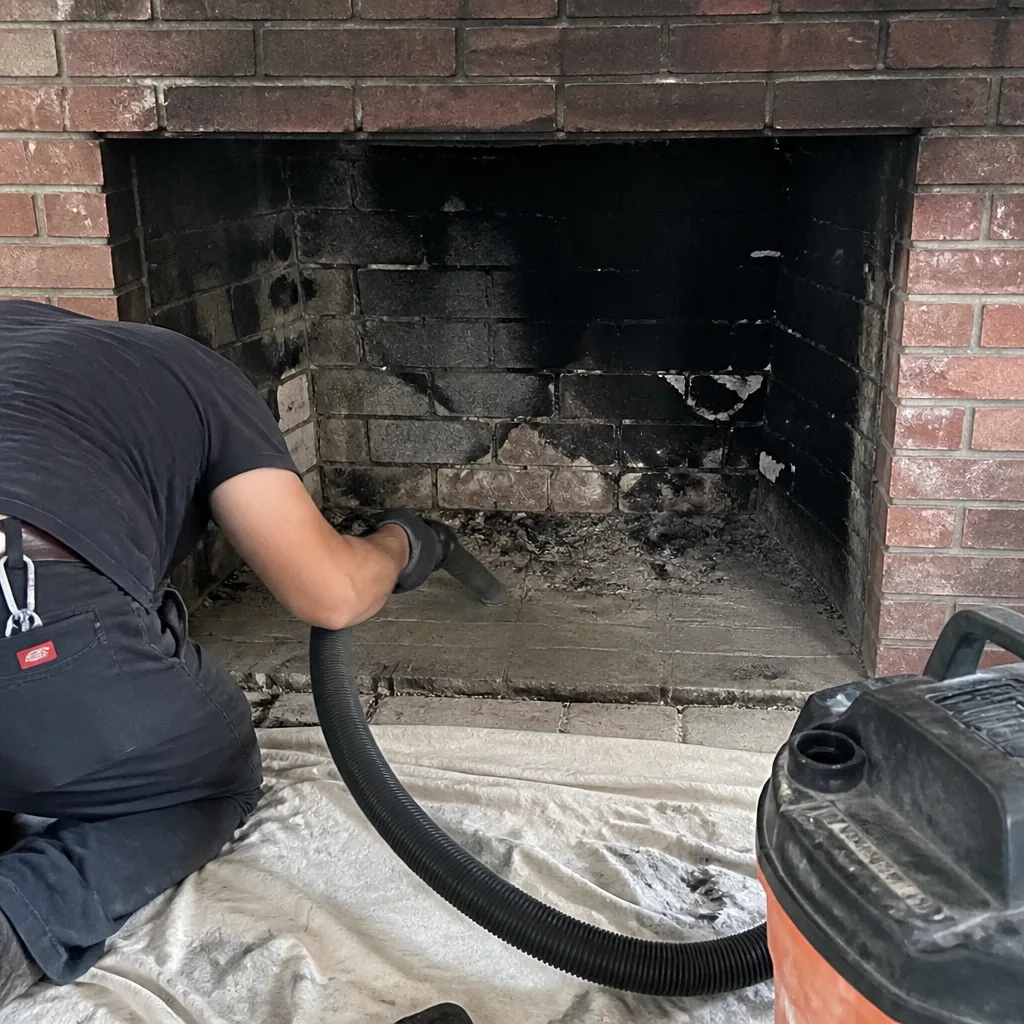 Before
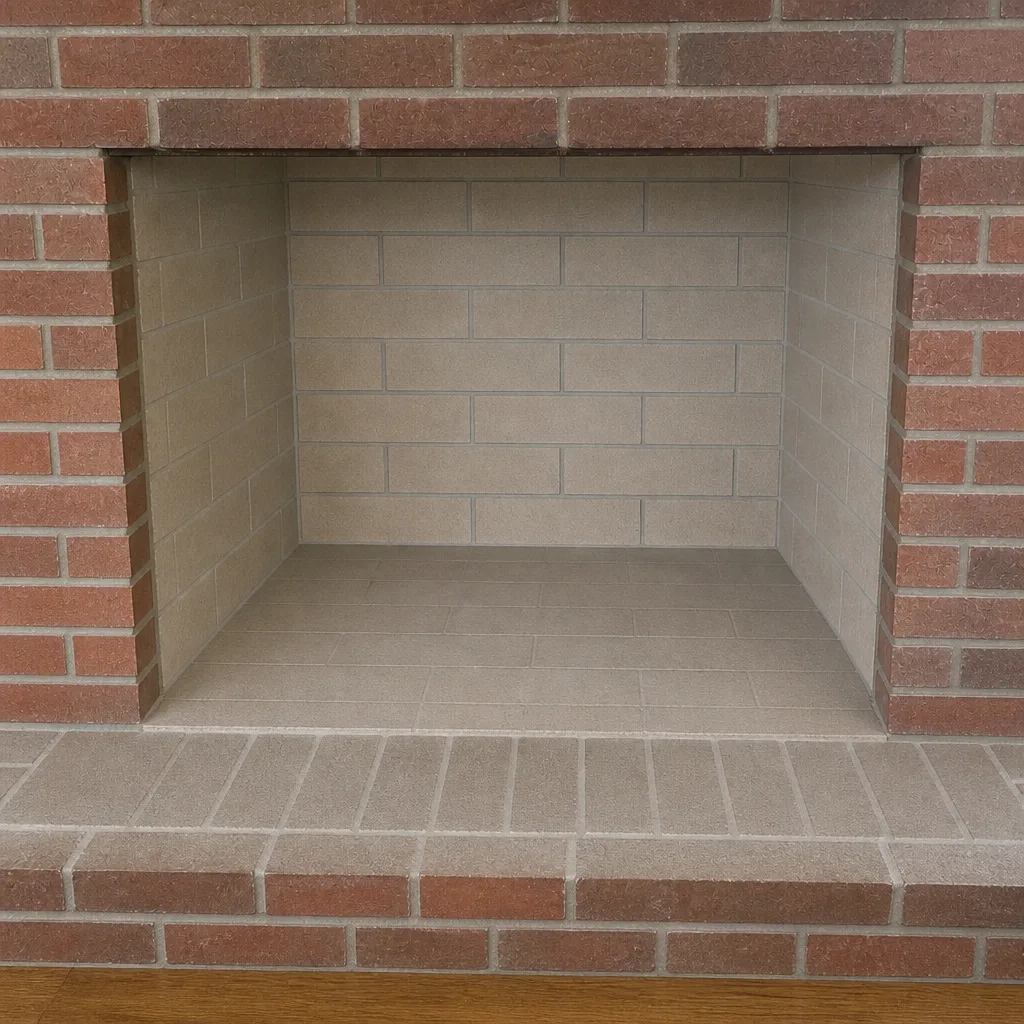 After
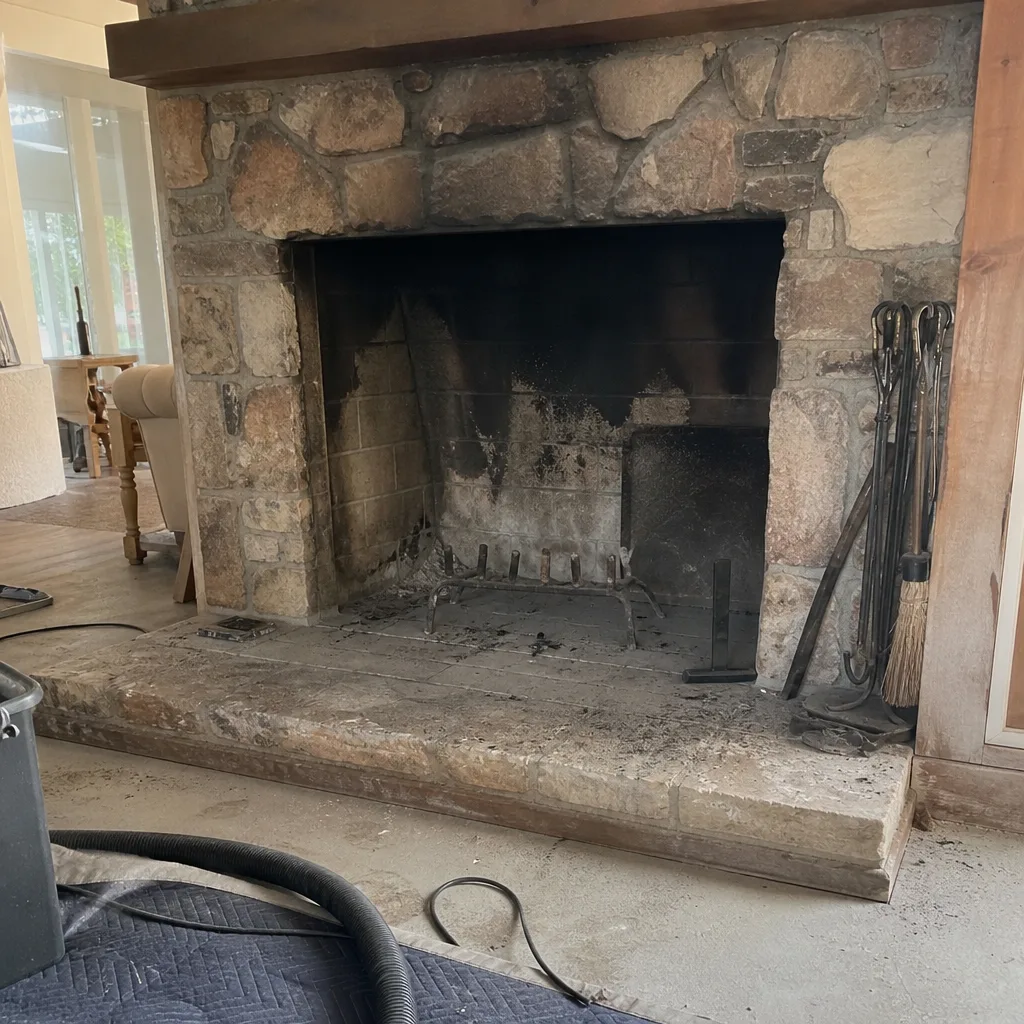 Before
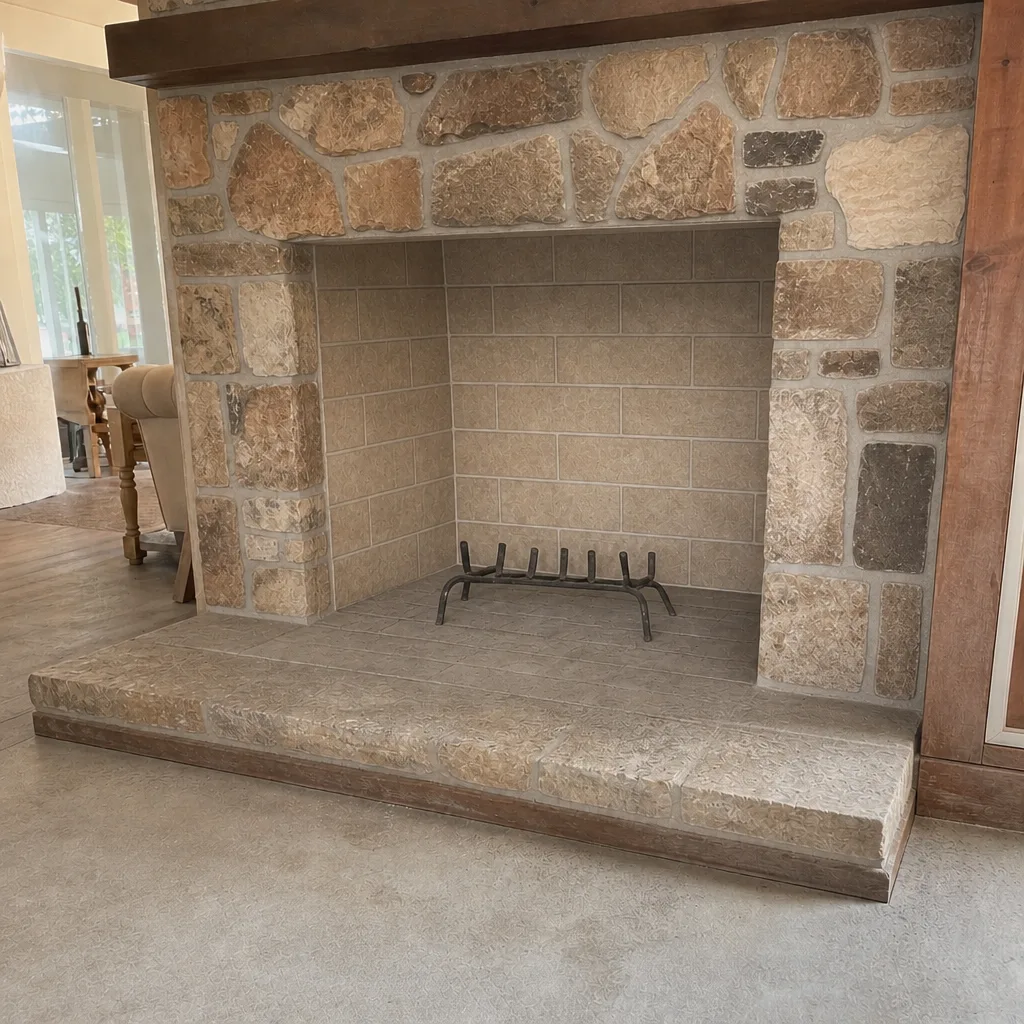 After
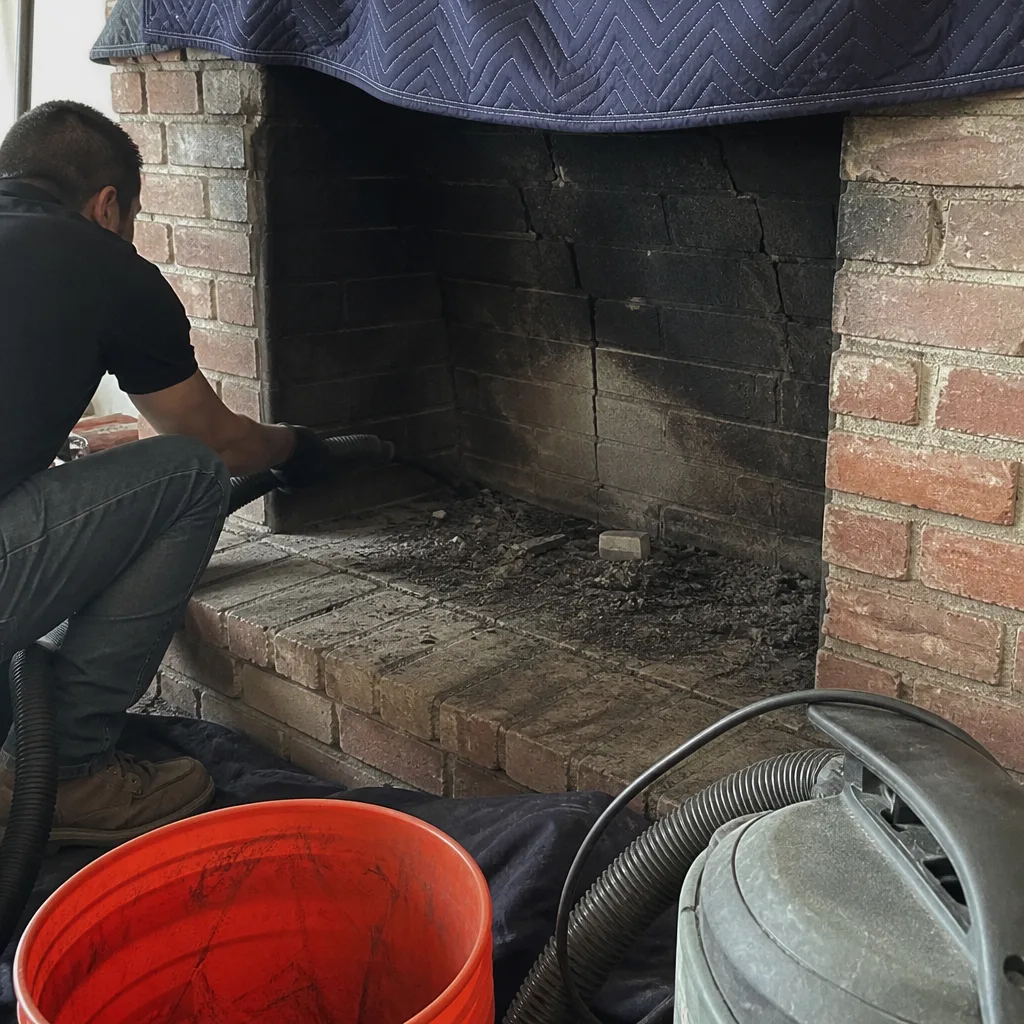 Before
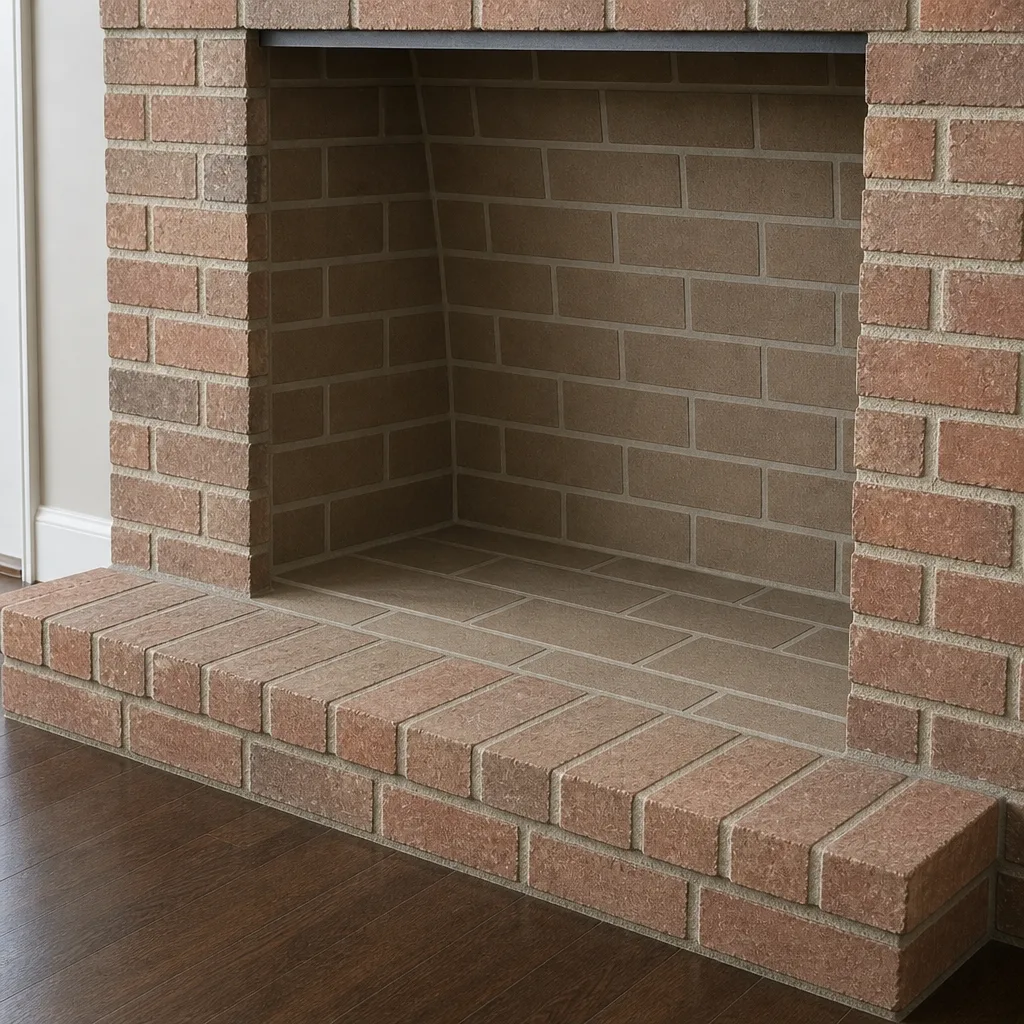 After